Introduction
The relationship between technology and human nutrition represents one of the most profound and paradoxical shifts of the modern era. The very fabric of how we acquire, prepare, consume, and think about food has been rewired by digital innovation. Technology’s impact on eating habits is omnipresent, dualistic, and accelerating, creating a landscape where powerful tools for health coexist with potent drivers of harm. On one hand, technology has democratized nutritional knowledge, streamlined access to fresh ingredients, and provided platforms for support and education that were unimaginable a generation ago. On the other, it has engineered hyper-palatable foods, optimized the delivery of ultra-processed meals, and unleashed sophisticated marketing that exploits psychological vulnerabilities. This digital revolution touches every point of the food chain: from algorithmic agriculture and supply-chain logistics to the smartphone in our pocket that can order a deep-fried meal in seconds or track a kale smoothie’s micronutrient profile. The central question is no longer whether technology influences our diet—it unequivocally does—but rather how its conflicting forces are shaping our collective health, and whether we can harness its power to cultivate sustainable, healthy eating habits or if we are doomed to be manipulated by its most commercial and addictive applications. This examination delves into the multifaceted impact of technology on eating behaviors, exploring its role as an educator, a tracker, a delivery mechanism, a manipulator, and ultimately, a determinant of public health outcomes.
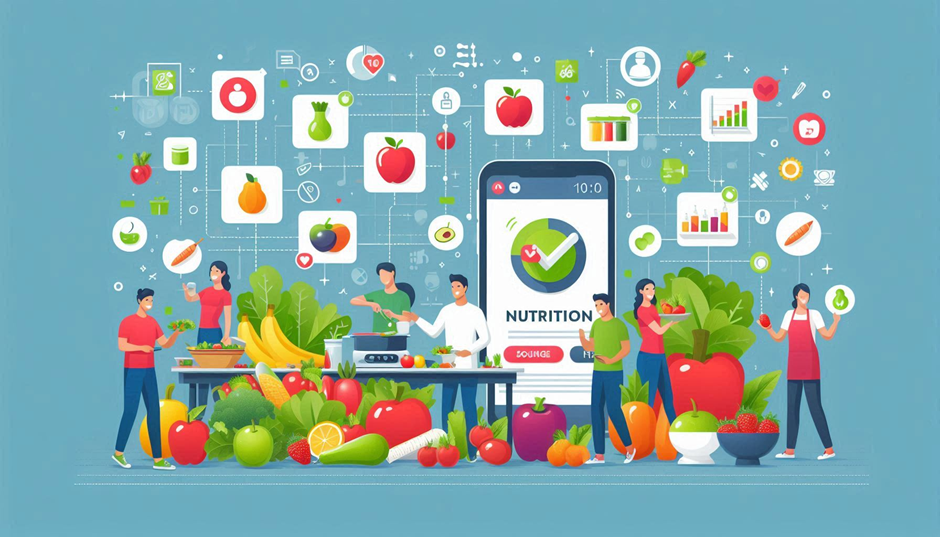
1. The Digital Banquet: Accessibility, Convenience, and the Transformation of Food Commerce
The most visible impact of technology on eating habits is the radical transformation of food accessibility and convenience, primarily through e-commerce and delivery platforms. The rise of online grocery shopping, subscription meal kits, and on-demand restaurant delivery apps like Uber Eats, DoorDash, and Grubhub has fundamentally altered the food procurement landscape. This shift offers undeniable benefits for healthy eating. Online grocery platforms allow for deliberate, less-impulsive purchasing, free from the sensory marketing of candy at checkout aisles. They enable easy price comparisons, access to a wider variety of specialty or health-focused products (e.g., organic produce, plant-based proteins, gluten-free items) that may not be available locally, and the convenience of home delivery, which can be a boon for individuals with mobility issues or time constraints. Similarly, meal kit services such as HelloFresh or Blue Apron promise portion-controlled ingredients with pre-planned recipes, reducing food waste and introducing home cooks to new, often vegetable-forward, culinary techniques. They demystify the process of cooking from scratch, potentially shifting diets away from processed foods.
However, this convenience economy possesses a formidable shadow side that predominantly promotes less healthy choices. The architecture of delivery apps is engineered for speed, indulgence, and immediate gratification. These platforms are dominated by restaurants offering fast food, pizza, and high-calorie takeout options, which are more profitable and travel better than delicate, healthful meals. The user interface employs persuasive design techniques: prominent photos of decadent foods, countdown timers, “free delivery” thresholds that encourage up-spending, and personalized recommendation algorithms that learn and cater to a user’s past orders of high-fat, high-sugar foods. The frictionless nature of ordering—a few taps on a screen—removes the traditional barriers of having to dress, travel, and wait in line, making unhealthy eating the path of least resistance, especially late at night or during stressful periods. This fuels a habit of consumption characterized by impulsivity and disconnection from the true cost, both financial and nutritional, of food. Furthermore, the gig-economy model underpinning these services often externalizes costs onto drivers and restaurants, creating a system where the cheapest, most mass-produced foods are most efficiently delivered, while local farms and healthier establishments may struggle to compete. Thus, while technology has made healthy food more accessible in theory, in practice, its most powerful commercial applications have made hyper-palatable, calorie-dense, nutrient-poor food more accessible, affordable, and tempting than ever before.
2. The Quantified Self: Dietary Tracking, Wearables, and the Datafication of Nutrition
A second major technological influence is the movement toward the “quantified self,” where eating habits are monitored, measured, and analyzed through digital tools. A vast ecosystem of apps like MyFitnessPal, Cronometer, and Lose It!, coupled with wearable devices like Fitbit and Apple Watch, has turned daily nutrition into a stream of personal data. Users can log every morsel consumed, automatically calculating calories, macronutrients (protein, fats, carbohydrates), micronutrients (vitamins and minerals), and sugar intake. These tools can sync with fitness trackers to provide a holistic picture of “calories in versus calories out.” For a subset of the population, this data-driven approach is transformative. It fosters nutritional awareness, making the abstract concept of a “balanced diet” concretely visible. It can help identify dietary deficiencies, manage specific health conditions like diabetes or hypertension, and provide accountability for weight-related goals. The educational component of these apps, often featuring food databases and informational articles, can improve general nutritional literacy, teaching users about portion sizes and the hidden sugars in common foods.
Nevertheless, the datafication of diet carries significant psychological and practical risks that can undermine healthy eating habits. Firstly, it can promote a reductive, obsessive relationship with food, where the subjective experience of hunger, satiety, and pleasure is overridden by numerical targets. This can border on or trigger orthorexic tendencies—an unhealthy fixation on “clean” or “perfect” eating. The act of logging every item can become burdensome, leading to user burnout and abandonment of the tool, and potentially, the healthy habits it was meant to support. Secondly, the accuracy of these platforms is notoriously variable. User-generated food databases contain errors, portion estimates are guesses, and the complex biochemistry of individual metabolism is reduced to a simplistic calorie equation. The body’s hormonal responses to different food types, the role of gut microbiome, and the thermic effect of food are largely ignored by these basic models. This can lead to frustration and a sense of failure when expected results are not achieved. Moreover, this quantified approach often prioritizes calorie counting over food quality, potentially justifying the consumption of nutrient-poor, processed “diet” foods as long as they fit within daily limits. It can also disconnect people from intuitive eating practices—the innate ability to listen to the body’s hunger and fullness cues—replacing internal wisdom with external validation from an app. For individuals with a history of eating disorders, these tools can be dangerously triggering, providing a framework for excessive restriction and compulsive behavior. Therefore, while dietary tracking technology offers powerful insights, its application requires a critical mindset to ensure it serves as a helpful guide rather than a punitive overseer of one’s relationship with food.
3. The Engineered Appetite: Food Science, Marketing, and Behavioral Manipulation
Perhaps the most insidious impact of technology on eating habits lies not in the digital tools we consciously use, but in the sophisticated technologies deployed by the food industry to engineer and market its products. Modern food technology, or “food science,” is a marvel of chemical and industrial engineering designed to create foods that are irresistible, habit-forming, and profitable. Using precise formulations of sugar, fat, salt, and artificial flavor enhancers, scientists engineer foods to hit the “bliss point”—the exact combination that maximizes palatability and desirability. Advanced processing techniques create textures (like the melt-in-your-mouth quality of many snacks) that circumvent the body’s natural satiety signals, encouraging overconsumption. This technological prowess has given rise to the category of “ultra-processed foods,” which are typically high in unhealthy ingredients, low in essential nutrients, and designed for overconsumption. The proliferation of these foods, from sugary breakfast cereals to frozen dinners and snack bars, is a direct result of industrial food technology and is strongly linked to the global rise in obesity, diabetes, and heart disease.
This physical engineering is supercharged by digital marketing technology. Through social media platforms like Instagram, TikTok, and Facebook, food companies deploy hyper-targeted advertising based on a user’s demographics, interests, location, and even real-time behaviors. The marketing is no longer confined to billboards and TV commercials; it is personalized, interactive, and embedded in daily digital life. Influencer marketing, where popular social media personalities are paid to promote products, is particularly effective at driving food trends, often for aesthetically pleasing but nutritionally dubious items like extravagant milkshakes, “cheat meal” platters, or fad diet supplements. These promotions are crafted as authentic lifestyle content, bypassing traditional consumer skepticism. Furthermore, the very design of social media platforms, with their endless scrolling and algorithmically curated feeds, encourages passive consumption of food-related content, normalizing constant snacking and indulgent eating as a form of entertainment and social bonding. The use of bright colors, catchy music, and viral challenges (like the “TikTok Pasta”) creates powerful emotional and social associations with specific foods, driving demand based on FOMO (Fear Of Missing Out) rather than nutritional need. This digital ecosystem creates an environment where unhealthy food choices are not merely available but are actively, incessantly, and persuasively pushed upon consumers, manipulating their behaviors at a subconscious level and making the cultivation of disciplined, health-focused eating habits a constant uphill battle against a torrent of engineered temptation.
4. Community, Education, and the Rise of Counter-Movements
In response to the commercial and manipulative forces of food technology, a counter-movement has also flourished online, using the same digital tools to promote education, community, and healthier habits. The internet has become a vast repository of nutritional knowledge and a platform for positive behavioral change. Websites run by reputable institutions like the Mayo Clinic, Harvard T.H. Chan School of Public Health, and governmental bodies provide free, evidence-based dietary guidelines and debunk myths. YouTube channels and blogs hosted by registered dietitians, doctors, and chefs offer accessible cooking tutorials, meal-prep ideas, and science-backed nutrition advice, often for free. This democratizes expertise, empowering individuals to take control of their diets beyond the oversimplified messages of mainstream marketing.
Furthermore, technology fosters supportive communities that can sustain healthy eating habits. Social media groups, subreddits (like r/EatCheapAndHealthy or r/PlantBasedDiet), and dedicated forums provide spaces for people to share recipes, celebrate successes, seek advice, and find solidarity in their health journeys. Apps like Noom incorporate behavioral psychology and group coaching to facilitate habit change. Digital platforms also enable the growth of social movements that prioritize food quality and ethics, such as the farm-to-table movement, community-supported agriculture (CSA) networks that use online management, and apps that connect consumers directly with local farmers. Wearable and app data can be shared with healthcare providers in real-time, enabling more personalized tele-nutrition counseling and chronic disease management. In this light, technology acts as a great equalizer and educator. It allows consumers to “hack” the food system, seeking out ethical producers, learning to cook nutritious meals on a budget, and building virtual support networks that provide motivation and accountability. The key differentiator between this positive impact and the negative manipulation described earlier is often intent and transparency. These educational and community-focused platforms generally aim to build long-term understanding and autonomy, rather than to trigger an immediate, impulsive purchase of a specific product. They represent the hopeful potential of technology to not only inform but also to connect and empower individuals in building a healthier, more conscious relationship with food.
Conclusion
The impact of technology on healthy eating habits is a profound and contradictory force, a tale of two kitchens: one optimized for instant, addictive consumption, and the other equipped with the tools for informed, mindful nourishment. It has simultaneously created the conditions for a global public health crisis driven by ultra-processed foods and hyper-convenience, while also furnishing the means for individuals to understand, resist, and reform their diets. The path technology ultimately carves for our collective health depends not on the tools themselves, which are neutral in isolation, but on the economic, social, and regulatory frameworks that guide their development and use. The unchecked commercial application of technology—through bliss-point engineering, predatory algorithmic marketing, and frictionless delivery of junk food—poses an existential threat to nutritional well-being, particularly for vulnerable populations. Conversely, the conscious application of technology for education, community building, personalized tracking, and connecting consumers to real food sources offers a powerful antidote. The future of healthy eating in the digital age will be determined by our ability to cultivate critical digital literacy among consumers, enforce regulations that curb manipulative food marketing, support technologies that promote transparency (like clear labeling apps), and consciously design our personal digital environments to support, rather than sabotage, our health goals. In the end, technology does not dictate our choices; it amplifies them. The challenge is to ensure it amplifies wisdom, connection, and well-being, rather than impulse, isolation, and consumption.
Sources
Monteiro, C. A., Cannon, G., Levy, R. B., et al. (2019). Ultra-processed foods: What they are and how to identify them. Public Health Nutrition, 22(5), 936–941.
Poti, J. M., Braga, B., & Qin, B. (2017). Ultra-processed food intake and obesity: What really matters for health—processing or nutrient content? Current Obesity Reports, 6(4), 420–431.
Harris, J. L., & Graff, S. K. (2012). Protecting young people from junk food advertising: implications of psychological research for First Amendment law. American Journal of Public Health, 102(2), 214–222.
Swinburn, B. A., Kraak, V. I., Allender, S., et al. (2019). The global syndemic of obesity, undernutrition, and climate change: The Lancet Commission report. The Lancet, 393(10173), 791–846.
Turner-McGrievy, G., & Tate, D. F. (2013). Weight loss social support in 140 characters or less: use of an online social network in a remotely delivered weight loss intervention. Translational Behavioral Medicine, 3(3), 287–294.
Champion, K. E., & Teesson, M. (2021). The role of digital technology in nutrition education and behavior change. Current Nutrition Reports, 10(2), 217–227.
Zheng, Y., & Wang, L. (2021). The effect of food delivery apps on household food spending and dietary quality. Journal of Marketing Research, 58(5), 897–915.
Moodie, R., Stuckler, D., Monteiro, C., et al. (2013). Profits and pandemics: prevention of harmful effects of tobacco, alcohol, and ultra-processed food and drink industries. The Lancet, 381(9867), 670–679.
Fung, T. T., & Rimm, E. B. (2021). Dietary patterns and health outcomes from digital food records. Nature Reviews Endocrinology, 17(11), 656–667.
Lister, C., & Golnick, C. (2021). Mobile apps for dietary and physical activity behavior change. American Journal of Lifestyle Medicine, 15(3), 265–271.
History
Current Version
Dec 15, 2025
Written By
BARIRA MEHMOOD


0 Comments