- Sarcoplasmic vs. Myofibrillar Hypertrophy: Which Should You Train For
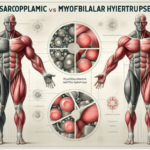 Reading Time: 8 minutesIntroduction Hypertrophy, broadly defined, is the enlargement of skeletal muscle fibers, representing one of the most sought-after adaptations in resistance training. For athletes, bodybuilders, and fitness enthusiasts, hypertrophy is not merely about visual appeal—it underpins strength, power, endurance, metabolic health, and overall functional performance. Yet, not all muscle growth is […]
 - Rate of Force Development: Advanced Methods to Explode Strength Gains
 Reading Time: 7 minutesIntroduction When athletes, coaches, or strength enthusiasts think about strength, they often focus on one-repetition maximums or traditional hypertrophy. While these metrics are important, they capture only part of the performance spectrum. Equally critical—but frequently neglected—is Rate of Force Development (RFD): the speed at which muscles generate force. RFD is […]
 - Breathing Mechanics for Performance: Diaphragmatic Power Training
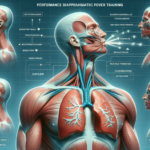 Reading Time: 8 minutesIntroduction Breathing is an often-overlooked component of athletic performance. While strength, endurance, and skill development dominate training programs, the mechanics and efficiency of breathing fundamentally dictate oxygen delivery, energy production, and recovery capacity. The diaphragm, the primary respiratory muscle, plays a pivotal role in both ventilation and core stabilization, influencing […]
 - Bar Speed Training: Velocity-Based Programming for Strength Athletes
 Reading Time: 9 minutesIntroduction Strength training has traditionally relied on percentage-based programming, prescribing loads as a percentage of one-repetition maximum (1RM). While effective, this approach does not fully account for daily fluctuations in readiness, fatigue, or neuromuscular efficiency. In contrast, velocity-based training (VBT) offers a dynamic, evidence-based method to optimize strength, power, and […]
 - Mobility vs. Stability: What Your Joints Actually Need
 Reading Time: 9 minutesIntroduction Healthy joints serve as the cornerstone of functional movement, athletic performance, and long-term musculoskeletal resilience. They allow individuals to perform daily tasks, engage in sports, and execute strength and conditioning exercises safely and efficiently. Despite their critical role, the concepts of mobility and stability—two pillars of joint health—are often […]
 - Blood Flow Restriction Training: When and How to Use It Safely
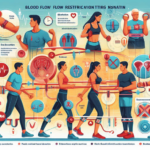 Reading Time: 10 minutes1. Introduction: Blood Flow Restriction (BFR) training—also referred to as occlusion training or KAATSU training—has rapidly evolved from a relatively obscure, experimental technique into a widely recognized and highly utilized strategy across multiple fields, including bodybuilding, clinical rehabilitation, military conditioning programs, elite athletic performance, and the health and wellness management […]
 - Stress, Cortical & Fitness Regression: How Mental State Changes Performance
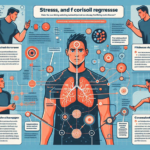 Reading Time: 8 minutesIntroduction Stress is an unavoidable aspect of modern life, influencing nearly every dimension of human health. In the context of fitness and performance, its effects are profound. While traditional training paradigms emphasize progressive overload, nutrition, and recovery, research increasingly highlights the role of mental state—particularly stress—as a critical factor that […]
 - Climate Change & Outdoor Training Risks: A Comprehensive Science-Driven Guide for Modern Athletes
 Reading Time: 7 minutesIntroduction Over the past decade, climate change has evolved from a distant ecological issue into a central performance variable that directly shapes how athletes train, recover, and compete outdoors. The traditional coaching toolkit—once focused almost exclusively on per iodization, workload management, and recovery planning—now requires the integration of environmental intelligence. […]
 - Endurance Nutrition: Glycogen Loading for Modern Athletes
 Reading Time: 7 minutesIntroduction: Among all the variables that influence endurance performance — Lomax, lactate threshold, mitochondrial density, hydration, thermoregulation, and neuromuscular efficiency — glycogen availability remains one of the most powerful, limiting, and performance-shaping factors. Regardless of how technologically advanced endurance sport has become, the physiology of sustained energy production still depends […]
 - Per iodized Cardio: Structuring Conditioning without Killing Strength
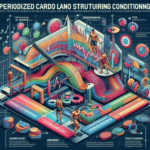 Reading Time: 8 minutesIntroduction Strength athletes—whether they are power lifters chasing maximal force production, bodybuilders refining hypertrophy and aesthetics, Olympic weightlifters optimizing rate of force development, strongman competitors preparing for sustained, unconventional work, or modern hybrid athletes blending strength and conditioning—have long viewed cardiovascular training with suspicion. For decades, the “interference effect” shaped […]
 - Food Advertising & Reward Pathways: Neuromarketing of Junk Food
 Reading Time: 10 minutesIntroduction In the modern food landscape, most eating behavior is no longer driven by hunger alone. It is driven by cues — visual, auditory, emotional, social, and neurological. While athletes, clinicians, and nutrition professionals have long understood that macronutrients, hormones, and metabolism shape appetite, a less appreciated fact is that […]
 - High-Stress Women & Cortical Weight Gain: A Mechanistic Review
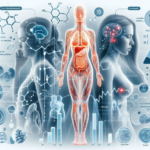 Reading Time: 8 minutesIntroduction In modern society, women experience psychological, social, and physiological stressors at rates that rival or exceed those observed in clinical populations. From caregiver responsibilities to workplace demands, relational pressures, hormonal fluctuations, and sleep disruption, stress is no longer an episodic event but a daily metabolic state for many women. […]
 - HMB for Muscle Retention during Dieting: A Professional Mechanistic Review
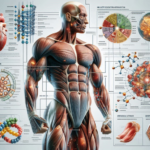 Reading Time: 7 minutesIntroduction Dieting places the body in a profound physiological paradox: while energy intake falls, the organism must simultaneously defend the tissues required for movement, survival, and metabolic regulation. Evolutionary biology explains this conflict clearly. When calories drop, the body interprets the state as potential starvation, and in response it conserves […]
 - Meal Timing for Metabolic Stability: Circadian Biology Meets Nutrition
 Reading Time: 8 minutesIntroduction For decades, nutrition science emphasized what people ate—macronutrients, micronutrients, glycolic index, caloric balance, food quality. But modern metabolic research has revealed a paradigm shift: the timing of food intake exerts profound impact on energy regulation, hormonal balance, sleep quality, fat oxidation, glucose tolerance, inflammation, mitochondrial function, and long-term metabolic […]
 - How Phonotype Influences Metabolic Rate, Hunger, and Training Response
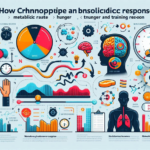 Reading Time: 8 minutesIntroduction Every human body operates on an intricate internal timing system known as the circadian rhythm, a roughly 24-hour cycle regulating nearly all physiological, hormonal, and behavioral processes. Embedded within this broader rhythm is an individualized blueprint—your phonotype—which dictates the natural timing of alertness, hunger, energy expenditure, cognitive performance, and […]
 - Gut Health and Micro biome Diversity: Linking Diet to Immunity and Mood
 Reading Time: 8 minutesIntroduction The human gut micro biome, comprising trillions of microorganisms including bacteria, viruses, fungi, and archaic, has emerged as a central determinant of human health and disease. Far beyond its traditional role in digestion and nutrient absorption, the micro biome functions as a complex and dynamic interface between dietary intake, […]
 - Low-Glycolic Eating for Stable Energy and Hormonal Balance
 Reading Time: 7 minutesIntroduction Stable energy levels and hormonal balance are critical for physical performance, cognitive function, mood regulation, and long-term metabolic health. Dietary choices profoundly influence both these domains, with the glycolic impact of foods being a central determinant. The glycolic index (GI) measures how quickly carbohydrate-containing foods elevate blood glucose levels, […]
 - Optimizing Macronutrient Ratios for Energy and Mental Clarity
 Reading Time: 8 minutesIntroduction Macronutrients—carbohydrates, proteins, and fats—are the primary sources of energy for the human body. Beyond their caloric contributions, the quality, timing, and ratio of macronutrient intake profoundly influence metabolic efficiency, cognitive performance, hormonal balance, and mood stability. Modern research in nutrition, neurobiology, and sports science increasingly highlights that optimizing macronutrient […]
 - Blood Flow Restriction Training: Mechanisms, Benefits, and Safety Considerations
 Reading Time: 8 minutesBlood Flow Restriction Training (BFR)—also known as occlusion training, KAATSU training, or ischemic resistance training—has evolved from a niche Japanese method in the 1960s into one of the most studied and widely applied training modalities in modern strength science. Its accelerated rise in rehabilitation settings, professional sports, military conditioning, and […]
 - Gluten-Free Diets: Performance, Energy, and Nutrient Considerations
 Reading Time: 7 minutesIntroduction Gluten-free diets (GFDs) have transitioned from a strict medical necessity for individuals with celiac disease to a mainstream nutritional strategy increasingly adopted by athletes, fitness enthusiasts, and health-conscious individuals. Celiac disease, an autoimmune condition affecting roughly 1% of the global population, requires rigorous gluten avoidance to prevent intestinal villa […]
 - Managing Histamine Intolerance through Personalized Nutrition
 Reading Time: 8 minutesIntroduction Histamine intolerance (HIT) has emerged as an increasingly recognized and clinically relevant condition that impacts multiple physiological systems, including gastrointestinal, dermatological, respiratory, and neurological pathways. Unlike classic food allergies, which are primarily Age-mediated, HIT arises from a disruption in histamine metabolism, often linked to reduced activity of the demine […]
 - Per iodized Training Strategies for Optimal Strength and Endurance
 Reading Time: 7 minutesIntroduction Per iodized training is more than a programming method—it is a physiological framework that aligns training demands with the body’s inherent cycles of fatigue, recovery, and super compensation. Instead of relying on constant overload, which quickly leads to diminishing returns and heightened injury risk, per iodization uses structured variation […]
 - Smart Use of Wearable Technology to Optimize Training and Lifestyle
 Reading Time: 8 minutesIntroduction Wearable technology has rapidly evolved from simple step counters to advanced biometric ecosystems capable of capturing thousands of physiological markers in real time. These devices—ranging from heart rate monitors, GPS trackers, and sleep rings to HRV sensors, continuous glucose monitors (CGMs), and smart clothing—offer unprecedented insight into how the […]
 - Gut-Brain Axis: Functional Foods to Support Mental and Digestive Health
 Reading Time: 7 minutesIntroduction The gut-brain axis represents a bidirectional communication system connecting the gastrointestinal tract and the central nervous system (CNS). It encompasses neuronal, hormonal, immune, and microbial pathways that collectively influence mood, cognition, stress response, and digestive function. Emerging research highlights the critical role of the intestinal micro biome, a diverse […]
 - Strategic Use of Caffeine: Performance, Timing, and Health Considerations
 Reading Time: 7 minutesIntroduction Caffeine is the most widely consumed psychoactive substance in the world and one of the most extensively researched cryogenic aids in sports nutrition and cognitive science. Found naturally in coffee, tea, cacao, Guarani, yerba mate, and kola nut—and added synthetically to energy drinks, supplements, and medications—caffeine occupies a unique […]
 - How to Avoid Muscle Loss While Cutting Calories
 Reading Time: 7 minutesIntroduction Cutting calories—whether for fat loss, improved health or athletic performance—comes with a common and frustrating concern: muscle loss. Many people begin a calorie deficit with enthusiasm, only to discover weeks later that they feel weaker, flatter, and less athletic. The scale may go down, but strength, performance, and physique […]
 - Nutrition Tailored Workouts for Fat Loss
 Reading Time: 8 minutesIntroduction: Where Fat Loss Programs Go Wrong Fat loss is often approached from two disconnected angles: diet plans on one side and workout programs on the other. Nutrition is reduced to calorie numbers, while training is reduced to calories burned. Although these approaches can work independently in the short term, […]
 - Tabatha Training: Short Workouts, Big Results
 Reading Time: 7 minutesIntroduction Tabatha training has earned a powerful reputation in the fitness world for delivering remarkable physiological adaptations in a remarkably short amount of time. Originally developed within elite athletic settings, Tabatha has since moved into mainstream fitness, rehabilitation-adjacent conditioning, military preparation, and busy professional lifestyles. Its appeal lies in a […]
 - Weightlifting for Women: Myth-Busting Common Misconceptions
 Reading Time: 8 minutesIntroduction For decades, weightlifting has been surrounded by persistent myths that have disproportionately discouraged women from engaging in one of the most effective and scientifically supported forms of exercise. Cultural stereotypes, outdated fitness marketing, and widespread misinformation have portrayed resistance training as unfeminine, unsafe, or unnecessary for women. These narratives […]
 - Foam Rolling for Faster Recovery
 Reading Time: 8 minutesIntroduction Foam rolling has evolved from a niche practice used primarily by endurance athletes into a mainstream recovery strategy embraced by strength athletes, team sport players, rehabilitation professionals, and recreational exercisers alike. Often grouped under the umbrella of self-myofascial release (SMR), foam rolling is promoted as a simple, low-cost, and […]
 - Home Workouts without Equipment That Actually Work
 Reading Time: 7 minutesIntroduction Home workouts without equipment have evolved from being perceived as a last-resort option into a legitimate, evidence-based training approach capable of delivering meaningful improvements in strength, cardiovascular fitness, mobility, body composition, and mental resilience. Advances in exercise science have clarified that external load is only one of many variables […]
 - Minimalist Workouts for Busy Professionals
 Reading Time: 7 minutesIntroduction In today’s fast-paced world, time has become one of the scarcest resources, particularly for working professionals. Long office hours, commuting, family obligations, constant digital connectivity, and chronic mental stress often leave little room for structured exercise. As a result, health and fitness are frequently pushed to the bottom of […]
 - Rest and Recovery for Optimal Muscle Growth
 Reading Time: 7 minutesIntroduction In strength training and physique development, effort is often glorified while recovery is vastly underestimated. Many athletes and fitness enthusiasts operate under the assumption that more training automatically equates to more muscle, leading to frequent overtraining and burnout. However, contemporary exercise physiology and sports science unequivocally demonstrate that muscle […]
 - Kettle bell Workouts for Full Body Strength
 Reading Time: 7 minutesIntroduction Kettle bell training has undergone a remarkable evolution over the past several decades, transforming from a niche, traditional strength practice into a globally respected system for developing full body strength, power, endurance, and resilience. Its unique design—a compact, cannonball-shaped weight with a handle—allows for a wide range of dynamic […]
 - Resistance Bands for Strength, Mobility, and Conditioning
 Reading Time: 7 minutesIntroduction Resistance bands have evolved from simple rehabilitation tools into a cornerstone of modern strength, mobility, and conditioning systems. Once confined primarily to clinical settings, bands are now widely used by strength coaches, physical therapists, elite athletes, military units, and fitness professionals worldwide. Their rise is not accidental. Resistance bands […]
 - Time Under Tension: Maximize Muscle Gains
 Reading Time: 7 minutesIntroduction Muscle growth is not simply a function of lifting heavier weights or performing more repetitions; it is the result of a sophisticated interplay between mechanical stress, metabolic demand, hormonal responses, and recovery mechanisms. Traditional weightlifting programs often emphasize metrics that are easy to quantify—sets, repetitions, and absolute load—but these […]
 - Top Exercises for Chest, Back, Legs, and Arms: The Complete Guide to Strength, Growth, and Functionality
 Reading Time: 7 minutesIntroduction Building a strong, functional, and aesthetically balanced body is far more than simply lifting weights or spending hours in the gym; it requires strategic planning, precise exercise selection, and a deep understanding of human biomechanics. The foundation of effective resistance training lies in targeting all major muscle groups—primarily the […]
 - Combining Yoga and Strength Training for Overall Health
 Reading Time: 8 minutesIntroduction In modern fitness culture, training methods are often presented as opposing philosophies rather than complementary tools. Strength training is typically framed as the domain of power, hypertrophy, and athletic performance, while yoga is frequently categorized as a flexibility-based or recovery-oriented practice with primarily mental or restorative benefits. This artificial […]
 - Functional Fitness for Daily Life and Aging Well
 Reading Time: 7 minutesIntroduction Functional fitness is not a trend; it is a return to purpose-driven movement that reflects how the human body was designed to function across a lifetime. Unlike training models that prioritize appearance or sport-specific performance in isolation, functional fitness prepares individuals for the physical realities of daily life—lifting groceries, […]
 - Metabolic Flexibility Rebuilt: How to Train the Body to Switch between Crabs and Fats Efficiently
 Reading Time: 6 minutes1. Introduction Metabolic flexibility represents the body’s ability to switch seamlessly between carbohydrates and fats as fuel depending on physiological demands, energy availability, and activity level. In an ideal metabolic state, the human body behaves like a hybrid engine—using glucose during high-intensity efforts or post-meal states and shifting toward fat […]
 - The “Thrifty Gene” in Modern Life: Evolutionary Mismatch Driving Weight Gain Today
 Reading Time: 8 minutesIntroduction For most of human history, survival depended on the ability to efficiently store energy during times of food abundance to survive periods of scarcity. This biological imperative gave rise to what researchers have termed the “thrifty gene” hypothesis—a concept first articulated by geneticist James Neel in 1962. The theory […]
 - The Hormonal Thermostat: Lepton, Gherkin & Insulin Cycles That Determine Weight Set-Point
 Reading Time: 9 minutesIntroduction Across decades of clinical and experimental research on dieting and weight regulation, one consistent and striking observation has emerged: even after significant weight loss, the human body actively attempts to return to its previous weight. This phenomenon, known as the weight set-point, reflects the body’s innate drive to maintain […]
 - The Longevity–Body Composition Link: Why Lean Mass Predicts Lifespan More Than Weight or BMI
 Reading Time: 8 minutesIntroduction Over the past two decades, the field of longevity science has undergone a paradigm shift, moving away from a sole reliance on traditional metrics such as body weight or body mass index (BMI) and instead placing greater emphasis on body composition, particularly lean mass. Lean mass, which encompasses skeletal […]
 - Bioenergetics Nutrition: Designing Meals That Maximize ATP Production and Reduce Fatigue
 Reading Time: 6 minutesINTRODUCTION Fatigue is not simply a matter of feeling “tired” or lacking motivation; it is a precise biochemical signal indicating that the body’s cellular energy systems are underperforming. At its core, fatigue reflects impaired mitochondrial function, where the organelles responsible for producing adenosine triphosphate (ATP)—the universal energy currency of the […]
 - Brown Fat Activation: Cold Therapy, Spices, and Nutrition to Boost Thermo genesis
 Reading Time: 8 minutesIntroduction Metabolic research over the last decade has radically reframed how we understand body weight regulation, energy expenditure, and thermo genesis. Once believed to be relevant only in infants, brown adipose tissue (BAT) is now recognized as a metabolically active organ present in adults, capable of burning calories at a […]
 - Cognitive Load, Decision Fatigue & Why People Overeat at Night
 Reading Time: 7 minutesINTRODUCTION Across cultures, demographics, and dietary styles, one pattern remains remarkably consistent: people overeat more in the evening than at any other time of day. This pattern persists even among individuals who begin their morning with discipline, structure, and strong dietary intentions. It is not a reflection of personality flaws, […]
 - Metabolic Typing: Does Your Genetics Decide Your Ideal Diet Structure
 Reading Time: 8 minutesIntroduction Metabolic typing sits at the crossroads of nutrigenomics, endocrinology, and systems-biology nutrition. For decades, people have noticed that two individuals can follow the exact same diet yet experience profoundly different outcomes in weight, energy, inflammation, and metabolic stability. One person thrives on a low-crab plan while another becomes fatigued, […]
 - Cortical Weight Physiology: Chronic Stress as a Hidden Driver of Belly Fat
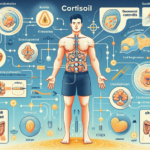 Reading Time: 8 minutesIntroduction In modern metabolic physiology, one of the most insidious yet often overlooked drivers of central adiposity is chronic stress. While caloric imbalance, sedentary behavior, and genetics are traditionally emphasized in discussions of weight gain, mounting evidence demonstrates that the stress hormone cortical plays a pivotal role in fat distribution, […]
 - Reproductive Hormones and Weight: Estrogen, Progesterone & Testosterone Interactions
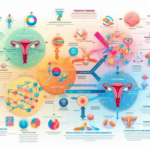 Reading Time: 7 minutesIntroduction Body weight regulation is a complex, multifactorial process influenced by genetic, environmental, behavioral, and hormonal factors. Among these, reproductive hormones—including estrogen, progesterone, and testosterone—play pivotal roles in modulating body composition, appetite, energy expenditure, fat distribution, and metabolic homeostasis. The interactions of these hormones create a dynamic physiological landscape in […]
 - Robotic Strains Clinically Tested for Weight Loss
 Reading Time: 7 minutesINTRODUCTION Obesity and overweight are complex, multifactorial conditions that extend far beyond simple caloric imbalance. While excess energy intake relative to expenditure remains a central driver, emerging research highlights the intricate interplay between genetics, diet composition, hormonal signaling, and gut micro biota in determining susceptibility to weight gain, fat distribution, […]
 - The “Second-Meal Effect”: Micro biome Timing Strategies for Appetite Control
 Reading Time: 7 minutesIntroduction The human digestive system operates as an intricate, finely tuned orchestra, where each component—from enzymatic secretions and nutrient transporters to hormone signaling and gut microbial activity—performs in precise coordination to optimize energy extraction, nutrient assimilation, and metabolic regulation. Within this dynamic system, one phenomenon has emerged as particularly influential […]
 - Eating Aligned to Chronotypes: Morning Larks vs. Night Owls
 Reading Time: 8 minutes1. Introduction Human metabolism is not a constant, steady-state phenomenon. It oscillates across a 24-hour cycle driven by internal clocks that coordinate hormones, digestive enzymes, glucose tolerance, lipid oxidation, mitochondrial output, thermo genesis, and appetite signals. At the heart of these oscillations lies the phonotype, the biological preference for when […]
 - Meal Prep Psychology: Systems That Reduce Unplanned Eating
 Reading Time: 8 minutesIntroduction Unplanned eating often referred to as “mindless” or “impulsive” eating, represents a significant barrier to achieving nutritional goals, whether for weight management, metabolic health, or performance optimization. Despite growing awareness about the importance of structured meals, many individuals still struggle to adhere to planned eating patterns due to emotional […]
 - Stress-Reduction Routines for Better Appetite Control
 Reading Time: 8 minutesIntroduction In today’s fast-paced, high-pressure society, chronic stress has become a pervasive and often unavoidable component of daily life, affecting millions worldwide. Its impact extends far beyond transient feelings of anxiety or tension, exerting profound effects on both physical and mental health. Among the most noticeable and clinically significant manifestations […]
 - The Weekend Effect: Why People Gain Weight Over Weekends and Lose It during Weekdays
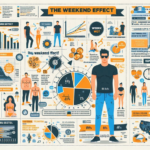 Reading Time: 8 minutes1. Introduction The “weekend effect” refers to a widely observed pattern in which individuals tend to experience weight gain, increased caloric intake, or transient unfavorable metabolic changes during weekends, even when adhering to structured and health-conscious routines during weekdays. This apparent paradox is increasingly recognized in both clinical and behavioral […]
 - Inflammatory Obesity Phenotype vs. Metabolically Healthy Obesity
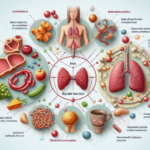 Reading Time: 8 minutesIntroduction Obesity is traditionally viewed as a homogeneous condition characterized by excess adiposity, systemic metabolic disruption, and a heightened risk for chronic diseases. However, advances in metabolic medicine, adipose-tissue biology, immunology, and endocrine research have revealed that obesity is not a single uniform phenotype. Instead, at least two major biological […]
 - The Iron–Thyroid–Metabolism Triad: How Deficiency Affects Weight
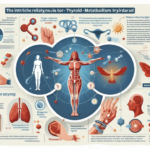 Reading Time: 10 minutesIntroduction Metabolism is often described as a simple equation of calories in, calories out. In reality, human energy balance is governed by an intricate biochemical network in which micronutrients, hormones, enzymatic pathways, and cellular energetic interact continuously. Among these complex systems, few relationships are as powerful—or as clinically underestimated—as the […]
 - Dopamine Appetite Circuits: Food Reward, Addiction, and Rewiring Cravings
 Reading Time: 12 minutesIntroduction In the modern nutritional landscape, appetite is shaped not only by metabolic need but by the neurobiology of reward, particularly the intricate dopamine circuits that govern motivation, learning, and hedonic eating. Humans evolved reward-driven feeding systems to seek high-energy foods in scarce environments; today, those same circuits are over […]
 - Lipid Droplet Biology: Understanding How Fat Cells Store and Release Energy
 Reading Time: 13 minutes1. Introduction Lipid droplets (LDs) were once viewed as inert blobs of stored fat—simple depots of excess calories kept on standby for future energy needs. However, modern cellular biology has radically transformed this outdated view. Today, lipid droplets are recognized as dynamic, metabolically active organelles central to energy homeostasis, hormonal […]
 - Sensory-Specific Satiety: Using Flavor Rotation to Avoid Overeating
 Reading Time: 8 minutesIntroduction Human appetite is not governed solely by hunger. Instead, it is orchestrated by a complex petrochemical and sensory system that monitors variety, novelty, flavor intensity, and nutrient expectations. One of the most under-recognized forces shaping eating behavior is sensory-specific satiety (SSS)—the decline in pleasure and desire for a particular […]
 - The Willpower Myth: Why Weight Management Is Petrochemical, Not Mental Strength
 Reading Time: 7 minutesIntroduction For decades, conventional wisdom and mainstream culture have framed weight management as a straightforward test of willpower. Popular diet books, commercial weight-loss programs, and media narratives frequently portray success as a matter of discipline, restraint, and personal virtue. This message, repeated over years, conditions many people to believe that […]
 - Continuous Glucose Monitoring for Weight Management: A Data-Driven Approach
 Reading Time: 10 minutesIntroduction Weight management is influenced by a complex interplay of genetics, hormonal regulation, lifestyle behaviors, and metabolic health. Central to this interplay is glucose homeostasis, which regulates energy availability, appetite, and adiposity. Traditional approaches to weight management have relied on generalized dietary prescriptions, caloric tracking, and periodic laboratory assessments of […]
 - Functional Spices in Weight Loss: Capsaicin, Gingerly, Pipeline & More
 Reading Time: 8 minutesIntroduction Weight management is a multifactorial challenge influenced by genetics, diet quality, lifestyle habits, hormonal signaling, and the intricate balance between energy intake and expenditure. While calorie restriction and exercise remain foundational pillars, growing research highlights the potential of functional spices as natural metabolic modulators that can complement conventional strategies. […]
 - Hydration Physiology: How Fluid Intake Impacts Appetite & Fatigue Eating
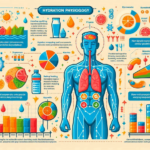 Reading Time: 7 minutesIntroduction Water is not merely a passive component of human physiology; it is a central mediator of metabolism, appetite regulation, and energy homeostasis. The body’s fluid balance influences a myriad of physiological processes, including nutrient transport, thermoregulation, cellular signaling, and hormonal modulation. Suboptimal hydration can contribute to misregulated appetite, increased […]
 - Smart Carbohydrates: Resistant Starch, Periodic Crabs, and Slow-Release Grains
 Reading Time: 8 minutesIntroduction Carbohydrates are often perceived simplistically as “good” or “bad,” yet emerging research highlights the nuanced roles of different carbohydrate types in human metabolism. While refined, high-glycolic carbohydrates are associated with rapid glucose excursions, insulin surges, and increased adiposity, certain carbohydrates—such as resistant starches, periodic fibers, and slow-release grains—offer profound […]
 - Managing Weight in Thyroid Disorders: Tailored Nutrition & Hormonal Support
 Reading Time: 7 minutesIntroduction The thyroid gland plays a pivotal role in regulating metabolic rate, energy expenditure, and systemic metabolic homeostasis, functioning as a master controller of how the body processes nutrients, generates energy, and maintains temperature. Its primary hormones, thyroxin (T4) and triiodothyronine (T3) exert profound effects at the cellular level, modulating […]
 - Globalization of Ultra-Processed Diets: Impact on Developing Nations
 Reading Time: 10 minutes1. Introduction The globalization of ultra-processed foods represents one of the most profound dietary transformations of the 21st century. Ultra-processed foods—characterized by high levels of added sugars, refined starches, unhealthy fats, flavor enhancers, and additives—have rapidly infiltrated developing nations, altering traditional diets, health outcomes, and cultural food practices. These foods […]
 - Weight Loss after Pregnancy: Hormones, Sleep Deprivation & Metabolic Restoration
 Reading Time: 9 minutes1. Introduction The postpartum period is a time of profound physiological, metabolic, and psychological change. While childbirth represents the culmination of a remarkable biological process, it also marks the beginning of a critical phase of metabolic restoration for mothers. Weight loss after pregnancy is frequently framed in popular media and […]
 - The Heart of the City: How Mosque-Centered Urban Planning Fosters Holistic Wellbeing
 Reading Time: 7 minutesIn an age dominated by secular urban paradigms prioritizing efficiency, commercial zones, and isolated residential blocks, a profound model of community design offers an alternative centered on human flourishing: the Islamic mosque-centered urban form. Rooted in divine revelation, Prophetic tradition, and centuries of empirical practice, this model transcends the mere […]
 - Digital Decluttering: An Islamic Approach to Information Diet
 Reading Time: 8 minutesIn an age characterized by an overwhelming deluge of digital information, individuals across cultures and faiths grapple with the psychological, social, and spiritual consequences of constant connectivity. This article proposes that Islamic teachings, derived from the Quran and the Sunnah, provide a profound and timeless framework for managing one’s “information […]
 - Islamic Geometry and Sacred Art as Visual Therapy for a Restless Mind
 Reading Time: 7 minutesIn an age characterized by digital saturation, cognitive overload, and existential anxiety, the human mind increasingly resembles a turbulent sea, seeking a harbor of calm and coherence. Within this search for mental repose, an ancient visual tradition offers a profound and unexpected therapeutic modality: the sacred art and geometric design […]
 - The Prohibition of Images in Private Spaces and the Pursuit of Mental Clarity
 Reading Time: 8 minutesThis article explores the psychological and philosophical implications of voluntarily prohibiting representational images within one’s private living spaces as a modern practice aimed at cultivating mental clarity. Moving beyond historical or religious iconoclasm, it investigates the cognitive load imposed by a visually saturated environment and posits that an imageless domestic […]
 - The Barakah of Natural Spaces: The Sunnah of Seeking Solace in Mountains and Gardens
 Reading Time: 8 minutesIntroduction In an age characterized by digital saturation, urban sprawl, and relentless noise, the human spirit yearns for respite. For Muslims, this search for tranquility is not merely a contemporary wellness trend but is deeply embedded in the prophetic tradition. The Sunnah of Prophet Muhammad (peace be upon him) provides […]
 - Nasheeds and Spiritual Music: Their Regulating Effect on Emotion
 Reading Time: 7 minutesIn an age characterized by widespread psychological distress and emotional turbulence, individuals across cultures are seeking tools for emotional regulation. Among these tools, spiritual music—specifically the Islamic tradition of nasheeds—has emerged as a significant, yet often understudied, medium for cultivating emotional balance, psychological resilience, and spiritual well-being. This article provides […]
 - Nutrient Timing for Muscle Preservation during Weight Loss
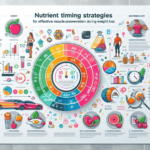 Reading Time: 7 minutesIntroduction Weight loss is often pursued to improve body composition, health, or athletic performance. However, an unintended consequence of energy restriction is the loss of lean muscle mass, which can compromise metabolic rate, strength, functional capacity, and long-term weight management. Muscle preservation during caloric restriction is therefore a central goal […]
 - Recovery-Based Fat Loss: Sleep Cycles, HRV, and Metabolic Repair
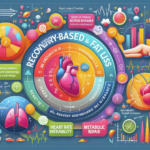 Reading Time: 11 minutes1. Introduction Fat loss is often framed as a simple equation of calories consumed versus calories expended, yet this reductionist approach fails to capture the complex physiological, neuroendocrine, and behavioral factors that govern metabolic efficiency. Emerging research emphasizes that recovery—particularly sleeps quality, circadian rhythm alignment, and autonomic nervous system balance—is […]
 - The Creative–Metabolism Connection: Surprising Research for Weight Control
 Reading Time: 7 minutesIntroduction Creative, a naturally occurring compound synthesized in the liver, kidneys, and pancreas, has long been recognized for its role in high-intensity exercise performance. Traditionally associated with strength training and athletic performance, recent research reveals that creative exerts broader metabolic effects with potential implications for weight control, body composition, and […]
 - Economic Stress & Weight: How Financial Pressure Alters Cortical and Eating
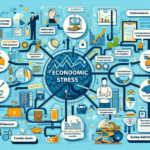 Reading Time: 8 minutesIntroduction Economic stress is not merely a situational inconvenience or temporary discomfort—it represents a chronic, multidimensional stressor with profound implications for metabolism, eating behavior, and long-term health outcomes. Unlike acute stress, which can be adaptive and transient, chronic financial pressure exerts a sustained physiological burden on the body. Repeated activation […]
 - Healthy Weight Gain for Underweight Individuals: Nutrient-Dense Strategies
 Reading Time: 9 minutesIntroduction When conversations around body weight emerge, the focus usually tilts toward weight loss. Yet for millions worldwide, the challenge is the opposite: gaining weight in a healthy, sustainable, metabolic-supportive way. Underweight individuals—whether due to genetics, high activity levels, chronic stress, hyper metabolism, illness, gut dysfunction, or appetite deregulation—often face […]
 - Middle-Aged Metabolism: Why Fat Loss Is Harder After 35
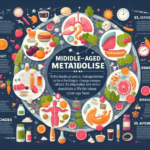 Reading Time: 7 minutesIntroduction For many adults, something almost universal happens in the mid-30s:Weight becomes easier to gain, harder to lose, and stubborn belly fat seems to appear with no major dietary changes. People begin noticing formerly effortless strategies—skipping a meal, walking more, eating “healthily”—no longer work. This shift is not imagined, nor […]
 - Obesity in Children: Environment, Developmental Biology & Long-Term Prevention
 Reading Time: 8 minutesIntroduction Childhood obesity is not merely the presence of excess fat tissue—it represents a lifelong metabolic trajectory shaped by the continuous interplay of genetics, epigenetic, prenatal exposures, early-life nutrition, environmental pressure, and the psychosocial context in which a child grows. Unlike adults, whose metabolic pathways are relatively stable, children experience […]
 - Barrier-First Dermatology: Strategies for Eczema, Resaca & Chronic Sensitivity
 Reading Time: 8 minutesIntroduction: From Reactive Skin to Resilient Skin Ecology Modern dermatology has evolved from symptom suppression to biological restoration, reshaping how clinicians and formulators approach chronic inflammatory skin conditions. Where once the focus was on reducing redness, itch, or flares through temporary relief strategies — primarily corticosteroids, antibiotics, or antihistamines — […]
 - Stress-Related Infertility and Ovulatory Dysfunction
 Reading Time: 13 minutesIntroduction The journey to conception is a complex physiological process that depends on the precise orchestration of hormonal signals, timely cellular events, and a receptive reproductive environment. For a significant number of individuals, particularly women, this process is fraught with challenges, with infertility affecting millions globally. While etiologies are diverse—encompassing […]
 - Stress and Thyroid Dysfunction in Women
 Reading Time: 13 minutesIntroduction The human body is a complex, interconnected system where the delicate balance of one physiological process can profoundly influence another. Among the most critical yet vulnerable of these systems is the endocrine system, a network of glands that secretes hormones responsible for regulating metabolism, growth, mood, and reproduction. Within […]
 - Stress and Early Onset of Menopause Symptoms
 Reading Time: 11 minutesIntroduction The female reproductive lifespan is a complex biological process governed by a delicate interplay of genetic, environmental, and lifestyle factors. Menopause, defined as the permanent cessation of menstruation following the loss of ovarian follicular activity, is a natural transition, with the average age of onset in Western countries being […]
 - Disruption of the Hypothalamic-Pituitary-Adrenal Axis in Women
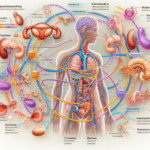 Reading Time: 12 minutesIntroduction The human stress response is an exquisitely orchestrated neuroendocrine symphony, essential for survival. At its core lies the hypothalamic-pituitary-adrenal (HPA) axis, a critical signaling cascade that begins with the secretion of corticotropin-releasing hormone (CRH) from the hypothalamus, stimulating the pituitary gland to release adrenocorticotropic hormone (ACTH), which in turn […]
 - Stress-Related Premenstrual Disorders (PMS & PMDD)
 Reading Time: 10 minutesIntroduction The luteal phase of the menstrual cycle, the two-week period following ovulation and preceding menstruation, is for many women a time of predictable and recurrent physical, emotional, and cognitive changes. For a significant subset, these changes escalate beyond mild, manageable symptoms into a constellation of distressing experiences that significantly […]
 - Stress-Induced Migraines and Tension Headaches in Women
 Reading Time: 12 minutesIntroduction Headache disorders represent one of the most prevalent and disabling neurological conditions worldwide, with migraine and tension-type headache (TTH) standing as the two primary forms. For women, these are not merely common ailments but profound health burdens that disproportionately shape their quality of life, economic productivity, and social functioning. […]
 - Stress and Polycystic Ovary Syndrome (PCOS) Severity
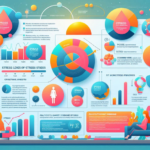 Reading Time: 11 minutesIntroduction Polycystic Ovary Syndrome (PCOS) is one of the most prevalent endocrine disorders affecting individuals assigned female at birth, with a global prevalence estimated between 6% and 20%, depending on diagnostic criteria. Characterized by a triad of hyperandrogenism, ovulatory dysfunction, and polycystic ovarian morphology, PCOS is far more than a […]
 - Muscle Tension Disorders and Stress-Related Postural Pain in Women
 Reading Time: 12 minutesIntroduction The human body is a remarkable system of biomechanical precision and resilience, yet it remains profoundly susceptible to the invisible forces of the mind and emotion. Among the most common yet often misunderstood manifestations of this mind-body connection are muscle tension disorders and stress-related postural pain, conditions that disproportionately […]
 - Stress-Induced Fatigue Syndrome in Women
 Reading Time: 11 minutesIntroduction In the intricate tapestry of modern life, the phenomenon of chronic exhaustion has become a pervasive companion for many, particularly among women. While fatigue is a common human experience, a specific, profound, and persistent form of depletion is increasingly recognized not merely as a symptom but as a distinct […]
 - Stress-Related Skin Conditions (Acne, Eczema, Psoriasis) in Women
 Reading Time: 9 minutesIntroduction The intricate and bidirectional connection between the mind and the skin, often termed the “brain-skin axis,” forms a critical framework for understanding a significant subset of dermatological conditions. For women, this relationship is navigated within a complex landscape of biological, psychological, and sociocultural factors that uniquely influence both stress […]
 - Stress and Inflammatory Responses in Women’s Bodies
 Reading Time: 10 minutesIntroduction The intricate interplay between psychological stress and physiological inflammatory responses represents a critical axis in human health, with profound and often distinct implications for women. While inflammation is a fundamental and protective immune response to injury or pathogen invasion, its dysregulation—characterized by chronic, low-grade systemic inflammation—is a recognized cornerstone […]
 - The Silent Siege: Stress-Induced Hypertension and Cardiovascular Risk in Women
 Reading Time: 12 minutesCardiovascular disease (CVD) remains the leading cause of mortality for women globally, a fact that continues to be obscured by outdated perceptions of it as a “man’s disease.” This critical oversight is particularly perilous when examining the pathogenesis of hypertension, a primary and modifiable risk factor for stroke, heart failure, […]
 - Stress-Related Hair Loss (Telogen Effluvium) in WomenReading Time: 12 minutesIntroduction Hair, far more than a mere biological appendage, holds profound psychological, cultural, and social significance, particularly for women. It is intricately tied to identity, femininity, self-esteem, and perceived health. Consequently, hair loss represents not just a dermatological condition but a deeply distressing experience that can significantly impact emotional well-being […]
- Stress as a Trigger for Chronic Pain Syndromes in Women
 Reading Time: 11 minutesIntroduction Chronic pain represents one of the most pervasive, debilitating, and costly public health challenges worldwide, with a profound and disproportionate impact on women. Epidemiological data consistently reveal that women are at a significantly greater risk than men for developing a wide array of chronic pain syndromes, including fibromyalgia, migraine […]
 - Impact of Stress on Immune Suppression and Frequent Illness in Women
 Reading Time: 11 minutesIntroduction The intricate and dynamic relationship between the mind and the immune system, a field of study known as psychoneuroimmunology, reveals a profound truth: our psychological experiences are not confined to the brain but resonate throughout our biological defenses. Chronic psychosocial stress, a pervasive feature of modern life, operates as […]
 - Stress-Induced Lifestyle Disorders Among Urban Women
 Reading Time: 10 minutesStress-induced lifestyle disorders have emerged as a significant public health concern, particularly among women residing in urban environments. The modern metropolitan landscape, characterized by a relentless pace, competitive professional arenas, complex social dynamics, and often overwhelming environmental stimuli, creates a perfect storm of chronic psychological stress. For urban women, this […]
 - Psychosocial Stressors and Their Impact on Women’s Reproductive Health
 Reading Time: 10 minutesIntroduction The intersection of mental and physical well-being is nowhere more profound or complex than in the realm of women’s reproductive health. For decades, medical science has predominantly focused on the biological and hormonal mechanisms governing reproduction, from menarche to menopause. However, a growing and compelling body of evidence now […]
 - Evaluating Stress Management Interventions for Improving Women’s Health
 Reading Time: 12 minutesIntroduction Women’s health, a multifaceted and critical domain of public health, is profoundly and disproportionately impacted by stress. The experience of stress, while a universal human phenomenon, is not gender-neutral. Women navigate a unique constellation of stressors across the lifespan, rooted in biological, psychological, and socio-structural factors. From the hormonal […]
Reading Time: < 1 minute