Introduction
Human appetite is not governed solely by hunger. Instead, it is orchestrated by a complex petrochemical and sensory system that monitors variety, novelty, flavor intensity, and nutrient expectations. One of the most under-recognized forces shaping eating behavior is sensory-specific satiety (SSS)—the decline in pleasure and desire for a particular food as its flavor becomes repetitive, even while overall hunger is still present.
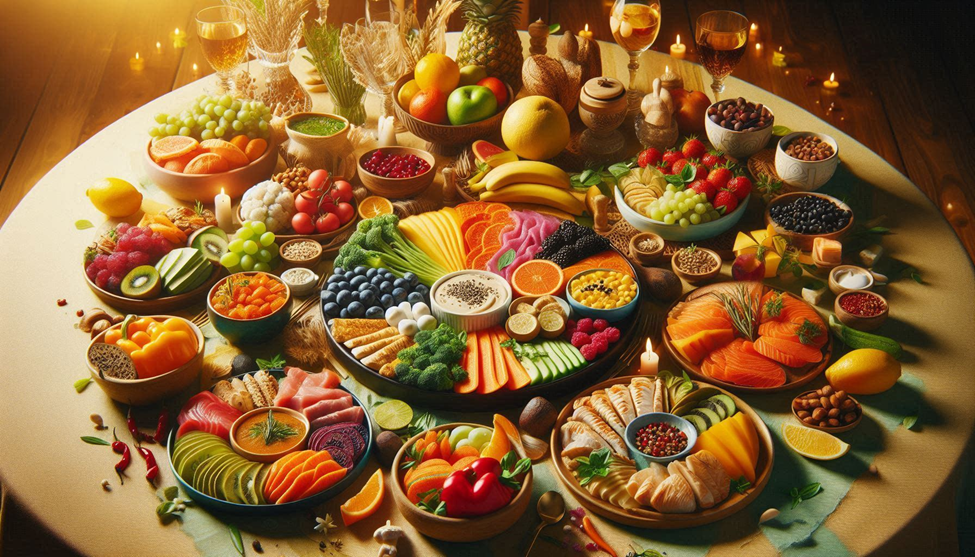
This is why:
- You feel “done” with a savory meal but still want dessert.
- You can eat more chips if the packet has mixed flavors.
- Buffet-style eating leads to higher calorie intake.
- People overeat more when exposed to high-variety, highly palatable foods.
Understanding and strategically using SSS is one of the most powerful—but rarely taught—methods to reduce overeating without relying on willpower? By learning how the brain responds to flavor novelty, aroma complexity, food texture, and nutrient signaling, you can design meals that naturally shut off overeating pathways.
This guide breaks down the neuroscience, the sensory physiology, and the nutrition strategies behind using flavor rotation, controlled novelty, and structured variety to regulate appetite and support long-term weight management.
1. The Science of Sensory-Specific Satiety (SSS)
SSS refers to the meal-specific decline in hedonic pleasure and dopaminergic response as a food’s sensory profile becomes predictable.
1.1 What Actually Happens in the Brain?
The key players are:
● Orbit frontal Cortex (OFC)
The OFC integrates flavor, aroma, texture, temperature, and appearance. When a food is first eaten:
- The OFC shows a high dopamine firing rate.
- Reward neurons anticipate more pleasure.
- Motivation to continue eating remains elevated.
But with each successive bite:
- OFC response weakens.
- Dopamine signaling wanes.
- The specific food becomes less appealing.
This decline is food-specific, not global.
You may stop enjoying your pasta, but your brain is still fully responsive to a sweet, cold, or crunchy food with different sensory signals.
1.2 The Role of Dopamine Habituation
Dopamine is highly sensitive to novelty and contrast.
As sensory redundancy increases:
- Dopamine release per bite decreases.
- Predictability reduces reward anticipation.
- Eating rate naturally slows.
- Satisfaction threshold is reached sooner.
But when a new flavor enters, dopamine resets and pleasure spikes again—this is why people can overeat in multi-course or mixed-platter meals.
1.3 Why Does SSS Exist? Evolutionary Perspective
Humans evolved in environments with nutritional scarcity, not abundance. SSS was adaptive:
- Preventing overconsumption of a single food.
- Encouraging dietary diversity for micronutrient adequacy.
- Protecting against toxicity from overeating one plant or source.
In modern times—where food is engineered for hyper palatability—the same mechanism can lead to chronic overeating.
2. Hyper palatable Foods Break SSS
SSS is naturally protective, but industrial food design undermines it.
2.1 How Food Manufacturers Override Satiety Signals
Many processed foods blend:
- Sweet + salty
- Fat + sugar
- Crunchy + creamy
- Maim + sweet
- Acidic + savory
This multi-sensory layering prevents the brain from habituating.
Examples:
- BBQ potato chips (complex spices + sweet + savory).
- Chocolate with caramel + salt.
- Pizza (fat + maim + crabs + aroma).
- Ice cream with mix-ins.
- Breakfast cereals with coatings and flavors.
- “Sweet chili” or “honey sriracha” snacks.
Each bites offers micro-novelty, inhibiting sensory burnout.
2.2 Food Variety within a Meal Increases Intake
Studies show:
- Adding one extra flavor can increase intake by 10–15%.
- Buffets increase intake by 30–40%.
- Multiple textures increase intake more than flavors alone.
- Snack foods with mixed seasoning increase compulsive eating.
Hyper palatable foods essentially hack SSS, making it harder to stop eating.
3. The Physiology behind SSS: A Deep Dive
To design an eating strategy using SSS, we must understand every sensory channel involved.
3.1 Flavor Is Multi-Dimensional
“Flavor” is not taste alone. It includes:
- Gustatory input: sweet, salty, sour, bitter, maim.
- Aromatics: volatile compounds that drive 80% of flavor perception.
- Trigeminal sensations: heat (chili), cooling (mint), and tingling (carbonation).
- Texture: creamy vs. crunchy vs. chewy.
- Temperature: hot foods reduce novelty faster than cold foods.
- Visual cues: color, plating, portion shape.
Each dimension decays at different rates.
3.2 SSS Timeline: Minute-by-Minute Breakdown
- 0–2 minutes: Maximum dopamine firing, rapid eating.
- 3–7 minutes: Initial habituation to aroma and taste begins.
- 7–14 minutes: Textural habituation begins; eating rate slows.
- 14–20 minutes: Hedonic decline → first satiety signals appear.
- 20+ minutes: Full onset of physiological satiety.
This is why slow eating enhances SSS—it gives the brain time to reach natural sensory shutdown.
4. Using Flavor Rotation Strategically for Appetite Control
Now we get to the practical, professional-level application.
The goal:
Maximize satiety while minimizing unnecessary sensory novelty.
We achieve these using three tools:
- Flavor monotony (within one meal).
- Rotation (across days, not within the same meal).
- Controlled variety (nutritional diversity without hedonic overstimulation).
5. Designing Meals That Naturally Reduce Overeating
Below are science-backed strategies used in appetite research, obesity treatment, and nutrition psychology?
5.1 Strategy 1: Reduce In-Meal Variety
The more consistent the flavor profile, the faster SSS develops.
Examples:
- Salmon + quinoa + broccoli (cohesive maim profile).
- Chicken soup with limited spices (warm, simple flavor).
- Oatmeal with one flavor profile (e.g., only cinnamon).
Avoid:
- Meals with multiple intense sauces.
- Mixed snack plates.
- “Bowl-style” meals with too many components.
5.2 Strategy 2: Texture Uniformity
Chefs know:
More textures = more eating.
Satiety-friendly meals use:
- Mostly soft + warm textures.
- Minimal contrast (e.g., avoid crunchy toppings).
This explains why creamy soups are filling despite low calories.
5.3 Strategy 3: Flavor Rotation between Meals
This prevents boredom without triggering overeating.
Example weekly rotation:
- Monday – lemon herb (acidic/bright)
- Tuesday – curry spices (warm/earthy)
- Wednesday – garlic/ginger (savory sharp)
- Thursday – tomato/oregano (Mediterranean)
- Friday – soy/maim (deep savory)
- Saturday – pepper + citrus
- Sunday – simple salt + herbs
This maintains enjoyment but avoids multi-layered novelty within one meal.
5.4 Strategy 4: Predictable Meals at Core Eating Times
Breakfast and lunch benefit from low novelty because:
- Hunger is higher.
- The body seeks efficiency, not sensory pleasure.
- Predictability reinforces healthy eating patterns.
Repeated meals enhance SSS earlier.
Ideal “predictable” meals:
- Greek yogurt + berries + nuts
- Oatmeal + cinnamon + seeds
- Chicken rice bowl
- Vegetable soup
5.5 Strategy 5: Aromatic Simplicity
Aromas trigger the strongest dopamine spikes.
To reduce overeating:
- Use fewer aromatic compounds.
- Avoid multi-herb blends during weight-loss phases.
- Use single-note seasonings like rosemary, garlic, turmeric.
5.6 Strategy 6: Eating Sequence Control
Consume monotone foods first, variety last.
Example:
- Start with steamed veggies.
- Then lean protein.
- Save flavorful sauces for the end (or skip).
- Avoid switching between sweet and savory.
This maximizes SSS and reduces total calories.
6. The Neuroscience of “Flavor Switching” and Why It Increases Intake
When you change flavors midway through a meal:
- The orbit frontal cortex resets its reward sensitivity.
- Dopamine increases again.
- Appetite is reactivated.
- Inhibitory signals weaken.
This creates a repeating loop:
Eat → habituate → switch → dopamine spike → eat more
Restaurants and food companies use this intentionally:
- Complimentary bread (savory) → entrée → dessert (sweet).
- Chips (salty) → soda (sweet) → wings (spicy).
- “Variety packs” engineered for overeating.
7. Practical Techniques to Harness SSS at Home
7.1 Plate Design
Use:
- One main flavor.
- One dominant aroma.
- One primary texture.
Example meals:
- Spiced lentils + rice.
- Baked potato + cottage cheese.
- Grilled chicken + roasted veggies.
7.2 Sauce Control
Sauces prolong dopamine by adding contrast.
Limit to:
- One sauce.
- Mild, herb-based, or yogurt-based.
- Avoid sweet-salty-fat combos.
7.3 Temperature Consistency
Meals with combined hot + cold items (e.g., sizzling platter with cold sauces) increase variety.
Weight-loss meals should keep uniform temperature.
7.4 Slow Eating to Accelerate Sensory Burnout
Aim for:
- 20–25 minutes per meal.
- Chewing food 20–30 times.
- Pausing after every 5–7 minutes.
Slow eating enhances sensory fatigue, leading to early satiety.
8. Using SSS to Reduce Cravings and Emotional Eating
SSS helps control cravings by weakening the “urge-reward” pathway.
8.1 Monotony Reduces Craving Intensity
Repeatedly eating the same modestly flavored food reduces:
- Dopamine spikes
- Emotional reinforcement
- Conditioned desire
This technique is used clinically to treat overeating.
8.2 Avoid “Trigger Variety” Foods
These include:
- Chocolate with mix-ins
- Flavored chips
- Candy assortments
- Biscuits with layers
- Instant noodles with flavor packets
Each contains multiple flavor cues → weak SSS → more overeating.
9. The “Flavor Ladder” of Satiety
A professional framework to assess how quickly a meal will induce SSS.
Tier 1: Fast SSS (Best for Weight Management)
- Warm soups
- Oatmeal
- Steamed vegetables
- Baked potatoes
- Plain yogurt
- Grilled lean meats
They have:
✔ Simple aromatic profile
✔ Single texture
✔ Consistent temperature
Tier 2: Moderate SSS
- Pasta dishes
- Sandwiches
- Simple curries
- Stir-fries with 1–2 spices
Tier 3: Slow SSS (Easily Overeaten)
- Foods with sauces + toppings
- Layered desserts
- Crispy-fatty foods
- Mixed bowls
Tier 4: Very Slow SSS (Hyper palatable)
- Pizza
- Chips
- Ice cream
- Chocolates
- Fried chicken
- Cheeseburgers
These stimulate dopamine repeatedly and resist habituation.
10. Texture Engineering and Its Impact on Satiety
Modern food science uses texture to keep people eating.
Consumers prefer:
- Crunch → high dopamine
- Creaminess → comfort reward
- Warm + fatty → sensory soothing
By combining textures, foods avoid sensory burnout.
How to Use This Knowledge:
To prevent overeating:
- Use soft textures.
- Limit crunch.
- Avoid “layered textures” (crispy + creamy).
- Choose moist foods (dry foods stimulate more chewing → more sensory input).
11. SSS and Beverage Pairing
Drinks can restart dopamine.
11.1 Sweet beverages reset satiety
Soft drinks, juices, energy drinks, milkshakes, or sweet tea:
- Add new taste dimensions
- Counter sensory fatigue
- Increase total intake
11.2 Best beverages for natural appetite regulation
- Water
- Sparkling water
- Unsweetened tea
- Herbal tea
- Black coffee
They do not introduce competing sensory cues.
12. Cultural Examples of Natural SSS-Based Eating Patterns
Many traditional diets reduce overeating through monotony:
Japan
- Rice + miss soup + steamed vegetables
- Simple broth-based dishes
Mediterranean diet
- Repeated use of olive oil, herbs, tomatoes
- Cohesive palates
Nordic diets
- Simple seafood
- Root vegetables
- Mild seasonings
Traditional cuisines developed sensory simplicity long before modern nutrition science.
13. SSS in Weight Management Programs
Professionally designed programs use monotony strategically.
13.1 Clinical Strategies Include
- Meal repetition
- Low-flavor-intensity staples
- Low variety at each meal
- High variety across weeks for nutrient adequacy
- Texture uniformity
- Low aromatic complexity
- Reduced sweet/salty contrast
13.2 Why SSS Outperforms Willpower-Based Approaches
Because:
- It reduces the desire to eat, not the ability to resist.
- It weakens dopamine triggers.
- It stabilizes energy intake.
- It reduces emotional eating risk.
- It improves dietary compliance.
14. The “Flavor Rotation Meal Plan” (Scientifically Structured)
Below is an advanced, professional weekly plan using SSS principles?
Day 1 – Herb Monotone Day
- Lemon chicken
- Steamed greens
- Plain rice
Day 2 – Warm Spice Day
- Lentil curry (mild)
- Rice
- Steamed vegetables
Day 3 – Maim Simple Day
- Grilled fish
- Quinoa
- Miss broth
Day 4 – Aromatic Simplicity Day
- Baked potato
- Cottage cheese
- Spinach
Day 5 – Ginger/Garlic Day
- Stir-fried chicken (minimal oil)
- Brown rice
Day 6 – Tomato/Herb Day
- Pasta with tomato sauce (simple)
- Side salad (without sweet dressing)
Day 7 – Rest Day (Low Complexity)
- Vegetable soup
- Whole grain toast
- Boiled egg
Each day has a dominant flavor theme → less hedonic overstimulation → better satiety.
15. Using SSS in Real Life: Practical Scenarios
Scenario 1: Nighttime Cravings
Use simple, low-variety snacks such as:
- Apple
- Banana
- Yogurt
- One piece of toast
Avoid mixed-flavor snacks.
Scenario 2: Overeating in Restaurants
Strategies:
- Order simple dishes.
- Avoid appetizers + entrée + dessert combos.
- Avoid sampler platters.
- Decline sauces.
- Drink water only.
Scenario 3: Emotional Eating Episodes
Use monotonous comfort foods like:
- Oatmeal
- Warm broth
- Plain crackers
- Steamed rice
This prevents dopamine over activation.
16. SSS and Long-Term Appetite Reset
With repeated use of SSS principles:
- Food reward normalizes.
- Overeating triggers weaken.
- Cravings decrease.
- Emotional eating episodes reduce.
- Portion sizes naturally shrink.
This is a neuroadaptive process, not willpower.
17. How to Build Your Own SSS-Optimized Meal Template
Checklist for Every Meal:
✔ One main flavor
✔ One primary texture
✔ One main aroma
✔ Predictable ingredients
✔ Minimal sweet-salty contrast
✔ Simple spices
✔ No mixed sauces
✔ No multi-texture components
✔ Slow eating
Conclusion
Sensory-specific satiety is one of the most powerful, scientifically grounded tools for appetite regulation—yet one of the least known outside academic research. By understanding how the brain habituates to sensory input, and by designing meals that promote natural sensory fatigue, you can reduce overeating effortlessly, without the constant struggle of resisting temptations.
Flavor rotation—monotony within meals, variety across days—creates the ideal balance between satiety and enjoyment. This approach stabilizes appetite, reduces cravings, improves dietary adherence, and helps restore a healthy relationship with food.
SOURCES
Rolls, E.T. (2017). Taste, olfactory, and food texture processing in the brain and the control of food intake. Physiology & Behavior, 176, 139–148.
Sheets, P.A.M. (2010). Neural mechanisms underlying sensations of satiety. Behavioral and Brain Research, 215(1), 143–152.
Rolls, B.J. (2020). Variety, sensory-specific satiety, and obesity. The American Journal of Clinical Nutrition, 112(1), 13–20.
Berthoud, H.R. (2011). Metabolic and hedonic drives in the neural control of appetite. Current Opinion in Neurobiology, 21(6), 888–896.
Small, D.M. (2019). Dopamine and the anticipation of food reward. Neuron, 104(2), 291–308.
Hagerman’s, R.C. (2012). “You are what you eat”: How food preferences are learned. Appetite, 58(1), 567–573.
Robinson, E. (2014). The influence of variety on food intake. Eating Behaviors, 15(2), 240–244.
De Graf, C. (2006). Flavor–nutrient learning and energy regulation. Appetite, 47(3), 255–261.
Zhang, Z. (2021). Hyper palatable foods: Definition, identification, and dietary patterns. Obesity Reviews, 22(5), e13189.
Kringelbach, M.L. (2005). The orbit frontal cortex and the hedonic value of food. Neuroscience & Biobehavioral Reviews, 29(3), 329–345.
Cornell, C.E. (1989). What constitutes sensory-specific satiety? Appetite, 12(1), 1–14.
Temple, J.L. (2017). Children are eating behavior: The role of food reward. International Journal of Behavioral Nutrition and Physical Activity, 14, 36.
Yeomen, M.R. (2004). Effects of cue-reactivity and sensory-specific satiety on food choice. Physiology & Behavior, 81(3), 389–397.
Sorensen, L.B. (2003). Effects of sensory perception on appetite and food intake. Physiology & Behavior, 79(1), 79–85.
Blundell, J.E. (2010). Appetite control: Methodological aspects of the evaluation of foods. Obesity Reviews, 11(3), 251–270.
Martin, C.K. (2011). Portion-size effect and sensory satiety. The Journal of Nutrition, 141(7), 141–146.
HISTORY
Current Version
Nov 25, 2025
Written By
ASIFA

0 Comments