Introduction: Where Fat Loss Programs Go Wrong
Fat loss is often approached from two disconnected angles: diet plans on one side and workout programs on the other. Nutrition is reduced to calorie numbers, while training is reduced to calories burned. Although these approaches can work independently in the short term, they frequently lead to muscle loss, chronic fatigue, metabolic slowdown, hormonal disruption, and poor long-term adherence. When the body is under fueled while being overstrained, it adapts defensively—reducing energy expenditure, breaking down lean tissue, and increasing hunger signals that ultimately undermine fat-loss efforts.
The most effective, sustainable, and professional fat-loss outcomes occur when nutrition and training are deliberately aligned. This integrated method—known as nutrition-tailored workouts—recognizes that the body responds not only to how much energy is consumed or expended, but also to when, how, and in what form nutrients are delivered relative to training demands. Instead of fighting physiology, this approach works with it, supporting performance, protecting lean muscle mass and maintaining metabolic health throughout the fat-loss phase.
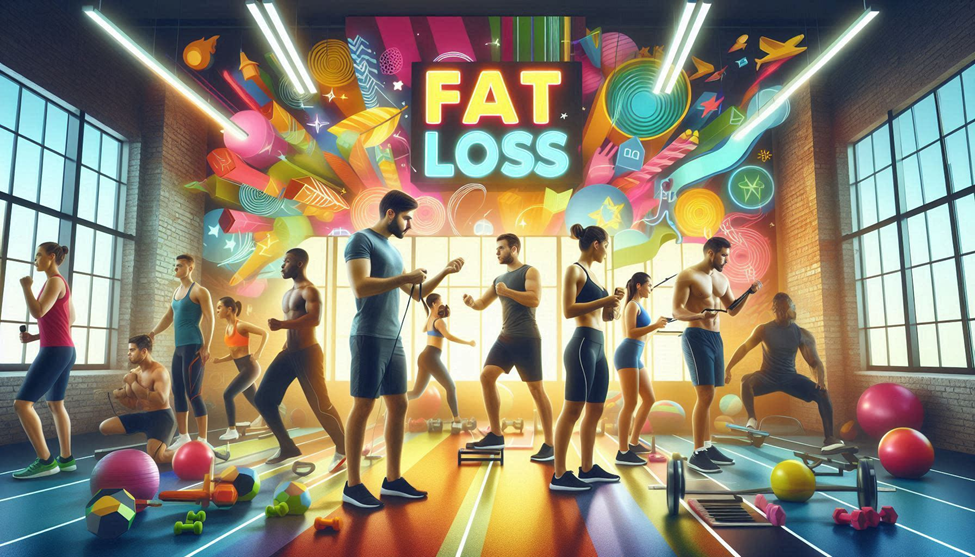
The key question becomes: How can nutrition and training work together to make fat loss efficient, safe, and maintainable? The answer lies in matching fuel availability to workload, prioritizing adequate protein intake, strategically using carbohydrates to support training quality, and managing recovery through sleep, hydration, and stress control. When workouts are properly fueled, training intensity and consistency improve, allowing the body to signal fat loss without sacrificing strength or performance.
This guide provides a deep, professional, and evidence-informed guide to nutrition-tailored workouts for fat loss. It integrates exercise physiology, macronutrient strategy, nutrient timing, resistance and cardiovascular training modalities, recovery principles, and individual personalization. Rather than offering rigid meal plans or generic workout routines, it presents a flexible framework that can be adapted to real-world lifestyles, training levels, and goals. The ultimate aim is not just temporary weight reduction, but the development of a leaner, stronger, and healthier body that can maintain its results long after the dieting phase has ended.
Understanding Fat Loss: Beyond Calories In vs. Calories Out
Why Calories Alone Are Not Enough
While fat loss ultimately requires a calorie deficit, how that deficit is created and supported determines whether the outcome is productive or destructive. A poorly managed deficit can lead to muscle loss, hormonal disruption, reduced training capacity, and rapid weight regain.
Calories represent energy, but the body is not a simple calculator. Hormones, training stress, nutrient availability, sleep, and psychological stress all influence how energy is used.
The Role of Body Fat
Body fat is a stored energy reserve designed to support survival during periods of scarcity. When calories are reduced or energy expenditure increases, the body mobilizes fat to meet its needs. However, the body does not selectively burn only fat—it will also break down muscle tissue if conditions signal that muscle is unnecessary or too costly to maintain.
Why Nutrition and Training Must Align
Poor alignment between nutrition and training leads to:
- Loss of lean muscle mass
- Increased injury risk
- Suppressed metabolic rate
- Chronic fatigue
- Poor adherence
- Weight regain after dieting
Nutrition tailored workouts aim to bias the body toward fat loss while aggressively protecting lean mass and performance.
The Metabolic Foundation of Nutrition Tailored Training
Energy Availability
Energy availability refers to the calories remaining after exercise energy expenditure is subtracted from dietary intake. When energy availability becomes too low for too long, the body enters a protective state characterized by:
- Hormonal suppression
- Reduced thyroid output
- Increased cortical
- Impaired recovery
- Accelerated muscle loss
Well designed nutrition tailored programs ensure:
- Adequate fuel for training
- Sufficient protein for tissue repair
- Strategic carbohydrate allocation
- Controlled—not extreme—calorie deficits
This allows fat loss without triggering survival responses.
Macronutrient Roles in Fat Loss Training
Protein: The Muscle Preservation Anchor
Protein is the most critical macronutrient during fat loss.
Key functions:
- Preserves lean muscle mass
- Stimulates muscle protein synthesis
- Reduces muscle protein breakdown
- Improves satiety
- Enhances recovery
During a calorie deficit, protein requirements increase because the body is more prone to muscle breakdown.
Recommended intake:
- 1.6–2.4 g per kg of body weight per day
Protein should be evenly distributed across meals to maximize muscle retention.
Carbohydrates: Performance, Recovery, and Hormonal Support
Carbohydrates are often misunderstood in fatless diets. While reducing carbohydrates can lower calorie intake, eliminating them entirely often backfires.
Benefits of carbohydrates during fat loss:
- Fuel resistance training and HIIT
- Maintain training intensity
- Reduce cortical response
- Preserve muscle glycogen
- Improve adherence
Carbohydrates should be strategically timed, not removed.
Fats: Hormonal and Cellular Health
Dietary fats play a crucial role in health and performance.
Functions:
- Support hormone production
- Maintain cell membrane integrity
- Aid vitamin absorption
- Contribute to satiety
Recommended intake:
- 20–30% of total daily calories
Extremely low fat diets can impair hormonal balance and recovery.
Matching Nutrition to Training Modalities
Resistance Training + High Protein Nutrition
Resistance training is the cornerstone of fat loss because it signals the body to preserve muscle.
Nutrition strategy:
- High daily protein intake
- Protein evenly distributed across meals
- Carbohydrates placed around training
- Moderate calorie deficit
This combination improves body composition rather than just weight loss.
High Intensity Interval Training (HIIT) + Carbohydrate Timing
HIIT places high demands on anaerobic energy systems.
Nutrition strategy:
- Carbohydrates consumed before HIIT
- Protein included post workout
- Avoid fasted HIIT for most individuals
Unfurled HIIT increases fatigue, injury risk, and muscle loss.
Low Intensity Steady State (LISS) Cardio + Flexible Nutrition
LISS includes walking, cycling, or swimming.
Nutrition strategy:
- Can be performed fed or fasted
- Protein prioritized across the day
- Avoid excessive calorie restriction
LISS increases energy expenditure without interfering with recovery.
Nutrient Timing for Enhanced Fat Loss
Pre‑Workout Nutrition
Goals:
- Improve training performance
- Reduce muscle breakdown
Recommendations:
- Protein: 20–30 g
- Carbohydrates: 20–60 g depending on intensity
Post Workout Nutrition
Goals:
- Stimulate muscle repair
- Restore glycogen
Recommendations:
- Protein: 25–40 g
- Carbohydrates adjusted to training volume
Evening Nutrition and Fat Loss
Eating at night does not cause fat gain.
Strategies:
- High protein evening meals
- Slow digesting proteins before sleep
This supports overnight recovery and muscle repair.
Training Frequency and Nutrition Adjustment
High Frequency Training (5–6 Days/Week)
- Higher carbohydrate intake
- Smaller daily calorie deficits
- Greater emphasis on recovery nutrition
Low Frequency Training (3–4 Days/Week)
- Greater calorie flexibility
- Carbohydrates focused on training days
- Easier adherence for busy schedules
Personalized Nutrition Training Approaches
Beginners
- Can lose fat with minimal restriction
- Focus on habits and consistency
- Simple meal structures
Intermediate Trainees
- Require more precise macro control
- Training performance becomes critical
- Recovery management essential
Advanced Athletes
- Small calorie deficits only
- Strategic carbohydrate cycling
- Planned diet breaks mandatory
Common Mistakes in Nutrition Tailored Fat Loss
- Training hard without sufficient fuel
- Eliminating carbohydrates entirely
- Excessive cardio combined with low protein
- Ignoring sleep and recovery
- Chasing scale weight instead of body composition
Recovery, Sleep, and Stress Management
Fat loss stalls when recovery is poor.
Recommendations:
- 7–9 hours of sleep
- Stress reduction practices
- Planned reload weeks
Recovery determines how effectively nutrition and training work together.
Supplements That Support Nutrition Tailored Training
Supplements can play a valuable supportive role in nutrition-tailored workouts for fat loss, but they should always be viewed as performance and recovery enhancers—not replacements for a well-structured diet. When used strategically and responsibly, supplements can help fill nutritional gaps, improve training quality, and support muscle preservation during periods of calorie restriction.
Protein powders are among the most practical tools for fat-loss phases. They provide a convenient, low-calorie source of high-quality protein, making it easier to meet daily protein targets without excessive food volume. Adequate protein intake supports muscle retention, satiety, and recovery, all of which are critical when calories are reduced.
Creative monohydrate is one of the well-researched supplements available. Despite common misconceptions, creative does not hinder fat loss. Instead, it supports strength, power output, and training volume, helping preserve lean muscle mass and performance during calorie deficits. This indirectly improves fat loss by maintaining metabolic demand.
Caffeine, when used strategically, can enhance focus, endurance, and training intensity. It may also modestly increase fat oxidation and perceived energy, making workouts feel more manageable during dieting. However, excessive or poorly timed use can disrupt sleep and recovery, reducing its long-term effectiveness.
Omega-3 fatty acids support overall health by reducing inflammation, improving joint function, and potentially enhancing muscle protein synthesis. These benefits aid recovery and training consistency, which are essential for sustainable fat loss.
Ultimately, supplements are tools—not shortcuts. Their effectiveness depends entirely on a foundation of balanced nutrition, intelligent training, and adequate recovery.
Long-term Sustainability and Adherence
The best fatless program is one you can maintain.
Principles:
- Flexible dieting
- Enjoyable training
- Periodic maintenance phases
- Psychological sustainability
Conclusion
Nutrition-tailored workouts represent a modern, intelligent, and sustainable approach to fat loss—one that goes far beyond simply eating less or training harder. By deliberately aligning food intake with training demands, the body is placed in an optimal physiological environment where fat loss occurs efficiently, lean muscle mass is preserved, and training performance remains high throughout the process.
Unlike traditional calorie-cutting strategies that often force the body into a state of metabolic stress, nutrition-tailored training works with human physiology rather than against it. Energy intake is adjusted based on workout intensity, volume, and recovery needs, ensuring that the body receives sufficient fuel when it matters most. These approaches helps maintain hormonal balance, stabilize blood sugar, and reduce excessive fatigue—factors that are commonly responsible for plateaus and muscle loss during aggressive dieting.
When nutrition supports training demands, workouts become more productive and consistent. Adequate protein intake preserves muscle tissue, while strategically timed carbohydrates enhance performance, replenish glycogen stores, and support recovery. Healthy fats contribute to hormonal health and satiety, making adherence easier over the long term. Together, these elements prevent the body from entering “survival mode,” where metabolism slows and fat loss becomes increasingly difficult.
Perhaps most importantly, nutrition-tailored workouts promote long-term success rather than short-term results. Instead of chasing rapid weight loss that compromises health and performance, this method builds a foundation for sustainable body composition change. Strength, endurance, and metabolic health improve alongside fat reduction, creating a body that is not only leaner but also more resilient and functional.
The outcome is more than just a lower number on the scale. It is a stronger, healthier, and more athletic body that performs well, recovers efficiently, and maintains its results over time. By integrating intelligent nutrition with purposeful training, fat loss becomes a controlled, effective process—one that supports both physical performance and overall well-being for the long run.
SOURCES
Cradle, Ketch & Ketch (2014) – Foundational textbook explaining the interaction between exercise, energy systems, and nutrition.
Phillips & Van Loon (2011) – Explores how dietary protein supports muscle maintenance and growth during training.
Helms, Aragon & Fischer (2014) – Evidence-based guidelines for fat loss while preserving lean mass in athletes.
Schoenfeld & Aragon (2018) – Reviews nutrient timing and its practical relevance for performance and body composition.
Morton et al. (2018) – Meta-analysis identifying optimal protein intake for maximizing muscle retention.
Hall et al. (2016) – Examines metabolic adaptation and energy balance during weight loss.
Tinsley & La Bounty (2015) – Reviews intermittent fasting combined with resistance training outcomes.
Paoli et al. (2012) – Investigates low-carbohydrate diets and their effects on body composition and performance.
Paitakes et al. (2013) – Demonstrates the role of higher protein intake during calorie restriction.
Tipton & Wolfe (2001) – Early research on amino acid timing and muscle protein synthesis.
Burke et al. (2011) – Discusses carbohydrate per iodization to support training demands.
Slater & Phillips (2011) – Reviews nutrition strategies for strength and power athletes.
Arête et al. (2013) – Shows how protein distribution across the day influences muscle synthesis.
Schoenfeld, Osborn & Krieger (2016) – Analyzes training volume and its role in hypertrophy and fat loss.
Antonio et al. (2014) – Evaluates high-protein diets and body composition outcomes.
Duello, Jacque & Montana (2012) – Explains adaptive thermo genesis during dieting.
Rosenbaum & Libel (2010) – Reviews hormonal adaptations to weight loss.
Drexler, Smith-Ryan & Norton (2014) – Practical strategies to minimize muscle loss during fat reduction phases.
Mettle, Mitchell & Tipton (2010) – Compares high-protein versus standard diets in lean athletes cutting weight.
West man et al. (2007) – Reviews ketogenic and low-carbohydrate approaches to fat loss.
Benton & Young (2017) – Examines cognitive and performance effects of diet quality.
Ivy & Portman (2004) – Focuses on nutrient timing for recovery and performance enhancement.
Aragon & Schoenfeld (2013) – Debunks common diet myths related to fat loss.
Stokes, Hector & Morton (2018) – Discusses the anabolic response to protein intake and training.
Krieger et al. (2017) – Position stand on nutrition and supplements for exercise and body composition.
HISTORY
Current Version
Dec 15, 2025
Written By
ASIFA
0 Comments