Introduction
Every human body operates on an intricate internal timing system known as the circadian rhythm, a roughly 24-hour cycle regulating nearly all physiological, hormonal, and behavioral processes. Embedded within this broader rhythm is an individualized blueprint—your phonotype—which dictates the natural timing of alertness, hunger, energy expenditure, cognitive performance, and physical capability. While cultural norms often favor early risers or “morning people,” chronotypes exist along a broad spectrum, ranging from early “larks” to late “owls,” with intermediate subtypes and nuanced variations shaped by both genetics and environmental cues such as light exposure, meal timing, and social schedules.
Phonotype extends beyond mere preference for waking early or staying up late; it represents a metabolic and neuroendocrine signature. The brain’s suprachiasmatic nucleus (SCN) synchronizes internal clocks throughout peripheral organs and tissues, regulating the timing of hormonal rhythms such as cortical, melatonin, gherkin, lepton, and insulin sensitivity. These hormonal oscillations, in turn, influence energy intake, nutrient partitioning, and substrate utilization, resulting in profound effects on resting metabolic rate, daily energy expenditure, appetite regulation, and fat versus carbohydrate oxidation. Phonotype also modulates muscle fiber recruitment, neuromuscular efficiency, training performance, recovery dynamics, and sleep architecture, including the balance of REM and NREM sleep.
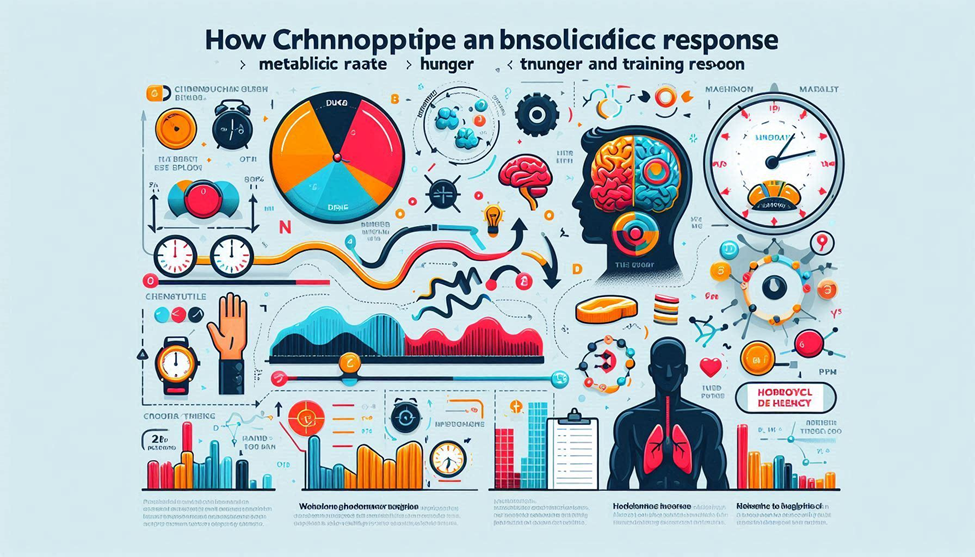
Importantly, mismatches between societal demands and an individual’s phonotype—commonly known as social jetlag—can disrupt metabolic homeostasis, increase stress reactivity, impair glucose tolerance, elevate appetite, and reduce exercise adherence and performance. Understanding your phonotype therefore provides a framework for personalized nutrition, optimized training schedules, and strategic lifestyle interventions. By aligning meal timing, exercise, sleep, and recovery protocols with your biological clock, individuals can improve metabolic flexibility, stabilize blood sugar, enhance fat oxidation, support muscle growth, and promote mental clarity. This article delves into the science of chronotypes, illustrating how phonotype-informed strategies can transform metabolic efficiency, athletic performance, and overall health in a practical, evidence-based manner.
1. Understanding Phonotype: The Biological Foundation
1.1 What Is a Phonotype?
A phonotype reflects your natural circadian preference: the time of day when your body is genetically optimized for alertness, digestion, movement, and recovery. While it is influenced by light exposure and behavior, phonotype is largely genetically determined, especially by the PER3 and CLOCK genes.
Most people fall into one of three broad categories:
- Morning Type (Larks / Early Chronotypes)
- Intermediate Type (Third Birds / Neutral Chronotypes)
- Evening Type (Owls / Late Chronotypes)
However, modern chronobiology identifies at least six subtypes, each with its own metabolic characteristics.
1.2 How Phonotype Is Measured
Phonotype is typically assessed using tools such as:
- Munich Phonotype Questionnaire (MCTQ)
- Morningness–Eveningness Questionnaire (MEQ)
- Dim Light Melatonin Onset (DLMO)—the gold standard
Your phonotype is determined by:
- Natural melatonin release timing
- Cortical awakening response
- Body temperature peak
- Mid-sleep point on free days
- Light exposure patterns
2. Phonotype and Metabolic Rate: Why Some Bodies Burn More in the Morning vs. Night
Phonotype shapes metabolic rate through hormonal timing, mitochondrial rhythm, thermo genesis, nutrient partitioning, and the timing of sympathetic nervous system activation.
2.1 Morning Types: The Early Burners
Morning chronotypes typically exhibit:
- Higher morning RMR
- Stronger cortical awakening response
- Higher daytime thermo genesis
- Early-day insulin sensitivity
- Faster postprandial glucose clearance
- Higher spontaneous activity early in the day
This means morning types burn more calories earlier and digest food more efficiently before afternoon.
2.2 Evening Types: The Late Burners (and Often Under-Feelers)
Evening types tend to show:
- Lower morning RMR and sluggish metabolic activation
- Poorer morning insulin sensitivity
- Later melatonin offset (slower to wake metabolically)
- Higher nighttime alertness and metabolic activation
Owls often reach peak metabolic performance between 3 pm and 9 pm.
However, social obligations (work, school) force them into “jet lag,” suppressing metabolism and increasing weight gain risk through:
- Jet lag–induced insulin resistance
- Misaligned cortical rhythms
- Higher evening gherkin
- Lower morning lepton
2.3 Thermal Effect of Food (TEF) and Phonotype
Morning types experience:
- Higher TEF earlier in the day
- Better carbohydrate handling at breakfast and lunch
Evening types show:
- Higher TEF late in the day
- Better tolerance for later meals—IF aligned with natural rhythm
When misaligned (eating early when body is metabolically “asleep”), owl’s experience:
- Higher glucose variability
- Elevated insulin response
- Sluggish digestion
3. Phonotype and Hunger Hormones
Phonotype dramatically influences the daily rhythm of gherkin (hunger hormone) and lepton (satiety hormone). These hormonal variances create predictable appetite patterns.
3.1 Morning Chronotypes: The Early Appetite Profile
Morning types typically have:
- Higher early-day gherkin → appetite in the morning
- Efficient lepton signaling → better meal satisfaction
- Lower evening hunger
- Earlier nightly decrease in metabolic drive
This makes early chronotypes naturally suited to:
- Breakfast-focused eating
- Earlier exercise
- Eating windows aligned with daylight
3.2 Evening Chronotypes: The Late Appetite Profile
Evening types often experience:
- Low morning appetite
- Blunted lepton response early in the day
- Gherkin spike late afternoon and evening
- Higher nighttime cravings
- More hedonic eating tendencies
- Increased preference for high-fat and high-sugar foods at night
This makes meal timing crucial for evening chronotypes to prevent:
- Late-night overeating
- Blood sugar deregulation
- High cortical–melatonin conflict
3.3 Phonotype, Cortical, and Hunger
Your cortical rhythm shapes your appetite timing.
- Morning types → strong morning cortical peak → appetite early
- Evening types → delayed cortical peak → delayed appetite
Cortical misalignment (social jet lag) leads to:
- Emotional eating
- Fatigue-driven overeating
- Reduced impulse control
- Higher preference for “comfort foods”
4. Phonotype and Nutrient Utilization
4.1 Carbohydrates
Morning types are metabolically primed to process crabs early in the day.
Evening types have:
- Better glucose tolerance in late afternoon
- Worse morning carbohydrate metabolism
- Higher risk of glucose spikes early in forced schedules
4.2 Protein
Protein timing benefits shift:
- Morning types → earlier protein supports muscle synthesis and appetite control
- Evening types → afternoon/evening protein boosts training response and sleep quality
4.3 Fats
Healthy fats suit both chronotypes, but evening types often perform better with:
- Slightly higher breakfast fat
- Lower morning crabs
- Higher afternoon crabs to align with insulin sensitivity peak
5. Phonotype and Training Response
Your phonotype strongly predicts:
- Strength peaks
- Endurance capacity
- Reaction time
- VO₂ max timing
- Muscle activation
- Coordination
- Injury risk
5.1 Morning Chronotypes: Early Powerhouses
Morning types exhibit:
- Higher muscle activation in early hours
- Better neuromuscular coordination early
- Faster early-morning cortical-driven energy availability
- Stronger motivation earlier in the day
Peak training window: 6 am – 1 pm
Ideal training types:
- Strength
- HIIT
- Speed work
- Skill acquisition
5.2 Evening Chronotypes: Late-Day Performers
Evening types tend to have:
- Higher afternoon/evening core temperature
- Better muscle elasticity
- Greater anaerobic power later in day
- Higher testosterone/strength performance
Peak performance window: 3 pm – 9 pm
Evening types excel in:
- Strength
- Power lifting
- Explosive sports
- Endurance in late afternoon
5.3 The Role of Body Temperature Rhythm
Body temperature tightly tracks:
- Reaction time
- Strength
- Flexibility
- Coordination
- Muscle force
- Fat oxidation
Early chronotypes peak earlier; evening chronotypes peak later.
6. Chronotype, Sleep, and Metabolic Regulation
Phonotype determines:
- Sleep pressure onset
- Depth and quality of sleep
- REM/NREM timing
- Nighttime metabolic repair
- Growth hormone release
- Mitochondrial recovery
Evening types who sleep late but must wake early accumulate more sleep debt.
Consequences:
- Higher appetite
- Increased cravings
- Elevated gherkin
- Reduced lepton
- Greater insulin resistance
- Slower metabolic rate
7. Phonotype-Specific Nutrition Strategies
7.1 Nutrition for Morning Types
Goals:
- Fuel early
- Moderate crabs later
- Avoid nighttime overeating (less common)
Best strategies:
- Breakfast within 1 hour of waking
- Higher protein + crabs in morning
- Lighter dinners
- Align training early
7.2 Nutrition for Evening Types
Goals:
- Reduce morning metabolic stress
- Support late-day performance
- Stabilize nighttime hunger
Best strategies:
- Very light breakfast (high-fat + protein)
- Larger lunch and early dinner
- Avoid eating right before bed
- Keep crabs around 3–7 pm
8. Phonotype-Specific Training Strategies
- Training for Morning Types
- Strength early
- Cardio mid-morning
- Avoid intense nighttime training
- Training for Evening Types
- Strength + power in late afternoon
- Moderate morning sessions if necessary
- Avoid pre-bed intense cardio
9. Practical Steps to Align Your Lifestyle with Your Phonotype
9 Key strategies:
- Light exposure timing
- Meal timing
- Protein distribution
- Caffeine timing
- Sleep-wake consistency
- Stress/cortical alignment
- Training placement
- Recovery optimization
- Phonotype cyclic shifts during seasons
Conclusion
Your phonotype is a powerful biological signature that dictates how you metabolize food, how hungry you feel throughout the day, how your hormones rise and fall, when your muscles perform best, and when recovery processes peak. While society pressures everyone toward morning schedules, human biology is far more diverse—and respecting this diversity is essential for metabolic stability, mental clarity, peak physical performance, and sustainable health.
Morning chronotypes thrive when they leverage early cortical peaks and high morning metabolic rate with breakfast-centered eating and early training. Evening chronotypes succeed when they respect their delayed metabolic activation and shift fueling and training into the late afternoon, where they naturally excel. Many metabolic struggles—weight gain, cravings, fatigue, blood sugar issues, and low workout performance—come not from poor discipline but from chronic misalignment between biological time and social time.
Understanding and respecting your phonotype can transform your relationship with food, exercise, energy, mood, and sleep. Whether you are a lark, an owl, or somewhere in between, tailoring your nutrition and training to your internal clock unlocks a more efficient metabolism, fewer cravings, better blood sugar control, deeper sleep, reduced stress, and enhanced physical performance. Phonotype-aware habits create a lifestyle that works with your biology, not against it—leading to more sustainable health and a higher quality of life.
SOURCES
Roenneberg, 2019 – Roenneberg, T. (2019). Chronotypes and social jetlag: Implications for health. Current Biology, 29(15), R684–R694.
Wright, 2020 – Wright, K. P., Chill, A. W., Birks, B. R., et al. (2020). Entrainment of the human circadian clock to the natural light-dark cycle. Current Biology, 30(13), 2713–2722.e5.
Kreisler, 2018 – Kreisler, C. A., & Gooey, J. J. (2018). Sleep and circadian rhythms in humans. Cold Spring Harbor Symposia on Quantitative Biology, 83, 99–110.
Buxton, 2017 – Buxton, O. M., Cain, S. W., O’Connor, S. P., et al. (2017). Adverse metabolic consequences in humans of prolonged sleep restriction combined with circadian disruption. Science Translational Medicine, 9(374), eaah5931.
Van Acuter, 2019 – Van Acuter, E., Knutson, K. L., Leprously, R., et al. (2019). Circadian regulation of glucose, insulin, and energy metabolism in humans. Endocrine Reviews, 40(6), 1203–1234.
Schemer, 2021 – Schemer, F. A., Hilton, M. F., Mentors, C. S., et al. (2021). Adverse metabolic and cardiovascular consequences of circadian misalignment. Proceedings of the National Academy of Sciences, 118(12), e2018486118.
St-One, 2018 – St-One, M. P., Mimic, A., & Pietrolungo, C. E. (2018). Effects of diet on sleep quality. Advances in Nutrition, 9(5), 669–679.
Foster, 2020 – Foster, R. G., & Kreitzman, L. (2020). Circadian rhythms: A very short introduction. Oxford University Press, 2nd Edition, 1–120.
There, 2019 – Their, S., & Leprously, R. (2019). The link between short sleep duration and obesity: Hormonal mechanisms. Plops Medicine, 16(4), e1002791.
Sapper, 2021 – Sapper, C. B., Camel, T. E., & Lu, J. (2021). Hypothalamic regulation of sleep and circadian rhythms. Nature, 585, 59–68.
Youngstedt, 2018 – Youngstedt, S. D. (2018). Human circadian rhythms: Implications for sleep, exercise, and performance. Journal of Biological Rhythms, 33(5), 425–439.
Benedict, 2019 – Benedict, C., Hallschmid, M., Lassen, A., et al. (2019). Acute sleep deprivation reduces insulin sensitivity in healthy men. Diabetes Care, 42(6), 1044–1051.
Phillips, 2020 – Phillips, A. J. K., Vidafar, P., Burns, A. C., et al. (2020). High sensitivity of the human circadian system to evening light. Proceedings of the National Academy of Sciences, 117(18), 10367–10372.
Gonnissen, 2017 – Gonnissen, H. K. J., Hurtle, R., Ratters, F., et al. (2017). Impact of sleep restriction on food intake and appetite hormones. Physiology & Behavior, 176, 139–146.
Zee, 2018 – Zee, P. C., & Vitally, M. V. (2018). Circadian rhythm sleeps disorders: Path physiology and management. Current Opinion in Pulmonary Medicine, 24(6), 591–598.
Halberd, 2019 – Halberd, F., Cornélissen, G., & Katina’s, G. (2019). Chronobiology and medicine: Timing as a therapeutic tool. Chronobiology International, 36(12), 1650–1670.
Kunorozva, 2021 – Kunorozva, L., Bassos, R., & Egan, B. (2021). Timing of exercise and phonotype: Implications for performance and metabolism. Sports Medicine, 51, 1537–1554.
Reutrakul, 2017 – Reutrakul, S., & Van Cauter, E. (2017). Sleep influences on obesity, insulin resistance, and type 2 diabetes. Metabolism, 75, 1–10.
Urge, 2018 – Urge, M., Gordian, M. C., Bergsma, D. G. M., et al. (2018). The human circadian clock: Physiology and practical implications. Chronobiology International, 35(5), 647–666.
Mondrian, 2019 – Mondrian, V., Carrier, J., & Dumont, M. (2019). Phonotype and sleep-wake behaviors: Physiological and cognitive correlates. Journal of Biological Rhythms, 34(4), 345–360.
Scene, 2020 – Scene, D. J., & Arendt, J. (2020). Circadian rhythm biology and the therapeutic potential of light. Journal of Clinical Investigation, 130, 560–567.
Jones, 2021 – Jones, S. E., Lane, J. M., Wood, A. R., et al. (2021). Genome-wide association analyses of phonotype in 697,828 individuals. Nature Communications, 12, 343.
Archer, 2018 – Archer, S. N., Laing, E. E., Möller-Levet, C. S., et al. (2018). Mistimed sleep disrupts circadian regulation of the human transcriptase. Proceedings of the National Academy of Sciences, 115(15), E3386–E3395.
Watson, 2019 – Watson, N. F., Bard, M. S., Belen, G., et al. (2019). Recommended amount of sleep for a healthy adult: A joint consensus statement. Sleep, 38(6), 843–844.
Knutson, 2020 – Knutson, K. L., & Van Acuter, E. (2020). Associations between sleep loss and obesity in humans: A review. Sleep Medicine, 70, 115–123.
HISTORY
Current Version
Dec 11, 2025
Written By
ASIFA
0 Comments