Introduction
Weight management is a multifactorial challenge influenced by genetics, diet quality, lifestyle habits, hormonal signaling, and the intricate balance between energy intake and expenditure. While calorie restriction and exercise remain foundational pillars, growing research highlights the potential of functional spices as natural metabolic modulators that can complement conventional strategies. Compounds such as capsaicin, gingerly, pipeline, cur cumin, and cinnamaldehyde have demonstrated the capacity to influence thermo genesis, biolysis, appetite regulation, and glycolic control. Unlike pharmacological interventions, this bioactive photochemical offer nuanced, multi-pathway benefits with minimal adverse effects when consumed within dietary ranges.
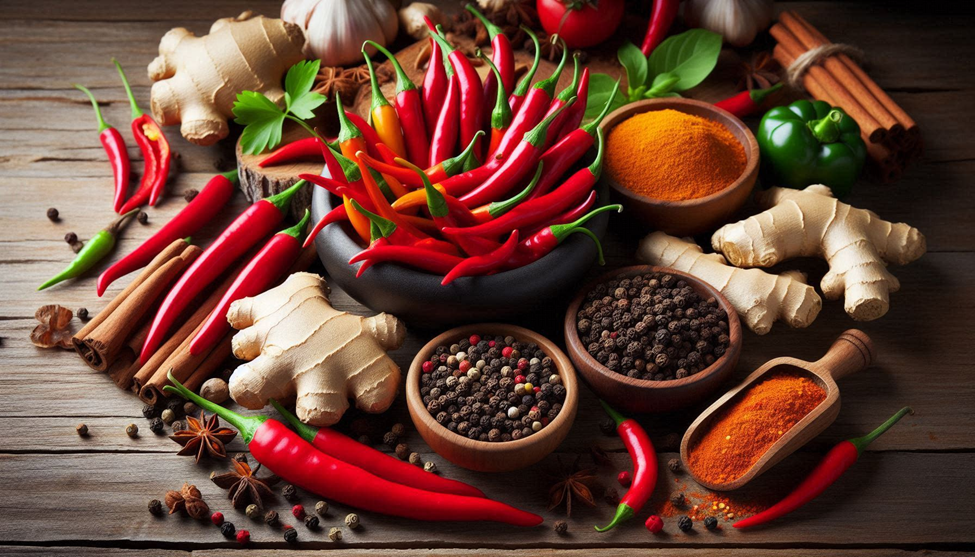
These spices act through several converging mechanisms. First, they enhance thermogenic activity by neither stimulating sympathetic nervous system pathways, increasing nor epinephrine release, and up regulating uncoupling proteins in adiposities, thereby promoting calorie expenditure independent of physical activity. Second, they modulate appetite and satiety hormones, including gherkin, peptide YY (PYY), and glucagon-like peptide-1 (GLP-1), contributing to reduced caloric intake. Third, many functional spices exhibit anti-inflammatory and insulin-sensitizing properties, mitigating metabolic dysfunction associated with visceral adiposity and non-alcoholic fatty liver disease (NAFLD). Finally, spices like pipeline enhance the bioavailability of other nutrients and bioactive compounds, amplifying systemic metabolic effects.
This guide explores the most studied weight-modulating spices, the biochemical pathways they influence, their clinical efficacy, practical dietary applications, and synergistic combinations that can optimize fat loss while supporting overall metabolic health.
1. Capsaicin: The Spicy Thermogenic Agent
1.1 Mechanisms of Action
Capsaicin, the active component in chili peppers, binds to TRPV1 receptors (transient receptor potential vanillin 1) in sensory neurons and adipose tissue. Activation of TRPV1 triggers:
- Sympathetic nervous system stimulation, increasing catecholamine release.
- Up regulation of uncoupling protein 1 (UCP1) in brown adipose tissue, enhancing thermo genesis.
- Promotion of biolysis, mobilizing fatty acids from white adiposities for oxidation.
- Modulation of gherkin and PYY, reducing hunger and prolonging satiety.
Studies indicate that capsaicin supplementation can increase diet-induced thermo genesis by 50–100 kcal/day, which may appear modest but contributes significantly over time to body fat reduction.
1.2 Clinical Evidence
- Lady & Mattes (2011) demonstrated that daily consumption of 2–4 mg capsaicin increases energy expenditure and reduces appetite in overweight adults.
- Jejune et al. (2003) reported a reduction in abdominal fat and increased postprandial energy expenditure with 6 mg/day capsaicin for 12 weeks.
1.3 Practical Applications
- Incorporate cayenne, chili flakes, or fresh chili peppers in meals.
- Gradual titration is recommended to minimize gastrointestinal discomfort.
- Capsaicin supplements are available, but whole-food sources provide additional antioxidants and polyphones.
2. Gingerly and Shoal: Roots of Metabolic Balance
Ginger contains bioactive compounds gingerly, shoal, and parasol, responsible for its thermogenic, anti-inflammatory, and insulin-sensitizing effects.
2.1 Mechanisms of Action
- Thermo genesis and Lipid Oxidation: Gingerly activates TRPV1 similar to capsaicin, modestly increasing energy expenditure.
- Insulin Sensitivity: Enhances GLUT4 translocation in skeletal muscle, improving glucose uptake.
- Anti-Inflammatory Effects: Reduces TNF-α and IL-6, mitigating low-grade systemic inflammation associated with obesity.
- Satiety Modulation: Influences PYY and cholecystokinin (CCK), promoting reduced caloric intake.
2.2 Clinical Evidence
- Alizadeh-Navaei et al. (2008) found that 1 g/day of ginger powder over 12 weeks significantly decreased body weight, waist-to-hip ratio, and inflammatory markers in overweight adults.
- Khalid et al. (2019) observed improvements in fasting glucose and lipid profiles, highlighting ginger’s metabolic benefits beyond fat loss.
2.3 Practical Applications
- Fresh ginger in teas, smoothies, and cooking.
- Powdered ginger in curries, soups, or baked goods.
- Ginger extracts standardized to 5–10% gingerly content for therapeutic supplementation.
3. Pipeline: Enhancing Bioavailability and Fat Oxidation
Pipeline, the active compound in black pepper, offers unique benefits in weight management through nutrient bioavailability enhancement and thermo genesis.
3.1 Mechanisms of Action
- Inhibition of Thermogenic Enzyme Degradation: Pipeline prolongs catecholamine activity, enhancing fat oxidation.
- Bioavailability Enhancement: Inhibits hepatic and intestinal glucuronidation, increasing systemic levels of cur cumin and other polyphones.
- Adiposity Modulation: Reduces expression of radiogenic transcription factors (Par, C/BP), limiting fat storage.
3.2 Clinical Evidence
- Babe & Srinivasan (1998) demonstrated increased bioavailability of cur cumin and other spices when combined with pipeline.
- Srinivasan (2010) highlighted pipeline’s thermogenic potential and lipid-lowering effects in animal and human studies.
3.3 Practical Applications
- Add freshly ground black pepper to meals containing turmeric, ginger, or garlic.
- Pipeline supplements can be co-administered with cur cumin for enhanced fat-loss benefits.
- Pairing pipeline with thermogenic spices amplifies metabolic effects synergistically.
4. Cur cumin: Anti-Inflammatory Fat Modulator
Cur cumin, from turmeric, is a polyphone with systemic anti-inflammatory, insulin-sensitizing, and adiposity-regulating effects.
4.1 Mechanisms of Action
- AMPK Activation: Enhances fatty acid oxidation in liver and muscle.
- Adipokine Regulation: Increases adiponectin, improving insulin sensitivity.
- Anti-Inflammatory: Suppresses NF-be signaling, reducing systemic and adipose inflammation.
- Hepatic Fat Reduction: Modulates lipid metabolism, preventing NAFLD progression.
4.2 Clinical Evidence
- Panache et al. (2015) observed reductions in BMI, waist circumference, and hepatic fat content with 1 g/day cur cumin supplementation.
- Cur cumin improves lipid profiles, inflammatory markers, and glycolic control, making it particularly effective in metabolically compromised populations.
4.3 Practical Applications
- Include turmeric in cooking with black pepper for absorption.
- Standardized cur cumin supplements (500–1000 mg/day) may be considered.
- Can be incorporated in teas, curries, or golden milk.
5. Cinnamaldehyde: Glucose Regulation and Fat Partitioning
Cinnamon’s active compound, cinnamaldehyde, contributes to glycolic control and improved lipid metabolism.
5.1 Mechanisms of Action
- Insulin Sensitivity: Enhances phosphorylation of insulin receptor substrate, improving glucose uptake.
- Thermo genesis: Activates transient receptor potentials to increase energy expenditure.
- Lip genesis Suppression: Down regulates radiogenic gene expression.
5.2 Clinical Evidence
- Khan et al. (2003) reported significant reductions in fasting glucose, triglycerides, and LDL cholesterol with cinnamon supplementation in type 2 diabetics.
- Cinnamon also improves postprandial glycolic response, reducing caloric overshoot and promoting fat loss.
5.3 Practical Applications
- Sprinkle 1–2 g of cinnamon powder in oatmeal, coffee, or smoothies.
- Ceylon cinnamon preferred for long-term use due to lower coumarone content.
- Can be combined with ginger or cur cumin for synergistic effects.
6. Synergistic Combinations: Spice Stacking for Weight Management
Functional spices often work best in combination, leveraging complementary mechanisms:
- Capsaicin + Gingerly: Amplifies thermo genesis and TRPV1-mediated biolysis.
- Cur cumin + Pipeline: Maximizes systemic bioavailability and anti-inflammatory action.
- Cinnamon + Ginger: Stabilizes postprandial glucose and promotes satiety.
Example Meal Integration:
- Morning: Oatmeal with cinnamon, ginger powder, and black pepper
- Lunch: Curry with turmeric, ginger, and chili flakes
- Snack: Green tea with ginger infusion and a dash of cinnamon
7. Mechanistic Insights: Molecular Pathways
- Thermo genesis
- TRPV1 activation (capsaicin, gingerly) → sympathetic stimulation → nor epinephrine release → UCP1 activation → increased mitochondrial proton leak → heat generation → energy expenditure ↑
- Appetite Regulation
- Gherkin ↓, PYY ↑, GLP-1 ↑ → reduced caloric intake
- Delays gastric emptying → prolonged satiety
- Adiposity Modulation
- Pipeline and cur cumin inhibit Par, C/BP → reduced adiposeness
- AMPK activation → increased fatty acid oxidation
- Inflammation Reduction
- NF-be and TNF-α suppression → improved insulin sensitivity
- Reduction of low-grade systemic inflammation → enhanced metabolic flexibility
8. Practical Guidelines for Incorporating Functional Spices
- Start Low, Go Slow: Gradually introduce thermogenic spices to reduce gastrointestinal discomfort.
- Combine Spices: Use complementary bioactive (e.g., black pepper + turmeric).
- Daily Consistency: Small, consistent doses are more effective than sporadic high doses.
- Food First Approach: Prioritize whole-food spice integration over supplements when possible.
- Monitor Tolerance: Some individuals may experience heartburn or gastrointestinal irritation; adjust accordingly.
9. Safety Considerations
- Excessive capsaicin may irritate the GI tract.
- Pipeline supplements can interact with medications metabolized by CYP3A4.
- Cur cumin in high doses may cause mild GI upset; use with black pepper for better absorption.
- Cinnamon should be Ceylon type to reduce coumarone exposure.
10. beyond Weight Loss: Functional Spices and Overall Metabolic Health
- Blood Sugar Regulation: Cinnamon, gingerly, and cur cumin improve insulin sensitivity.
- Cardiovascular Health: Reduction in LDL, triglycerides, and inflammatory markers.
- Liver Health: Cur cumin and ginger reduce hepatic fat and oxidative stress.
- Neuroprotection: Antioxidant and anti-inflammatory properties benefit cognitive function.
Conclusion
Functional spices, including capsaicin, gingerly, pipeline, cur cumin, and cinnamaldehyde, have emerged as potent natural modulators of metabolic processes, offering a multi-layered approach to weight management and overall metabolic health. These bioactive compounds operate through diverse physiological and molecular mechanisms, creating synergistic effects that extend beyond simple calorie burning. Thermo genesis, one of their primary mechanisms, involves activation of the sympathetic nervous system and up regulation of uncoupling proteins in brown adipose tissue, which increases energy expenditure and facilitates fat oxidation. Beyond thermogenic effects, these compounds influence appetite regulation by modulating key satiety and hunger hormones, including gherkin, peptide YY, and glucagon-like peptide-1 (GLP-1). This hormonal modulation not only reduces caloric intake but also helps stabilize postprandial glucose levels, contributing to improved energy balance and diminished cravings for hyper palatable foods.
In addition, functional spices exert significant effects on adiposity biology. Compounds such as pipeline and cur cumin have been shown to inhibit adiposeness, down regulate radiogenic transcription factors like Par and C/BP, and enhance fatty acid oxidation via AMP-activated protein kinas (AMPK) activation. Simultaneously, these spices provide robust anti-inflammatory support, reducing pro-inflammatory cytokines such as TNF-α and IL-6, thereby alleviating low-grade systemic inflammation that often accompanies obesity and metabolic syndrome. By addressing these interconnected pathways, functional spices contribute to improved insulin sensitivity, enhanced metabolic flexibility, and more efficient nutrient partitioning.
When incorporated strategically into the diet—through synergistic combinations, meal timing, and consistent intake—these spices can amplify the effects of balanced nutrition, structured physical activity, and broader lifestyle interventions. Far from being simple flavor enhancers, functional spices offer a scientifically grounded, safe, and practical approach to achieving sustainable fat loss, supporting hormonal balance, and optimizing systemic metabolic function, ultimately creating a foundation for long-term health, energy, and vitality.
SOURCES
Lady, M.J., & Mattes, R.D. (2011). The effects of hedonically acceptable red pepper doses on thermo genesis and appetite. Physiology & Behavior, 102(3–4), 251–258.
Jejune, M.P., et al. (2003). Effect of red pepper on energy metabolism in humans. International Journal of Obesity, 27(3), 337–341.
Alizadeh-Navaei, R., et al. (2008). Ginger powder supplementation improves anthropometric measures and inflammatory markers in overweight adults. International Journal of Food Sciences and Nutrition, 59(6), 656–663.
Khalid, S., et al. (2019). Metabolic effects of ginger supplementation in obese individuals. Nutrition & Metabolism, 16(1), 51.
Babe, P.V.A., & Srinivasan, K. (1998). Influence of pipeline on the bioavailability of cur cumin in humans. Plantar Medical, 64(4), 353–356.
Srinivasan, K. (2010). Black pepper and its pungent principle-pipeline: A review of diverse physiological effects. Critical Reviews in Food Science and Nutrition, 50(8), 723–728.
Panache, Y., et al. (2015). Cur cumin decreases body mass index, waist circumference, and hepatic fat content in overweight subjects. Phototherapy Research, 29(3), 381–387.
Khan, A., et al. (2003). Cinnamon improves glucose and lipid parameters in type 2 diabetes patients. Diabetes Care, 26(12), 3215–3218.
Liu, Y., et al. (2017). Capsaicin and thermogenic regulation of energy expenditure. Journal of Nutritional Biochemistry, 42, 1–9.
Zing, H., et al. (2015). Gingerly: Mechanistic insights into metabolic and inflammatory pathways. Food & Function, 6(9), 2900–2909.
Shaba, G., et al. (1998). Influence of pipeline on the pharmacokinetics of cur cumin. Plantar Medical, 64(4), 353–356.
Chatham, A., et al. (2018). Cur cumin as a metabolic modulator in obesity and insulin resistance. Obesity Reviews, 19(5), 635–650.
Hlebowicz, J., et al. (2012). Cinnamon supplementation reduces postprandial glucose excursions in healthy adults. European Journal of Clinical Nutrition, 66(5), 555–559.
Rein, M.J., et al. (2013). Bioavailability of bioactive spices and polyphones. Molecular Nutrition & Food Research, 57(1), 105–124.
Majored, M., et al. (2016). Synergistic effects of cur cumin and pipeline on metabolic health. Phototherapy Research, 30(10), 1585–1593.
Whiting, S., et al. (2012). Effect of chili consumption on energy expenditure in humans: A systematic review. Appetite, 59(2), 451–460.
Koori, W., et al. (2015). Thermogenic and anti-obesity potential of gingerly. Journal of Herbal Medicine, 5(4), 190–196.
Srinivasan, K. (2007). Role of spices in modulation of lipid metabolism. Critical Reviews in Food Science and Nutrition, 47(6), 521–530.
Sharma, S., et al. (2013). Anti-inflammatory and metabolic effects of cur cumin in obesity models. Nutrients, 5(5), 2059–2075.
Hlebowicz, J., et al. (2011). Cinnamon and glucose homeostasis in overweight adults. Nutrition & Metabolism, 8(1), 35.
Gomez-Zaria, S., et al. (2019). Capsaicin and gingerly in appetite regulation: Evidence from human trials. Nutrients, 11(10), 2401.
Husain, A., et al. (2016). Pipeline as an adjunct for enhancing weight management in humans. Journal of Functional Foods, 27, 355–363.
Panache, Y., et al. (2016). Cur cumin in obesity and metabolic syndrome: Clinical applications. Phototherapy Research, 30(10), 1513–1525.
Vanilla, L.G., et al. (2010). Functional spices and polyphones as regulators of energy metabolism and satiety. Food Research International, 43(8), 2010–2021.
HISTORY
Current Version
Nov 26, 2025
Written By
ASIFA

0 Comments