Introduction
Wearable technology has rapidly evolved from simple step counters to advanced biometric ecosystems capable of capturing thousands of physiological markers in real time. These devices—ranging from heart rate monitors, GPS trackers, and sleep rings to HRV sensors, continuous glucose monitors (CGMs), and smart clothing—offer unprecedented insight into how the human body responds to exercise, stress, sleep, diet, and environmental fluctuations. The shift from intuition-based training to data-driven decision making marks one of the most profound revolutions in modern performance science.
What makes wearable’s so powerful is not merely the raw data they provide, but their ability to contextualize that data into actionable insights. They offer a lens into autonomic nervous system regulation, metabolic responses, movement efficiency, hormonal rhythms, recovery status, and adaptive capacity. For athletes, executives, coaches, clinicians, and health-focused individuals, wearable’s act as portable laboratories enabling continuous self-research. Used intelligently, they help prevent overtraining, improve recovery, personalize nutrition, optimize training loads, enhance emotional regulation, and align daily routines with internal circadian biology.
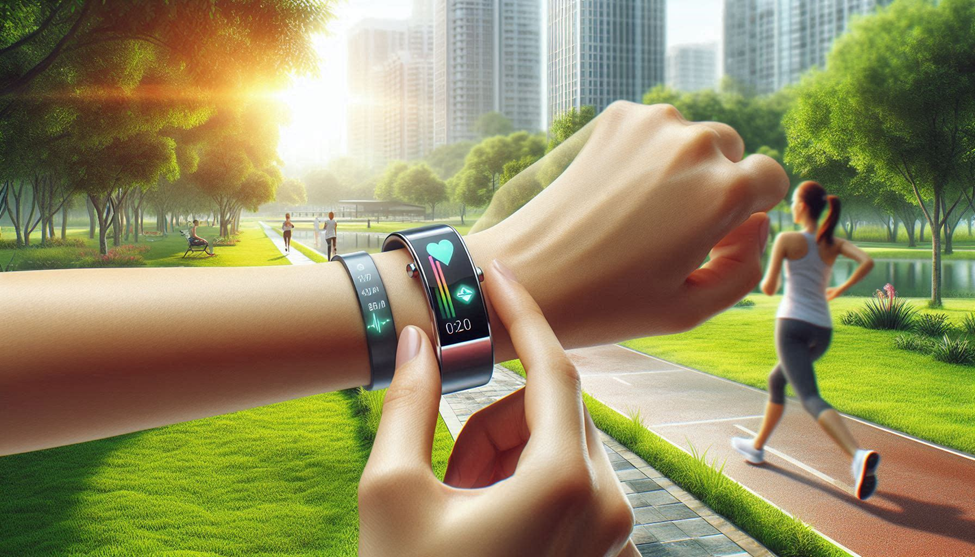
This guide explores the science, systems, applications, limitations, and best practices behind using wearable technology as a powerful tool for optimizing training and lifestyle. It outlines the metrics that matter, how to interpret them, how to integrate them into training programs, and how to avoid common data traps. The goal is not to rely on technology blindly but to leverage it strategically—transforming wearable’s from gadgets into precision-performance instruments.
1. Physiological Foundations of Wearable Technology
Wearable’s work because they interface with the body’s internal regulatory systems. Understanding the physiology they measure is essential for meaningful interpretation.
1.1. Cardiovascular Metrics
Modern wearable’s use optical sensors (PPG), electrical sensors (ECG-grade), or hybrid systems to evaluate cardiovascular status.
Key variables include:
- Resting Heart Rate (RHR): Marker of baseline cardiovascular load, parasympathetic tone, and recovery status.
- Heart Rate Variability (HRV): Gold-standard indicator of autonomic nervous system balance, resilience, and stress tolerance.
- Max HR and HR Zones: Foundation for metabolic zone training, threshold detection, and performance planning.
- Training Heart Rate Drift: Early sign of overreaching, dehydration, or poor sleep.
1.2. Respiratory Metrics
Wearable’s track respiratory rate during sleep, exercise, and recovery.
- Increased respiratory rate during rest often indicates illness, inflammation, or elevated sympathetic activation.
- Stable respiratory rate patterns during sleep predict better autonomic balance and deeper recovery.
1.3. Sleep Architecture
Advanced sleep wearable’s break rest into:
- Light Sleep (processing and transition)
- Deep / Slow-Wave Sleep (recovery, growth hormone release, tissue repair)
- REM Sleep (emotional regulation, memory consolidation)
Tracking these layers helps users identify whether deficits arise from environment, stress, nutrition, or irregular routines.
1.4. Metabolic Metrics
Glucose sensors, calorie models, skin temperature, and HR algorithms evaluate metabolic stress.
- Continuous Glucose Monitoring (CGM): Measures how meals, exercise, and stress influence blood sugar dynamics.
- Skin Temperature: Tracks illness onset, hormonal fluctuations, circadian stability, and recovery.
- Energy Expenditure Models: Useful but often inaccurate—reliable for trends, not exact calorie counts.
1.5. Musculoskeletal Metrics
Wearables with accelerometers, gyroscopes, and motion sensors map:
- Movement quality
- Joint angles
- Steps, cadence, and gait asymmetry
- Impact forces
- Muscle activation (EMG wearable’s)
Movement irregularities can predict injury risk well before symptoms appear.
2. Key Wearable Categories and Their Applications
2.1. Fitness Bands and Lifestyle Trackers
Examples: Fit bit, Garmin Vivo series, Xiao Mi Band.
Strengths:
- Daily activity, steps, basal metrics
- Simple sleep tracking
- Accessible to general users
Limitations:
- Less accurate HR at high intensities
- Limited training insights
Best for: Lifestyle health, low-to-moderate fitness users.
2.2. Advanced Performance Watches
Examples: Garmin Forerunner, Polar Vantage, Sagunto.
Strengths:
- High-accuracy GPS
- Excellent HR monitoring
- Lomax, lactate threshold, running power
- Training load analytics
Limitations:
- Requires user understanding
- Data overload possible
Best for: Runners, cyclists, triathletes, coaches.
2.3. Smart Rings
Examples: Our, Ultra human Ring, Eve.
Strengths:
- Best-in-class sleep tracking
- HRV and readiness insights
- Long battery life
- Minimalist form factor
Limitations:
- Not ideal for intense training HR
- Limited sport-specific features
Best for: Sleep optimization, stress monitoring, holistic lifestyle users.
2.4. Chest Straps (ECG-Grade HR)
Examples: Polar H10, Garmin HRM-Pro.
Strengths:
- Most accurate HR and HRV during training
- Essential for interval work, zone training, and endurance sports
Limitations:
- Less comfortable
- Not worn 24/7
Best for: Athletes needing precise cardiovascular data.
2.5. Continuous Glucose Monitors (CGMs)
Examples: Decoma, Freestyle Libra, Levels, and Super sapiens.
Strengths:
- Real-time metabolic feedback
- Personalized nutrition
- Insight into stress, caffeine, sleep, and exercise responses
Limitations:
- Expensive
- Learning curve
- Not necessary for everyone
Best for: Athletes, metabolic optimization, weight management, energy stability.
2.6. Motion Sensors and Smart Clothing
Examples: WHOOP Body, Athos, Hydro EMG tech, catapult systems.
Strengths:
- Track biomechanics, muscle load, sprint metrics
- Elite sport applications
Limitations:
- High cost
- Complex analysis
Best for: Professional teams and serious competitors.
3. Core Metrics That Matter—and How to Interpret Them
3.1. Heart Rate Variability (HRV)
HRV reflects the balance between the sympathetic (fight-or-flight) and parasympathetic (rest-recover) nervous systems.
Higher HRV = better resilience, adaptability, and recovery.
What lowers HRV?
- Alcohol
- Poor sleep
- Illness
- Heavy training load
- Psychological stress
- Dehydration
What increases HRV?
- Deep sleep
- Aerobic conditioning
- Breath work
- Antioxidant-rich diet
- Hydration
- Recovery days
HRV is one of the most useful markers for day-to-day readiness.
3.2. Resting Heart Rate (RHR)
Lower RHR typically indicates fitness and strong parasympathetic activity.
Sudden increases of 5–10 bums often signal:
- Accumulated fatigue
- Overreaching
- Stress
- Illness onset
RHR + HRV offer a powerful snapshot of recovery.
3.3. Training Load
Training load = intensity × duration × physiological stress.
Good wearables categorize load into:
- Acute Load (7 days): Current physical strain
- Chronic Load (28–42 days): Long-term conditioning
- Acute: Chronic Ratio: Best predictor of injury risk
Too much, too soon spikes injury likelihood.
Too little volume reduces performance.
3.4. Sleep Metrics
Wearables identify:
- Sleep regularity (strongest predictor of metabolic stability)
- Latency (time to fall asleep)
- Efficiency (total time asleep vs. time in bed)
- REM and deep sleep percentages
Poor sleep metrics guide nutritional, behavioral, and training adjustments.
3.5. Blood Glucose Variability (CGM)
CGM insights include:
- Which foods cause spikes/crashes
- How training improves glucose use
- Whether stress elevates glucose at rest
- How sleep impacts insulin sensitivity
Low variability = metabolic efficiency.
High variability = instability, cravings, energy crashes.
3.6. Movement and Biomechanics Metrics
Examples:
- Gait asymmetry
- Cadence
- Ground contact time
- Jump height and fatigue index
- Impact forces
These help detect early injury signs and improve movement economy.
4. Using Wearable’s to Optimize Training
4.1. Zone-Based Training
Wearable’s enable precise zone training through accurate HR monitoring.
- Zone 1–2: Aerobic base, fat oxidation, recovery
- Zone 3: Tempo, muscular endurance
- Zone 4–5: Anaerobic power, VO₂ max, neuromuscular performance
Using chest straps ensures reliable intensity prescriptions.
4.2. Avoiding the “Grey Zone Trap”
Many recreational athletes unintentionally train between Zones 3–4, too hard for recovery but too easy for real progress.
Wearable’s help enforce discipline by keeping intensities within targeted zones.
4.3. Training Adaptation Tracking
Advanced wearable’s track:
- VO₂ max trends
- Lactate threshold estimates
- Mechanical efficiency changes
- Anaerobic capacity and recovery
- Training load distribution
These metrics help coaches fine-tune monocycles and tapering.
4.4. Running Power and Cycling Power
Power meters quantify intensity more accurately than heart rate alone.
Wearable’s help monitor:
- Power zones
- Fatigue during intervals
- Pacing for races
- Efficiency loss due to dehydration or poor fueling
5. Optimizing Recovery with Wearable’s
5.1. HRV-Guided Recovery
When HRV drops significantly:
- Reduce training intensity
- Increase sleep duration
- Add parasympathetic activities (breath work, low-intensity aerobic work)
- Prioritize hydration and electrolytes
When HRV rebounds:
- The body is primed for harder sessions.
5.2. Sleep Optimization
Wearable’s illuminate:
- Sleep-wake consistency
- Effects of caffeine, blue light, alcohol
- Temperature/environment effects
- Performance of late workouts on sleep quality
This helps refine routines to improve recovery.
5.3. Stress Tracking and Modulation
Wearables detect sympathetic spikes through:
- HRV suppression
- Elevated resting HR
- Elevated cortical-linked movement patterns
Users can then apply interventions such as:
- Relaxation protocols
- Meditation
- Low-intensity cycling or walking
- Adjusted training loads
6. Personalized Nutrition through Wearable Data
6.1. CGM-Guided Meal Planning
CGM feedback reveals:
- Which foods cause glucose spikes
- The effect of specific macronutrient combinations
- Timing strategies to reduce post-meal fatigue
- How workouts improve glucose response
Combination strategies such as:
- Protein + fat first
- Walking 10 minutes post-meal
- Fiber inclusion
significantly blunt spikes.
6.2. Hydration Optimization
Wearables detect dehydration through:
- HR drift
- Drop in HRV
- Reduced sleep quality
- Higher perceived exertion
Paired sweat-loss calculations ensure precise electrolyte strategies.
7. Wearable’s for Mental and Emotional Wellness
7.1. Tracking Stress Physiology
HRV, RHR, skin temperature, and movement patterns collectively reveal stress load.
Daily tracking helps identify:
- Work stress patterns
- Social fatigue
- Emotional burnout
- Inadequate recovery
7.2. Behavioral Pattern Identification
Wearables detect behavior loops:
- Late-night phone use
- Inconsistent sleep
- Sedentary days
- Emotional eating linked to glucose swings
These patterns guide lifestyle adjustments.
7.3. HRV-Biofeedback Training
Using wearables, individuals can practice:
- Resonance breathing
- Box breathing
- Coherence protocols
These raise HRV and stabilize the nervous system.
8. Integrating Wearable’s Into Long-Term Lifestyle Design
8.1. Circadian Rhythm Optimization
Wearable data helps synchronize:
- Meal timing
- Training timing
- Light exposure
- Sleep windows
Aligned circadian rhythms improve metabolic health, mood stability, and athletic performance.
8.2. Habit Formation and Behavioral Change
Wearable reminders improve:
- Step count
- Daily active minutes
- Break frequency
- Consistency in routines
Accountability drives long-term change.
9. Limitations, Misinterpretations, and Data Pitfalls
9.1. Data Is Not Perfect
Wearables often miscalculate:
- Calories burned
- Sleep stages
- HR during high-intensity exercise (optical sensors)
Use trends, not exact numbers.
9.2. Data Anxiety
Over tracking can produce:
- Stress
- Perfectionism
- Misinterpretation
- Reduced intuition
Technology should guide—not control—daily decisions.
9.3. Context Is Mandatory
Low HRV does not always mean you should avoid hard training.
It may reflect:
- Travel
- Caffeine
- Tight deadlines
- Excitement
A holistic view is required.
10. Practical Templates for Using Wearable’s
- For Strength Athletes
- Use HRV to identify best heavy days
- Use sleep metrics to schedule reloads
- Use RHR trends to avoid overreaching
- Use CGM or fueling trackers for massing or cutting phases
- For Endurance Athletes
- Use HR monitors for strict zone training
- Track running power for precise pacing
- Monitor acute: chronic load ratio
- Track hydration during long events
- For Hybrid Athletes
- Combine HRV + load management
- Use CGM for fueling high-intensity workouts
- Track movement patterns and asymmetries
- For Lifestyle Users
- Prioritize sleep regularity
- Use step and movement alerts
- Monitor stress patterns
- Use morning readiness scores to guide caffeine or workout timing
Conclusion
Wearable technology is no longer just a fitness trend—it is a full-scale revolution in how humans understand their bodies, behaviors, and potential. When used intelligently, wearables provide a continuous stream of actionable data that empowers users to make precise adjustments in their training, nutrition, recovery, and lifestyle. They help athletes optimize adaptation, prevent overtraining, enhance performance, and extend athletic longevity. They allow everyday individuals to improve sleep, manage stress, stabilize energy, and develop healthier routines. And they give clinicians and coaches deeper insight into physiological and behavioral patterns that were once invisible.
The key is not to rely on wearables blindly but to interpret them with nuance, context, and scientific understanding. The combination of personalized data + informed decision-making is what unlocks the real power of wearables. Ultimately, wearable’s are tools—not replacements for intuition, coaching, or self-awareness—but when integrated properly, they become one of the most effective systems for long-term performance, resilience, and well-being.
SOURCES
Aachen, 2014 — Research on heart rate–based training thresholds and endurance performance adaptation.
Burchett, 2017 — Review on HRV-guided training and autonomic nervous system monitoring in athletes.
Plows et al., 2013 — Analysis of HRV as a marker of training stress, recovery, and overreaching in endurance athletes.
Stanley et al., 2015 — Evidence for HRV as a practical tool for regulating training load.
Hanson, 2014 — Sleep physiology, athlete sleep challenges, and recovery science.
Full agar et al., 2015 — Sleep, travel fatigue, and performance in athletes.
Leader et al., 2012 — Objective sleep patterns measured by wearable’s across elite sport populations.
Shaffer & Ginsberg, 2017 — Comprehensive review of HRV measurement and interpretation.
Van Dungeon et al., 2003 — Impact of sleep restriction on cognitive performance (validated by wearable sleep studies).
Berry hill et al., 2019 — Wearable sleep tracking reliability and limitations.
Lund & Raider, 2021 — Temperature-based physiological tracking and illness prediction.
Kelly et al., 2020 — Continuous glucose monitoring for non-diabetic athletes and metabolic optimization.
Abbasid, 2017 — CGM data interpretation and glucose variability in lifestyle management.
Thomas et al., 2016 — Evidence-based sports nutrition fueling strategies validated via wearable data.
Burke et al., 2019 — Endurance fueling guidelines and metabolic regulation.
Meuse et al., 2013 — overtraining syndrome biomarkers and monitoring strategies.
Borges et al., 2020 — Training load quantification and the acute–chronic workload ratio.
Impellizzeri et al., 2019 — Limitations and correct interpretation of training load metrics.
Foster et al., 2011 — Session RPE and its integration with wearable-derived training load.
Hoops et al., 2014 — Accuracy of energy expenditure estimations from wrist-based devices.
HISTORY
Current Version
Dec 12, 2025
Written By
ASIFA
0 Comments