Introduction
Cutting calories—whether for fat loss, improved health or athletic performance—comes with a common and frustrating concern: muscle loss. Many people begin a calorie deficit with enthusiasm, only to discover weeks later that they feel weaker, flatter, and less athletic. The scale may go down, but strength, performance, and physique quality can suffer.
The good news is that muscle loss while cutting is not inevitable. With the right strategies, it is entirely possible to lose fat while preserving—sometimes even gaining—lean muscle mass. This guide provides a science-informed, practical, and professional-level guide to help you maintain muscle during a calorie deficit.
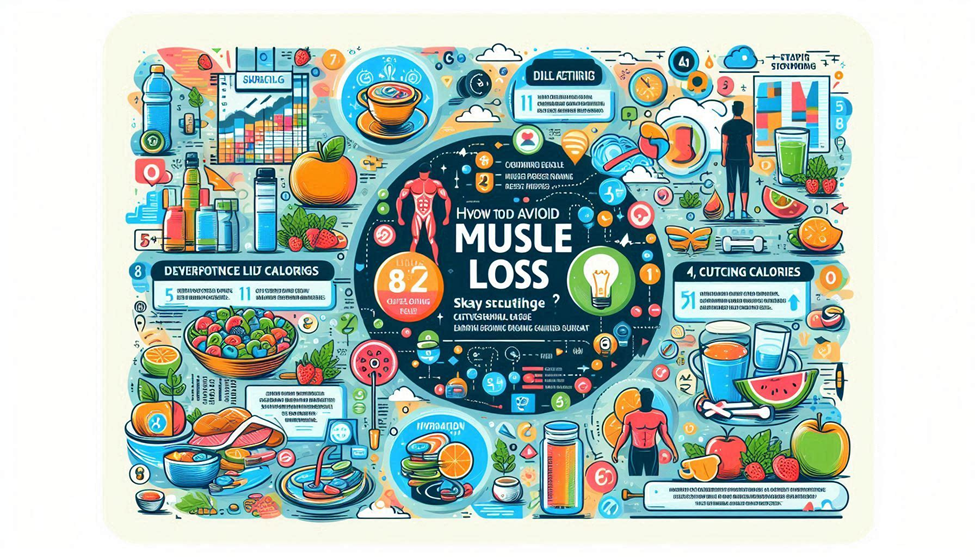
We will cover physiology, nutrition, training, recovery, lifestyle factors, and common mistakes, giving you a complete framework you can apply immediately.
Understanding Why Muscle Loss Happens During Calorie Deficits
Before learning how to prevent muscle loss, it’s essential to understand why it occurs in the first place.
Energy Balance and Muscle Tissue
Muscle is metabolically expensive tissue. When calories are restricted, the body seeks ways to conserve energy. If it perceives muscle as unnecessary or too costly to maintain, it may break it down for energy or amino acids.
Protein Breakdown vs. Protein Synthesis
Muscle mass is regulated by the balance between:
- Muscle Protein Synthesis (MPS) – building new muscle proteins
- Muscle Protein Breakdown (MPB) – breaking down existing muscle proteins
In a calorie deficit:
- MPS often decreases
- MPB may increase
If breakdown exceeds synthesis for long periods, muscle loss occurs.
Hormonal Changes during Cutting
Calorie restriction affects hormones critical to muscle retention:
- Lower insulin reduces anti-catabolic protection
- Reduced testosterone (especially in aggressive cuts)
- Increased cortical, which promotes tissue breakdown
- Reduced thyroid hormones, slowing metabolism and recovery
These changes make muscle preservation more challenging—but not impossible.
The Golden Rule: Preserve Muscle by Giving the Body a Reason to Keep It
The body retains muscle when it believes that muscle is necessary for survival and performance. Two primary signals communicate this:
- Mechanical tension (strength training)
- Adequate protein and nutrients
Every strategy in this article ultimately supports one or both of these signals.
Nutrition Strategies to Prevent Muscle Loss
1. Maintain a Moderate Calorie Deficit
One of the biggest mistakes during cutting is cutting calories too aggressively.
Why Extreme Deficits Cause Muscle Loss
- Faster drops in body weight increase lean mass loss
- Hormonal suppression becomes more severe
- Recovery from training is compromised
- Training performance declines
Optimal Deficit Range
For most people:
- 10–20% below maintenance calories is ideal
- Roughly 0.5–1% of body weight loss per week
Slower fat loss preserves more muscle, especially for lean individuals.
2. Prioritize High Protein Intake
Protein is the most critical macronutrient for muscle retention during a cut.
How Protein Protects Muscle
- Stimulates muscle protein synthesis
- Reduces muscle protein breakdown
- Increases satiety, aiding adherence
- Raises thermal effect of food
Recommended Protein Intake While Cutting
Most research supports:
- 1.6–2.4 g of protein per kg of body weight per day
- Leaner individuals may benefit from the higher end
- Resistance-trained athletes may require even more
Protein Timing and Distribution
- Spread protein evenly across meals
- Aim for 25–40 g protein per meal
- Include protein before and after training
- Consume slow-digesting protein (like casein) before sleep
3. Choose High-Quality Protein Sources
Not all proteins are equal.
Complete Protein Sources
- Eggs
- Chicken, turkey, lean beef
- Fish and seafood
- Dairy products (Greek yogurt, cottage cheese)
- Whey and casein protein
Plant-Based Options
- Soy products (tofu, temper)
- Lentils and beans (combine with grains)
- Pea and rice protein blends
Aim for proteins rich in leonine, a key trigger for muscle protein synthesis.
4. Do Not Eliminate Carbohydrates
Carbohydrates are often unfairly demonized during cutting, but they play a key role in muscle preservation.
Benefits of Crabs While Cutting
- Fuel resistance training performance
- Reduce cortical levels
- Spare protein from being used for energy
- Support glycogen stores
Practical Crab Strategy
- Prioritize crabs around workouts
- Choose complex carbohydrates: rice, oats, potatoes, fruits
- Adjust crab intake based on training volume
Low-crab approaches may work short term but often compromise performance and muscle retention.
5. Include Healthy Fats—but Don’t Overdo Them
Dietary fats support hormone production and overall health.
Recommended Fat Intake
- 20–30% of total calories
- Avoid extremely low-fat diets
Healthy Fat Sources
- Olive oil
- Avocados
- Nuts and seeds
- Fatty fish (omega-3s)
Omega-3 fatty acids may enhance muscle protein synthesis and recovery.
Training Strategies That Preserve Muscle
6. Keep Lifting Heavy Weights
Resistance training is non-negotiable during a cut.
Why Strength Training Matters
- Signals the body to maintain muscle tissue
- Maintains neuromuscular efficiency
- Preserves strength and performance
Key Rule
Train to maintain strength, not to burn calories.
If your strength is dropping rapidly, muscle loss is likely occurring.
7. Focus on Progressive Tension, Not Volume Overload
During a calorie deficit, recovery capacity is reduced.
Training Priorities While Cutting
- Maintain load and intensity
- Reduce unnecessary volume
- Focus on compound movements
Recommended Rep Ranges
- 3–6 reps for strength
- 6–12 reps for hypertrophy maintenance
Avoid turning workouts into high-rep, fat-burning circuits.
8. Avoid Excessive Cardio
Cardio can help create a calorie deficit—but too much can accelerate muscle loss.
Risks of Excessive Cardio
- Interference with strength training
- Increased cortical
- Reduced recovery
Smarter Cardio Approach
- 2–4 sessions per week
- Low-intensity steady-state (walking, cycling)
- Short HIIT sessions if well-tolerated
Let diet do most of the fat-loss work.
9. Train Each Muscle Group Frequently
Higher training frequency can help maintain muscle protein synthesis.
Effective Frequency
- 2–3 times per muscle group per week
- Split volume across sessions
This approach allows quality training without excessive fatigue.
Recovery and Lifestyle Factors
10. Prioritize Sleep like a Professional Athlete
Sleep deprivation is one of the fastest ways to lose muscle during a cut.
Effects of Poor Sleep
- Reduced testosterone
- Elevated cortical
- Decreased insulin sensitivity
- Impaired muscle recovery
Sleep Recommendations
- 7–9 hours per night
- Consistent sleep schedule
- Dark, cool, quiet environment
No supplement can replace adequate sleep.
11. Manage Stress Intentionally
Chronic stress amplifies muscle loss through cortical elevation.
Stress-Reduction Strategies
- Mindfulness or meditation
- Light physical activity (walking, mobility work)
- Breathing exercises
- Scheduling recovery days
Psychological stress matters as much as physical stress.
12. Stay Hydrated and Maintain Electrolyte Balance
Dehydration reduces training performance and muscle fullness.
Hydration Guidelines
- Drink consistently throughout the day
- Increase intake around training
- Ensure adequate sodium and potassium
Muscle tissue is largely water—hydration affects appearance and function.
Supplement Strategies (Optional but Helpful)
13. Creative Monohydrate
Creative is one of the most researched supplements available.
Benefits during Cutting
- Maintains strength
- Preserves lean mass
- Improves training performance
Dose: 3–5 g daily
14. Whey or Plant Protein Powders
Useful for meeting protein targets conveniently.
When to Use
- Post-workout
- Between meals
- When whole food intake is limited
15. Caffeine (Used Strategically)
Caffeine can improve training output and fat oxidation.
Use with Caution
- Avoid excessive reliance
- Do not disrupt sleep
Common Mistakes That Cause Muscle Loss
- Cutting Calories Too Quickly: Rapid weight loss almost guarantees lean mass loss.
- Replacing Strength Training with Cardio: This removes the primary muscle-preserving signal.
- Ignoring Protein Intake: Low protein intake is one of the most common errors.
- Training like you’re Bulking: Excessive volume without recovery leads to muscle breakdown.
- Neglecting Recovery: Muscle is preserved during recovery—not during workouts.
Adjusting Your Approach Based on Experience Level
Beginners
- Often maintain or gain muscle while cutting
- Focus on consistency and form
Intermediate Lifters
- Require precise nutrition and training balance
- Protein and recovery become critical
Advanced Lifters
- Must cut slowly
- Require high protein, heavy loads, and careful fatigue management
The leaner and more advanced you are, the more conservative your cut should be.
Tracking Progress without Panic
Metrics to Monitor
- Strength levels
- Body measurements
- Progress photos
- Training performance
Avoid obsessing over daily scale fluctuations.
Long-Term Perspective: Cutting Is a Phase, Not a Lifestyle
Extended calorie deficits increase muscle loss risk over time.
Smart Cutting Cycles
- Cut for 8–16 weeks
- Take diet breaks or maintenance phases
- Restore hormones and performance
Sustainable progress beats aggressive short-term results.
Conclusion
Avoiding muscle loss while cutting calories is not about using extreme methods or relying on shortcuts—it is about applying consistent, evidence-based principles with patience and discipline. Muscle is earned through months or even years of progressive training, and preserving it during fat loss requires respecting the body’s physiological needs rather than trying to fight against them through starvation or overtraining.
The foundation of successful muscle retention during a calorie deficit lies in maintaining a moderate and sustainable deficit, not an aggressive one. Slower fat loss better supports hormonal balance, training performance, and recovery. When calorie intake is cut too severely, the body responds by lowering metabolic rate, increasing fatigue, and using muscle tissue as an energy source. A controlled deficit—typically resulting in a loss of about 0.5–1% of body weight per week—allows fat to be lost while signaling to the body that muscle mass is still necessary.
Equally important is continued resistance training. Strength training provides the primary stimulus that tells the body to retain muscle during periods of reduced energy intake. Maintaining training intensity, even if overall volume is slightly reduced, helps preserve neuromuscular efficiency and muscle protein synthesis. Simply eating protein without lifting weights is not enough to protect muscle.
Adequate protein intake further reinforces muscle retention. Higher protein intakes during a cut help offset the increased risk of muscle breakdown, support satiety, and enhance recovery. Distributing protein evenly across meals improves amino acid availability and supports muscle protein synthesis throughout the day.
Finally, recovery factors such as sleep, stress management, and planned diet breaks play a critical role. Poor sleep and chronic stress elevate cortical, which can accelerate muscle loss. Strategic reefed days or short maintenance phases can help restore training performance and hormonal balance.
In summary, preserving muscle while cutting calories requires a balanced approach: moderate energy restriction, consistent strength training, sufficient protein, and proper recovery. When these principles are applied patiently and consistently, fat loss can occur without sacrificing hard-earned muscle.
SOURCES
Phillips, S. M. (2014) – Protein requirements and muscle mass preservation during weight loss
Helms, E., Aragon, A., & Fischer, P. (2014) – Evidence-based recommendations for natural bodybuilding contest preparation
Schoenfeld, B. J. (2010) – The mechanisms of muscle hypertrophy and their application to resistance training
Schoenfeld, B. J. (2016) – Science and development of muscle hypertrophy
Morton, R. W. et al. (2018) – Protein intake to maximize resistance training–induced gains
Phillips, S. M., & Van Loon, L. J. (2011) – Dietary protein for athletes
Arête, J. L. et al. (2013) – Timing and distribution of protein ingestion during recovery
Mettle, S., Mitchell, N., & Tipton, K. D. (2010) – Increased protein intake reduces lean body mass loss
Paitakes, S. M. et al. (2013) – Higher protein diets preserve lean mass during energy deficit
Hall, K. D. (2018) – Metabolic adaptations to weight loss
Duello, A. G., Jacque, J., & Montana, J. P. (2012) – Adaptive thermo genesis and body composition
Drexler, E. T. et al. (2014) – Metabolic adaptation to dieting
Murphy, C. H., & Koehler, K. (2020) – Energy availability and muscle preservation
Krieger, R. B. et al. (2010) – ISSN exercise and sport nutrition review
Churchward-Venne, T. A. et al. (2012) – Muscle protein synthesis and resistance exercise
Burke, L. M., & Dakin, V. (2015) – Clinical sports nutrition
Garth, I. et al. (2011) – Effect of two different weight-loss rates on body composition
Langland, T. M. et al. (2016) – Higher protein intake preserves lean mass during hypo caloric diet
Hackney, A. C. (2020) – Stress hormones and exercise adaptation
Cattalo, M. et al. (2011) – Sleep and muscle recovery
Ready, P. T., & Rasmussen, B. B. (2016) – Protein intake and muscle health
Slater, G., & Phillips, S. M. (2011) – Nutrition guidelines for strength sports
Waterberg, P. (2018) – Negative energy balance and lean mass loss
Stokes, T. et al. (2018) – Resistance training and muscle preservation in energy deficit
Tipton, K. D., & Wolfe, R. R. (2001) – Exercise-induced changes in muscle protein metabolism
HISTORY
Current Version
Dec 15, 2025
Written By
ASIFA
0 Comments