Introduction
The intricate interplay between psychological stress and physiological inflammatory responses represents a critical axis in human health, with profound and often distinct implications for women. While inflammation is a fundamental and protective immune response to injury or pathogen invasion, its dysregulation—characterized by chronic, low-grade systemic inflammation—is a recognized cornerstone in the pathogenesis of a vast array of disorders, from cardiovascular disease and diabetes to depression and autoimmune conditions. For women, this relationship is not merely a scaled version of the male experience but is fundamentally modulated by a unique biological landscape dominated by sex hormones, reproductive life stages, and sociocultural factors that shape stress exposure and perception. The female body exists in a state of dynamic hormonal flux across the menstrual cycle, pregnancy, postpartum, and the menopausal transition, each phase altering the set-point for both stress reactivity and inflammatory tone. Furthermore, women are statistically more likely to experience certain forms of chronic stress, including caregiving burdens and gender-based discrimination, while also exhibiting differences in hypothalamic-pituitary-adrenal (HPA) axis and autonomic nervous system (ANS) function compared to men. This confluence of factors creates a gendered dimension to the stress-inflammatory cascade, influencing disease susceptibility, progression, and outcomes. Understanding this complex nexus is paramount for developing targeted interventions and moving beyond a one-size-fits-all model of medicine. This exploration delves into the mechanisms linking stress to inflammation, examines the moderating role of female-specific biology across the lifespan, analyzes the clinical health consequences for women, and considers psychosocial and therapeutic dimensions, thereby providing a comprehensive overview of a pivotal issue in women’s health.
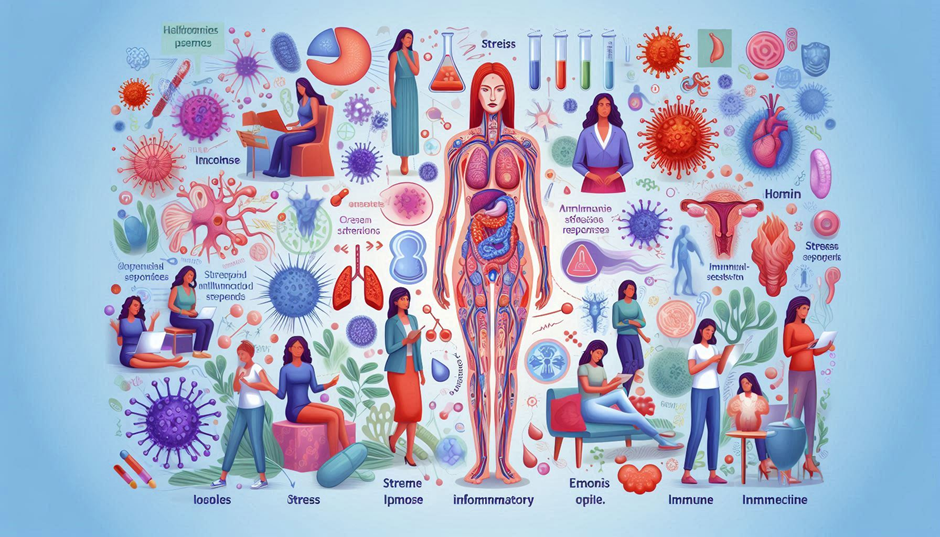
1. The Psychoneuroimmunological Pathways: How Stress Begets Inflammation
The connection between a psychological state and a systemic biological response is mediated by sophisticated communication networks, primarily the HPA axis and the sympathetic nervous system (SNS), which together orchestrate the body’s reaction to perceived threats. When a stressor is encountered, the brain’s amygdala triggers a cascade. The hypothalamus secretes corticotropin-releasing hormone (CRH), which stimulates the pituitary gland to release adrenocorticotropic hormone (ACTH). ACTH then signals the adrenal glands to produce and release glucocorticoids, chiefly cortisol in humans. Concurrently, the SNS is activated, leading to the release of catecholamines like norepinephrine and epinephrine from the adrenal medulla and sympathetic nerve endings. These classic stress hormones prepare the body for “fight or flight” by increasing heart rate, mobilizing energy, and sharpening focus. However, their interaction with the immune system is where the link to inflammation is forged.
Immune cells are replete with receptors for both glucocorticoids and catecholamines, making them exquisitely sensitive to these chemical messengers. Traditionally, cortisol was understood to be a potent anti-inflammatory agent, and acute stress can indeed suppress some aspects of immunity, such as wound healing, via this mechanism. Yet, the reality is far more nuanced, particularly in the context of chronic stress. Prolonged or repeated stress exposure can lead to a phenomenon known as glucocorticoid resistance. Here, immune cells, such as monocytes and macrophages, become less responsive to the suppressive signals of cortisol. This resistance is akin to insulin resistance in metabolic disorders; the signal is present, but the cells no longer heed it effectively. Consequently, the body’s primary brake on inflammation is compromised, allowing inflammatory processes to proceed unchecked. Moreover, stress hormones can directly provoke pro-inflammatory signaling. Catecholamines, through binding to β-adrenergic receptors on immune cells, can activate the transcription factor nuclear factor-kappa B (NF-κB), a master switch that turns on the production of pro-inflammatory cytokines like interleukin-6 (IL-6), tumor necrosis factor-alpha (TNF-α), and C-reactive protein (CRP). This pathway is particularly salient in the context of chronic psychosocial stress.
Furthermore, stress can trigger inflammatory responses through non-classical pathways. The SNS can directly innervate lymphoid organs, releasing local neurotransmitters that modulate immune cell activity. Stress also disrupts the integrity of the gut barrier, leading to increased intestinal permeability (“leaky gut”), which allows bacterial endotoxins like lipopolysaccharide (LPS) to enter circulation, triggering a systemic immune response. Additionally, psychological stress promotes oxidative stress and cellular damage, which themselves are potent inflammatory stimuli. The cumulative effect of these pathways is a state of low-grade, systemic inflammation, measurable by elevated circulating levels of IL-6, TNF-α, and CRP. This sterile inflammation (not caused by active infection) creates a fertile ground for disease. Crucially, estrogen and progesterone directly interact with these pathways, modulating the expression and sensitivity of glucocorticoid and adrenergic receptors, thereby creating a biological context in women that differentially shapes the stress-to-inflammation pipeline compared to men.
2. The Modulating Role of Female Biology and Reproductive Transitions
The female experience of stress and inflammation cannot be divorced from the powerful influence of sex hormones and the profound physiological shifts of reproductive life stages. Estrogen, in particular, exhibits a dual and context-dependent role, often described as having both pro- and anti-inflammatory effects. Generally, at premenopausal levels, estradiol tends to have immune-enhancing effects at the mucosal level (which may contribute to women’s generally stronger adaptive immunity and higher prevalence of autoimmune diseases) but can also have anti-inflammatory effects in the cardiovascular and central nervous systems. It influences HPA axis reactivity, with evidence suggesting women may have a more sensitized CRH response to certain stressors. Progesterone and its metabolite allopregnanolone also play key roles, generally exerting calming, anti-inflammatory, and neuroprotective effects, partly by potentiating the inhibitory neurotransmitter GABA.
These hormonal influences create rhythmic and life-stage-specific patterns in inflammatory biology. Across the menstrual cycle, inflammatory markers can fluctuate. The late luteal phase, characterized by declining levels of both estrogen and progesterone, is often associated with a relative increase in pro-inflammatory cytokines. This shift may underlie the exacerbation of inflammatory conditions like rheumatoid arthritis or migraine in some women premenstrually and contribute to the somatic and affective symptoms of premenstrual syndrome. Pregnancy represents the most dramatic immunological shift, requiring a delicate balance where the mother’s immune system tolerates the semi-allogeneic fetus while maintaining defense against pathogens. This state is characterized by a bias towards anti-inflammatory, adaptive responses, with elevated progesterone and cortisol playing key roles in suppressing maternal cell-mediated immunity. However, this adapted state is precisely programmed. Excessive maternal stress during pregnancy can disrupt this balance, leading to elevated pro-inflammatory cytokines. This stress-induced inflammation is a significant risk factor for adverse outcomes, including preterm birth, preeclampsia, and low birth weight, and has been linked to altered neurodevelopment in the child, potentially via epigenetic mechanisms.
The postpartum period is marked by a rapid hormonal withdrawal and a rebound of inflammatory activity, coinciding with a window of heightened vulnerability. This inflammatory shift, superimposed on the stresses of newborn care, sleep deprivation, and psychological adjustment, is thought to contribute to the etiology of postpartum depression and anxiety, conditions now strongly linked to elevated inflammatory markers. Finally, the menopausal transition heralds a permanent decline in ovarian production of estradiol and progesterone. The loss of estrogen’s protective modulation is associated with a significant increase in systemic inflammation, marked by rising levels of IL-6, TNF-α, and CRP. This postmenopausal inflammatory surge is a primary mediator linking menopause to its associated long-term health risks, particularly atherosclerotic cardiovascular disease, which becomes a leading cause of mortality for women after menopause. The menopausal transition is often accompanied by vasomotor symptoms (hot flashes), which themselves have been correlated with higher CRP and endothelial dysfunction, suggesting they may be a clinical manifestation of underlying inflammatory dysregulation. Thus, from menarche to menopause and beyond, a woman’s inflammatory set-point is in constant dialogue with her hormonal milieu, making the impact of stress contingent upon this ever-changing biological context.
3. Clinical and Health Consequences of Stress-Driven Inflammation in Women
The chronic, low-grade inflammation fueled by unmitigated stress manifests across multiple organ systems, contributing to a disproportionate burden of certain chronic diseases in women. One of the most significant consequences is in cardiovascular health. While premenopausal women are relatively protected against atherosclerosis compared to age-matched men, this advantage disappears after menopause. Stress-induced inflammation is a key driver of this shift. Inflammatory cytokines promote endothelial dysfunction, the recruitment of monocytes into the arterial wall, the formation of fatty streaks, and the destabilization of atherosclerotic plaques, leading to acute events like myocardial infarction and stroke. Women with histories of chronic stress, such as that from caregiving or work-family conflict, show heightened inflammatory profiles and subclinical markers of cardiovascular risk. Furthermore, conditions like depression and anxiety—which are more prevalent in women and are themselves potentiated by inflammation—further amplify cardiovascular risk through shared inflammatory pathways.
The link between stress, inflammation, and psychiatric disorders in women is a major area of research. The inflammatory hypothesis of depression posits that pro-inflammatory cytokines can access the brain, altering neurotransmitter metabolism (e.g., reducing serotonin and dopamine), inducing sickness behavior (anhedonia, fatigue, social withdrawal), and activating the HPA axis. Women’s generally more robust inflammatory responses may partly explain their nearly twofold greater lifetime risk of major depressive disorder compared to men. This is particularly evident in postpartum depression, where the confluence of hormonal withdrawal, sleep disruption, and psychological stress creates a perfect inflammatory storm. Similarly, anxiety disorders and post-traumatic stress disorder (PTSD), the latter being twice as common in women, are associated with elevated CRP and IL-6, suggesting inflammation may mediate the link between traumatic stress exposure and sustained psychopathology.
A third critical domain is autoimmune and pain disorders. Approximately 80% of individuals with autoimmune diseases are women. Stress is a well-documented trigger for the onset and exacerbation of conditions like systemic lupus erythematosus, rheumatoid arthritis, multiple sclerosis, and Hashimoto’s thyroiditis. The pathways involve stress-induced HPA axis dysregulation (often showing blunted cortisol output in these conditions), direct immune cell activation via catecholamines, and increased intestinal permeability. Inflammation is the final common pathway of tissue damage in these illnesses. Moreover, centralized pain conditions that disproportionately affect women, such as fibromyalgia and chronic fatigue syndrome/myalgic encephalomyelitis, are characterized by a state of chronic low-grade inflammation and central sensitization, where the nervous system becomes hyper-reactive to pain signals. Stress perpetuates this cycle by amplifying inflammatory signals and disrupting pain-modulating pathways in the brain. Finally, the intersection of stress, inflammation, and metabolic health is pivotal. Chronic stress promotes visceral fat accumulation, a highly pro-inflammatory tissue that secretes its own cytokines (adipokines), creating a vicious cycle of inflammation and insulin resistance, leading to increased risk for type 2 diabetes and metabolic syndrome. This pathway may be particularly salient for women experiencing the metabolic shifts of perimenopause.
4. Psychosocial Context, Resilience, and Intervention Strategies
The experience of stress is not merely a biological event but is deeply embedded in a woman’s psychosocial and environmental context. Women are exposed to unique and often chronic stressors that have measurable inflammatory consequences. Gender-based discrimination, sexual harassment, and intimate partner violence are profound psychosocial stressors that have been consistently linked to elevated inflammatory markers like CRP and IL-6. The constant vigilance and perceived threat associated with these experiences can lead to allostatic load—the cumulative wear and tear on the body from chronic stress. The “motherhood penalty” and the “double burden” of professional work and unpaid domestic/caregiving labor represent chronic strains that can sustain inflammatory states. Caregiving for sick or elderly family members, a role disproportionately undertaken by women, is a classic example of a chronic stressor associated with heightened inflammation, depression, and cardiovascular risk. Furthermore, socioeconomic status, which intersects with gender, is a powerful determinant of stress exposure and inflammatory load, with lower socioeconomic position being linked to higher CRP levels.
Understanding these risk factors necessitates a parallel focus on resilience—the ability to adapt positively to adversity. Resilience is not simply the absence of stress but involves active processes that buffer its physiological impact. Key psychological resilience factors include cognitive reappraisal (reframing a stressor’s meaning), mindfulness, a sense of purpose, and strong social support. On a biological level, resilience is associated with more adaptive HPA axis function (e.g., swift cortisol recovery after a stressor), higher heart rate variability (indicating healthy ANS flexibility), and lower baseline inflammation. Social support, in particular, has a demonstrable “stress-buffering” effect; perceived support is linked to lower inflammatory responses to lab-induced stressors and lower baseline CRP. Interventions, therefore, must target both the reduction of harmful stressors (through policy, societal change, and empowerment) and the enhancement of individual resilience.
Fortunately, a range of evidence-based interventions can effectively mitigate the stress-inflammatory cascade in women. Mind-body practices are especially potent. Mindfulness-Based Stress Reduction (MBSR) and meditation have been shown to reduce pro-inflammatory gene expression, NF-κB activity, and levels of CRP. Regular moderate physical exercise is one of the most powerful anti-inflammatory interventions, promoting the release of myokines from muscles that have systemic anti-inflammatory effects and improving glucocorticoid sensitivity. Cognitive-behavioral therapy (CBT) can alter maladaptive thought patterns that perpetuate stress reactivity. Dietary patterns rich in anti-inflammatory foods—such as the Mediterranean diet, abundant in fruits, vegetables, whole grains, nuts, and olive oil—directly lower inflammatory markers. Adequate and regular sleep is critical, as sleep disruption is itself a potent inflammatory trigger. For women in specific life stages, hormonal therapies (like hormone therapy during menopause) may directly modulate inflammatory pathways, though their use must be individualized. Ultimately, a integrative, biopsychosocial approach that acknowledges the unique stressors women face and leverages their biological context offers the most promising path to breaking the cycle of stress and inflammation.
Conclusion
The relationship between stress and inflammatory responses in women’s bodies is a paradigm of biopsychosocial complexity. It is a narrative woven from the threads of neuroendocrine circuitry, the powerful sway of sex hormones across a lifespan, and the sobering realities of gendered psychosocial experiences. The evidence is clear: chronic psychological stress, mediated through dysregulation of the HPA axis and sympathetic nervous system, promotes a state of systemic, low-grade inflammation. In women, this process is not a static phenomenon but is dynamically interpreted through the lens of ovarian function, from the cyclical rhythms of the menstrual cycle to the tectonic shifts of pregnancy and menopause. The clinical ramifications are vast, contributing significantly to women’s elevated risk for cardiovascular disease, depression, autoimmune pathologies, and chronic pain conditions. Yet, within this challenge lies opportunity. Recognizing the specific vulnerabilities created by this nexus—such as during the postpartum period or menopausal transition—allows for targeted screening and prevention. Moreover, the very plasticity of the systems involved means they are amenable to intervention. Empowering women through societal changes that reduce gendered stressors, alongside promoting individual resilience through mind-body practices, physical activity, and social connection, can effectively dampen the inflammatory fire. Future research must continue to disentangle the precise mechanisms at different life stages and across diverse populations of women. By moving beyond a unisex model of pathophysiology, healthcare can better address the root causes of chronic disease and foster resilience, ultimately supporting a more holistic vision of women’s health across the entire lifespan.
SOURCES
Black, D. S., & Slavich, G. M. (2016). Mindfulness meditation and the immune system: a systematic review of randomized controlled trials. Annals of the New York Academy of Sciences.
Elenkov, I. J., & Chrousos, G. P. (2006). Stress system–organization, physiology and immunoregulation. Neuroimmunomodulation.
Glaser, R., & Kiecolt-Glaser, J. K. (2005). Stress-induced immune dysfunction: implications for health. Nature Reviews Immunology.
Goldstein, J. M., Hale, T., Foster, S. L., Tobet, S. A., & Handa, R. J. (2019). Sex differences in major depression and comorbidity of cardiometabolic disorders: impact of prenatal stress and immune exposures. Neuropsychopharmacology.
Kiecolt-Glaser, J. K., & Glaser, R. (2002). Depression and immune function: central pathways to morbidity and mortality. Journal of Psychosomatic Research.
Klein, S. L., & Flanagan, K. L. (2016). Sex differences in immune responses. Nature Reviews Immunology.
Lynch, H. E., & Stewart, S. M. (2021). Sex differences in vulnerability to inflammation and chronic disease. Social Science & Medicine.
McEwen, B. S. (1998). Stress, adaptation, and disease: Allostasis and allostatic load. Annals of the New York Academy of Sciences.
Miller, G. E., & Raison, C. L. (2016). The role of inflammation in depression: from evolutionary imperative to modern treatment target. Nature Reviews Immunology.
Nusslock, R., & Miller, G. E. (2016). Early-life adversity and physical and emotional health across the lifespan: a neuroimmune network hypothesis. Biological Psychiatry.
Osborne, L. M., & Gilden, J. (2020). Revisiting the inflammatory theory of depression: the role of reproductive hormones. Current Psychiatry Reports.
Pace, T. W., & Heim, C. M. (2011). A short review on the psychoneuroimmunology of posttraumatic stress disorder: from risk factors to medical comorbidities. Brain, Behavior, and Immunity.
Rohleder, N. (2014). Stimulation of systemic low-grade inflammation by psychosocial stress. Psychosomatic Medicine.
Sapolsky, R. M. (2004). Social status and health in humans and other animals. Annual Review of Anthropology.
Slavich, G. M., & Sacher, J. (2019). Stress, sex hormones, inflammation, and major depressive disorder: Extending Social Signal Transduction Theory of Depression to account for sex differences in mood disorders. Psychopharmacology.
Taylor, S. E., et al. (2000). Biobehavioral responses to stress in females: tend-and-befriend, not fight-or-flight. Psychological Review.
Tyrka, A. R., et al. (2016). Sex differences in stress-related psychiatric disorders: neurobiological perspectives. Frontiers in Neuroendocrinology.
HISTORY
Current Version
Jan 02, 2026
Written By
BARIRA MEHMOOD

0 Comments