Introduction
Stress is an unavoidable aspect of modern life, influencing nearly every dimension of human health. In the context of fitness and performance, its effects are profound. While traditional training paradigms emphasize progressive overload, nutrition, and recovery, research increasingly highlights the role of mental state—particularly stress—as a critical factor that can accelerate or derail fitness adaptations.
Cortical, often referred to as the “stress hormone,” acts as the primary biochemical mediator of the body’s stress response. Produced by the adrenal glands in response to physical or psychological stressors, cortical serves several vital functions: regulating metabolism, maintaining blood sugar, modulating immune responses, and facilitating cardiovascular function. However, chronic elevation of cortical can lead to catabolic states, where muscle tissue breaks down, recovery slows, and performance diminishes.
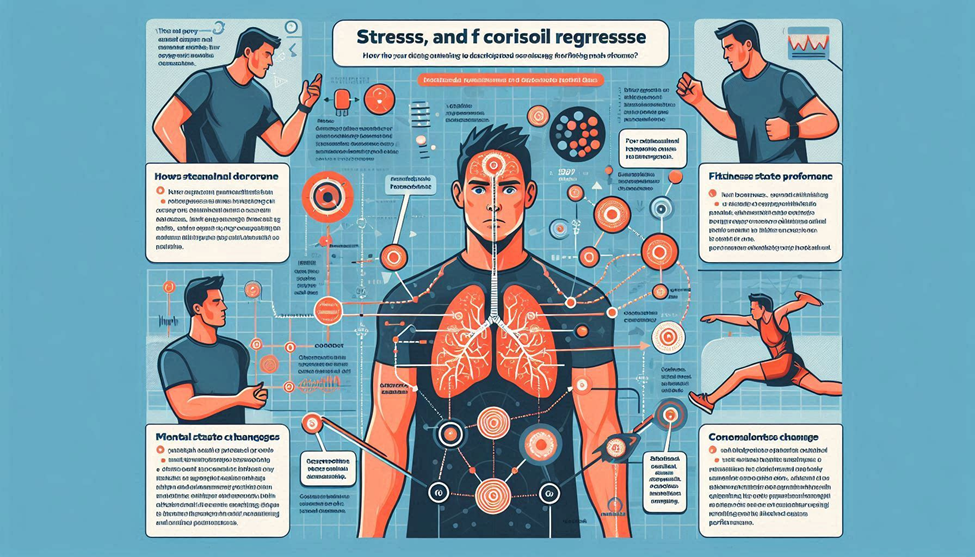
Fitness regression—defined as the decline in physical performance, strength, or endurance despite ongoing training—frequently occurs when stress and cortical levels are chronically elevated. Unlike the normal, short-term physiological adaptations to acute stress (which are beneficial for performance), sustained high cortical disrupts hormonal balance; sleep quality, energy metabolism, and neuromuscular function, ultimately impairing gains in strength, hypertrophy, and endurance.
This guide explores the complex interplay between mental stress, cortical regulation, and physical performance, offering evidence-based insights, practical strategies, and intervention protocols for athletes, recreational lifters, and health-conscious individuals.
2. Understanding Stress and the HPA Axis
2.1 What Is Stress?
Stress is the body’s physiological and psychological response to any perceived threat, demand, or challenge. Stressors can be acute (e.g., a heavy training session, public speaking, or sprint interval) or chronic (e.g., work pressure, financial worries, sleep deprivation). The body’s response involves activation of the hypothalamic-pituitary-adrenal (HPA) axis, which orchestrates hormonal and autonomic adjustments.
2.2 The HPA Axis and Cortical Production
- The hypothalamus releases corticotrophin-releasing hormone (CRH).
- CRH stimulates the pituitary gland to secrete adrenocorticotropic hormone (ACTH).
- ACTH signals the adrenal cortex to release cortical into the bloodstream.
Cortical prepares the body for a fight-or-flight response by:
- Increasing blood glucose via gluconeogenesis
- Mobilizing fatty acids from adipose tissue
- Enhancing cardiovascular tone
- Suppressing non-essential systems (immune, digestive, reproductive)
While adaptive in acute scenarios, chronic activation leads to catabolism, immunosuppressant, and hormonal imbalances.
2.3 Acute vs. Chronic Stress
- Acute Stress: Short-term cortical spikes can improve alertness, energy, and performance.
- Chronic Stress: Persistent elevation leads to negative outcomes: decreased muscle mass, impaired recovery, insulin resistance, and mood disorders.
3. How Cortical Directly Impacts Fitness Performance
3.1 Muscle Catabolism
Cortical promotes protein breakdown in skeletal muscle to supply amino acids for gluconeogenesis. Over time:
- Strength declines
- Muscle mass regresses
- Recovery from workouts slows
3.2 Energy Metabolism
- Increases blood glucose initially, but chronic cortical can lead to insulin resistance, fat deposition (especially visceral fat), and reduced energy efficiency.
- Lipid mobilization can elevate circulating free fatty acids, contributing to oxidative stress.
3.3 Neuromuscular Function
High cortical levels are linked to:
- Reduced neuromuscular coordination
- Impaired motor unit recruitment
- Increased perceived exertion during training
- Delayed reaction times, affecting sport-specific performance
3.4 Impact on Recovery and Sleep
Cortical follows a diurnal rhythm, peaking in the early morning and declining at night. Chronic stress disrupts this cycle, leading to:
- Poor sleep quality
- Altered REM and deep sleep phases
- Impaired growth hormone secretion (critical for tissue repair)
- Accumulated fatigue and reduced training adaptations
4. Psychological Stress and Its Behavioral Consequences
4.1 Motivation and Adherence
Chronic stress reduces intrinsic motivation and increases mental fatigue. Individuals may:
- Skip workouts
- Reduce training intensity
- Exhibit inconsistent nutrition habits
4.2 Emotional Eating and Dietary Stress Responses
Stress triggers:
- Increased cravings for energy-dense foods
- Overconsumption of refined crabs and sugars
- Impaired nutrient timing, leading to poor recovery
4.3 Cognitive Impairment
Stress and elevated cortical impair executive function, resulting in:
- Poor exercise planning
- Reduced focus during skill-based training
- Mistakes in form and technique, increasing injury risk
5. Fitness Regression: Signs and Mechanisms
5.1 Signs of Stress-Induced Regression
- Strength plateaus or decreases
- Slower endurance times
- Increased injury frequency
- Delayed recovery
- Persistent fatigue and low motivation
5.2 Physiological Mechanisms
- Muscle protein breakdown exceeds synthesis
- Decreased anabolic hormone levels (testosterone, IGF-1)
- Elevated inflammatory cytokines
- Deregulated autonomic nervous system (reduced parasympathetic activity)
5.3 Training Load Mismanagement
Combining high-intensity training with chronic stress exacerbates regression:
- Overtraining syndrome can mimic stress-induced regression
- Excessive cortical suppresses adaptive signaling pathways
- Neurological fatigue accumulates faster
6. The Cortical-Testosterone Balance
6.1 Anabolic-Catabolic Ratios
- Testosterone promotes muscle growth
- Cortical promotes muscle breakdown
Chronic stress shifts the anabolic-catabolic balance toward catabolism, reducing training adaptations.
6.2 Effects on Recovery Hormones
- Growth hormone and IGF-1 secretion are blunted under stress
- Poor sleep further suppresses anabolic hormone release
- Result: delayed tissue repair and increased injury susceptibility
7. Stress and Cardio respiratory Performance
7.1 VO2max and Cardiovascular Response
High cortical impairs:
- Stroke volume
- Cardiac output efficiency
- Oxygen delivery to working muscles
7.2 Endurance and Fatigue Resistance
- Stress-induced sympathetic over activation leads to premature fatigue
- Lactate threshold may decline
- Recovery between bouts of high-intensity exercise slows
8. Stress, Cortical, and Metabolic Adaptations
8.1 Insulin Resistance and Glucose Metabolism
- Chronic cortical increases hepatic gluconeogenesis
- Reduces peripheral glucose uptake
- Leads to energy inefficiency during exercise
8.2 Fat Deposition Patterns
- Elevated cortical promotes visceral adiposity
- Impacts body composition, decreasing muscle definition and increasing metabolic risk
8.3 Mitochondrial Function
- Stress-induced oxidative damage impairs mitochondrial efficiency
- Reduces ATP production, directly affecting performance and endurance
9. Psycho physiological Feedback Loops
9.1 Mental Fatigue and Performance Decline
- Cortical influences neurotransmitters (dopamine, serotonin)
- Chronic stress leads to perceived exertion increase
- Training sessions feel harder even at similar workloads
9.2 Anxiety, Rumination, and Performance Anxiety
- Pre-competition stress elevates cortical
- Impairs fine motor skills and decision-making
- Can negate months of conditioning if unmanaged
10. Stress Assessment and Monitoring for Athletes
- Biochemical Measures
- Salivary cortical
- Blood cortical
- Cortical/testosterone ratio
- Physiological Measures
- Heart rate variability (HRV)
- Resting heart rate
- Sleep quality and duration
- Subjective Measures
- Perceived stress scales (PSS)
- Daily mood tracking
- Training log fatigue ratings
11. Strategies to Mitigate Stress-Induced Fitness Regression
- Psychological Interventions
- Mindfulness meditation
- Cognitive behavioral therapy (CBT)
- Breathing exercises and biofeedback
- Lifestyle Interventions
- Sleep hygiene (7–9 hours, consistent schedule)
- Time management and prioritization
- Social support networks
- Training Modifications
- Per iodization to reduce overtraining risk
- Reload weeks
- Alternating high-intensity with low-intensity sessions
- Incorporating active recovery (yoga, mobility, light cardio)
- Nutrition Strategies
- Adequate protein intake to counter catabolism
- Balanced macronutrient distribution
- Anti-inflammatory foods (omega-3s, polyphones)
- Timing carbohydrate intake around training for glycogen replenishment
- Hormonal and Supplement Considerations
- Adapt gens (ashwagandha, rhodiola) may moderate cortical
- Magnesium and zinc support stress adaptation
- Avoid excess caffeine late in the day to protect sleep
12. Stress Management in Specific Populations
- Elite Athletes
- High training volume + competition stress requires active monitoring
- HRV, sleep tracking, and recovery metrics are critical
- Psychological coaching can mitigate competitive anxiety
- Recreational Lifters
- Work and family stress can subtly reduce motivation and performance
- Flexibility in program adherence helps maintain gains
- Older Adults
- Aging increases susceptibility to cortical-induced muscle loss
- Stress management is vital to prevent sarcopenia
13. Integrating Mental State into Training Programs
- Holistic Training Design
- Incorporate stress management, nutrition, recovery, and per iodization
- Avoid overemphasis on volume or intensity without considering mental load
- Monitoring and Feedback
- Daily logs, wearable devices, HRV, and perceived exertion provide actionable feedback
- Adjust training loads dynamically based on stress levels
- Education and Self-Awareness
- Teaching athletes and clients about the impact of stress on performance empowers behavior change
- Self-monitoring improves adherence and reduces fitness regression risk
14. Long-Term Implications of Stress-Induced Regression
- Chronic high cortical accelerates muscle atrophy, joint degeneration, and cardiovascular strain
- Impaired neuroplasticity reduces skill acquisition and adaptability
- Failure to address mental stress can negate physical gains, regardless of program quality
15. Case Studies and Practical Applications
- Case Study: Collegiate Endurance Athlete
- Chronic academic stress + high-volume training led to VO2max decline
- Intervention: 4-week mindfulness + HRV-guided training program
- Outcome: Recovery of endurance performance and improved HRV scores
- Case Study: Middle-Aged Recreational Lifter
- High workplace stress + insufficient sleep
- Performance regression in squat and bench press
- Intervention: Structured reload, improved sleep, reduced evening caffeine
- Outcome: Strength recovery and improved workout adherence
- Lessons Learned
- Mental state monitoring is as important as physical load tracking
- Personalized interventions yield superior results
- Stress management is a core component of long-term fitness maintenance
16. Professional Recommendations
Stress and cortical exert profound influences on training adaptations, performance, and overall fitness. Chronic psychological or physiological stress disrupts recovery, catabolizes muscle tissue, alters metabolic efficiency, and reduces neuromuscular performance. Conversely, acute stress can transiently enhance alertness and energy, illustrating the nuanced relationship between mental state and physical output.
Key recommendations:
- Monitor stress regularly: HRV, sleep, mood, and cortical ratios
- Per iodize training intelligently: Include reloads and low-intensity phases
- Prioritize recovery and sleep: Align circadian rhythm and hormonal balance
- Incorporate psychological strategies: Mindfulness, CBT, and relaxation training
- Optimize nutrition and supplementation: Protein, anti-inflammatory foods, adapt gens
- Educate athletes and clients: Awareness of stress effects improves adherence and outcomes
By integrating mental state management into fitness programming, athletes and fitness enthusiasts can protect against performance regression, enhance recovery, and maximize long-term adaptations. Stress is not merely a side factor—it is a central determinant of success in training and physical development.
Conclusion
Stress is an omnipresent element in modern life, and its physiological marker, cortical, profoundly affects the trajectory of physical performance. While acute stress can temporarily enhance alertness and energy, chronic elevation disrupts the delicate balance between anabolism and catabolism, leading to muscle breakdown, impaired recovery, and metabolic inefficiency. The consequences extend beyond physical measures, influencing motivation, adherence, cognitive function, and emotional well-being. Fitness regression is therefore not simply a result of inadequate training or nutrition—it is a multifactorial phenomenon where mental state, hormonal balance and lifestyle factors converge.
Athletes, recreational lifters, and older adults are particularly vulnerable to stress-induced performance declines, though the mechanisms are universal: elevated cortical suppresses anabolic hormones, impairs sleep, disrupts energy metabolism, and diminishes neuromuscular function. Moreover, chronic stress affects behavioral patterns, promoting poor dietary choices, reduced motivation, and inconsistent training, further exacerbating regression.
Effectively addressing stress requires a holistic approach. Evidence-based strategies include per iodized training programs that account for mental load, structured recovery protocols, mindfulness practices, sleep optimization, nutritional interventions, and, when appropriate, supplementation to support hormonal balance. Objective monitoring through HRV, cortical assays, and performance tracking, combined with subjective self-assessment, enables practitioners to make data-driven adjustments that mitigate regression.
Ultimately, stress management is not ancillary—it is integral to fitness success. By understanding the intricate interplay between cortical, mental state, and physical performance, individuals can preserve gains, accelerate recovery, and optimize training outcomes. Prioritizing mental well-being alongside physical conditioning ensures that performance improvements are sustainable, measurable, and resilient to the inevitable stressors of life. Fitness is therefore not solely a matter of strength, endurance, or technique—it is a reflection of the mind-body equilibrium, with stress and cortical as central modulators of success.
SOURCES
McEwen, B.S. (2007). Physiology and neurobiology of stress and adaptation: Central role of the brain. Physiological Reviews, 87(3), 873–904.
Sapolsky, R.M. (2004). Why zebras don’t get ulcers: The acclaimed guide to stress, stress-related diseases, and coping. New York: Henry Holt and Company.
Charmandari, E., Tsigos, C., & Chrousos, G. (2005). Endocrinology of the stress response. Annual Review of Physiology, 67, 259–284.
Segos, C., & Choruses, G.P. (2002). Hypothalamic–pituitary–adrenal axis, neuroendocrine factors, and stress. Journal of Psychosomatic Research, 53(4), 865–871.
Kraemer, W.J., & Retimes, N.A. (2005). Hormonal responses and adaptations to resistance exercise and training. Sports Medicine, 35(4), 339–361.
Heaney, J.L., Carroll, D., & Phillips, A.C. (2010). Physical activity, stress reactivity, and cortical: A systematic review. Psychophysiology, 47(2), 210–220.
Tsai, A.G., & Choy, D. (2017). Stress and overtraining: Neuroendocrine and metabolic consequences. Journal of Sports Science & Medicine, 16(3), 339–348.
Hill, E.E., Zack, E., Battalion, C., Virus, M., & Hackney, A.C. (2008). Exercise and circulating cortical levels: The intensity effect. Journal of Endocrinological Investigation, 31(7), 587–591.
Crew her, B.T., Lowe, T.E., Weather by, R.P., Gill, N.D., & Keogh, J.W. (2011). Neuromuscular, endocrine, and psychological responses to overload in athletes. Journal of Strength and Conditioning Research, 25(11), 3039–3047.
Presser, J.C., Hell hammer, D.H., & Kirschbaum, C. (1999). Burnout, perceived stress, and cortical responses. Psychosomatic Medicine, 61(2), 145–158.
Lehmann, M., Foster, C., Gasman, U., Keel, J., & Rohde, K. (1992). Overtraining and hormone response in athletes. International Journal of Sports Medicine, 13(1), 1–15.
Dickerson, S.S., & Keenly, M.E. (2004). Acute stressors and cortical responses: A theoretical integration. Psychological Bulletin, 130(3), 355–391.
Gleeson, M., & Bishop, N.C. (2013). Elite athlete immunology: Stress, training, and performance. Journal of Sports Sciences, 31(10), 101–115.
Kudielka, B.M., & Kirschbaum, C. (2005). Sex differences in HPA axis responses to stress. Biological Psychology, 69(1), 113–132.
Hackney, A.C. (2006). Stress and the neuroendocrine system: The impact of exercise. Hormones, 5(2), 28–36.
Meuse, R., Duellos, M., Foster, C., Fry, A., Gleeson, M., Niemen, D., Raglan, J., Roentgens, G., Steinacker, J., & Urhausen, A. (2013). Prevention, diagnosis, and treatment of the overtraining syndrome: Joint consensus statement. European Journal of Sport Science, 13(1), 1–24.
Castellan, V., Fernandez, C., & Martin, M.A. (2018). Psychological stress and cortical: Effects on athletic performance. Frontiers in Psychology, 9, 2012.
Liu, Y., & Liu, D. (2017). Cortical, stress, and metabolic health: Implications for performance. Journal of Clinical Endocrinology & Metabolism, 102(6), 2145–2155.
Patterson, S.D., & Gray, S. (2018). Mental stress and physical performance in athletes. International Journal of Sports Physiology and Performance, 13(9), 1120–1127.
Hackney, A.C., & Lane, A.R. (2015). Stress, hormonal responses, and exercise adaptation. Sports Medicine, 45(7), 941–957.
Taylor, S.E., & Stanton, A.L. (2007). Coping resources, psychological stress, and health. Annual Review of Clinical Psychology, 3, 377–401.
Buchanan, T.W., & Preston, S.D. (2014). Stress and human performance: Neurobiological underpinnings. Frontiers in Behavioral Neuroscience, 8, 100.
Meuse, R., & De Mealier, K. (1995). Exercise and overtraining: Stress-related neuroendocrine changes. Sports Medicine, 20(3), 215–238.
Kirschbaum, C., & Hell hammer, D.H. (1994). Salivary cortical in psychobiological research: Overview and protocols. Neuropsychobiology, 22(3), 150–169.
Hackney, A.C., & Waltz, E. (2016). Stress physiology and adaptations to exercise: A practical guide. Journal of Strength and Conditioning Research, 30(2), 622–632.
HISTORY
Current Version
Dec 06, 2025
Written By
ASIFA
0 Comments