Introduction
Caffeine is the most widely consumed psychoactive substance in the world and one of the most extensively researched cryogenic aids in sports nutrition and cognitive science. Found naturally in coffee, tea, cacao, Guarani, yerba mate, and kola nut—and added synthetically to energy drinks, supplements, and medications—caffeine occupies a unique intersection between daily habit, cultural ritual, and performance-enhancing compound. Its global acceptance stems not only from its stimulating properties but also from centuries of social integration, ritualized consumption, and commercial availability, making caffeine both a lifestyle staple and a powerful bioactive agent.
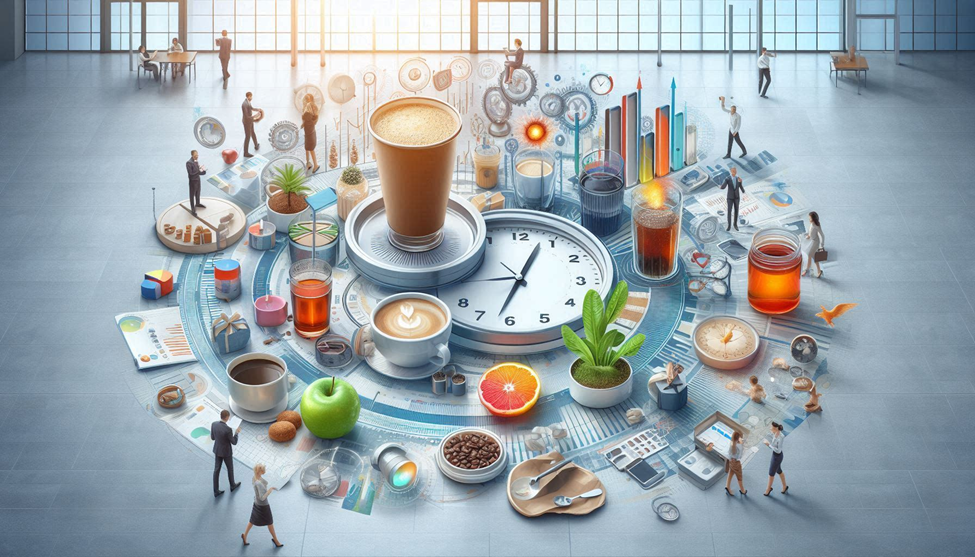
Despite this ubiquity, caffeine is frequently used without intention or strategy. Many individuals consume it reactively, relying on repeated doses to mask fatigue, sleep debt, or poor recovery rather than addressing underlying physiological stressors. This pattern of habitual, poorly timed intake can gradually erode sleep quality, disrupt circadian rhythms, and deregulate the hypothalamic-pituitary-adrenal (HPA) axis. Over time, excessive or indiscriminate use may contribute to heightened anxiety, gastrointestinal irritation, blood pressure elevation, and diminished sensitivity to caffeine’s performance benefits due to tolerance.
When used strategically, however, caffeine can be a powerful tool rather than a physiological crutch. At appropriate doses and timing, caffeine enhances central nervous system arousal, improves vigilance and reaction time, increases perceived energy, and reduces the sensation of effort during both physical and cognitive tasks. In athletic contexts, it can improve endurance capacity, power output, and skill execution. In professional and cognitive settings, it may enhance focus, decision-making, and resistance to mental fatigue—particularly during periods of sustained demand or sleep restriction.
This guide provides a professional, deeply expanded, evidence-informed framework for the strategic use of caffeine. Drawing from exercise physiology, neurobiology, endocrinology, sleep science, and behavioral psychology, it emphasizes individualized dosing, circadian-aware timing, and context-specific application. The goal is not maximal stimulation, but optimized performance with long-term health preservation. By understanding how caffeine interacts with the brain, hormones, and recovery systems, athletes, professionals, and health-conscious individuals can leverage its benefits deliberately—enhancing performance when it matters most while minimizing unintended physiological and psychological costs.
1. Caffeine: Biochemistry and Mechanisms of Action
1.1 Adenosine Antagonism and Central Nervous System Stimulation
Caffeine’s primary mechanism of action is competitive antagonism of adenosine receptors (A1 and A2A). Adenosine is a neuromodulator that accumulates during waking hours and promotes sleep pressure, vasodilatation, and perceptions of fatigue. By blocking adenosine binding, caffeine reduces subjective tiredness and increases neuronal firing.
This blockade indirectly elevates dopaminergic and noradrenergic signaling, enhancing alertness, motivation, vigilance, and reaction time. Importantly, caffeine does not create energy; it masks fatigue perception, which can be advantageous or detrimental depending on context.
1.2 Neurotransmitter and Neuromodulatory Effects
Beyond adenosine, caffeine influences:
- Dopamine: Enhanced reward sensitivity and motivation
- Nor epinephrine: Increased arousal and focus
- Acetylcholine: Improved neuromuscular signaling
- Serotonin modulation: Context-dependent mood effects
At higher doses, these effects may shift from facilitative to antigenic, increasing restlessness, irritability, and cognitive noise.
1.3 Peripheral Effects: Muscle, Metabolism, and Fat Oxidation
Caffeine increases calcium release from the sarcoplasmic reticulum, improving muscle fiber contractility. It also enhances fat oxidation during sub maximal endurance exercise by increasing catecholamine-driven biolysis, sparing muscle glycogen under certain conditions.
However, glycogen-sparing effects are highly context-dependent and less pronounced in trained athletes with adequate carbohydrate availability.
2. Cryogenic Effects of Caffeine on Physical Performance
2.1 Endurance Performance
Caffeine consistently improves endurance performance by 2–4% across cycling, running, rowing, and team sports. Benefits include:
- Reduced perceived exertion (RPE)
- Delayed onset of fatigue
- Improved time-to-exhaustion
- Enhanced pacing consistency
These effects are strongest when caffeine is used strategically rather than chronically overused.
2.2 Strength, Power, and High-Intensity Performance
Caffeine enhances:
- Maximal voluntary contraction
- Rate of force development
- Power output
- Repetition performance at given loads
Its effects are particularly notable in ballistic movements, sprinting, Olympic lifts, and repeated high-intensity efforts. However, excessive doses may impair fine motor control and technical execution.
2.3 Team Sports and Intermittent Performance
In sports requiring repeated sprints, rapid decision-making, and vigilance (e.g., soccer, basketball, and hockey), caffeine improves:
- Sprint speed
- Reaction time
- Tactical awareness
- Skill execution under fatigue
3. Cognitive Performance, Focus, and Mental Work
3.1 Attention, Vigilance, and Reaction Time
Caffeine reliably improves:
- Sustained attention
- Psychomotor speed
- Error detection
- Task switching
These benefits are particularly pronounced under sleep restriction, circadian troughs, and monotonous tasks.
3.2 Memory and Executive Function
While caffeine improves alertness and working memory efficiency, its effects on higher-order executive functions (planning, creativity, divergent thinking) are dose-dependent. Moderate doses may enhance productivity, while high doses can narrow cognitive flexibility.
3.3 Mood, Motivation, and Perceived Effort
Caffeine increases task engagement and willingness to exert effort, partly through dopaminergic pathways. This makes it especially valuable for early-morning training, competitive environments, and mentally demanding work.
4. Pharmacokinetics: Absorption, Metabolism, and Half-Life
4.1 Absorption and Peak Plasma Levels
Caffeine is rapidly absorbed, with peak plasma concentrations occurring 30–90 minutes after ingestion. Liquid forms (coffee, energy drinks) are absorbed faster than capsules, while chewing gum delivers caffeine even more rapidly via buckle absorption.
4.2 Metabolism and Genetic Variability
Caffeine is primarily metabolized by the CYP1A2 enzyme in the liver. Genetic polymorphisms divide individuals broadly into:
- Fast metabolizes: Shorter half-life, fewer side effects
- Slow metabolizes: Prolonged stimulation, higher risk of anxiety, sleep disruption, and cardiovascular strain
This genetic variability explains why standardized caffeine recommendations often fail.
4.3 Half-Life and Residual Effects
Caffeine’s half-life ranges from 3 to 7 hours in healthy adults, but residual effects on sleep architecture may persist for 8–12 hours, especially in sensitive individuals.
5. Strategic Timing of Caffeine Intake
5.1 Circadian Rhythm Alignment
Caffeine is most effective when aligned with circadian biology. Optimal use often involves:
- Avoiding caffeine immediately upon waking
- Allowing natural cortical awakening response to occur
- Using caffeine mid-morning or pre-training
5.2 Pre-Exercise Timing
For most individuals:
- Ingest caffeine 45–60 minutes before exercise
- Use smaller doses closer to the session if sensitivity is high
For ultra-endurance events, caffeine may be introduced later in competition to combat central fatigue.
5.3 Workday and Cognitive Timing
Strategic caffeine use during circadian dips (late morning, early afternoon) enhances productivity without excessive sleep disruption when dosing is controlled.
6. Dosage: Finding the Minimum Effective Dose
6.1 Performance Dosing Guidelines
- Low dose: 1–2 mg/kg (alertness, focus)
- Moderate dose: 3–4 mg/kg (endurance, strength)
- High dose: 5–6 mg/kg (rarely necessary; higher risk)
More is not better. Performance benefits plateau, while side effects escalate.
6.2 Habitual Use and Tolerance
Chronic daily caffeine use reduces sensitivity through adenosine receptor up regulation. Strategic cycling, dose variation, and caffeine-free days help preserve efficacy.
7. Caffeine and Sleep: A Double-Edged Sword
7.1 Sleep Latency and Architecture
Caffeine:
- Increases sleep onset latency
- Reduces slow-wave sleep
- Fragments REM cycles
Even when sleep duration appears unaffected, sleep quality may be compromised.
7.2 The Performance–Sleep Trade-Off
Using caffeine to compensate for sleep deprivation creates a feedback loop: caffeine masks fatigue → sleep worsens → greater caffeine reliance.
Strategic users prioritize sleep first and caffeine second.
8. Hormonal, Cardiovascular, and Metabolic Considerations
- Cortical and Stress Response: Caffeine acutely elevates cortical, particularly in non-habituated users. When combined with psychological stress, this may contribute to HPA-axis strain.
- Blood Pressure and Heart Rate: Caffeine transiently increases blood pressure and heart rate. Individuals with hypertension, arrhythmias, or anxiety disorders require conservative dosing.
- Glucose Regulation: Caffeine may impair insulin sensitivity acutely, especially when consumed without food. This effect is less relevant in athletes but important in metabolic health contexts.
9. Gut Health, Hydration, and Nutrient Interactions
Caffeine stimulates gastric acid secretion and intestinal motility. While mild diuretic effects exist, habitual users develop tolerance, and hydration status is typically unaffected when fluid intake is adequate.
Caffeine may interfere with iron absorption when consumed with meals, particularly in populations at risk for deficiency.
10. Special Populations
10.1 Female Athletes
Female athletes exhibit unique physiological responses to caffeine due to cyclical fluctuations in estrogen and progesterone across the menstrual cycle. Estrogen can slow caffeine clearance by inhibiting hepatic CYP1A2 activity, particularly during the lacteal phase, leading to prolonged stimulant effects. As a result, doses that feel well tolerated during the follicular phase may increase anxiety, jitteriness, gastrointestinal discomfort, or sleep disruption later in the cycle. Progesterone further compounds this effect by increasing baseline body temperature and altering sleep architecture, making late-day caffeine especially disruptive. Strategic caffeine use for female athletes therefore requires phase-aware dosing, reduced intake during the lacteal phase, and heightened attention to sleep timing. Hormonal contraceptives may further slow caffeine metabolism, necessitating additional dose adjustments to avoid overstimulation.
10.2 Adolescents
Adolescents are particularly sensitive to caffeine due to ongoing neurodevelopment and heightened nervous system plasticity. Caffeine’s stimulant effects can amplify stress reactivity, impair emotional regulation, and disrupt sleep during a period when adequate rest is critical for brain maturation, growth, and academic performance. Regular high intake—often from energy drinks—has been associated with increased anxiety, irritability, and delayed sleep onset, contributing to chronic sleep deprivation. For adolescents, caffeine should be used sparingly, if at all, with emphasis on morning-only intake, low doses, and prioritization of sleep, nutrition, and natural circadian rhythms over pharmacological stimulation.
10.3 Pregnancy
During pregnancy, caffeine readily crosses the placenta, while the fetus lacks the enzymatic capacity to metabolize it efficiently. Maternal caffeine clearance also slows progressively across trimesters, increasing fetal exposure. Excessive intake has been associated with adverse pregnancy outcomes in observational studies, prompting conservative intake guidelines. Most professional bodies recommend limiting caffeine to low, consistent doses and avoiding concentrated sources such as energy drinks. Strategic reduction supports fetal development while minimizing maternal sleep disruption and cardiovascular strain during pregnancy.
11. Practical Framework for Strategic Caffeine Use
- Identify goal (performance, focus, endurance)
- Determine sensitivity and genetics
- Use minimum effective dose
- Time intake relative to circadian rhythm
- Protect sleep at all costs
- Cycle use to prevent tolerance
Conclusion
Caffeine remains one of the most effective, accessible, and well-researched performance-enhancing compounds available to athletes and high-performing professionals. Its unique ability to modulate central fatigue, perception of effort, alertness, and neuromuscular function explains why it continues to be relevant across endurance sports, strength and power disciplines, cognitively demanding occupations, and everyday productivity contexts. However, caffeine’s true value lies not in habitual overconsumption, but in its strategic, intentional, and biologically informed use.
When aligned with individual sensitivity, genetic metabolism, circadian rhythms, and performance goals, caffeine can meaningfully enhance output without compromising health. Conversely, poorly timed or excessive intake can erode sleep quality, disrupt hormonal regulation, elevate anxiety, impair recovery, and create dependency-driven performance plateaus.
SOURCES
Sapolsky, 2004 – Why Zebras Don’t Get Ulcers
McEwen, 1998 – Protective and damaging effects of stress mediators
McEwen, 2017 – Neurobiological and systemic effects of chronic stress
Choruses, 2009 – Stress and disorders of the stress system
Kirschbaum & Hell hammer, 1994 – Salivary cortical in psychoneuroendocrine research
Smith, 2002 – Effects of caffeine on human behavior
Neligh, 2010 – Is caffeine a cognitive enhancer?
Sprite, 2014 – Exercise and sport performance with low doses of caffeine
Graham, 2001 – Caffeine and exercise: metabolism and performance
Burke, 2008 – Caffeine and sports performance
Jeukendrup & Gleeson, 2019 – Sport Nutrition: An Introduction to Energy Production and Performance
Meuse et al., 2013 – Prevention, diagnosis, and treatment of overtraining syndrome
Bishop, 2008 – Neural adaptations and fatigue in endurance performance
Hanson, 2014 – Monitoring training load to understand fatigue
Phillips & Fatima, 2018 – Neuroprotective effects of caffeine
Another & Giesbrecht, 2013 – Caffeine as an attention enhancer
Juliana & Griffiths, 2004 – A critical review of caffeine withdrawal
Rogers et al., 2010 – Caffeine, mood, and performance
Freehold et al., 1999 – Actions of caffeine in the brain
Davis et al., 2003 – Central nervous system effects of caffeine and fatigue
Goldstein et al., 2010 – International Society of Sports Nutrition position stand: caffeine
Kilgore, 2010 – Effects of sleep deprivation on cognition
Walker, 2017 – Why We Sleep
Arnold et al., 2015 – Caffeine, circadian rhythms, and sleep disruption
Venkatraman et al., 2017 – Nutrition, recovery, and cognitive performance
HISTORY
Current Version
Dec 13, 2025
Written By
ASIFA
0 Comments