Introduction
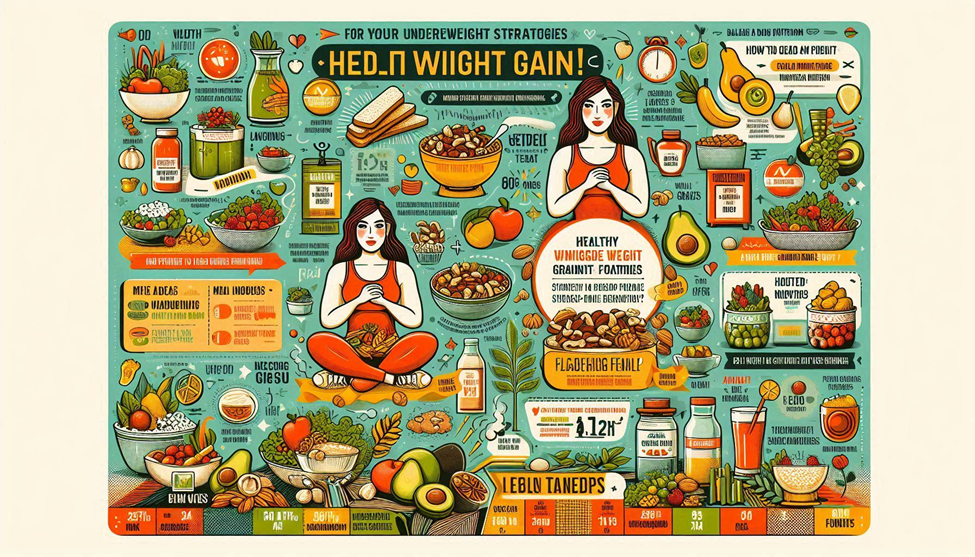
When conversations around body weight emerge, the focus usually tilts toward weight loss. Yet for millions worldwide, the challenge is the opposite: gaining weight in a healthy, sustainable, metabolic-supportive way. Underweight individuals—whether due to genetics, high activity levels, chronic stress, hyper metabolism, illness, gut dysfunction, or appetite deregulation—often face a nutritional uphill climb? The misconception that “just eat more” solves the issue overlooks the intricate physiological, hormonal, and psychological factors that shape appetite, absorption, energy utilization, and body composition.
Healthy weight gain is not simply calorie addition—it is an organized rebuilding of lean mass, nutrient stores, digestive capacity, and metabolic resilience. The objective is to expand weight in the right tissues (muscle, bone density, mitochondrial capacity, glycogen stores), not to accumulate low-quality fat through random overeating of ultra-processed calories.
This guide provides a deeply professional, evidence-focused, expanded blueprint for underweight individuals seeking structured, nutrient-dense, holistic strategies to gain weight safely.
1. Understanding Underweight Status: Beyond the BMI Cutoff
1.1 The Biological Complexity behind Low Body Weight
Being underweight is not always a simple matter of insufficient caloric intake. Under the surface may exist:
- Elevated metabolic rate (genetic or stress-driven)
- Malabsorption or digestive insufficiency
- Chronic infections or inflammation
- Overactive thyroid function
- Impaired appetite regulation (gherkin/lepton signaling)
- Psychological barriers (body image pressures, anxiety, eating disorder history)
- Nutrient deficiencies that suppress hunger
- Hyperactivity or physically demanding professions
Each of these factors shifts the body’s relationship with food, appetite, and energy storage. Many underweight individuals report feeling full quickly, experiencing discomfort after large meals, or struggling with digestive fatigue.
1.2 Why the Body Resists Weight Gain: The Metabolic Set Point
The human body operates through homeostatic “set points,” and body weight is no exception. When underweight is chronic, the hypothalamus often recalibrates appetite and metabolic rate around a lower weight norm. Attempts to eat substantially more may initially trigger:
- Early satiety
- Bloating
- Increased energy expenditure
- Anxiety or discomfort during meals
- Sudden shifts in insulin sensitivity
Thus, healthy weight gain requires gradual metabolic retraining, not force-feeding.
2. Caloric Surplus: Why Quality Beats Quantity
2.1 Why Ultra-Processed Surpluses Fail
While it might seem logical to ramp up calories using junk food, this approach backfires because:
- It spikes blood sugar, leading to volatile appetite and crashes
- It promotes fat gain but not lean tissue synthesis
- It causes digestive sluggishness
- It fails to correct micronutrient insufficiencies
- It increases inflammation that suppresses appetite
Healthy weight gain depends on nutrient density, not caloric emptiness.
2.2 The Ideal Surplus: 300–600 kcal per Day
Research on optimal anabolic efficiency suggests that consuming 300–600 extra calories daily supports:
- Steady muscle gain
- Hormonal stability
- Digestive comfort
- Controlled fat gain (less risk of metabolic syndrome)
A larger surplus often turns into fat storage or triggers gastrointestinal discomfort.
3. Macronutrient Architecture for Weight Gain
3.1 Protein: The Foundation of Lean Tissue Expansion
Aim for 1.4–1.8 g protein/kg body weight, even if appetite is low. Protein facilitates:
- Muscle protein synthesis
- Stronger bones via collagen and growth factors
- Neurotransmitter production
- Improved immunity
Protein-Rich Foods for Underweight Individuals
- Eggs (bioavailable amino acids, chorine)
- Salmon, sardines, tuna (omega-3s for inflammation control)
- Poultry and lean meats
- Lentils, chickpeas, beans
- High-protein yogurt or kefir
- Cottage cheese
- Protein powders (whey, casein, pea, soy concentrates)
3.2 Healthy Fats: The Most Calorie-Dense and Appetite-Friendly Macro
Fat provides 9 kcal/g—more than double carbohydrates and protein—making it essential for individuals with small appetites. Diets higher in unsaturated fats also:
- Improve nutrient absorption
- Stabilize hormones
- Enhance calorie efficiency
Top Healthy Fat Sources
- Avocado
- Olive oil
- Peanut, almond, and cashew butter
- Seeds (china, flax, pumpkin)
- Walnuts, pecans, pistachios
- Coconut milk and coconut cream
Adding 1–2 tablespoons of healthy oils or nut butters to meals can increase caloric intake subtly without increasing meal volume.
3.3 Carbohydrates: Fuel for Anabolism and Appetite Regulation
Crabs support:
- Glycogen stores
- Thyroid hormone activation
- Appetite stimulation
- Exercise performance
Optimal choices include:
- Whole grains (oats, rice, quinoa, millet)
- Sweet potatoes
- Bananas, mangoes, grapes
- Dates and dried fruits
- Whole-grain breads and wraps
Crabs should form 40–50% of daily calories for most underweight individuals.
4. Micronutrient Density: The Silent Drivers of Appetite & Weight Regulation
Certain deficiencies directly impair appetite, digestion, and metabolic signaling.
4.1 Zinc Deficiency and Loss of Appetite
Zinc is essential for:
- Taste and smell sensitivity
- Stomach acid production
- Appetite regulation
Low zinc levels blunt hunger cues.
4.2 Vitamin B12, Foliate & Iron: Energizers That Spark Eating Motivation
Deficiencies here cause:
- Low energy
- Breathlessness
- Reduced drive to eat
- Impaired muscle synthesis
Correcting them restores metabolic activity.
4.3 Magnesium: The Relaxation Mineral for Stress-Eaters
Magnesium supports:
- Stress regulation (reduces cortical)
- Sleep quality
- Appetite normalization
Underweight individuals often have low magnesium due to high metabolic turnover.
4.4 Vitamin D & Calcium: The Bone Health Duo
For healthy weight gain, the structural system (bones) must strengthen alongside weight increases.
5. Strategic Eating Patterns: When and How to Eat for Faster, Healthier Weight Gain
5.1 Eat Every 3 Hours (But Without Pressure)
Instead of 2–3 large meals, aim for 5–6 smaller meals spaced evenly. This:
- Increases total calories
- Prevents overwhelming fullness
- Keeps hunger cues active
5.2 Liquid Calories: A Game-Changer for Individuals with Low Appetite
Smoothies and shakes deliver high calories with minimal stomach bulk.
Ideal Smoothie Base:
- Milk or fortified plant milks
- Greek yogurt
- Nut butter
- Banana
- Oats
- Protein powder
- Honey or dates
A single smoothie can deliver 600–900 calories without discomfort.
5.3 Timing Carbohydrates for Appetite Enhancement
Eating crabs earlier in the day increases:
- Serotonin production
- Relaxation
- Appetite follow-through
Carbohydrate breakfasts help underweight individuals eat more lately.
6. Gut Health and Digestion: The Often-Overlooked Barrier to Weight Gain
6.1 Low Stomach Acid: A Hidden Obstacle
Many underweight individuals do not digest proteins well due to low Hal. Symptoms include:
- Bloating after protein-heavy meals
- Early satiety
- Burping
- Fatigue after eating
Strategies:
- Lemon water before meals
- Bitter herbs (gentian, dandelion extract)
- Apple cider vinegar (1 tsp before meals)
6.2 Robotics for Improved Absorption and Increased Hunger Signals
A healthy micro biome enhances:
- Caloric extraction
- Vitamin synthesis
- Inflammation control
- Gherkin (hunger hormone) sensitivity
Fermented foods such as kefir, yogurt, miss, kamahi, and sauerkraut help restore microbial diversity.
6.3 Enzymes for Individuals with Weak Digestion
Digestive enzymes support:
- Protein breakdown
- Fat absorption
- Carbohydrate digestion
This reduces post-meal fatigue.
7. Exercise for Weight Gain: Why Strength Training Is Essential
7.1 The Anabolic Advantage
Strength training signals the body to:
- Increase muscle
- Improve bone density
- Enhance appetite
- Stimulate anabolic hormones (IGF-1, testosterone)
Without strength training, excess calories may be stored as fat instead of lean mass.
7.2 Ideal Strength Training Plan
3–4 days per week focusing on:
- Squats
- Deadlights
- Chest presses
- Rows
- Lunges
- Overhead presses
Aim for progressive overload (adding weight or reps weekly).
7.3 Avoid Excessive Cardio
Prolonged cardio burns precious calories and suppresses appetite. Light walking or cycling is fine, but avoid high-intensity or long-duration sessions.
8. Hormones That Influence Weight: Balancing the Internal Metabolic Orchestra
8.1 Thyroid Hormones
High T3 levels or subclinical hyperthyroidism increase metabolic rate. Low-crab diets may worsen thyroid output in underweight individuals.
8.2 Cortical
Chronic stress elevates cortical, which:
- Breaks down muscle
- Suppresses appetite
- Increases gut permeability
Stress-management practices are essential.
8.3 Gherkin and Lepton
Underweight individuals often experience:
- Low gherkin sensitivity → low hunger
- Low lepton → low satiety but rapid metabolic expenditure
Balanced, consistent eating improves both.
9. High-Calorie, Nutrient-Dense Meal Ideas
9.1 Breakfasts
- Avocado omelet + whole-grain toast + Greek yogurt
- Peanut butter banana smoothie with oats and honey
- Protein pancakes with berries and nut butter
9.2 Lunches
- Chicken and rice bowl with olive oil drizzle
- Lentil curry with coconut milk + nana
- Tuna avocado wrap with cheese
9.3 Dinners
- Salmon with mashed sweet potatoes and thin
- Beef stir-fry with sesame oil and quinoa
- Chickpea pasta with pesto and parmesan
9.4 Snacks
- Nuts and dried fruit
- Cheese + crackers
- Full-fat yogurt with granola
- Hummus and pita
- Trail mix with seeds and dark chocolate
10. Sample 3,000-Calorie Meal Plan for Healthy Weight Gain
- Breakfast:
- Smoothie (Greek yogurt, oats, nut butter, banana, milk) – 800 kcal
- Eggs + toast – 250 kcal
- Snack:
- Trail mix with nuts and dried fruit – 350 kcal
- Lunch:
- Chicken rice bowl with olive oil – 750 kcal
- Snack:
- Cheese + whole-grain crackers – 250 kcal
- Dinner:
- Salmon + roasted potatoes + thin vegetables – 600 kcal
Total: 3,000 kea
11. Psychological and Behavioral Strategies
11.1 Appetite Fatigue and Food Boredom
Underweight individuals may lose interest in food quickly. Solution:
- Rotate flavors
- Try new cuisines
- Add sauces and condiments
11.2 Meal Preparation Reduces Stress around Eating
Preparing food in advance helps maintain structure.
11.3 Social Eating Enhances Appetite
Studies show people eat more when dining with others.
12. Red Flags That Require Medical Evaluation
- Unexpected weight loss
- GI symptoms (diarrhea, chronic bloating, pain)
- Excessive thirst
- Hair loss, fatigue, rapid heartbeat
- Menstrual irregularities
- Chronic infections
13. Supplements That Support Healthy Weight Gain
While the foundation of healthy weight gain should always be built on nutrient-dense meals, balanced macronutrient intake, adequate sleep, and structured meal timing, certain supplements can play a supportive role—especially for individuals who are underweight due to high metabolic rates, poor appetite, digestive issues, chronic stress, or illness. Supplements are not shortcuts; rather, they act as metabolic enhancers, nutrient optimizers, and appetite facilitators that help the body utilize calories more efficiently while supporting muscle growth and hormonal stability.
1. Protein Powders (Whey, Casein, Plant-Based Blends)
High-quality protein powders provide essential amino acids that stimulate muscle protein synthesis, making them ideal for individuals who struggle to meet daily protein needs through food alone. Whey offers rapid absorption for post-workout recovery, while casein digests slowly to prevent muscle breakdown. Plant-based blends (pea, rice, hemp) support those with intolerance or dietary preference.
2. Mass Gainers
Mass gainers deliver a concentrated blend of carbohydrates, proteins, and healthy fats in a calorie-dense formula. For those with very low appetite, a single serving can provide 600–1,200 calories. They can be especially helpful for teenagers, athletes, or individuals with high metabolic output who need a convenient, nutrient-rich caloric boost.
3. Omega-3 Fatty Acids (Fish Oil or Algal Oil)
Omega-3s help reduce inflammation, support appetite regulation, and improve nutrient absorption. They also enhance the anabolic response to strength training by improving muscle cell membrane function.
4. Creative Monohydrate
Creative increases intracellular water, supports ATP production, enhances strength, and promotes lean mass gain. This makes it one of the most evidence-based supplements for individuals wanting to increase healthy body weight through improved muscle development.
5. B-Complex Vitamins & B12
B vitamins support appetite, energy production, and efficient macronutrient metabolism. Deficiencies commonly lead to fatigue, low appetite, and involuntary weight loss. Supplementation can restore metabolic efficiency, especially in individuals with poor diet quality or malabsorption issues.
6. Robotics
A balanced gut micro biome improves digestion, nutrient absorption, gastric comfort, and appetite consistency. Robotics can be particularly helpful for those with IBS, symbiosis, or antibiotic-related micro biome disruption.
7. Vitamin D & Magnesium
Both nutrients support hormonal balance, immune resilience, and muscle function. Low levels are strongly associated with poor appetite, low energy, and weakened muscle growth.
When combined with resistance training, adequate caloric intake, and restorative sleep, these supplements help create a metabolic environment where healthy weight gain becomes sustainable, efficient, and physiologically safe.
Conclusion
Healthy weight gain is not an act of simply “eating more”—it is a deliberate, structured, and biologically intelligent recalibration of the body’s metabolic environment. Underweight individuals often face a unique constellation of challenges: elevated metabolic rate, low appetite, digestive inefficiencies, nutrient deficiencies, hormonal imbalances, or psychological barriers that quietly undermine their ability to store and maintain healthy weight. For this reason, weight gain must be approached as a restorative process, not just a nutritional goal.
Nutrient-dense eating—prioritizing proteins that rebuild tissues, healthy fats that amplify caloric intake, and complex carbohydrates that energize the thyroid and nervous system—is central to this process. Yet equally important is the timing and structure of meals. Smaller, more frequent eating patterns, liquid calories, appetite-supportive spices and condiments, and consistent caloric surpluses allow the body to adapt gradually without digestive distress. Strength training further enhances this adaptation by signaling the body to build muscle instead of simply storing fat, transforming weight gain into an anabolic upgrade of the entire physiological system.
Just as critical is digestive support—in the form of robotics, enzymes, fermented foods, and improved stomach acid production—which ensures that consumed calories are efficiently absorbed and utilized. Addressing stress, sleep quality, and emotional relationships with food strengthens the hormonal and psychological foundations of healthy weight gain.
Ultimately, achieving a healthy weight is not a race but a metabolic renaissance—an intentional rebuilding of strength, vitality, resilience, and cellular nourishment. When supported with the right nutrients, patterns, and self-compassion, the body responds predictably: appetite increases, digestion improves, energy stabilizes, and weight rises steadily toward a sustainable, healthier set point. This is the essence of healthy, strategic, nutrient-dense weight gain—a journey rooted in nourishment, not force, and aligned with long-term well-being.
SOURCES
Lieberman, 2020. Human metabolism and adaptive physiology in nutritional status.
Gropper & Smith, 2018. Advanced Nutrition and Human Metabolism.
Hill et al., 2012. Energy balance and metabolic regulation in underweight populations.
Westerner, 2017. Energy expenditure, appetite, and adaptive thermo genesis.
Friedman, 2019. Lepton biology and appetite regulation.
Blundell et al., 2020. The science of hunger, satiety, and meal patterning.
Swinburne, 2013. Determinants of body weight homeostasis.
Sorters et al., 2014. Metabolic adaptation to feeding and fasting cycles.
Phillips, 2016. Protein intake and muscle protein synthesis in adults.
Burke & Dakin, 2015. Clinical Sports Nutrition: Strength training and anabolic signaling.
Ludwig, 2020. Carbohydrate quality and metabolic outcomes.
Ordain et al., 2015. Dietary fats and caloric density in weight management.
Gibson, 2017. Micronutrient deficiencies in undernourished adults.
Black, 2003. Zinc deficiency and appetite suppression.
Rondanelli et al., 2016. Robotics and digestive efficiency.
St-One & Boscage, 2008. Liquid vs. solid calories and appetite regulation.
Hector & Phillips, 2018. Creative supplementation and lean mass gain.
Hoofer, 2019. Caloric distribution and metabolism in clinical underweight cases.
Muller et al., 2016. Body composition changes in reseeding strategies.
Cleveland Clinic, 2021. Clinical guidelines for underweight adults.
Harvard T.H. Chan School of Public Health, 2020. Healthy fats and nutrient density.
Academy of Nutrition and Dietetics, 2019. Evidence-based weight-gain protocols.
Johns Hopkins Medicine, 2020. Digestive insufficiency and malabsorption.
World Health Organization, 2018. Global malnutrition and metabolic risk factors.
National Institutes of Health, 2021. Hormonal influences on energy balance.
HISTORY
Current Version
Nov 29, 2025
Written By
ASIFA
0 Comments