Introduction
Polycystic Ovary Syndrome (PCOS) is one of the most prevalent endocrine disorders affecting individuals assigned female at birth, with a global prevalence estimated between 6% and 20%, depending on diagnostic criteria. Characterized by a triad of hyperandrogenism, ovulatory dysfunction, and polycystic ovarian morphology, PCOS is far more than a reproductive condition; it is a systemic metabolic and inflammatory disorder with profound implications for long-term health, including increased risks for type 2 diabetes, cardiovascular disease, anxiety, depression, and endometrial cancer. While genetic predisposition and lifestyle factors are well-established contributors, a burgeoning body of evidence points to psychosocial stress as a critical, and often overlooked, moderator that not only exacerbates the subjective experience of PCOS but actively worsens its underlying pathophysiology and severity. The relationship between stress and PCOS is not unidirectional but rather a vicious, self-perpetuating cycle. The physiological hallmarks of PCOS—hyperandrogenism, insulin resistance, and chronic low-grade inflammation—directly dysregulate the body’s stress-response systems, particularly the hypothalamic-pituitary-adrenal (HPA) axis. Concurrently, the experience of chronic psychological stress, stemming from the syndrome’s symptoms, the diagnostic odyssey, fertility concerns, and body image distress, further activates these same pathways, creating a feed-forward loop that amplifies symptom burden. This interplay positions stress not merely as a consequence of living with a chronic illness, but as a fundamental biological driver of disease activity. For women with PCOS, the manifestations of stress are both internal and external, woven into the fabric of hormonal imbalance, metabolic dysfunction, and emotional distress. This paper will undertake a comprehensive examination of the intricate bidirectional relationship between stress and PCOS severity. It will explore the neuroendocrine and inflammatory mechanisms that link stress to core PCOS features, detail the clinical and metabolic consequences of this interaction, analyze the profound psychosocial sources of stress unique to the PCOS experience, and finally, propose a holistic, integrative management model that must include stress reduction as a cornerstone of effective, person-centered care for this complex syndrome.
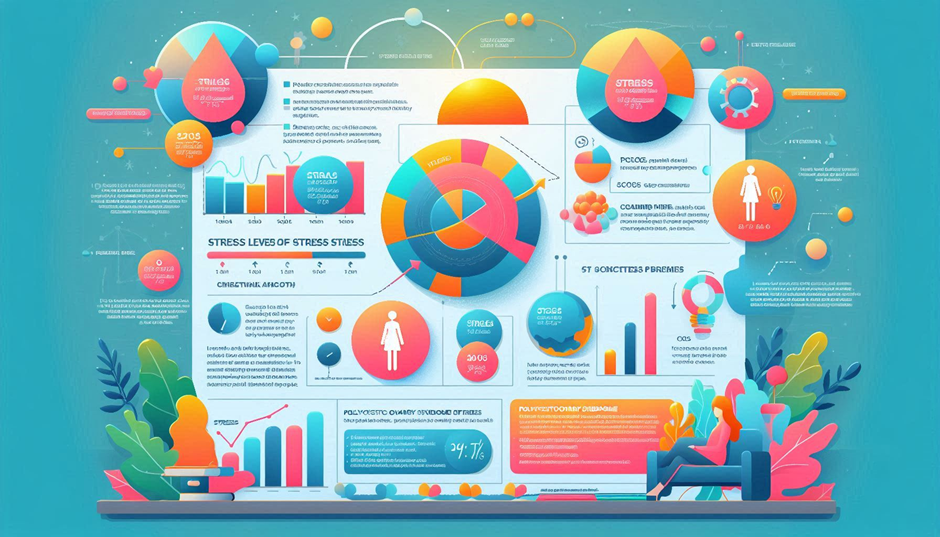
1. Neuroendocrine and Inflammatory Mechanisms: The Stress-PCOS Nexus
The pathophysiological bridge between chronic stress and the exacerbation of Polycystic Ovary Syndrome is constructed upon the pillars of neuroendocrine dysregulation and immune system activation, with the hypothalamic-pituitary-adrenal (HPA) axis serving as the central conductor. In a typical stress response, the hypothalamus releases corticotropin-releasing hormone (CRH), which stimulates the pituitary to secrete adrenocorticotropic hormone (ACTH), culminating in adrenal cortisol production. In many women with PCOS, this axis exhibits distinct abnormalities. Research indicates a heightened HPA axis reactivity, often manifesting as an exaggerated cortisol response to acute psychological or metabolic challenges. This hyper-reactivity suggests a system primed for over-response, potentially due to genetic factors, early life adversity, or the ongoing metabolic and inflammatory burden of PCOS itself. Crucially, the HPA axis and the hypothalamic-pituitary-gonadal (HPG) axis, which governs reproductive function, are intimately linked. CRH and cortisol can directly inhibit the release of gonadotropin-releasing hormone (GnRH) from the hypothalamus. This disruption alters the pulsatile secretion of luteinizing hormone (LH) and follicle-stimulating hormone (FSH) from the pituitary. A consequent relative excess of LH stimulates theca cells in the ovaries to overproduce androgens, such as testosterone and androstenedione, thereby directly fueling the hyperandrogenism that is a cardinal feature of PCOS. Furthermore, cortisol can synergize with insulin, another key player in PCOS, to further amplify ovarian androgen production. Insulin, elevated due to underlying insulin resistance, acts on theca cells and, by reducing sex hormone-binding globulin (SHBG) production in the liver, increases the bioavailability of free androgens. Stress-induced cortisol potentiates this effect, creating a powerful hormonal milieu that drives symptoms like hirsutism, acne, and anovulation.
Beyond the HPA axis, chronic stress profoundly exacerbates the insulin resistance that is present in a majority of women with PCOS, regardless of body weight. Cortisol is a potent counter-regulatory hormone; it antagonizes the action of insulin in peripheral tissues like muscle and fat, promoting gluconeogenesis in the liver and contributing to hyperglycemia. Chronically elevated cortisol levels, therefore, worsen insulin resistance, creating a state of compensatory hyperinsulinemia. This elevated insulin, as described, further stimulates ovarian androgen production and inhibits SHBG, creating a vicious cycle where stress worsens insulin resistance, which worsens hyperandrogenism, which in turn may contribute to greater stress reactivity. Moreover, stress activates the sympathetic nervous system (SNS), leading to increased catecholamine release (epinephrine and norepinephrine). Catecholamines also promote lipolysis, releasing free fatty acids into the bloodstream, which can further impair insulin signaling and contribute to dyslipidemia—a common comorbidity in PCOS.
Simultaneously, chronic stress and PCOS are both states of chronic low-grade inflammation. Stress activates the innate immune system, leading to increased production of pro-inflammatory cytokines such as interleukin-6 (IL-6), interleukin-1 beta (IL-1β), and tumor necrosis factor-alpha (TNF-α). Adipose tissue, particularly visceral fat, which is commonly increased in PCOS, is itself an active endocrine organ that secretes these same inflammatory adipokines. This inflammation is not merely a bystander; it is an active driver of pathology. Inflammatory cytokines can directly impair insulin receptor signaling, exacerbating insulin resistance. They can also stimulate ovarian theca cell androgen production and disrupt normal follicular development. Furthermore, this systemic inflammation can contribute to endothelial dysfunction, laying the groundwork for the increased cardiovascular risk observed in PCOS. The brain is not immune to this inflammatory onslaught; cytokines can cross the blood-brain barrier or activate vagal afferents, influencing brain regions involved in mood regulation (potentiating anxiety and depression) and further modulating HPA axis activity. Thus, stress and PCOS engage in a deleterious partnership: PCOS predisposes to HPA axis dysregulation and inflammation, and chronic stress then amplifies these very pathways, escalating insulin resistance, hyperandrogenism, and inflammatory tone, thereby directly increasing the biological severity of the syndrome.
2. Clinical and Metabolic Consequences of Stress Exacerbation
The amplification of PCOS pathophysiology by chronic stress translates directly into worsened clinical outcomes and a heightened burden of disease across reproductive, metabolic, and cosmetic domains. Beginning with the core reproductive dysfunction, stress-induced HPA axis activation and the consequent disruption of GnRH pulsatility contribute significantly to anovulation and oligomenorrhea. The elevated cortisol and androgens interfere with follicular recruitment, growth, and maturation, leading to the characteristic accumulation of small antral follicles seen on ultrasound. For women seeking conception, this stress-mediated exacerbation of ovulatory dysfunction presents a formidable barrier, often requiring more intensive fertility interventions. The emotional toll of infertility, itself a monumental stressor, feeds back into this cycle, potentially creating a seemingly insurmountable obstacle to pregnancy. Furthermore, the endometrial lining, which relies on a balanced estrogen-progesterone environment for cyclical shedding, is adversely affected by chronic anovulation and unopposed estrogen (due to lack of progesterone). Stress, through its impact on ovulation and potentially through direct inflammatory effects on the endometrium, may thereby increase the risk of endometrial hyperplasia and cancer, a serious long-term concern in PCOS.
Metabolically, the stress-induced worsening of insulin resistance has cascading effects. It accelerates the progression toward prediabetes and overt type 2 diabetes. It promotes central adiposity, as cortisol favors the deposition of visceral fat. This visceral fat is not inert storage; it is metabolically active, secreting more inflammatory cytokines and free fatty acids, which in turn worsen insulin resistance and increase cardiovascular risk. The dyslipidemia common in PCOS—characterized by high triglycerides, low high-density lipoprotein (HDL) cholesterol, and an increase in small, dense low-density lipoprotein (LDL) particles—is exacerbated by stress-mediated pathways. Cortisol and catecholamines promote lipolysis and alter hepatic lipid metabolism, compounding an already atherogenic lipid profile. This confluence of factors—insulin resistance, hypertension (often linked to SNS activation and other mechanisms), inflammation, and dyslipidemia—significantly elevates the risk of premature cardiovascular disease in women with PCOS, and chronic stress acts as a potent accelerant of this risk.
The hyperandrogenism that is central to PCOS is unmistakably aggravated by stress. The synergistic actions of stress cortisol and insulin on ovarian theca cells lead to higher circulating levels of free testosterone. This manifests clinically as a worsening of hirsutism (male-pattern hair growth), necessitating more frequent and aggressive hair removal strategies. Acne and seborrhea may become more severe and resistant to conventional treatments. Androgenetic alopecia (female-pattern hair loss) can progress more rapidly, contributing to profound distress and body image dissatisfaction. These visible, stigmatizing symptoms are not trivial; they are daily reminders of the condition, often leading to social anxiety, avoidance behaviors, and a negative self-concept. The impact on weight regulation is another critical consequence. The combination of cortisol-driven appetite stimulation (particularly for high-calorie, high-carbohydrate “comfort foods”), insulin resistance promoting fat storage, and the fatigue and low mood that can reduce physical activity creates a perfect storm for weight gain and extreme difficulty with weight loss. This weight struggle is often met with societal stigma and medical weight bias, adding another layer of psychological stress that further entrenches the metabolic dysfunction. Thus, from fertility to cardiometabolic health to physical appearance, the infiltrating influence of chronic stress systematically worsens the objective and subjective severity of PCOS, diminishing quality of life and increasing long-term health risks.
3. Psychosocial and Diagnostic Sources of Stress in PCOS
The experience of living with PCOS is itself a profound and chronic psychosocial stressor, creating a feedback loop where the diagnosis and its implications become sources of strain that actively worsen the biological disease. The initial pathway to diagnosis is often a protracted and stressful odyssey. Symptoms typically emerge in adolescence—irregular periods, acne, weight gain, and excess hair growth—but are frequently dismissed as “normal teenage changes” or attributed to personal failings like poor diet or laziness. Women often consult multiple healthcare providers over several years before receiving a definitive diagnosis, a journey marked by invalidation, misdiagnosis, and frustration. This diagnostic delay not only postpones appropriate management but also incubates anxiety and self-blame. Once diagnosed, the complex and sometimes contradictory information about PCOS can be overwhelming. The heterogeneity of the syndrome means there is no one-size-fits-all explanation or treatment plan, leading to confusion and a sense of unpredictability about one’s own body.
Central to the psychosocial burden is the profound impact on body image and femininity identity. Hyperandrogenic symptoms like hirsutism, acne, and hair loss directly conflict with prevailing Western cultural ideals of female beauty, which emphasize smooth, hairless skin and a full head of hair. The daily ritual of hair removal (shaving, plucking, waxing, bleaching) is time-consuming, costly, painful, and a constant reminder of the condition. Weight gain and the characteristic central obesity pattern, which can be resistant to diet and exercise, further contribute to body dissatisfaction and internalized weight stigma. This can lead to social withdrawal, avoidance of intimate relationships, and the development of disordered eating patterns, as women may engage in extreme dieting in a desperate attempt to control their symptoms. The reproductive implications of PCOS constitute another massive psychosocial stress domain. The association with infertility, even for women not currently seeking pregnancy, can trigger a grief response over the potential loss of a assumed life trajectory and fuel anxiety about future family planning. For those actively trying to conceive, the experience is often one of repeated cycles of hope and disappointment, medical interventions, and feelings of inadequacy or “brokenness.” This reproductive stress is a potent activator of the HPA axis, potentially creating the biological conditions that further impede ovulation.
The management of PCOS itself is a lifelong, demanding responsibility that constitutes a significant chronic stress load. It often involves complex regimens: dietary monitoring, regular exercise, medication schedules (like metformin, oral contraceptives, or anti-androgens), and frequent medical appointments. This constant self-surveillance and discipline can be exhausting, leading to “management burnout.” Furthermore, women with PCOS have a significantly higher prevalence of diagnosed psychiatric conditions, particularly anxiety disorders and depression. The neuroendocrine and inflammatory overlaps between PCOS and mood disorders are clear, suggesting shared biological pathways. However, the psychological burden of the symptoms and the experience of chronic illness are also major contributors. Sleep disturbances, common due to stress, pain, or sleep apnea (a frequent comorbidity in PCOS), further erode emotional resilience and worsen metabolic and hormonal profiles. Societal and interpersonal contexts add additional layers. Lack of awareness and understanding from family, partners, friends, and even employers can lead to a sense of isolation. The need to constantly explain or justify symptoms, dietary choices, or medical needs is an ongoing emotional labor. Therefore, the woman with PCOS navigates a world where the very nature of her condition—in its symptoms, its management, and its social meaning—generates a persistent, multifaceted stress that directly feeds back into the physiological mechanisms that perpetuate and intensify the syndrome.
4. Integrative Management: Incorporating Stress Reduction as Foundational Therapy
Given the unequivocal role of stress as a driver of PCOS severity, effective management must evolve beyond a purely metabolic or gynecological approach to embrace a holistic, biopsychosocial model where stress reduction is not an optional adjunct but a foundational pillar of therapy. The first step in this integrative model is Diagnostic Clarity and Empowered Education. The initial clinical consultation must dedicate time to explaining the diagnosis with compassion and clarity, validating the patient’s often-long journey. Education should demystify the stress-PCOS connection, using simple diagrams to explain the HPA axis, insulin resistance, and inflammation loops. This psychoeducation serves a dual purpose: it reduces the anxiety of the unknown and empowers the patient by framing stress management as an active, biological treatment strategy, not just a wellness suggestion. It fosters a collaborative patient-provider relationship where the woman is an expert on her own experience and an active participant in her care plan.
Lifestyle Medicine forms the cornerstone, but with a critical reframing. Nutritional counseling should move away from restrictive, punitive diets toward anti-inflammatory, insulin-sensitizing dietary patterns like the Mediterranean diet or a low-glycemic load approach, emphasizing whole foods, fiber, and healthy fats. The focus should be on nourishment and reducing inflammation, not solely on weight loss, to avoid adding diet-related stress. Physical activity prescription must be personalized and stress-aware. While exercise improves insulin sensitivity, excessive high-intensity exercise can act as a physiological stressor, elevating cortisol and potentially worsening symptoms for some. A balanced regimen combining insulin-sensitizing activities (like strength training and moderate aerobic exercise) with parasympathetic-activating practices (like walking in nature, gentle yoga, or stretching) is ideal. Crucially, the concept of Mind-Body Interventions and Formal Stress Reduction must be integrated into standard care. Evidence supports the efficacy of mindfulness-based stress reduction (MBSR), cognitive-behavioral therapy (CBT) tailored for chronic health conditions, and acceptance and commitment therapy (ACT) in improving psychological distress, quality of life, and even metabolic parameters in women with PCOS. Diaphragmatic breathing exercises are a simple, evidence-based tool to rapidly reduce sympathetic tone; patients can be taught to practice this for a few minutes several times a day, especially in moments of heightened stress. Yoga, particularly forms that emphasize gentle movement, breathwork (pranayama), and meditation, has shown promise in reducing testosterone, improving insulin sensitivity, and alleviating anxiety in PCOS populations. Regular practice of these techniques can literally recalibrate HPA axis reactivity over time.
Medical and Adjunctive Therapies should be deployed with an awareness of the stress context. While metformin and inositols address insulin resistance pharmacologically, their prescription should be coupled with the lifestyle and stress-management strategies above for synergistic effect. For women with significant anxiety or depression, psychotherapy and/or pharmacotherapy (e.g., SSRIs) are not merely treating a comorbidity; they are essential interventions to lower the overall allostatic load and may improve engagement with other aspects of PCOS management. Addressing sleep hygiene and screening/treating sleep apnea are non-negotiable, as poor sleep is a major stressor and metabolic disruptor. Finally, building Social Support and Community Connection is therapeutic. Encouraging patients to join reputable PCOS support groups (in-person or online) can mitigate isolation, provide practical coping strategies from peers, and reduce the stress of feeling alone with the condition. Coaching on communication skills to help patients explain their needs to partners, family, and friends can also alleviate interpersonal stress. The integrative management model thus creates a comprehensive ecosystem of care that simultaneously targets the metabolic, endocrine, inflammatory, and psychological roots of PCOS. By systematically lowering the chronic stress burden, this approach can dampen the vicious cycles at play, leading to meaningful improvements in symptom severity, metabolic health, and overall well-being, ultimately allowing women to reclaim a sense of agency over their health and their lives.
Conclusion
The intricate and bidirectional relationship between chronic stress and Polycystic Ovary Syndrome severity represents a critical paradigm in understanding and managing this complex condition. Stress is not a secondary byproduct of PCOS but a primary biological agitator, engaging through well-defined neuroendocrine, metabolic, and inflammatory pathways to exacerbate hyperandrogenism, insulin resistance, anovulation, and cardiovascular risk. The heightened cortisol response, sympathetic nervous system activation, and pro-inflammatory state induced by chronic psychological strain directly feed into and amplify the core pathophysiological engines of PCOS. Conversely, the lived experience of PCOS—with its diagnostic challenges, visible symptoms, reproductive concerns, and demanding management—constitutes a profound and persistent psychosocial stressor, creating a vicious, self-reinforcing cycle that escalates disease severity and diminishes quality of life. This evidence compels a fundamental shift in clinical approach. Effective, person-centered care for PCOS must transcend a narrow focus on medications and weight loss to embrace a holistic, biopsychosocial framework. Integrative management that foundationalizes stress reduction through psychoeducation, mind-body practices, tailored lifestyle medicine, and psychological support is not complementary; it is essential. By systematically addressing the stress-PCOS nexus, healthcare providers can empower women to interrupt these destructive feedback loops, leading to improved hormonal balance, metabolic health, emotional well-being, and long-term outcomes. Recognizing and treating the role of stress is therefore paramount to moving from mere symptom control toward true healing and resilience in PCOS.
SOURCES
Barry, J. A., Hardiman, P. J., & Kuczmierczyk, A. R. (2021). The role of chronic stress in the pathophysiology of polycystic ovary syndrome. Journal of Neuroendocrinology, 33(4), e12943.
Benson, S., Arck, P. C., Tan, S., & Elsenbruch, S. (2022). The hypothalamic-pituitary-adrenal axis in polycystic ovary syndrome: A systematic review. Psychoneuroendocrinology, 137, 105641.
Dokras, A., Stener-Victorin, E., Yildiz, B. O., & Legro, R. S. (2023). Mental health and body image in polycystic ovary syndrome: Current perspectives. Fertility and Sterility, 119(2), 201-210.
Kite, C., Lahart, I. M., Afzal, I., Broom, D. R., Randeva, H., Kyrou, I., & Brown, J. E. (2022). Exercise, or exercise and diet for the management of polycystic ovary syndrome: A systematic review and meta-analysis. Systematic Reviews, 11(1), 34.
Li, Y., & Ruan, X. (2020). The impact of psychological stress on the metabolic and endocrine parameters of women with polycystic ovary syndrome. Gynecological Endocrinology, 36(11), 947-951.
Motta, A. B., & Gutiérrez, S. (2022). The role of inflammation in the pathogenesis of polycystic ovary syndrome. Frontiers in Endocrinology, 13, 886-901.
Palomba, S., Daolio, J., & La Sala, G. B. (2021). The role of lifestyle modification in polycystic ovary syndrome. Reproductive BioMedicine Online, 43(4), 583-592.
Stefanaki, C., & Bacopoulou, F. (2022). The role of stress management in the treatment of polycystic ovary syndrome. Hormones, 21(2), 177-185.
Stener-Victorin, E., & Deng, Q. (2021). Epigenetic inheritance of polycystic ovary syndrome — challenges and opportunities for treatment. Nature Reviews Endocrinology, 17(9), 521-533.
Teede, H. J., Misso, M. L., Costello, M. F., & Dokras, A. (2023). Recommendations from the international evidence-based guideline for the assessment and management of polycystic ovary syndrome
HISTORY
Current Version
Jan 03, 2026
Written By
BARIRA MEHMOOD
0 Comments