Introduction
Stable energy levels and hormonal balance are critical for physical performance, cognitive function, mood regulation, and long-term metabolic health. Dietary choices profoundly influence both these domains, with the glycolic impact of foods being a central determinant. The glycolic index (GI) measures how quickly carbohydrate-containing foods elevate blood glucose levels, while the glycolic load (GL) accounts for the amount of carbohydrates consumed per serving. High-GI foods cause rapid spikes in blood glucose and insulin, often followed by reactive hypoglycemia, fatigue, irritability, and hormonal deregulation. Conversely, low-glycolic foods promote gradual glucose absorption, smoother insulin responses, and more stable energy throughout the day.
Modern research demonstrates that low-glycolic eating not only benefits weight management and cardiovascular health but also exerts significant effects on endocrine function. Insulin, cortical, lepton, and gherkin are among the hormones directly influenced by postprandial glucose fluctuations. Consistently consuming low-GI meals supports insulin sensitivity, reduces chronic inflammation, and fosters balanced appetite regulation. Moreover, stable blood glucose supports adrenal function, moderates cortical fluctuations, and indirectly influences sex hormones such as estrogen and testosterone, which are sensitive to metabolic stress and energy availability.
Beyond metabolic and hormonal outcomes, low-glycolic eating enhances cognitive performance, mood stability, and recovery from physical activity. For athletes, professionals, and individuals managing chronic conditions such as diabetes, polycystic ovary syndrome (PCOS), or metabolic syndrome, adopting a low-glycolic dietary approach provides an evidence-based strategy to optimize health, energy, and hormonal homeostasis. This guide explores the science, practical applications, and clinical relevance of low-glycolic eating, offering detailed guidance for sustainable, metabolism-supportive nutrition.
2. Understanding Glycolic Index, Glycolic Load, and Blood Sugar Regulation
2.1 Glycolic Index (GI) and Glycolic Load (GL)
The glycolic index is a ranking of carbohydrate-containing foods based on their ability to raise blood glucose within two hours after consumption. Foods with a GI greater than 70 are considered high, 56–69 moderate, and below 55 low. Glycolic load adjusts this measure by considering the actual carbohydrate content per serving, providing a more accurate assessment of dietary impact on blood sugar. For example, watermelon has a high GI (~72) but a low GL due to its low carbohydrate content per serving.
2.2 Blood Sugar Regulation
Blood glucose is tightly regulated by insulin and counter-regulatory hormones such as glucagon, epinephrine, and cortical. High-GI meals produce rapid insulin surges to clear glucose from the bloodstream. Repeated spikes may lead to insulin resistance, chronic inflammation, and deregulation of other metabolic hormones, including lepton, gherkin, and cortical. Low-GI meals, by contrast, produce gradual glucose increases, more moderate insulin release, and support optimal hormonal signaling, reducing the risk of energy crashes, cravings, and metabolic dysfunction.
3. Hormonal Implications of Glycolic Variability
3.1 Insulin and Glucose Homeostasis
Insulin is central to carbohydrate metabolism and energy storage. High postprandial glucose leads to exaggerated insulin responses, driving rapid glucose uptake into muscle and fat tissue. Over time, chronic exposure can reduce insulin sensitivity, increase fat storage, and alter other hormonal axes. Low-glycolic foods attenuate these spikes, supporting sustained energy and healthy weight management.
3.2 Cortical and Stress Response
Blood glucose fluctuations influence adrenal cortical secretion. Rapid declines after high-GI meals can trigger stress hormone release to maintain euglycemia, creating a cycle of energy crashes, fatigue, and heightened stress responses. Low-GI eating moderates these swings, promoting adrenal resilience and preventing chronic stress-mediated hormonal deregulation.
3.3 Lepton, Gherkin, and Appetite Control
Lepton and gherkin, the satiety and hunger hormones respectively, are influenced by glycolic stability. High-GI diets can create lepton resistance and elevate gherkin, contributing to increased appetite, overeating, and weight gain. Conversely, low-GI meals improve satiety signals, reduce cravings, and facilitate better long-term energy balance.
3.4 Sex Hormones and Metabolic Health
Glucose and insulin fluctuations indirectly affect sex hormone balance. Insulin resistance and elevated cortical can reduce the bioavailability of estrogen and testosterone, particularly in women with PCOS and men with metabolic syndrome. Low-glycolic eating supports endocrine health, fertility, and reproductive function by mitigating these metabolic stressors.
4. Low-Glycolic Foods: Building Blocks of Hormonal Stability
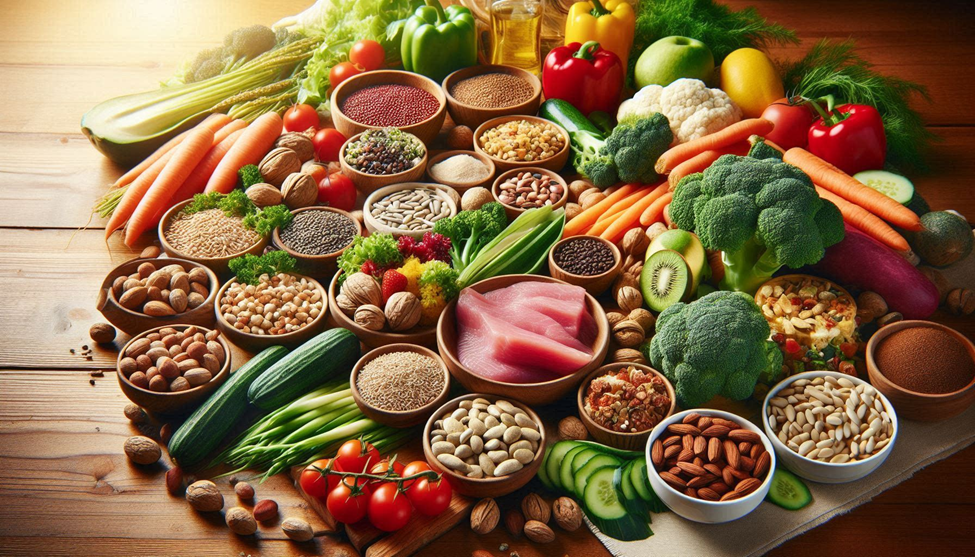
- Whole Grains and Fibrous Carbohydrates: Foods such as oats, quinoa, barley, and brown rice provide complex carbohydrates that are digested slowly, producing gradual glucose release. Their high fiber content further supports microbial health, SCFA production, and anti-inflammatory pathways.
- Legumes and Plant-Based Proteins: Beans, lentils, and chickpeas have a low GI due to resistant starches and fiber, promoting satiety, gut health, and stable energy. Combining legumes with vegetables and whole grains further flattens glucose response curves.
- Fruits and Low-GI Vegetables: Fruits with high fiber-to-sugar ratios (berries, apples, pears) and non-starchy vegetables (broccoli, spinach, peppers) provide antioxidants, polyphones, and micronutrients without causing rapid glucose spikes.
- Healthy Fats and Proteins: Incorporating nuts, seeds, olive oil, fatty fish, and lean protein slows carbohydrate digestion, stabilizes postprandial glucose, and supports hormone production, particularly steroid hormones derived from cholesterol.
5. Meal Timing and Macronutrient Pairing
Low-glycolic eating is amplified when combined with strategic meal timing and macronutrient pairing. Consuming protein and healthy fats alongside carbohydrates slows gastric emptying, reduces GI impact, and promotes steady insulin release. For example, pairing oatmeal with nuts and Greek yogurt or lentils with avocado achieves better glycolic control than carbohydrate-only meals. Breakfast composition, snack timing, and pre- and post-exercise nutrition can all be optimized using low-GI principles to maintain energy, performance, and hormonal balance.
6. Clinical and Practical Applications
Low-glycolic eating has wide clinical applicability:
- Diabetes management: Supports stable blood sugar and insulin sensitivity.
- Weight management: Reduces cravings, overeating, and fat accumulation.
- Hormonal disorders: Benefits PCOS, adrenal dysfunction, and metabolic syndrome.
- Cognitive performance: Sustains focus, reduces brain fog, and stabilizes mood.
- Athletic performance: Enhances endurance and recovery by preventing energy crashes.
Strategies include meal planning with low-GI staples, limiting ultra-processed foods, mindful portion control, and incorporating fiber, protein, and fat at each meal.
7. Emerging Research and Future Directions
Emerging studies highlight the intersection of low-glycolic eating, micro biome diversity, and hormonal regulation. Personalized nutrition, using continuous glucose monitoring and micro biome profiling, allows precision dietary interventions to optimize metabolic and hormonal health. Research also explores low-GI interventions for mental health, demonstrating improved mood stability, reduced anxiety, and better sleep quality.
Conclusion
Low-glycolic eating represents a robust, evidence-based strategy to stabilize blood sugar, support hormonal equilibrium, and enhance both energy levels and cognitive performance. By consuming carbohydrates that are digested and absorbed slowly, individuals can avoid the rapid postprandial glucose spikes that often trigger excessive insulin secretion, subsequent energy crashes, and hormonal deregulation. Whole grains, legumes, low-glycolic fruits, and non-starchy vegetables provide complex carbohydrates and fiber, which not only promote sustained glucose release but also support gut health, short-chain fatty acid production, and anti-inflammatory pathways. Pairing these carbohydrates with protein sources such as lean meats, eggs, or plant-based proteins, along with healthy fats from nuts, seeds, and olive oil, further slows digestion, improves satiety, and stabilizes post-meal hormonal responses, including insulin, lepton, and gherkin.
The implications of low-glycolic eating extend beyond metabolic health. Cortical, the body’s primary stress hormone, is highly responsive to fluctuations in blood glucose. Diets high in refined carbohydrates can exacerbate stress-induced hormonal imbalances, whereas low-GI meals help modulate cortical secretion and reduce physiological stress responses. Stable blood glucose also supports the production and balance of sex hormones, including estrogen and testosterone, which are sensitive to metabolic and energy-related stressors. Consequently, low-glycolic strategies have relevance not only for weight management and diabetes prevention but also for reproductive health, mood regulation, and cognitive resilience.
Personalized, evidence-based approaches allow individuals to tailor low-glycolic eating patterns to their unique metabolic and hormonal profiles. Continuous glucose monitoring, meal timing strategies, and micro biome-informed dietary interventions can enhance these effects, providing actionable insights for athletes, clinical populations, and wellness-focused individuals. By integrating these principles into daily routines, low-glycolic eating fosters long-term metabolic resilience, hormonal balance, and overall health, creating sustainable lifestyle patterns that support energy, performance, and well-being across the lifespan.
SOURCES
Jenkins, D. J., Wolver, T. M., Taylor, R. H., et al. (1981). Glycolic index of foods: a physiological basis for carbohydrate exchange. American Journal of Clinical Nutrition, 34(3), 362–366.
Foster-Powell, K., Holt, S. H., & Brand-Miller, J. C. (2002). International table of glycolic index and glycolic load values: 2002. American Journal of Clinical Nutrition, 76(1), 5–56.
Slaving, J. (2013). Fiber and prebiotics: mechanisms and health benefits. Nutrients, 5(4), 1417–1435.
Marco, M. L., Heaney, D., Banda, S., et al. (2017). Health benefits of fermented foods: micro biota and beyond. Current Opinion in Biotechnology, 44, 94–102.
Cardona, F., Andrés-Lacueva, C., Ulpian, S., et al. (2013). Benefits of polyphones on gut micro biota and implications in human health. Journal of Nutritional Biochemistry, 24(8), 1415–1422.
Singh, R. K., Chang, H. W., Yan, D., et al. (2017). Influence of diet on the gut micro biome and implications for human health. Journal of Translational Medicine, 15(1), 73.
Peeve, D., Korea, T., Zamora, N., et al. (2015). Personalized nutrition by prediction of glycolic responses. Cell, 163(5), 1079–1094.
Brand-Miller, J., McMillan-Price, J., Steinbeck, K., & Cater son, I. (2009). Dietary glycolic index: health implications. Journal of the American College of Nutrition, 28(Supple 2), 446S–449S.
Ludwig, D. S., & Beveling, C. B. (2001). The glycolic index and obesity. Nutrition Reviews, 59(11), 362–371.
Wolver, T. M., & Jenkins, D. J. (1986). The use of the glycolic index in predicting the blood glucose response to mixed meals. American Journal of Clinical Nutrition, 43(1), 167–172.
Atkinson, F. S., Foster-Powell, K., & Brand-Miller, J. C. (2008). International tables of glycolic index and glycolic load values: 2008. Diabetes Care, 31(12), 2281–2283.
Bangle, J. P., Wylie-Rosette, J., Albright, A. L., et al. (2008). Nutrition recommendations for diabetes. Diabetes Care, 31(Supple 1), S61–S78.
Jenkins, D. J., Kendall, C. W., Augustine, L. S., et al. (2002). Glycolic index: overview of implications in health and disease. American Journal of Clinical Nutrition, 76(1), 266S–273S.
Pereira, M. A., O’Reilly, E., Augusts son, K., et al. (2002). Dietary fiber and glycolic load in relation to diabetes risk. Diabetes Care, 25(3), 545–550.
Shay, I., Schwarzfuchs, D., Hen kin, Y., et al. (2008). Weight loss with low-carbohydrate, Mediterranean, or low-fat diet. New England Journal of Medicine, 359(3), 229–241.
Harvard School of Public Health. (2015). the glycolic index and healthy eating. Nutrition Source.
Frost, G., Leeds, A. R., Dore, C. J., et al. (1998). Glycolic index, appetite, and food intake in humans. American Journal of Clinical Nutrition, 67(5), 873–880.
Sacks, F. M., Bray, G. A., Carey, V. J., et al. (2009). Comparison of weight-loss diets with different compositions of fat, protein, and carbohydrates. New England Journal of Medicine, 360(9), 859–873.
Jenkins, D. J., Kendall, C. W., Augustine, L. S., et al. (2008). Effect of a low-glycolic index or high-cereal fiber diet on type 2 diabetes risk factors. JAMA, 300(23), 2742–2753.
Seligman, H. K., Laragia, B. A., & Bushel, M. B. (2010). Food insecurity is associated with chronic disease among low-income NHANES participants. Journal of Nutrition, 140(2), 304–310.
Van Dam, R. M., & Hub, F. B. (2005). Diet and risk of type 2 diabetes: the role of glycolic index. Current Diabetes Reports, 5(2), 121–127.
Augustine, L. S., Kendall, C. W., Jenkins, D. J., et al. (2002). Glycolic index in chronic disease prevention and management. American Journal of Clinical Nutrition, 76(1), 266S–273S.
Slaving, J. L., & Lloyd, B. (2012). Health benefits of fruits and vegetables. Advances in Nutrition, 3(4), 506–516.
Levees, G., Taylor, R., Hulshof, T., & Hewlett, J. (2008). Glycolic response and health: a review. American Journal of Clinical Nutrition, 87(1), 258S–268S.
Foster-Powell, K., Holt, S. H., & Brand-Miller, J. C. (2002). International tables of glycolic index and glycolic load values: 2002 update. American Journal of Clinical Nutrition, 76(1), 5–56.
HISTORY
Current Version
Dec 11, 2025
Written By
ASIFA


0 Comments