Introduction
In strength training and physique development, effort is often glorified while recovery is vastly underestimated. Many athletes and fitness enthusiasts operate under the assumption that more training automatically equates to more muscle, leading to frequent overtraining and burnout. However, contemporary exercise physiology and sports science unequivocally demonstrate that muscle growth—hypertrophy—does not occur during the training session itself. Resistance training provides the essential stimulus that signals muscle fibers to adapt, but the actual process of growth occurs during recovery. This is the period in which cellular repair, hormonal optimization, and protein synthesis take place, translating the training stress into tangible increases in muscle size, strength, and functional capacity.

Without sufficient recovery, even the most carefully structured training program can fail to yield optimal results. Chronic under-recovery not only blunts hypertrophy but also increases susceptibility to injury, elevates systemic inflammation, disrupts hormonal balance—particularly anabolic hormones like testosterone and growth hormone—and impairs immune function. Additionally, overtraining can lead to central nervous system fatigue, diminished neuromuscular efficiency, and decreased motivation, creating a negative feedback loop that compromises both performance and long-term progress.
Conversely, well-managed recovery strategies maximize the physiological adaptations to training. Adequate sleep supports memory consolidation and hormonal regulation, particularly the nocturnal secretion of growth hormone, which is critical for tissue repair. Nutrition plays a complementary role: protein intake distributed throughout the day stimulates muscle protein synthesis, while carbohydrates replenish glycogen stores and facilitate recovery of high-intensity performance. Active recovery techniques such as low-intensity aerobic activity, mobility work, and targeted stretching enhance blood flow, promote waste product clearance, and maintain joint health. Stress management—including mindfulness, meditation, and structured rest days—further optimizes recovery by reducing cortical levels and protecting anabolic pathways.
Importantly, recovery is not a one-size-fits-all process. Individual factors such as training experience, intensity, age, sleep quality, and lifestyle demands dictate recovery needs. By viewing recovery as an active, strategic, and scientifically grounded component of training, athletes can ensure sustainable progress, reduce injury risk, and achieve peak muscle growth. In essence, the path to strength and an ideal physique is built not just in the gym, but equally during the critical periods of rest that follow.
Understanding Muscle Growth: The Role of Recovery
Muscle Damage and Repair
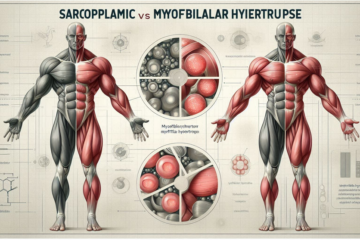
Resistance training creates micro trauma within muscle fibers, particularly at the level of the macromere. This mechanical stress disrupts structural proteins, initiates inflammatory signaling, and activates satellite cells. Muscle hypertrophy occurs when damaged fibers are repaired and reinforced during recovery, resulting in increased cross-sectional area.
Without sufficient recovery time, this repair process remains incomplete, leading to cumulative fatigue rather than adaptation.
Muscle Protein Synthesis vs. Breakdown
Muscle growth is governed by the balance between muscle protein synthesis (MPS) and muscle protein breakdown (MPB). Training elevates both processes, but net hypertrophy occurs only when MPS exceeds MPB over time, a state heavily dependent on rest, sleep, and nutrition.
Sleep: The Cornerstone of Recovery
Sleep Architecture and Muscle Growth
Sleep is the most powerful recovery tool available. During deep non-REM sleep, the body releases growth hormone, enhances tissue repair, and restores nervous system function.
Key sleep-related processes include:
- Growth hormone secretion
- Testosterone regulation
- Cortical suppression
- Glycogen replenishment
- Neural recovery
Chronic sleep restriction reduces anabolic hormone output and increases catabolic stress hormones, directly impairing hypertrophy.
Optimal Sleep Duration
Most individuals require 7–9 hours of high-quality sleep per night. Athletes engaging in high training volumes may benefit from additional sleep or daytime naps.
Central Nervous System Recovery
Neural Fatigue
Heavy resistance training places significant demands on the central nervous system (CNS). Neural fatigue manifests as:
- Reduced force output
- Slower reaction time
- Impaired coordination
- Decreased motivation
CNS recovery often requires longer rest intervals than muscular recovery, particularly following high-intensity or maximal-effort training.
Signs of CNS Under-Recovery
- Persistent fatigue
- Sleep disturbances
- Elevated resting heart rate
- Mood changes
- Decline in performance despite consistent effort
Training Frequency and Recovery Balance
Volume, Intensity, and Frequency
Muscle growth is optimized when training stress is balanced with recovery capacity. Excessive volume or intensity without adequate rest leads to diminishing returns.
General guidelines:
- Beginners: 48–72 hours between training the same muscle group
- Intermediate lifters: 2–3 sessions per muscle group per week
- Advanced lifters: Requires individualized recovery management
Active Recovery: Enhancing Adaptation without Overload
Active recovery involves low-intensity movement that promotes circulation without imposing additional stress.
Examples include:
- Walking
- Cycling at low intensity
- Mobility drills
- Light swimming
Benefits:
- Accelerated waste product removal
- Improved joint mobility
- Reduced soreness perception
Reloads and Planned Recovery Phases
What Is a Reload?
A reload is a planned reduction in training volume and/or intensity to facilitate recovery while maintaining movement patterns.
Reload strategies:
- Reduce volume by 30–50%
- Maintain technique with lighter loads
- Emphasize mobility and sleep
Strategic reloads prevent overtraining and restore responsiveness to training stimuli.
Nutrition as a Recovery Tool
Protein Intake
Protein provides the amino acids necessary for muscle repair.
General recommendations:
- 1.6–2.2 g/kg body weight per day
- Distributed evenly across meals
Lucien-rich sources are particularly effective at stimulating MPS.
Carbohydrates and Glycogen Restoration
Carbohydrates replenish muscle glycogen, supporting training quality and recovery.
Low glycogen availability increases cortical and impairs subsequent performance.
Fats and Hormonal Support
Dietary fats support endocrine health, including testosterone and estrogen regulation.
Hydration and Recovery
Even mild dehydration can impair muscle function and increase perceived exertion.
Hydration supports:
- Nutrient transport
- Cellular signaling
- Temperature regulation
Electrolyte balance becomes increasingly important with high sweat rates.
Inflammation: Friend and Foe
Acute inflammation is necessary for adaptation. However, chronic systemic inflammation impairs recovery.
Recovery-supportive strategies:
- Adequate sleep
- Balanced nutrition
- Stress reduction
- Avoiding excessive reliance on anti-inflammatory drugs
Psychological Recovery and Stress Management
Psychological stress shares biological pathways with physical stress. Elevated life stress reduces recovery capacity by increasing cortical and sympathetic nervous system activity.
Effective strategies:
- Mindfulness practices
- Breathing exercises
- Time management
- Social support
Mental recovery enhances physical adaptation.
Recovery Differences across Populations
- Women: Hormonal fluctuations influence recovery needs. Adequate caloric intake and sleep are especially critical.
- Older Adults: Recovery capacity declines with age, requiring longer rest intervals and greater emphasis on mobility and sleep.
- Athletes: High training loads necessitate structured recovery protocols, including monitoring biomarkers and performance metrics.
Common Recovery Myths
- “No pain, no gain” — persistent soreness is not a marker of effective training
- “More training equals more growth” — adaptation requires recovery
- “Rest days are wasted days” — recovery days drive progress
Monitoring Recovery Status
Monitoring recovery effectively requires a combination of objective and subjective indicators that provide insight into the body’s readiness for subsequent training sessions. Among the most useful objective measures is resting heart rate (RHR). Elevated RHR compared to an individual’s baseline can indicate accumulated fatigue, inadequate sleep, or excessive training stress, signaling the need for a lighter training day or additional recovery strategies. Similarly, sleep quality serves as a critical recovery metric. Beyond total sleep duration, factors such as sleep efficiency, time spent in deep and REM sleep stages, and consistency of sleep timing directly influence hormonal regulation, tissue repair, and cognitive function.
Performance trends also offer valuable feedback. Gradual declines in strength, power output, endurance, or lifting velocity can indicate that the body is not fully recovering from previous training loads. Coupling these objective metrics with subjective fatigue scales, such as the Rate of Perceived Exertion (RPE) or wellness questionnaires, allows athletes to account for mental and emotional stressors that can impair recovery.
By integrating these data points into a structured recovery strategy, athletes, coaches, and fitness enthusiasts can make informed adjustments to training intensity, volume, and frequency. Data-informed recovery management not only reduces the risk of overtraining and injury but also optimizes long-term performance, enabling consistent progress and sustainable muscle growth. In essence, monitoring and responding to these indicators transforms recovery from a passive process into an active, strategic tool for achieving peak results.
Long-Term Adaptation and Longevity
Sustainable muscle growth depends on respecting recovery. Athletes who prioritize rest demonstrate:
- Fewer injuries
- Greater training consistency
- Superior long-term hypertrophy
Recovery is not passive—it is a proactive component of intelligent training.
Conclusion
Rest and recovery are not optional accessories to muscle growth; they are the biological foundation upon which adaptation is built. Resistance training acts as a potent stimulus, creating micro trauma in muscle fibers and triggering a cascade of cellular signaling pathways, including motor activation, satellite cell proliferation, and protein synthesis. However, these signals alone are insufficient for actual hypertrophy or strength gains. Without adequate recovery, the stress imposed by training can overwhelm the body’s adaptive capacity, leading to fatigue, hormonal deregulation, and even injury. Sleep, nutrition, stress management, and strategic rest are the critical mediators that determine whether training signals are translated into tangible gains in muscle size, strength, and resilience.
Athletes who view recovery as a deliberate, performance-oriented practice—not a sign of weakness—approach training with precision and long-term sustainability. Effective recovery aligns training stress with the body’s regenerative capacity, balancing progressive overload with sufficient restoration. This approach reduces the risk of overtraining, optimizes hormonal profiles (including testosterone, growth hormone, and cortical balance), and enhances neuromuscular efficiency, which collectively improve strength, power, and muscle hypertrophy. Nutritional strategies such as adequate protein intake, timed carbohydrate consumption, and micronutrient support further augment recovery by supplying the substrates necessary for muscle repair and glycogen replenishment.
Importantly, recovery extends beyond sleep and nutrition. Techniques such as active recovery, mobility work, and per iodized reloads modulate mechanical and metabolic stress, while psychological stress management—through mindfulness, meditation, or controlled breathing—reduces systemic cortical and supports tissue repair. Recognizing recovery as an active, trainable skill transforms it into a competitive advantage, enabling athletes to train harder, more frequently, and with greater quality. Optimizing recovery is not about doing less; it is about giving the body the conditions it requires to perform its biologically designed function: adapt, rebuild, and grow stronger. By systematically integrating rest, nutrition, sleep, and stress modulation, long-term muscular adaptation becomes not just possible but predictable and sustainable.
SOURCES
American College of Sports Medicine (2018) – Resistance Training for Health and Fitness
Westcott, W. L. (2012) – Resistance Training Is Medicine
Schoenfeld, B. J. (2010) – The Mechanisms of Muscle Hypertrophy and Their Application to Resistance Training
Kramer, J. B., & Schwartz, J. B. (2012) – Overtraining Syndrome: A Practical Guide
Huff, G. G., & Triplett, N. T. (2016) – Essentials of Strength Training and Conditioning
Bump, T., & Huff, G. (2009) – Per iodization: Theory and Methodology of Training
Mash, C. D., et al. (2011) – The Effects of Sleep Extension on the Athletic Performance of Collegiate Basketball Players
Full agar, H. H. K., et al. (2015) – Sleep and Athletic Performance: The Effects of Sleep Loss on Exercise Performance, and Physiological and Cognitive Responses to Exercise
Tipton, K. D., & Wolfe, R. R. (2004) – Protein and Amino Acids for Athletes
Phillips, S. M., & Van Loon, L. J. C. (2011) – Dietary Protein for Athletes: From Requirements to Optimum Adaptation
Snyder, A. R., et al. (2020) – Recovery Strategies in Elite Athletes
Meuse, R., et al. (2013) – Prevention, Diagnosis, and Treatment of the Overtraining Syndrome
Stokes, T., et al. (2018) – Recent Perspectives Regarding the Role of Muscle Damage in Resistance Training Adaptations
Creak, N. M., et al. (2012) – Protein Supplementation in Exercise Training
Robson-Ensley, P., et al. (2009) – Nutritional and Recovery Strategies in Elite Athletes
Bird, S. P., et al. (2005) – Effects of Resistance Training and Recovery on Hormonal Responses
Hausswirth, C., & Monika, I. (2013) – Recovery for Performance in Sport
Kent, M., et al. (2020) – Sleep and Muscle Recovery: A Review of Mechanisms and Practical Recommendations
Bishop, D., et al. (2008) – Recovery from Exercise: A Critical Review
Fry, A. C., et al. (1994) – Overtraining in Athletes: Review and Recommendations
Kraemer, W. J., et al. (2002) – The Role of Hormonal Responses in Muscle Hypertrophy
Taylor, C., et al. (2015) – Psychological Stress and Athletic Recovery
Sato, K., et al. (2018) – Effects of Active Recovery on Muscle Performance and Recovery
Haunt, C. T., et al. (2019) – Muscle Hypertrophy and Recovery: Evidence-Based Guidelines
Fitzgerald, J. (2014) – The Sport Scientist’s Guide to Recovery Strategies
HISTORY
Current Version
Dec 16, 2025
Written By
ASIFA
0 Comments