Introduction
Gluten-free diets (GFDs) have transitioned from a strict medical necessity for individuals with celiac disease to a mainstream nutritional strategy increasingly adopted by athletes, fitness enthusiasts, and health-conscious individuals. Celiac disease, an autoimmune condition affecting roughly 1% of the global population, requires rigorous gluten avoidance to prevent intestinal villa atrophy, systemic inflammation, malabsorption, and subsequent nutrient deficiencies. Untreated celiac disease can lead to significant clinical complications, including anemia, osteoporosis, growth delays, and impaired immune function, underscoring the critical importance of lifelong adherence to a gluten-free regimen. Beyond celiac disease, the popularity of gluten-free eating has grown due to the rise of non-celiac gluten sensitivity (NCGS), food intolerances, and the perception that eliminating gluten may enhance energy, gastrointestinal comfort, cognitive clarity, and overall performance.
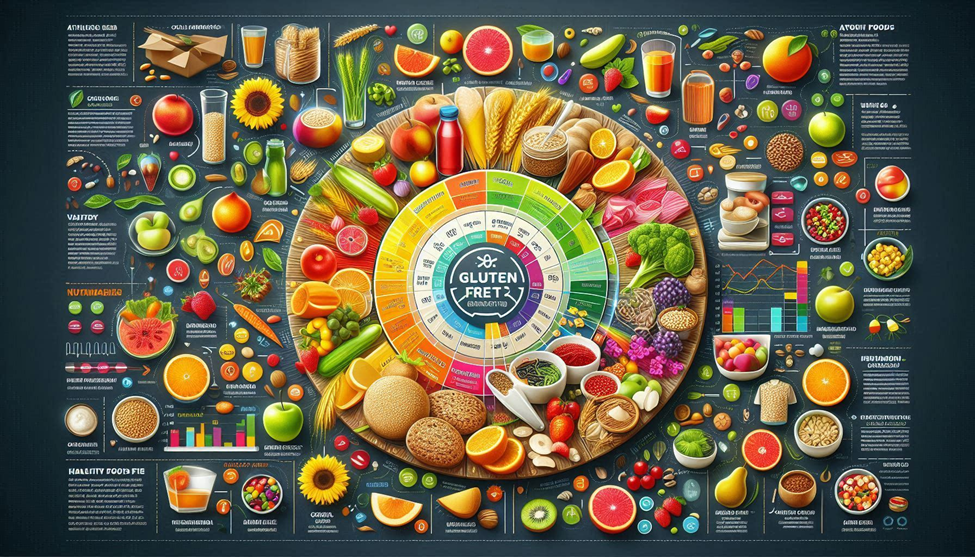
Gluten, a complex protein composite found primarily in wheat, barley, and rye, contributes significantly to the macronutrient landscape of traditional diets, particularly as a major source of complex carbohydrates. Its exclusion necessitates careful dietary planning, particularly for individuals with high physical demands, including endurance and strength athletes, as carbohydrate availability is critical for glycogen storage, optimal energy metabolism, recovery, and training adaptation. Simultaneously, adequate protein intake is essential for muscle repair, hypertrophy, immune support, and recovery from physical exertion, while healthy fats contribute to anti-inflammatory processes, hormone synthesis, joint health, and sustained energy availability.
Adopting a GFD requires balancing these macronutrient needs while also ensuring micronutrient adequacy, particularly for nutrients that are commonly lower in gluten-free alternatives, such as B-vitamins, iron, magnesium, zinc, and calcium. This guide offers a comprehensive, evidence-based exploration of gluten-free diets, examining their impact on athletic performance, energy metabolism, and nutrient sufficiency. Integrating findings from clinical trials, sports nutrition research, and dietary assessments, the discussion provides practical strategies for meal planning, supplementation, and nutrient optimization, enabling athletes and active individuals to implement a safe, effective, and sustainable gluten-free lifestyle without compromising performance or health outcomes.
1. Physiological Implications of Gluten-Free Diets
Gluten consumption in sensitive populations, particularly those with celiac disease or non-celiac gluten sensitivity (NCGS), can trigger intestinal inflammation, malabsorption, and systemic immune activation. Histological studies show that gluten exposure in celiac patients leads to villas atrophy and crypt hyperplasia, which reduces nutrient absorption and can, impair energy availability critical for athletes.
Even in non-celiac populations, some studies report that gluten elimination may reduce gastrointestinal distress, including bloating, abdominal discomfort, and irregular bowel patterns. However, the physiological impact of gluten-free diets on energy metabolism is nuanced. While improved gastrointestinal comfort may enhance nutrient assimilation and subjective energy levels, improperly balanced gluten-free diets may inadvertently reduce carbohydrate intake, lowering glycogen stores essential for endurance and high-intensity performance.
Additionally, gluten-free diets may influence immune function. Chronic intestinal inflammation triggered by gluten in celiac patients can compromise immune resilience, while strict avoidance can normalize immune responses, decrease systemic inflammation, and reduce oxidative stress. For athletes, this immunomodulatory effect may translate into fewer training interruptions, reduced illness risk, and improved recovery, provided macronutrient and micronutrient adequacy is maintained.
2. Macronutrient Considerations in Gluten-Free Diets
2.1 Carbohydrates
Carbohydrates are the primary energy substrate for glycol tic and oxidative metabolism, essential for glycogen replenishment and sustained performance. Traditional grains such as wheat, barley, and rye provide complex carbohydrates; eliminating these requires alternative sources including:
- Rice, oats (certified gluten-free), quinoa, buckwheat, and gluten-free pasta
- Starchy vegetables: potatoes, sweet potatoes, squash
- Fruits: bananas, apples, berries
Athletes on GFDs must carefully calculate carbohydrate intake to maintain glycogen stores, particularly during periods of high-intensity or long-duration exercise. Studies indicate that inadequate carbohydrate intake can reduce endurance capacity, increase fatigue, and impair training adaptations.
2.2 Protein
Protein intake is critical for muscle repair, hypertrophy, and immune function. Gluten-free diets may necessitate alternative protein sources, such as:
- Legumes: lentils, chickpeas, black beans
- Nuts and seeds: almonds, china, hemp, pumpkin seeds
- Soy-based foods: tofu, temper
- Animal proteins: eggs, dairy, fish, poultry
Athletes may also utilize gluten-free protein powders, including whey isolate; pea protein, rice protein, and soy protein isolate, to meet daily protein requirements (1.2–2.0 g/kg body weight for active individuals). Ensuring leonine content is sufficient is critical for stimulating muscle protein synthesis.
2.3 Fats
Fats provide energy density, support hormone synthesis, and exert anti-inflammatory effects. Gluten-free diets should emphasize:
- Monounsaturated fats: olive oil, avocado
- Polyunsaturated fats: omega-3 rich sources like salmon, flaxseed, china
- Avoid excessive trans fats, often found in processed gluten-free baked goods
Balanced fat intake supports cardiovascular health, joint function, and recovery, particularly in athletes with high training volumes.
3. Micronutrient Challenges and Strategies
3.1 Iron
Iron deficiency is common in gluten-free diets due to limited fortification in gluten-free grains. Low iron impairs oxygen transport, aerobic capacity, and energy metabolism. Sources include:
- Hemet iron: lean red meat, poultry
- Non-home iron: lentils, chickpeas, pumpkin seeds (paired with vitamin C for absorption)
3.2 B-Vitamins and Foliate
Gluten-containing grains are primary sources of foliate, niacin, and thiamine. Gluten-free diets may require fortified foods or supplementation to prevent deficiencies that could impair energy metabolism and cognitive function.
3.3 Calcium and Vitamin D
Essential for bone health, particularly for female athletes and high-impact sports. Dairy and fortified plant-based milks support adequate intake, while sunlight and supplements can maintain vitamin D status.
3.4 Zinc and Magnesium
- Zinc: supports muscle repair, immune function, and energy metabolism
- Magnesium: critical for ATP production, muscle relaxation, and recovery
Gluten-free diets should incorporate nuts, seeds, legumes, and leafy greens to mitigate potential deficiencies.
4. Performance Implications of Gluten-Free Diets
4.1 Endurance Performance
Carbohydrate availability is the limiting factor for prolonged endurance exercise. Well-planned GFDs using gluten-free whole grains and starches can maintain glycogen stores, but insufficient intake may impair:
- VO₂ max
- Lactate threshold
- Time-to-exhaustion
4.2 Strength and Power
Muscle hypertrophy and recovery require adequate protein, leonine, and energy intake. Gluten-free diets are compatible with strength training if protein quantity and quality are optimized, and caloric intake meets expenditure.
4.3 Energy Levels
Subjective reports suggest some athletes experience improved energy on GFDs, often due to reduced gastrointestinal discomfort and inflammation. However, objective performance benefits are inconsistent unless nutrient needs are carefully addressed.
5. Supplementation Considerations
- Protein powders: whey isolate, pea, rice, or soy
- Electrolytes: magnesium, potassium, sodium for fluid balance
- Micronutrients: iron, B-complex, vitamin D, calcium, zinc to prevent deficiencies
- Omega-3 fatty acids: support recovery and reduce inflammation
6. Practical Meal Planning Strategies
Effective meal planning is a cornerstone of a well-structured gluten-free diet, particularly for athletes and active individuals who require precise energy availability, nutrient timing, and recovery optimization. Properly timed meals help maintain glycogen stores, support muscle protein synthesis, and promote optimal performance while mitigating gastrointestinal discomfort often associated with high training volumes.
6.1 Pre-Workout Nutrition
Pre-workout meals should emphasize gluten-free carbohydrate sources to maximize glycogen availability for endurance and high-intensity training. Options include rice, quinoa, certified gluten-free oats, and starchy vegetables such as sweet potatoes or squash. Carbohydrate intake should be tailored to training duration and intensity, generally ranging from 1–2 g/kg body weight 1–3 hours before exercise. Including moderate amounts of high-quality protein—for example, eggs, Greek yogurt, or plant-based protein powders—can help stabilize amino acid availability without slowing gastric emptying. Fats should remain minimal in pre-exercise meals to avoid delayed digestion and gastrointestinal discomfort, yet including small amounts of healthy fats, such as avocado or olive oil, can support satiety in longer pre-workout windows.
6.2 Post-Workout Recovery
The post-exercise window is critical for glycogen replenishment and muscle repair. High-quality protein sources such as whey isolate, soy protein, eggs, or lean poultry should be prioritized to provide essential amino acids, particularly leonine, which stimulates muscle protein synthesis. Pairing protein with rapidly digestible carbohydrates—including rice, potatoes, or fruit—enhances glycogen restoration and supports recovery. Adequate hydration and electrolyte replacement are essential to offset fluid losses, particularly in endurance or high-intensity training contexts.
6.3 Daily Eating Patterns
Throughout the day, a gluten-free diet should emphasize nutrient-dense whole foods. Fresh fruits, vegetables, legumes, and gluten-free whole grains provide fiber, vitamins, minerals, and antioxidants, supporting immune function, metabolic efficiency, and long-term health. Protein intake should be distributed evenly across meals to maintain amino acid availability for muscle maintenance and adaptation. Balanced fat intake, emphasizing monounsaturated and polyunsaturated sources, supports hormone regulation, anti-inflammatory processes, and energy needs. Strategically combining these macronutrients ensures that athletes maintain consistent energy levels, optimize recovery, and support training adaptations, all while adhering to a safe and sustainable gluten-free dietary framework.
7. Challenges and Potential Pitfalls
- Risk of nutrient deficiencies from processed gluten-free foods
- Higher cost and limited availability of nutrient-dense options
- Potential for reduced carbohydrate intake, impacting energy and glycogen stores
- Requires careful planning, monitoring, and supplementation
8. Evidence-Based Insights
- Studies demonstrate that well-planned GFDs do not inherently reduce athletic performance
- Performance may decline if carbohydrate or protein intake is inadequate
- Nutrient density, protein quality, and carbohydrate timing are critical for maintaining energy, recovery, and training adaptations
Conclusion
Gluten-free diets, when properly structured, can support athletic performance, energy metabolism, and overall health, both in celiac and non-celiac populations. Key considerations include adequate carbohydrate intake for glycogen replenishment, high-quality protein for muscle repair and hypertrophy, and balanced fats for recovery and anti-inflammatory support. Micronutrient adequacy—particularly iron, B-vitamins, calcium, vitamin D, zinc, and magnesium—is critical to prevent deficiencies that may impair performance or recovery.
Athletes must adopt personalized nutrition strategies, ensuring that energy availability matches training demands and those nutrient-dense, gluten-free alternatives replace traditional grains. Supplementation with protein powders, electrolytes, and micronutrients may be necessary to fill dietary gaps. Well-planned GFDs can reduce gastrointestinal discomfort and inflammation, potentially improving subjective energy and recovery.
Challenges include the risk of nutrient insufficiency, higher food costs, and limited availability of fortified gluten-free options. Monitoring intake, using digital tracking, and consulting a sports dietitian are recommended for optimal outcomes. Current evidence underscores that performance outcomes are preserved when macronutrients, micronutrients, and timing are carefully managed.
Gluten-free diets offer a viable nutritional framework for athletes and active individuals, provided they are strategically implemented with attention to energy, macronutrients, micronutrients, and recovery needs. Evidence-based approaches allow individuals to reap the potential benefits of gluten avoidance without compromising performance, metabolic function, or long-term health.
SOURCES
Catharsis, C. & Fusan, A. (2008). Celiac disease and gluten-free diet in athletes. Gastroenterology Clinics.
Saone, A. et al. (2012). Spectrum of gluten-related disorders: Clinical implications. BMC Medicine.
Lynette, E. et al. (2015). Nutrient deficiencies in celiac and gluten-free diets. Nutrients.
Thompson, T. (2009). Gluten-free diet: Practical considerations. Journal of the American Dietetic Association.
Parks, K. et al. (2016). Gluten-free diet and athletic performance. European Journal of Sport Science.
Halter, C. et al. (2002). Long-term nutrient adequacy of gluten-free diets. Alimentary Pharmacology & Therapeutics.
Loffler, D. et al. (2017). Clinical outcomes in celiac disease: Diet and performance. Clinical Gastroenterology and Hematology.
Wild, D. et al. (2010). Dietary compliance and nutrient adequacy in GFD. Journal of Human Nutrition and Dietetics.
Sylvester, J. et al. (2017). Micronutrient deficiencies in non-celiac gluten avoidance. Frontiers in Nutrition.
Marginally, L. et al. (2014). Protein quality and gluten-free diets. Nutrition Research Reviews.
Haas, J. et al. (2017). Gluten-free diet and gastrointestinal inflammation. Nutrients.
Biesiekierski, J. et al. (2011). Non-celiac gluten sensitivity and energy metabolism. Gastroenterology.
Sylvester, J. et al. (2016). Macronutrient composition of gluten-free foods. Journal of Cereal Science.
Rodriguez-Esparragón, F. et al. (2015). Glycogen storage in athletes on GFD. European Journal of Applied Physiology.
De Lorenzo, A. et al. (2019). Gluten-free diets in elite sports. Journal of the International Society of Sports Nutrition.
Saone, A. et al. (2010). Gluten-related disorders and nutrient bioavailability. Nutrients.
Case, S. et al. (2011). Nutrient supplementation for gluten-free diets. Journal of Nutrition & Dietetics.
Halter, C. et al. (2003). Quality of life improvements with GFD. Scandinavian Journal of Gastroenterology.
Ludvigsson, J. et al. (2014). Clinical management of gluten-free diet adherence. BMJ.
Fusan, A. et al. (2015). Gut health and gluten avoidance. Frontiers in Pediatrics.
Van Hoes, S. et al. (2016). Macronutrient timing in gluten-free diets. Sports Medicine.
Wild, D. et al. (2011). Energy metabolism and gluten-free foods. Nutrition Reviews.
Biesiekierski, J. et al. (2014). Performance outcomes on gluten-free diets. Gastroenterology Clinics.
Mariana, P. et al. (2013). Fortification of gluten-free products. Journal of Cereal Science.
Kabana, T. et al. (2018). Gluten-free diets in non-celiac populations. Nutrients.
HISTORY
Current Version
Dec 12, 2025
Written By
ASIFA

0 Comments