1. Introduction
The “weekend effect” refers to a widely observed pattern in which individuals tend to experience weight gain, increased caloric intake, or transient unfavorable metabolic changes during weekends, even when adhering to structured and health-conscious routines during weekdays. This apparent paradox is increasingly recognized in both clinical and behavioral research and is attributed to the complex interplay between lifestyle habits, circadian biology, hormonal fluctuations, dietary patterns, and levels of physical activity. Weekdays often impose externally dictated schedules—early waking for work or school, structured meal timing, and planned activity—which acts as stabilizing anchors for metabolism and energy regulation. In contrast, weekends frequently disrupt these routines through later wake times, extended sleep duration, irregular meal patterns, social eating occasions, indulgent food choices, and decreased physical activity. Such deviations can lead to a temporary misalignment between internal circadian rhythms and behavioral patterns, which may contribute to decreased insulin sensitivity, altered appetite hormone secretion, and changes in energy balance.
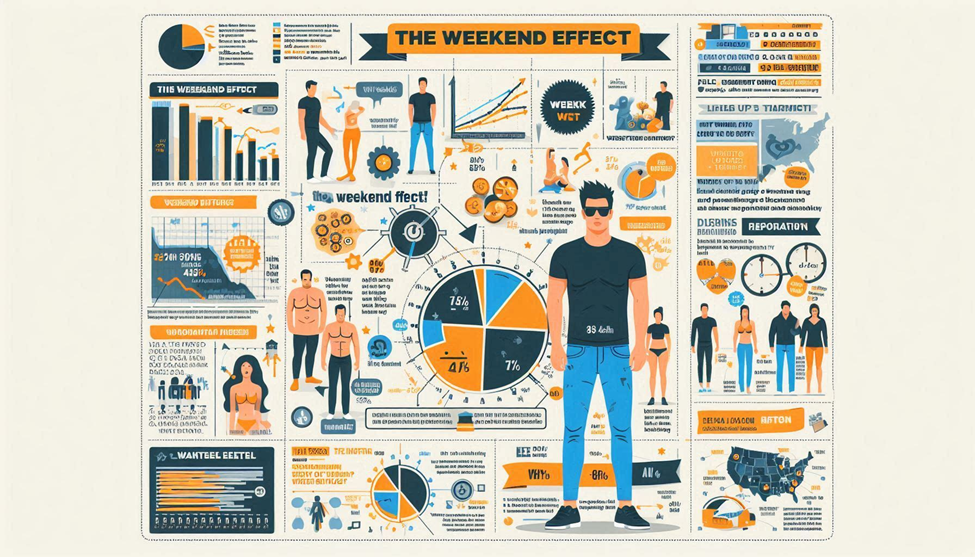
This phenomenon is further reinforced by psychological and social factors. Weekends often encourage reward-driven behaviors, social gatherings, and celebratory eating, which, combined with reduced routine constraints, increase the likelihood of unplanned caloric consumption. Moreover, sleep schedule variability across the week—sometimes referred to as “social jet lag”—can impair metabolic flexibility, disrupt hormonal signaling of lepton and gherkin, and promote overconsumption or cravings for energy-dense foods. Recognizing the weekend effect is therefore critical for designing interventions that optimize metabolic resilience and maintain consistency in health behaviors. Strategies may include pre-planned meal schedules, portion-controlled indulgences, consistent sleep timing, and integration of moderate physical activity throughout weekends. By consciously aligning weekend behaviors with circadian biology and habitual routines, individuals can mitigate transient metabolic disruptions, maintain weight stability, and support long-term health outcomes.
2. The Biological Basis of the Weekend Effect
2.1 Circadian Rhythm Disruption
The human body operates on a 24-hour circadian rhythm regulated by the suprachiasmatic nucleus (SCN) in the hypothalamus, peripheral clocks in tissues like the liver, pancreas, and adipose tissue, and zeitgebers such as light exposure and feeding times. Misalignment between internal clocks and social schedules, often more pronounced on weekends, leads to:
- Delayed sleep-wake cycles
- Altered hormone secretion
- Reduced insulin sensitivity
- Impaired lipid oxidation
This misalignment is sometimes referred to as social jet lag, where even a one- to two-hour discrepancy between weekday and weekend sleep schedules significantly impairs metabolic regulation.
2.2 Hormonal Fluctuations and Appetite Regulation
Weight gain during weekends is influenced by deregulated appetite and metabolic hormones:
- Lepton: Typically peaks overnight, signaling satiety. Weekend sleep pattern shifts can reduce nocturnal lepton, increasing hunger.
- Gherkin: Peaks before meals to stimulate appetite. Irregular weekend sleep and meal timing elevate evening gherkin, promoting late-night snacking.
- Cortical: A delayed or flattened cortical rhythm impairs morning energy, promotes cravings, and reduces early-day insulin sensitivity.
- Insulin: Evening eating during weekends leads to impaired glucose tolerance, favoring fat storage over oxidation.
Collectively, these hormonal fluctuations encourage caloric overconsumption, particularly of energy-dense foods.
2.3 Energy Expenditure Variation
Weekends often reduce thermal effect of activity:
- Reduced structured activity: Commuting and weekday exercise are often absent.
- Altered NEAT (Non-Exercise Activity Thermo genesis): Lower incidental movement, including walking and household tasks.
- Sleep disruption: Poor-quality or extended sleep reduces basal metabolic rate marginally.
Even small reductions in daily energy expenditure can lead to cumulative weekend weight gain over time.
3. Behavioral and Dietary Patterns Driving Weekend Weight Gain
3.1 Irregular Meal Timing
Weekends often disrupt meal regularity:
- Delayed breakfast or skipping meals
- Late lunch or dinner
- Increased snacking during waking hours
This pattern leads to prolonged postprandial glucose peaks and lower fat oxidation, amplifying energy storage as adipose tissue.
3.2 Caloric Overload and Food Choices
Evidence indicates that weekends are associated with:
- Increased caloric intake: 15–25% higher than weekdays
- Greater consumption of ultra-processed foods, refined carbohydrates, and sugary beverages
- Alcohol intake: Impairs lipid metabolism and increases caloric load
These patterns, combined with circadian misalignment, compound metabolic stress.
3.3 Alcohol and Metabolic Disruption
Alcohol influences the weekend effect through:
- Inhibition of fat oxidation: Liver prioritizes ethanol metabolism, storing fat.
- Appetite stimulation: Alcohol increases gherkin and disrupts satiety signals.
- Sleep disruption: Reduces slow-wave sleep, further altering lepton, gherkin, and cortical cycles.
Even moderate alcohol intake can exacerbate weekend weight gain, particularly in late-night social settings.
3.4 Sleep Pattern Changes
Weekend sleep disruption, including:
- Sleep extension: Sleeping in later than usual
- Delayed bedtime: Often 1–3 hours later than weekday
- Napping: Can interfere with night sleep
…leads to circadian misalignment, impaired glucose regulation, and altered hunger hormones, all contributing to the weekend effect.
3.5 Reduced Physical Activity
Many individuals adopt sedentary behaviors on weekends:
- Decreased structured exercise
- Lower NEAT from commuting and daily tasks
- Increased screen time
This reduced activity lowers total daily energy expenditure and enhances the risk of temporary weight gain.
4. Metabolic Mechanisms Underpinning Weekend Weight Gain
4.1 Glucose and Insulin Dynamics
Late-night eating and irregular meal timing reduce insulin sensitivity:
- Higher postprandial glucose responses in evening meals
- Prolonged hyperinsulinemia favors lipid storage
- Carbohydrate-rich meals at night are more likely to convert to adipose tissue
Implication: Weekend snacking and late dinners directly impair metabolic efficiency.
4.2 Lipid Metabolism
Evening caloric intake reduces lipid oxidation:
- Fat oxidation is highest during the morning and early afternoon
- Eating late leads to preferential fat storage
- Alcohol and refined carbohydrates further impair lipid clearance
Thus, weekend indulgences disproportionately increase adiposity relative to calories consumed.
4.3 Protein and Muscle Preservation
Weekends often shift macronutrient balance:
- Lower protein intake relative to weekdays
- Increased carbohydrates and fats
- Reduced amino acid availability impairs muscle protein synthesis
Consequence: Weekend weight gain may disproportionately affect fat mass rather than lean mass, especially if activity is reduced.
4.4 Circadian Gene Expression
Peripheral clocks in the liver and adipose tissue respond strongly to feeding times:
- Late or irregular weekend meals delay clock gene resetting
- Misalignment reduces energy expenditure
- Alters hormone secretion patterns
This reinforces a self-perpetuating cycle of weekend metabolic disruption.
5. Psychological Drivers of Weekend Overeating
5.1 “Compensatory” Mindset
- Many individuals feel entitled to relax dietary restraint over weekends
- This can lead to overeating, binge episodes, and high-calorie snacking
5.2 Social and Environmental Triggers
- Social gatherings, celebrations, and family meals often cluster on weekends
- These settings promote palatable, calorie-dense foods
- Peer influence and portion exaggeration exacerbate caloric excess
5.3 Stress Relief Patterns
- Weekends may be perceived as a time to “reward” oneself after a structured workweek
- Emotional eating patterns are amplified by late-night snacking and alcohol consumption
These psychological behaviors strongly interact with circadian and hormonal deregulation, reinforcing the weekend effect.
6. Evidence from Observational and Clinical Studies
6.1 Weekday vs. Weekend Caloric Intake
- Studies consistently show 15–25% higher caloric intake on weekends
- Meal timing shifts, snack frequency, and late-night consumption are major contributors
6.2 Weight Fluctuation Patterns
- Longitudinal analyses show average 0.3–0.5 kg weekend weight gain, often offset during weekdays
- Cumulative effect is influenced by repeated weekend indulgence over months
6.3 Glycolic Consequences
- Weekend misalignment elevates fasting glucose and postprandial insulin levels
- Individuals with prediabetes or insulin resistance are particularly susceptible
6.4 Hormonal Studies
- Gherkin: Elevated during late-night weekend eating
- Lepton: Reduced with delayed sleep
- Cortical: Shifts later in weekend schedules, impairing morning glucose handling
7. Strategies to Mitigate the Weekend Effect
- Maintain Sleep Consistency
- Limit sleep schedule shifts to ≤1 hour difference between weekdays and weekends
- Prioritize consistent bedtime and wake time
- Include short morning light exposure to reset circadian clock
- Time-Restricted Eating
- Keep a consistent eating window across weekdays and weekends (e.g., 10–12 hours)
- Avoid late-night meals, particularly after melatonin onset
- Smart Caloric Distribution
- Front-load calories in breakfast and lunch
- Maintain moderate, balanced dinners
- Limit high-calorie alcohol and snacks
- Physical Activity Planning
- Include structured exercise even on weekends
- Increase NEAT via walking, chores, or active socializing
- Exercise helps maintain energy balance and reinforces circadian alignment
7.5 Mindful Eating and Behavioral Awareness
- Plan indulgences deliberately, not impulsively
- Monitor portion sizes
- Reduce environmental cues for overeating (e.g., snacks at TV)
7.6 Chrononutrition Principles
- Align macronutrient intake with circadian metabolism
- Morning: higher carbohydrates and protein
- Afternoon: moderate crabs, adequate protein
- Evening: higher protein, lower crabs and fats
- Alcohol: limit to early evening to minimize metabolic impact
8. The Role of Phonotype in the Weekend Effect
- Morning larks: Early-weekend meals may be less disruptive if they maintain morning alignment
- Night owls: Weekends can exacerbate misalignment due to later sleep-wake and meal timing
Personalized strategies must consider phonotype-specific sleep and meal schedules to minimize weight fluctuations.
9. Long-Term Implications of Recurrent Weekend Weight Gain
- Metabolic Syndrome Risk
- Frequent weekend misalignment increases central adiposity, insulin resistance, and dyslipidemia
- Chronic patterns contribute to long-term cardio metabolic disease
- Behavioral Entrenchment
- Habits formed over weekends can perpetuate overeating and late-night snacking
- Reinforces circadian misalignment and reduces weekday metabolic benefits
- Weight Cycling and Psychological Stress
- Repeated weekend weight gain and weekday compensation may contribute to yo-yo dieting, emotional stress, and reduced adherence to healthy behaviors
10. Recommendations for Clinicians and Dietitians
- Assess patients’ weekday-weekend sleep and meal patterns
- Incorporate chrononutrition education
- Encourage time-restricted eating with consistent windows
- Promote structured weekend physical activity
- Advise moderate indulgences with portion control
- Track weight, glycerin, and hunger hormones when possible
- Customize strategies to phonotype
Conclusion
The weekend effect vividly illustrates the complex and dynamic interplay between circadian biology, hormonal regulation, dietary patterns, sleep architecture, physical activity, and social behaviors. During weekends, many individuals experience temporary weight gain, which is primarily driven by a combination of circadian misalignment, late-night and energy-dense eating, alcohol consumption, reduced physical activity, and hormonal fluctuations involving lepton, gherkin, and cortical. Circadian misalignment occurs when the body’s internal clock, which orchestrates sleep-wake cycles, hormone release, and energy metabolism, becomes desynchronized from social schedules. Shifts in sleep timing, such as sleeping in or staying awake later on weekends, can delay melatonin secretion and alter cortical rhythms, leading to increased evening appetite, reduced insulin sensitivity, and greater propensity for fat storage.
Late-night and energy-dense eating further exacerbates metabolic stress by promoting postprandial hyperglycemia, hyperinsulinemia, and impaired lipid oxidation, particularly when meals are high in refined carbohydrates, saturated fats, and alcohol. Alcohol not only contributes additional calories but also interferes with hepatic fat metabolism, disrupts sleep quality, and stimulates appetite through elevated gherkin levels, compounding the risk of temporary weight gain. Reduced physical activity during weekends—both structured exercise and incidental movement—lowers total daily energy expenditure and diminishes the thermogenic effect of activity, making it easier for caloric surplus to be stored as fat.
Mitigating the weekend effect requires a multifaceted, evidence-based approach that incorporates chronobiologically aligned strategies. Consistent sleep schedules, even across weekends, preserve hormonal balance and maintain metabolic efficiency. Strategically timed meals, aligned with natural circadian peaks of glucose tolerance and lipid oxidation, reduce fat storage and improve satiety. Maintaining balanced macronutrient distribution, limiting alcohol, engaging in regular physical activity, and fostering mindful behavioral practices are all critical to counteracting the metabolic consequences of weekend lifestyle shifts. Recognizing, understanding, and addressing the weekend effect is therefore essential not only for long-term metabolic health but also for achieving sustainable weight management, minimizing cyclical weight fluctuations, and promoting overall physiological resilience.
SOURCES
Schemer, 2013 – Circadian misalignment worsens glucose, insulin, and blood pressure regulation.
Roenneberg, 2015 – Social jet lag contributes to higher BMI and metabolic dysfunction.
Sato, 2014 – Time-of-day dependent insulin sensitivity shows morning superiority.
Hater, 2012 – Time-restricted feeding improves metabolic health independent of calorie intake.
Maury, 2019 – Feeding schedules entrains peripheral clocks influencing metabolism.
Patterson, 2017 – Early time-restricted eating enhances insulin sensitivity and appetite control.
Fray, 2010 – Diet composition interacts with clock gene expression in metabolism.
Garrulity, 2013 – Late lunch timing impairs weight-loss effectiveness.
Lopez-Mingles, 2016 – Late dinners reduce resting energy expenditure and fat oxidation.
Jakubowicz, 2013 – Larger breakfasts enhance weight loss and hormone balance.
Vetter, 2018 – Irregular circadian schedules increase cardio metabolic disease risk.
Wong, 2015 – Eating during biological night increases glycolic excursions.
Chellappa, 2019 – Evening light exposure increases hunger and impair glucose tolerance.
Pot, 2016 – Meal timing influences clock gene expression and metabolism.
Reutrakul, 2017 – Nighttime eating elevates diabetes risk and reduces glucose control.
Benedict, 2016 – Sleep restriction increases gherkin, reduces lepton, and promotes hyperplasia.
Ian, 2020 – Peripheral clocks adjust to feeding cues affecting energy metabolism.
Broussard, 2015 – Circadian misalignment elevates inflammatory markers.
Knutson, 2017 – Sleeping against phonotype reduces insulin sensitivity.
Kaput, 2018 – Late-night eating with short sleep increases obesity risk.
Samberg, 2020 – Light-dark disruption impairs lipid metabolism and circadian regulation.
Chill, 2017 – Most daily caloric intake occurs outside optimal metabolic windows.
Paoli, 2019 – Chrononutrition strategies support protein timing and Mediterranean diets.
Leprously, 2014 – One week of circadian disruption reduces insulin sensitivity by >50%.
Behrens, 2017 – Early vs. late eating windows shift peripheral clock gene expression.
HISTORY
Current Version
Nov 22, 2025
Written By
ASIFA
0 Comments