Introduction
The gut-brain axis represents a bidirectional communication system connecting the gastrointestinal tract and the central nervous system (CNS). It encompasses neuronal, hormonal, immune, and microbial pathways that collectively influence mood, cognition, stress response, and digestive function. Emerging research highlights the critical role of the intestinal micro biome, a diverse community of bacteria, viruses, and fungi, in regulating both gut health and mental well-being. Symbiosis—imbalances in the gut micro biota—has been linked to anxiety, depression, cognitive impairment, and functional gastrointestinal disorders, including irritable bowel syndrome (IBS) and inflammatory bowel disease (IBD).
Functional foods, defined as foods that provide health benefits beyond basic nutrition, offer a practical approach to supporting the gut-brain axis. These foods can modulate the micro biota, reduce inflammation, enhance neurotransmitter synthesis, and optimize digestive function, thereby influencing both mental and gastrointestinal health. Examples include robotics, prebiotics, fermented foods, polyphone-rich plant foods, omega-3 fatty acids, and fiber-dense whole foods.
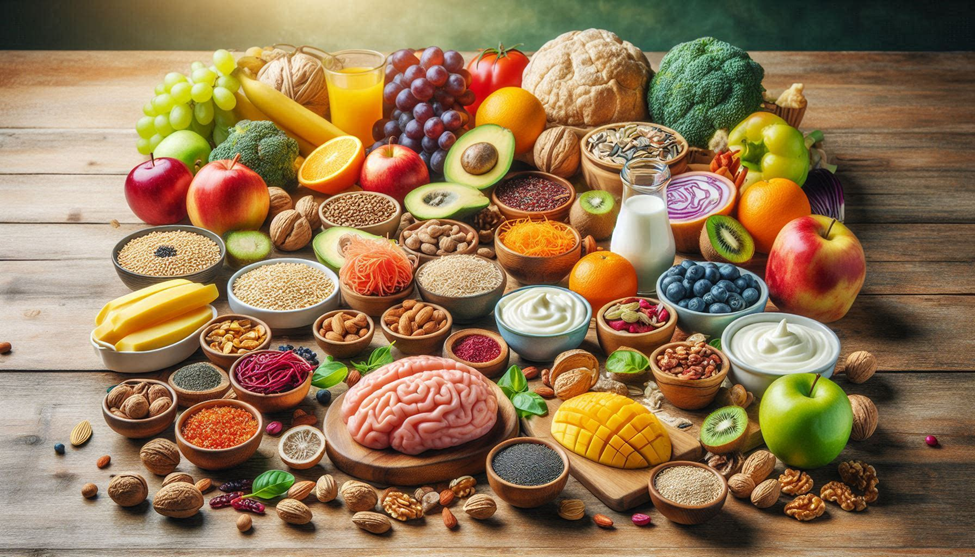
This guide provides a comprehensive, evidence-based analysis of the gut-brain axis and functional foods. It explores the mechanisms of gut-brain communication, microbial influence on mental health, dietary strategies for optimal micro biota support, and practical recommendations for integrating functional foods into daily nutrition. The discussion integrates insights from neuroscience, gastroenterology, nutrition science, and clinical research, offering guidance for health professionals, athletes, and the general population seeking to optimize both mental well-being and digestive function.
1. Mechanisms of the Gut-Brain Axis
The gut-brain axis functions as a highly integrated communication network that coordinates digestive, immune, and neurological processes. Neural pathways, primarily mediated by the vague nerve, provide rapid bidirectional signaling between the gut and the central nervous system (CNS). Enteric neurons within the gastrointestinal tract detect nutrients, microbial metabolites, and mechanical stimuli, modulating neurotransmitter release, autonomic function, and stress responsiveness. This neural signaling ensures that the brain can adapt to changes in gut physiology, nutrient availability, and microbial activity, influencing both behavior and cognition.
Immune pathways represent another critical component. Gut-associated lymphoid tissue (GALT) and circulating cytokines influence systemic inflammation, which in turn can affect mood, cognition, and stress responses. Chronic low-grade inflammation, often resulting from symbiosis or poor dietary patterns, has been linked to depressive symptoms, cognitive deficits, and heightened stress sensitivity.
Endocrine interactions through the hypothalamic-pituitary-adrenal (HPA) axis allow gut signals to modulate cortical secretion and stress reactivity. Symbiosis can exaggerate HPA activity, leading to heightened physiological stress responses.
Finally, microbial metabolites, including short-chain fatty acids (SCFAs), tryptophan derivatives, and other bioactive compounds, directly influence neurotransmitter synthesis. SCFAs support serotonin, dopamine, and GABA production, which are critical for emotional regulation, cognitive processing, and stress resilience. Together, these mechanisms demonstrate the complex, multidimensional pathways through which the gut communicates with the brain, highlighting the central role of diet, micro biota, and lifestyle in mental and digestive health.
2. Role of the Micro biota in Mental Health
- Diversity and Resilience: High microbial diversity correlates with better stress response, mood regulation, and digestive health.
- Symbiosis: Imbalance, often triggered by poor diet, antibiotics, or chronic stress, is associated with anxiety, depression, and cognitive decline.
- Robotic Strains and Psychobiotics: Certain strains, such as Lactobacillus rhamnosus, bifid bacterium longue, and Lactobacillus plant arum, have demonstrated anxiolytic and antidepressant effects in human and animal studies.
3. Functional Foods to Support the Gut-Brain Axis
- Robotics: Live microorganisms that, when ingested in adequate amounts, confer health benefits, including enhanced intestinal barrier integrity, reduced inflammation, and neurotransmitter modulation.
- Prebiotics: Non-digestible fibers (e.g., insulin, fructooligosaccharides) that selectively stimulate beneficial gut microbes, promoting SCFA production and positive gut-brain signaling.
- Fermented Foods: Examples: yogurt, kefir, kamahi, sauerkraut, miss. Rich in robotics and bioactive peptides that support digestive function, immunity, and mood regulation.
- Polyphone-Rich Foods: Berries, green tea, dark chocolate, and citrus fruits modulate microbial composition, reduce oxidative stress, and support cognitive function.
- Omega-3 Fatty Acids: Found in fatty fish, flaxseed, china, and walnuts, omega-3s reduce neuroinflammation and enhance neuronal plasticity, supporting mood and cognitive performance.
4. Dietary Patterns for Gut-Brain Health
Dietary patterns play a critical role in modulating the gut-brain axis by influencing microbial composition, immune function, and neurotransmitter activity. The Mediterranean diet—characterized by high intake of fiber-rich vegetables, fruits, legumes, whole grains, olive oil, nuts, and fermented foods—has been extensively linked to enhanced cognitive performance, improved mood, and greater microbial diversity. Polyphones present in plant foods act as prebiotics for beneficial gut bacteria and provide antioxidant and anti-inflammatory effects, both of which support neuronal health.
High-fiber diets, including those rich in whole grains, legumes, vegetables, and fruits, promote the production of short-chain fatty acids (SCFAs) such as acetate, propionate, and butyrate. These metabolites play a key role in modulating the immune system, supporting gut barrier integrity, and stimulating serotonin production, which can positively influence mood, stress resilience, and gastrointestinal function.
Plant-based diets, particularly those emphasizing prebiotic-rich vegetables, nuts, seeds, and minimally processed foods, provide a wide spectrum of micronutrients, antioxidants, and fiber that collectively support microbial balance. By consistently including diverse plant foods, healthy fats, and fermented products, individuals can create a synergistic dietary environment that promotes both mental and digestive health. For optimal outcomes, these dietary patterns should be sustainable, nutrient-dense, and individualized, considering personal preferences, digestive tolerance, and lifestyle factors.
5. Lifestyle Integration and Practical Applications
Lifestyle factors profoundly influence the gut-brain axis, complementing dietary strategies. Meal timing is one critical factor: aligning food intake with circadian rhythms helps optimize digestive enzyme secretion, gut motility, and microbial activity, enhancing both nutrient absorption and microbial diversity. Eating patterns that avoid late-night high-fat or high-sugar meals can prevent disruptions in gut micro biota and circadian signaling, supporting both metabolic and cognitive health.
Stress management is another pivotal aspect. Chronic psychological stress activates the HPA axis, leading to elevated cortical levels, increased gut permeability, and microbial symbiosis. Techniques such as mindfulness meditation, structured exercise, yoga, and sleep hygiene can modulate stress responses, positively influencing microbial composition and neurotransmitter balance.
Supplementation can further enhance gut-brain support when targeted appropriately. Robotics introduces beneficial bacteria, prebiotics feed existing healthy microbes, and omega-3 fatty acids reduce neuroinflammation and support synaptic function. Combined with a nutrient-dense diet, these interventions provide a holistic framework for improving mental health, gastrointestinal function, and overall resilience. Integration of lifestyle and nutrition strategies allows for personalized, practical approaches to optimizing the gut-brain axis across diverse populations.
6. Clinical Evidence and Research
Clinical and preclinical research provides compelling evidence for the efficacy of functional foods in supporting gut-brain health. Studies demonstrate that robotic supplementation can reduce anxiety and depressive symptoms in both clinical populations and individuals with subclinical mood disturbances. Specific strains, such as Lactobacillus rhamnosus, bifid bacterium longue, and Lactobacillus plant arum, have been shown to modulate GABAergic signaling and HPA axis activity, leading to improved emotional regulation.
Prebiotics, including insulin and fructooligosaccharides, enhance the growth of beneficial bacteria that produce SCFAs, which influence neurotransmitter synthesis and stress resilience. Randomized controlled trials have reported improvements in sleep quality, cortical regulation, and subjective mood scores with periodic supplementation.
Fermented foods, such as yogurt, kefir, kamahi, and miss, have been associated with increased microbial diversity, enhanced gut barrier function, and improved gastrointestinal health. These microbial and metabolic changes translate into benefits for cognitive function, mood regulation, and overall mental well-being. Collectively, research underscores that dietary interventions, supported by lifestyle modifications and targeted supplementation, are effective strategies for harnessing the gut-brain axis to improve both digestive and mental health outcomes.
7. Future Directions
- Micro biome-guided nutrition: Personalized dietary interventions based on gut composition.
- Psychobiotics: Targeted microbial supplementation for mental health support.
- Integration with functional medicine: Combining diet, lifestyle, and microbial modulation to optimize holistic health.
Conclusion
The gut-brain axis is a highly intricate, bidirectional communication network that connects the gastrointestinal system with the central nervous system. This system relies on a dynamic interplay of neural pathways, immune signaling, hormonal modulation, and microbial metabolites, all of which collectively influence mood, cognition, stress response, and gastrointestinal function. Deregulation of this axis, often stemming from microbial imbalance, chronic inflammation, or poor dietary patterns, has been linked to a spectrum of conditions, including anxiety, depression, cognitive impairments, and functional gastrointestinal disorders.
Functional foods serve as a strategic, non-pharmacological approach to support the gut-brain axis. Robotics contribute live microorganisms that enhance microbial diversity and strengthen the intestinal barrier, while prebiotics act as substrates that selectively nourish beneficial bacteria, promoting the production of short-chain fatty acids and other retroactive compounds. Fermented foods provide both robotics and bioactive peptides, which can modulate immune function and neurotransmitter activity. Polyphone-rich plant foods, such as berries, green tea, and dark chocolate, exert antioxidant, anti-inflammatory, and micro biome-modulating effects, further supporting neuronal health and cognitive function. Meanwhile, omega-3 fatty acids play a critical role in reducing neuroinflammation, enhancing neuronal membrane fluidity, and supporting synaptic plasticity, which collectively benefit both mood regulation and cognitive performance.
Integrating these functional foods into balanced dietary patterns, such as the Mediterranean or plant-forward diets, ensures comprehensive nutrient coverage while promoting gut microbial diversity and metabolic resilience. Personalizing nutrition strategies—through targeted psychobiotics, micro biome-guided dietary planning, and functional food integration—holds significant potential for optimizing the gut-brain axis across diverse populations. As research continues to unravel the complex interactions between diet, micro biota, and neurocognition, the incorporation of functional foods emerges as a practical, evidence-based, and holistic approach for achieving robust mental health, digestive resilience, and overall well-being.
SOURCES
Cyan, J.F. & Dina, T.G. (2012). Mind-altering microorganisms: The impact of the gut micro biota on brain and behavior. Nature Reviews Neuroscience.
Mayer, E.A. (2011). Gut feelings: The emerging biology of gut–brain communication. Nature Reviews Neuroscience.
Dina, T.G. & Cyan, J.F. (2017). Gut-brain axis in 2016: Brain-gut-micro biota axis—Mood, metabolism, and health. Nature Reviews Gastroenterology & Hematology.
Rhee, S.H., Pothoulakis, C., & Mayer, E.A. (2009). Principles and clinical implications of the brain–gut–enteric micro biota axis. Nature Reviews Gastroenterology & Hematology.
Brick, P. et al. (2011). The intestinal micro biota affects central levels of brain-derived neurotropic factor and behavior in mice. Gastroenterology.
O’Mahony, S.M. et al. (2009). Early life stress alters behavior, immunity, and micro biota in rats: Implications for gut-brain axis research. Gastroenterology.
Starker, A. et al. (2016). Psychobiotics and the manipulation of bacteria–gut–brain signals. Trends in Neurosciences.
Bajaj, J.S. et al. (2017). Altered gut microbial function and cognitive impairment in liver disease. Hematology.
Sanders, M.E. et al. (2013). Robotics and prebiotics in intestinal health and disease. Nature Reviews Gastroenterology & Hematology.
Gateau, M.G. et al. (2011). Robotics prevents stress-induced gut permeability in rats: Implications for stress-related disorders. Gut.
Kelly, J.R. et al. (2015). Breaking down the barriers: The gut micro biome, intestinal permeability, and stress-related psychiatric disorders. Frontiers in Cellular Neuroscience.
Slyepchenko, A. et al. (2017). Gut micro biota, robotics, and mental health. Current Opinion in Psychiatry.
Miguel, S. et al. (2016). Ecology and metabolism of the human gut micro biota: Implications for mental health. Nature Reviews Microbiology.
Zhen, P. et al. (2016). Gut micro biome remodeling induces depressive-like behaviors through host metabolism. Molecular Psychiatry.
Clarke, G. et al. (2013). The micro biome-gut-brain axis during early life regulates the hippocampus serotonergic system in a sex-dependent manner. Molecular Psychiatry.
Burkes, A. et al. (2017). Targeting the micro biota-gut-brain axis: Prebiotics have anxiolytic and antidepressant effects. Brain, Behavior, and Immunity.
Bravo, J.A. et al. (2011). Ingestion of Lactobacillus strain regulates emotional behavior and central GABA receptor expression in mice. Proceedings of the National Academy of Sciences.
Gibson, G.R. et al. (2017). The concept of prebiotics: Current status and future directions. Journal of Nutrition.
Holster, H.D. (2017). Dietary fiber and prebiotics and the gastrointestinal micro biota. Gut Microbes.
David, L.A. et al. (2014). Diet rapidly and reproducibly alters the human gut micro biome. Nature.
O’Leary, O.F. & Dina, T.G. (2015). Micro biota-brain interactions: From gut to behavior. Current Opinion in Clinical Nutrition & Metabolic Care.
Mazola, R. & Passion, E. (2016). The retroactive potential of the human gut micro biota in quality of life and depression. Frontiers in Neuroscience.
Hoban, A.E. et al. (2016). Regulation of prefrontal cortex myelination by the micro biota. Translational Psychiatry.
Valles-Colomer, M. et al. (2019). The retroactive potential of the human gut micro biota in quality of life and depression. Nature Microbiology.
Strandwitz, P. (2018). Neurotransmitter modulation by the gut micro biota. Brain Research.
HISTORY
Current Version
Dec 13, 2025
Written By
ASIFA

0 Comments