Introduction
The human gut micro biome, comprising trillions of microorganisms including bacteria, viruses, fungi, and archaic, has emerged as a central determinant of human health and disease. Far beyond its traditional role in digestion and nutrient absorption, the micro biome functions as a complex and dynamic interface between dietary intake, immune system function, and neurological processes. Each microbial species contributes unique metabolic capabilities, producing bioactive compounds such as short-chain fatty acids, vitamins, and neurotransmitter precursors, which collectively influence systemic physiology. Microbial diversity—the range and relative abundance of different species within the gut ecosystem—has been strongly linked to health outcomes, including immune regulation, metabolic homeostasis, and mood stabilization (David et al., 2014; Kelly et al., 2016). Individuals with higher gut microbial diversity often exhibit enhanced resilience to pathogens, improved digestion and nutrient utilization, and more robust mental well-being, highlighting the protective role of a balanced micro biome.
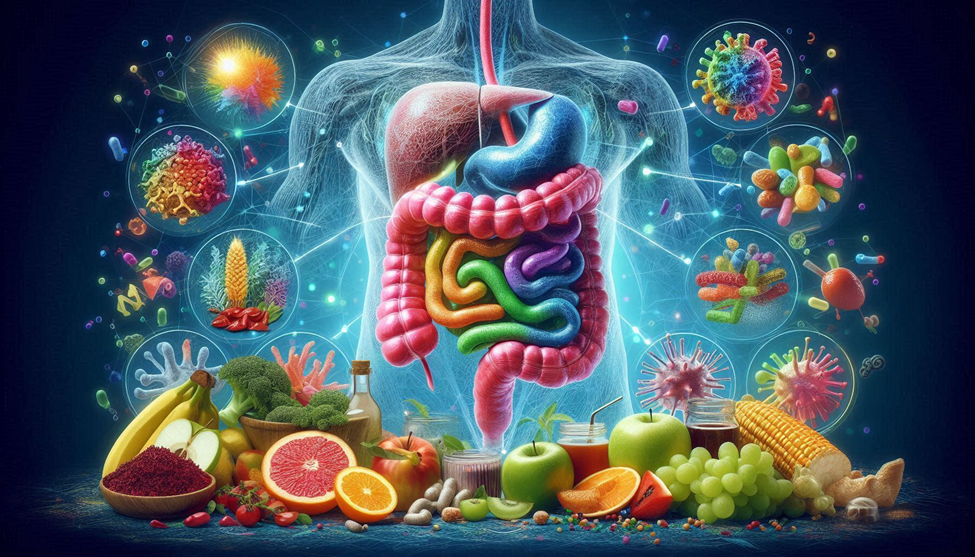
Recent advances in met genomic and metabolomic technologies have significantly deepened our understanding of the micro biome’s role in human health. Researchers have demonstrated that the gut micro biome interacts bidirectional with the central nervous system via the gut-brain axis, modulating stress responses, emotional regulation, and cognitive function. Furthermore, the gut micro biome exerts profound effects on immune development and function, influencing T-cell differentiation, cytokine production, and systemic inflammation. Diet, lifestyle, medication use, and environmental exposures all shape microbial composition, underscoring the micro biome’s sensitivity and adaptability to external factors. This intricate network of interactions positions the micro biome as a central hub in preventive medicine, integrative nutrition, and mental health interventions. Understanding these complex relationships is critical for developing evidence-based strategies to optimize gut health, enhance immune function, and support psychological well-being, offering promising avenues for both clinical practice and personal wellness optimization.
2. The Gut Micro biome: Composition and Function
The gut micro biome is primarily dominated by four bacterial phyla: Formicates, Bacteroidetes, Actinobacteria, and Proteobacteria (Lozupone et al., 2012). Each group contributes to specific physiological processes. Formicates are involved in fermentation of dietary fibers and production of short-chain fatty acids (SCFAs) such as butyrate, which fuel colonocytes and maintain intestinal barrier integrity. Bacteroidetes participate in polysaccharide breakdown and energy harvest, while Actinobacteria, including bifid bacteria, play roles in immune modulation and vitamin production (O’Toole & Caisson, 2010). Proteobacteria, though less abundant in a healthy gut, can expand under symbiotic conditions, often signaling inflammation (Shin, Whom, & Bee, 2015).
Microbes in the gut contribute to:
- Digestion and nutrient absorption: Complex carbohydrates, fibers, and polyphones are metabolized into bioactive compounds.
- Immune signaling: Microbial metabolites interact with innate and adaptive immunity, influencing cytokine production.
- Neurological modulation: The gut micro biome produces or stimulates neurotransmitters, including serotonin, dopamine, and GABA, impacting mood and cognitive function (Mayer et al., 2014).
Microbial diversity is a key marker of gut health. Greater species richness correlates with resilience to infections, reduced inflammation, and improved metabolic outcomes (Lozupone et al., 2012). Conversely, low diversity, or symbiosis, is linked to metabolic syndrome, autoimmune conditions, and psychiatric disorders (Zhao et al., 2019).
3. Gut-Immune System Interactions
The gut micro biome is instrumental in shaping immune responses. Microbial metabolites such as SCFAs regulate T-regulatory (Trig) cell differentiation, enhancing immune tolerance and reducing inappropriate inflammation (Smith et al., 2013). SCFAs also strengthen tight junction proteins, maintaining intestinal barrier integrity and preventing systemic exposure to microbial antigens—a phenomenon often referred to as “leaky gut” (Foresaw et al., 2013).
Symbiosis can promote chronic inflammation by increasing pro-inflammatory cytokines, such as interleukin-6 and tumor necrosis factor-alpha, contributing to autoimmune disorders (Belk aid & Hand, 2014). Clinical studies indicate that individuals with reduced micro biome diversity exhibit higher susceptibility to infections and slower immune recovery (Rooks & Garrett, 2016). Diet plays a pivotal role in maintaining microbial composition and function, with high-fiber, polyphone-rich diets supporting regulatory immune pathways, whereas processed; high-fat diets often exacerbate inflammatory signaling (Graf et al., 2015).
4. The Gut-Brain Axis and Mood Regulation
The gut-brain axis represents bidirectional communication between the central nervous system and the enteric nervous system, modulated by neural, hormonal, and immune pathways. Gut microbes influence brain function through several mechanisms:
- Vague nerve signaling: Microbial metabolites stimulate afferent fibers, affecting mood and stress responses.
- Endocrine modulation: SCFAs, tryptophan metabolites, and microbial neurotransmitters regulate hypothalamic-pituitary-adrenal (HPA) axis activity.
- Neurotransmitter production: Approximately 90% of serotonin is produced in the gut; microbial communities can affect its synthesis and availability (Strandwitz, 2018).
Evidence links micro biome composition to mental health outcomes. Robotic supplementation with Lactobacillus and Bifid bacterium strains has been associated with reductions in anxiety and depressive symptoms in randomized controlled trials (Missouri et al., 2011; Steenburgen et al., 2015). Conversely, symbiosis correlates with increased stress responsiveness and cognitive decline (Kelly et al., 2016).
5. Diet and Micro biome Diversity
Diet is widely recognized as the most influential and modifiable factor in shaping the gut micro biome. Among dietary components, fibers and prebiotics play a foundational role in maintaining microbial diversity. Compounds such as insulin, fructooligosaccharides, and resistant starches serve as selective substrates for beneficial bacteria, promoting the production of short-chain fatty acids (SCFAs) like butyrate, acetate, and propionate, which support gut barrier integrity, modulate immune responses, and provide energy to colonocytes (Slaving, 2013). Regular consumption of fiber-rich foods, including whole grains, legumes, fruits, and vegetables, fosters a more resilient and metabolically active microbial community.
Fermented foods, including yogurt, kefir, kamahi, and temper, provide live microorganisms and bioactive metabolites that directly enhance microbial diversity while also stimulating immune signaling and regulating inflammation (Marco et al., 2017). Polyphone-rich foods, such as berries, dark chocolate, green tea, and a variety of colorful vegetables, act as substrates for microbial metabolism, encouraging the growth of beneficial species and supporting metabolic health (Cardona et al., 2013). Conversely, ultra-processed diets high in refined sugars and unhealthy fats are associated with reduced microbial richness, impaired gut barrier function, and elevated inflammatory mediators, contributing to symbiosis and increased disease risk (Singh et al., 2017).
Emerging evidence suggests that personalized nutrition, guided by micro biome profiling, offers a precision approach to optimize SCFA production, improve metabolic outcomes, and support mental health by tailoring dietary interventions to an individual’s unique microbial composition (Peeve et al., 2015). Such strategies highlight the potential for diet to serve as a powerful tool for promoting gut health, immune function, and overall wellness.
6. Clinical and Wellness Implications
Maintaining a diverse and balanced gut micro biome has far-reaching implications for disease prevention, mental health, and overall wellness. A robust microbial ecosystem enhances the body’s ability to respond to pathogenic challenges, reduces chronic inflammation, and supports metabolic regulation, all of which contribute to long-term health outcomes. Evidence-based interventions to promote microbial diversity begin with adopting plant-forward dietary patterns that are rich in dietary fiber, polyphones, and fermented foods. High-fiber foods, including whole grains, legumes, fruits, and vegetables, serve as periodic substrates that selectively nourish beneficial gut bacteria, while polyphone-rich foods, such as berries, cocoa, and tea, provide additional bioactive compounds that modulate microbial composition. Fermented foods, including yogurt, kefir, kamahi, and temper, introduce live microbial cultures that can enhance gut resilience and support immune function.
In addition to dietary strategies, targeted periodic and robotic supplementation can be employed to address specific health goals, such as improving gastrointestinal function, enhancing immune responses, or supporting mental well-being. Lifestyle factors further reinforce microbial health: consistent sleep patterns, regular physical activity, and effective stress management each influence gut composition and microbial metabolite production. Integrating gut-focused strategies into broader mental health frameworks is increasingly recognized as essential, as dietary and lifestyle interventions can complement pharmacological treatments for mood disorders, reduce stress-induced symbiosis, and support overall psychological resilience. By combining these approaches, individuals can foster a robust gut ecosystem that underpins both physical and mental health.
7. Emerging Research and Future Directions
- Fecal micro biota transplantation (FMT): Promising for metabolic and neuropsychiatric conditions.
- Next-generation robotics and postbiotics: Engineered strains and microbial metabolites targeting specific pathways.
- Multi-omits and systems biology: Combining met genomics, metabolomics, and proteomics to tailor interventions.
8. Practical Recommendations
- Prioritize diverse plant-based foods across all meals.
- Include fermented foods daily for live microbial exposure.
- Minimize processed and high-sugar foods.
- Integrate stress reduction, regular exercise, and adequate sleep to support micro biome resilience.
- Consult healthcare professionals before robotic or FMT interventions.
Conclusion
The gut micro biome represents a critical hub connecting diet, immunity, and mental well-being. A diverse and balanced microbial ecosystem not only supports efficient digestion and nutrient absorption but also modulates immune responses and communicates with the central nervous system through the gut-brain axis. By producing bioactive compounds such as short-chain fatty acids, neurotransmitters, and anti-inflammatory metabolites, a healthy micro biome enhances immune resilience, maintains intestinal barrier integrity, and influences mood and cognitive function. Conversely, microbial imbalances, or symbiosis, contribute to systemic inflammation, metabolic dysfunction, and increased susceptibility to mood disorders, highlighting the central role of gut health in overall wellness.
Dietary choices remain the most influential and modifiable factor shaping microbial diversity. Diets rich in fiber, fermented foods, and polyphones foster a thriving micro biota, while high-fat, high-sugar, and ultra-processed foods can compromise microbial richness and exacerbate inflammation. Beyond nutrition, lifestyle factors including regular physical activity, adequate sleep, stress management, and avoidance of unnecessary antibiotics further reinforce microbial balance and gut resilience. Integrating these strategies into a holistic wellness framework allows for synergistic benefits, enhancing both physical health and psychological well-being.
Emerging research underscores the potential of targeted interventions, including prebiotics, robotics, and personalized nutrition approaches, to optimize gut composition and function. While the field continues to evolve, the convergence of nutrition, immunology, and neuroscience offers compelling evidence that fostering gut microbial diversity is foundational to long-term health. Ultimately, prioritizing gut health through evidence-based dietary and lifestyle strategies empowers individuals to strengthen immunity, support mood regulation, and achieve sustainable wellness outcomes, reinforcing the gut micro biome’s role as a cornerstone of human health.
SOURCES
Belk aid, Y., & Hand, T. W. (2014). Role of the micro biota in immunity and inflammation. Cell, 157(1), 121–141.
Cardona, F., Andrés-Lacueva, C., Ulpian, S., Tina hones, F. J., & Queipo-Ortuño, M. I. (2013). Benefits of polyphones on gut micro biota and implications in human health. Journal of Nutritional Biochemistry, 24(8), 1415–1422.
David, L. A., Maurice, C. F., Carboy, R. N., et al. (2014). Diet rapidly and reproducibly alters the human gut micro biome. Nature, 505(7484), 559–563.
Foresaw, Y., Obata, Y., Fukuda, S., et al. (2013). Commensally microbe-derived butyrate induces the differentiation of colonic regulatory T cells. Nature, 504(7480), 446–450.
Graf, D., Di Cano, R., Fake, F., et al. (2015). Contribution of diet to the composition of the human gut micro biota. Microbial Ecology in Health and Disease, 26(1), 26164.
Kelly, J. R., Bore, Y., O’ Brien, C., et al. (2016). Transferring the blues: Depression-associated gut micro biota induces neurobehavioral changes in the rat. Journal of Psychiatric Research, 82, 109–118.
Lozupone, C. A., Tombaugh, J. I., Gordon, J. I., Janssen, J. K., & Knight, R. (2012). Diversity, stability and resilience of the human gut micro biota. Nature, 489(7415), 220–230.
Marco, M. L., Heaney, D., Banda, S., et al. (2017). Health benefits of fermented foods: micro biota and beyond. Current Opinion in Biotechnology, 44, 94–102.
Mayer, E. A., Knight, R., Tasmanian, S. K., Cyan, J. F., & Tillich, K. (2014). Gut microbes and the brain: paradigm shift in neuroscience. Journal of Neuroscience, 34(46), 15490–15496.
O’Toole, P. W., & Caisson, M. J. (2010). Gut micro biota: Changes throughout the lifespan and implications for health. Nutrition Reviews, 68(suppl_1), S53–S61.
Rooks, M. G., & Garrett, W. S. (2016). Gut micro biota, metabolites and host immunity. Nature Reviews Immunology, 16(6), 341–352.
Shin, N. R., Whom, T. W., & Bee, J. W. (2015). Proteobacteria: microbial signature of symbiosis in gut micro biota. Trends in Biotechnology, 33(9), 496–503.
Singh, R. K., Chang, H. W., Yan, D., et al. (2017). Influence of diet on the gut micro biome and implications for human health. Journal of Translational Medicine, 15(1), 73.
Smith, P. M., Hewitt, M. R., Panicked, N., et al. (2013). The microbial metabolites, short-chain fatty acids, regulate colonic Trig cell homeostasis. Science, 341(6145), 569–573.
Steenburgen, L., Seller, R., van Hemet, S., Bosch, J. A., & Colza to, L. S. (2015). A randomized controlled trial to test the effect of multispecies robotics on cognitive reactivity to sad mood. Brain, Behavior, and Immunity, 48, 258–264.
Strandwitz, P. (2018). Neurotransmitter modulation by the gut micro biota. Brain Research, 1693, 128–133.
Peeve, D., Korea, T., Zamora, N., et al. (2015). Personalized nutrition by prediction of glycolic responses. Cell, 163(5), 1079–1094.
Zhao, L., Zhang, F., Ding, X., et al. (2019). Gut bacteria selectively promoted by dietary fibers alleviate type 2 diabetes. Science, 359(6380), 1151–1156.
Dina, T. G., Stanton, C., & Cyan, J. F. (2013). Psychobiotics: a novel class of psychotropic. Biological Psychiatry, 74(10), 720–726.
Cyan, J. F., & Dina, T. G. (2012). Mind-altering microorganisms: the impact of the gut micro biota on brain and behavior. Nature Reviews Neuroscience, 13(10), 701–712.
Missouri, M., Alone, R., Voile, N., et al. (2011). Assessment of psychotropic-like properties of a robotic formulation. Brain, Behavior, and Immunity, 25(3), 373–381.
Blat, M., & Calve, T. (2007). Metabolic diversity of the intestinal micro biota: implications for health and disease. Journal of Nutrition, 137(3 Supple 2), 751S–755S.
Arumugam, M., Rees, J., Pelletier, E., et al. (2011). Intertypes of the human gut micro biome. Nature, 473(7346), 174–180.
Turnbaugh, P. J., Lye, R. E., Hamada, M., et al. (2007). The human micro biome project. Nature, 449(7164), 804–810.
Backed, F., Ding, H., Wang, T., et al. (2004). The gut micro biota as an environmental factor that regulates fat storage. PNAS, 101(44), 15718–15723.
HISTORY
Current Version
Dec 11, 2025
Written By
ASIFA

0 Comments