Introduction
For decades, weightlifting has been surrounded by persistent myths that have disproportionately discouraged women from engaging in one of the most effective and scientifically supported forms of exercise. Cultural stereotypes, outdated fitness marketing, and widespread misinformation have portrayed resistance training as unfeminine, unsafe, or unnecessary for women. These narratives have shaped gym culture and fitness advice, steering many women toward cardio-only routines, very light weights, or purely aesthetic-focused programs that prioritize calorie burn over functional strength. While such approaches may offer short-term results, they often fail to support long-term health, physical resilience, and independence.
Modern exercise science presents a far more accurate and empowering picture. Weightlifting is not only safe for women—it is essential for optimal musculoskeletal health, metabolic efficiency, hormonal regulation, and injury prevention. Resistance training strengthens muscles, bones, and connective tissues, helping to protect against osteoporosis, joint degeneration, and age-related muscle loss. It also improves insulin sensitivity and metabolic flexibility, supporting sustainable body composition and reducing the risk of chronic conditions such as type 2 diabetes and cardiovascular disease.
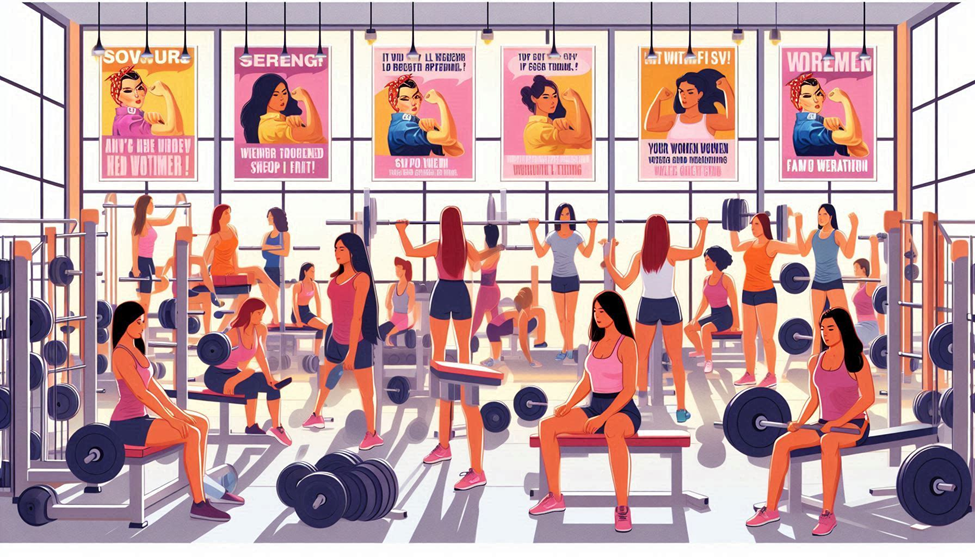
Importantly, weightlifting supports women through every stage of life. For adolescent girls, it enhances bone development, coordination, and confidence. For adult women, it improves posture, work capacity, and stress resilience. For postmenopausal women, resistance training becomes a critical tool for preserving bone density, maintaining muscle mass and supporting balance and mobility. Far from disrupting hormonal health, properly programmed strength training can improve hormonal stability and stress tolerance.
This guide provides a comprehensive, professional, and evidence-informed examination of the most common misconceptions surrounding weightlifting for women. Each myth is addressed through clear physiological explanations, practical training insights, and real-world application. By replacing fear with knowledge and confusion with clarity, this guide empowers women to approach strength training with confidence, purpose, and a deeper understanding of their bodies—transforming weightlifting from a misunderstood activity into a lifelong foundation for health and strength.
Myth 1: “Weightlifting Will Make Women Bulky”
The Origin of the Myth
The fear of becoming “bulky” remains the most pervasive deterrent for women considering weightlifting. This misconception stems largely from comparisons to male bodybuilders, selective media portrayals of elite female physique athletes, and a misunderstanding of muscle hypertrophy.
The Reality of Female Muscle Growth
Women have significantly lower levels of testosterone—approximately 10–20 times lower than men. Testosterone is a primary driver of large-scale muscle hypertrophy. While women are fully capable of increasing strength and lean mass, the rate and magnitude of muscle growth are biologically limited.
In practical terms:
- Muscle gain in women is gradual, not explosive
- Visual muscle definition reflects reduced body fat and improved muscle tone, not excessive size
- Building a visibly “bulky” physique requires years of highly specific training, caloric surplus, and often genetic predisposition
What Actually Happens
Most women who lift weights experience:
- Improved muscle firmness and shape
- Leaner appearance due to increased metabolic rate
- Enhanced posture and body composition
Rather than bulk, weightlifting creates proportion, strength, and functional aesthetics.
Myth 2: “Women Should Only Lift Light Weights”
Where This Advice Came From
Fitness culture has long promoted the idea that women should lift light weights for high repetitions to “tone” muscles. This recommendation is not supported by physiological evidence.
Strength Requires Adequate Load
Muscle adaptation occurs when tissues are exposed to sufficient mechanical tension. Light weights lifted endlessly do little to stimulate:
- Muscle fiber recruitment
- Bone density adaptation
- Neuromuscular efficiency
Women benefit from lifting challenging loads relative to their capacity, just as men do.
Toning Is a Misnomer
There is no physiological process called “toning.” What people describe as tone is the combination of:
- Increased lean muscle mass
- Reduced subcutaneous fat
Both outcomes are best achieved through progressive resistance training paired with appropriate nutrition.
Myth 3: “Weightlifting Is Dangerous for Women’s Joints”
Fear vs. Evidence
Many women avoid weights due to fear of injury, particularly to the knees, back, or shoulders. Ironically, properly executed resistance training is one of the most effective tools for joint protection.
How Weightlifting Supports Joint Health
- Strengthens muscles that stabilize joints
- Improves connective tissue integrity (tendons and ligaments)
- Enhances proprioception and movement control
- Reduces risk of falls and overuse injuries
When compared to high-impact cardio or poorly controlled bodyweight classes, supervised strength training often carries a lower injury risk.
Technique over Load
Injuries are not caused by weights themselves, but by:
- Poor technique
- Excessive fatigue
- Inappropriate programming
Education and progression eliminate the majority of risk.
Myth 4: “Cardio Is Better Than Weightlifting for Fat Loss”
The Calorie Burn Illusion
Cardio burns calories during the activity itself, which has led to the belief that it is superior for fat loss. However, this view ignores long-term metabolic adaptation.
The Role of Muscle in Metabolism
Lean muscle tissue is metabolically active. Increasing muscle mass:
- Raises resting energy expenditure
- Improves insulin sensitivity
- Enhances fat oxidation at rest and during activity
Weightlifting creates an “after burn” effect (excess post-exercise oxygen consumption) that continues to elevate energy use after training ends.
The Most Effective Approach
The most sustainable fat loss outcomes occur when resistance training is prioritized and cardio is used strategically as a complement—not a replacement.
Myth 5: “Weightlifting Is Not Feminine”
Cultural Conditioning
The association between femininity and physical fragility is socially constructed, not biologically determined. Strength has historically been framed as masculine, despite women performing physically demanding labor throughout human history.
Redefining Femininity
Strength training enhances:
- Confidence and self-efficacy
- Body autonomy
- Functional independence
Many women report feeling more connected to their bodies and more comfortable in their physical presence after engaging in weightlifting.
Femininity is not diminished by strength—it is expanded by capability.
Myth 6: “Weightlifting Is Unsafe During Menstruation”
Understanding the Menstrual Cycle
Hormonal fluctuations across the menstrual cycle can influence energy levels, coordination, and pain sensitivity, but they do not contraindicate resistance training.
Benefits of Lifting During Menstruation
- Improved circulation and reduced cramps
- Stabilization of mood through endorphin release
- Maintenance of routine and psychological consistency
Training intensity can be adjusted based on symptoms, but avoidance is rarely necessary.
Myth 7: “Older Women Should Not Lift Heavy Weights”
Age-Related Muscle Loss
Sarcopenia—the age-related loss of muscle mass—begins as early as the third decade of life and accelerates after menopause.
Resistance Training as a Protective Tool
For older women, weightlifting:
- Preserves bone mineral density
- Reduces fall risk
- Maintains independence
- Improves glucose regulation
Heavy is a relative term. Safe, progressive loading is not only appropriate but essential for healthy aging.
Myth 8: “Weightlifting Causes Hormonal Imbalances in Women”
The Hormonal Response to Training
Resistance training supports hormonal health rather than disrupting it. Regular lifting improves:
- Insulin sensitivity
- Cortical regulation
- Estrogen receptor sensitivity
Rather than causing imbalance, weightlifting enhances hormonal resilience.
Myth 9: “Women Don’t Need Upper Body Strength”
Functional Reality
Upper body strength supports:
- Daily tasks such as lifting, carrying, and pushing
- Postural alignment and spinal health
- Athletic performance and injury prevention
Neglecting upper body training contributes to shoulder pain, neck tension, and poor posture.
Myth 10: “Weightlifting Is Only for Athletes”
Strength Is a Human Requirement
Strength is not a niche skill. It underpins:
- Mobility
- Balance
- Metabolic health
- Longevity
Every woman, regardless of age or athletic background, benefits from resistance training tailored to her needs.
Psychological Benefits Often Overlooked
Beyond physical adaptation, weightlifting offers profound psychological advantages:
- Reduced anxiety and depressive symptoms
- Increased self-trust and resilience
- Improved stress tolerance
- Enhanced body image rooted in function, not appearance
The empowerment gained through progressive strength carries into every domain of life.
Programming Principles for Women
Effective weightlifting programs for women should emphasize:
- Progressive overload
- Compound movements
- Adequate recovery
- Individualized volume and intensity
There is no single “female” program—only programs that respect physiology, experience level, and goals.
Nutrition and Recovery Considerations
Strength adaptation requires:
- Sufficient protein intake
- Adequate caloric support
- Sleep and stress management
Under-eating is one of the most common barriers preventing women from realizing the benefits of weightlifting.
Long-Term Health Implications
Women who engage in regular resistance training demonstrate:
- Lower risk of osteoporosis
- Reduced cardio metabolic disease risk
- Better cognitive health with aging
- Higher quality of life metrics
Weightlifting is not a short-term aesthetic tool—it is a lifelong health investment.
Conclusion
Weightlifting for women is not a trend, a rebellion, or a niche fitness pursuit—it is a fundamental expression of health, strength, and personal autonomy. For decades, women have been discouraged from lifting weights due to myths rooted in misinformation, cultural stereotypes, and outdated scientific assumptions. These beliefs suggested that women were too fragile for resistance training or that lifting weights would make them bulky, unfeminine, or unhealthy. When examined through a modern, evidence-based lens, these misconceptions quickly dissolve.
Women are not fragile bodies meant only for light movement; they are highly adaptable, resilient, and biologically designed to respond positively to physical stress. Resistance training strengthens muscles, bones, connective tissue, and joints, reducing the risk of injury and age-related decline. It is especially powerful for improving bone density, making weightlifting one of the most effective tools for preventing osteoporosis and fractures later in life. Far from harming health, lifting weights actively protects it.
Weightlifting also supports metabolic health and body composition. By increasing lean muscle mass, women improve insulin sensitivity, energy expenditure, and long-term weight management. The fear of developing excessive muscle is largely unfounded—women generally produce far less testosterone than men, making extreme muscularity unlikely without years of specialized training and deliberate nutritional strategies. Instead, most women develop a lean, strong, and athletic physique that enhances both function and appearance.
Beyond physical benefits, weightlifting profoundly impacts mental and emotional well-being. Learning to lift heavier weights builds confidence, discipline, and a sense of capability that often extends into daily life. It challenges limiting beliefs and replaces self-doubt with measurable progress. Strength training has also been shown to reduce anxiety, improve mood, and support cognitive health.
By replacing fear with education and myths with mastery, weightlifting becomes what it was always meant to be for women: a practical, empowering, and evidence-based tool for living stronger, healthier, and more independent lives—at every age and stage of life.
SOURCES
American College of Sports Medicine (2018) – Resistance Training for Health and Fitness
Westcott, W. L. (2012) – Resistance Training Is Medicine
Schoenfeld, B. J. (2010) – The Mechanisms of Muscle Hypertrophy and Their Application to Resistance Training
Phillips, S. M., & Winter, R. A. (2010) – Uncomplicated Resistance Training and Health-Related Outcomes
Hunter, G. R., McCarthy, J. P., & Barman, M. M. (2004) – Effects of Resistance Training on Older Adults
Kraemer, W. J., & Retimes, N. A. (2004) – Fundamentals of Resistance Training: Progression and Exercise Prescription
Retimes, N. A., et al. (2009) – American College of Sports Medicine Position Stand: Progression Models in Resistance Training
Stressed, B., & Schobersberger, W. (2011) – Evidence for Resistance Training as a Treatment Therapy in Obesity
Winter, R. A., & Carpingly, R. N. (2001) – Potential Health-Related Benefits of Resistance Training
Peterson, M. D., Rhea, M. R., & Sen., A. (2010) – Resistance Exercise for Muscular Strength in Older Adults
Liu, C. J., & Latham, N. K. (2009) – Progressive Resistance Strength Training for Improving Physical Function
Bored, R., Hortobágyi, T., & Grenache, U. (2015) – Dose–Response Relationships of Resistance Training in Older Adults
Faigenbaum, A. D., et al. (2009) – Youth Resistance Training: Updated Position Statement
Wolfe, B. L., & Lemur, L. M. (2003) – The Effects of Strength Training on Endurance Performance
Sharon, R. S., et al. (1994) – Muscle Hypertrophy and Fiber Type Adaptations to Resistance Training
Spieling, B. A., et al. (2008) – Resistance Exercise Biology: Manipulation of Resistance Training Variables
Cradle, W. D., Ketch, F. I., & Ketch, V. L. (2015) – Exercise Physiology: Nutrition, Energy, and Human Performance
Garber, C. E., et al. (2011) – Quantity and Quality of Exercise for Developing and Maintaining Fitness
Churchward-Venne, T. A., et al. (2012) – Dietary Protein Distribution and Muscle Protein Synthesis
Ahtiainen, J. P., et al. (2003) – Hormonal Adaptations to Strength Training in Women
Mind, B. C., et al. (2011) – Hormonal Responses and Adaptations to Resistance Exercise
Ingres, J. L., et al. (2010) – Sex Differences in Endocrine Responses to Resistance Exercise
Cornelissen, V. A., & Figaro, R. H. (2005) – Effects of Resistance Training on Blood Pressure
Shaw, B. S., & Shaw, I. (2010) – Compatibility of Resistance and Aerobic Training
Fragile, M. S., et al. (2019) – Resistance Training for Older Adults: Position Statement
HISTORY
Current Version
Dec 15, 2025
Written By
ASIFA
0 Comments