Introduction
The intricate and bidirectional connection between the mind and the skin, often termed the “brain-skin axis,” forms a critical framework for understanding a significant subset of dermatological conditions. For women, this relationship is navigated within a complex landscape of biological, psychological, and sociocultural factors that uniquely influence both stress perception and skin health. Hormonal fluctuations inherent to the menstrual cycle, pregnancy, and menopause can modulate stress reactivity and simultaneously alter cutaneous physiology. Societal pressures related to appearance, the “dual burden” of professional and domestic responsibilities, and gender-specific stressors further compound this dynamic. Within this context, chronic psychological stress ceases to be a mere abstract concept and becomes a tangible, physiological actor that can trigger, exacerbate, and prolong various skin disorders. This exploration delves into three of the most prevalent and stress-responsive skin conditions in women—acne, eczema, and psoriasis—dissecting the mechanisms through which stress impacts their pathology and the profound psychosocial consequences that ensue. Understanding these conditions not as isolated dermatological phenomena but as manifestations of a dysregulated stress response is paramount for developing holistic, effective, and compassionate treatment paradigms that address both the visible symptoms and their often-invisible emotional catalysts.
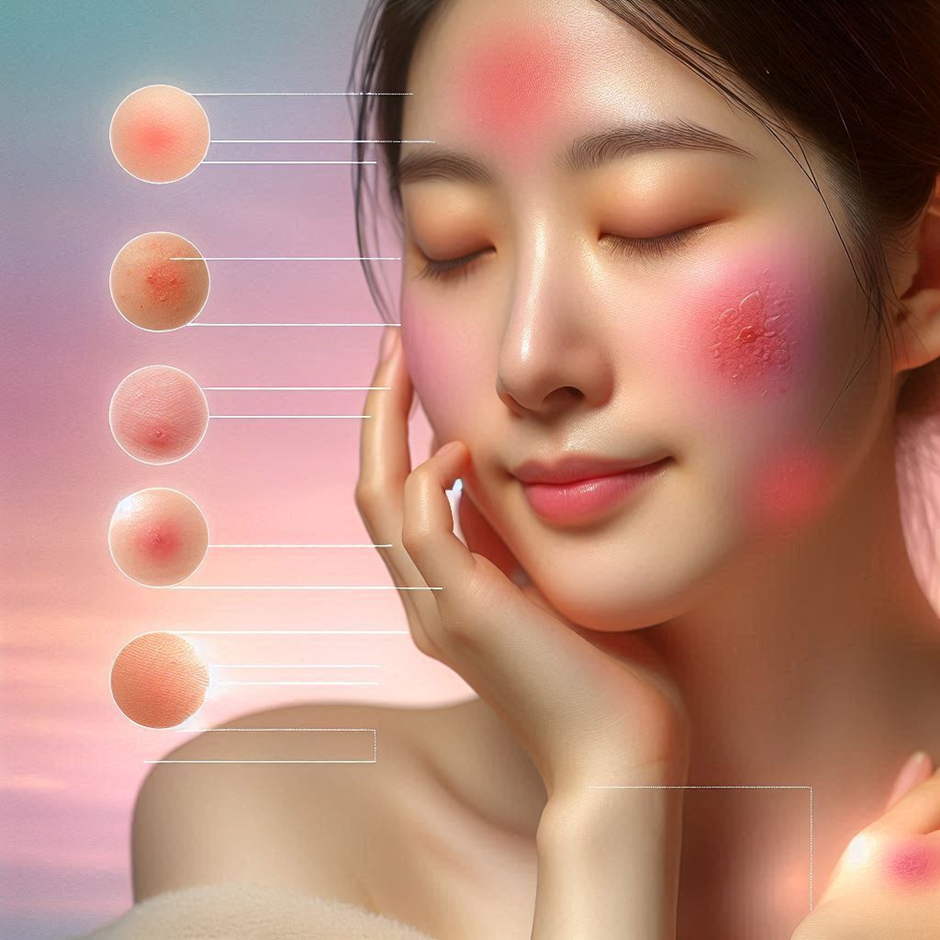
1. The Neuroendocrine-Immune Cascade: How Stress Wreaks Havoc on the Skin
To comprehend how a psychological state like stress translates into physical skin pathology, one must first understand the elaborate neuroendocrine and immune pathways that serve as communication channels between the brain and the skin. The skin is not a passive envelope but a highly active neuroendocrine organ, replete with receptors for stress hormones, neuropeptides, and neurotransmitters. When a woman perceives a stressor—be it psychological, physical, or inflammatory—her hypothalamus-pituitary-adrenal (HPA) axis activates. The culmination of this cascade is the secretion of cortisol, the primary glucocorticoid or “stress hormone,” from the adrenal glands. In acute, short-lived situations, this response is adaptive, suppressing non-essential functions like digestion and modulating immune activity. However, in the context of chronic stress, sustained elevation or dysregulation of cortisol becomes profoundly disruptive to skin homeostasis.
Cortisol exerts multifaceted effects on the skin. It promotes the production of sebum, the oily substance secreted by sebaceous glands, which is a key factor in acne pathogenesis. It also compromises the skin’s barrier function by reducing the synthesis of essential lipids and proteins that hold corneocytes together in the stratum corneum, the outermost layer. A leaky skin barrier allows for increased transepidermal water loss (leading to dryness and irritation) and facilitates the penetration of allergens, microbes, and irritants, a primary event in eczema flare-ups. Beyond cortisol, stress activates the sympathetic nervous system, leading to the release of catecholamines like adrenaline and noradrenaline. These, in turn, stimulate the peripheral release of neuropeptides, such as Substance P and calcitonin gene-related peptide (CGRP), from cutaneous nerve endings. These neuropeptides are potent mediators of inflammation, vasodilation, and itch (pruritus). They can directly activate mast cells, which then release a barrage of pro-inflammatory cytokines, histamine, and other itch-inducing molecules, creating a vicious cycle of inflammation and sensation.
Crucially, stress also directly modulates the immune system in the skin, skewing it towards a pro-inflammatory state. It can upregulate the production of inflammatory cytokines like interleukin-1 (IL-1), IL-6, and tumor necrosis factor-alpha (TNF-α), which are pivotal drivers in psoriasis and eczema. Furthermore, chronic stress can suppress the skin’s innate antimicrobial defense, making it more susceptible to infections, such as the overgrowth of Cutibacterium acnes in acne or Staphylococcus aureus in eczema. This complex orchestra of hormonal, neural, and immune signals means that for a woman under persistent stress, her skin is continually bathed in a biochemical milieu that promotes oiliness, barrier dysfunction, inflammation, and hypersensitivity. The skin becomes both a target of stress signals and a source of them, as the inflammatory cytokines produced locally can signal back to the brain, influencing mood and potentially perpetuating feelings of anxiety and distress, thereby closing the loop of the brain-skin axis.
2. Acne Vulgaris in Women: Beyond Adolescence
Acne vulgaris is often mistakenly considered a rite of passage confined to adolescence, yet it is a pervasive and distressing condition affecting a substantial proportion of adult women. Adult female acne frequently presents with a distinct pattern, often concentrated along the jawline, chin, and lower cheeks, and is characterized by a mix of inflammatory papules, pustules, and deeper, more painful nodules. While hormonal factors—particularly androgens that stimulate sebum production—are undeniable central actors, stress is a critical and often underappreciated exacerbating factor that intertwines with hormonal pathways. For women, the stress-acne connection is mediated through several intertwined mechanisms. As outlined, cortisol directly stimulates sebaceous gland activity, leading to increased sebum production. This sebum is also altered in composition under stress, becoming more pro-inflammatory. Furthermore, stress-induced neuropeptides like Substance P can further augment sebum secretion and promote follicular inflammation.
The relationship is cyclical and profoundly impactful on quality of life. A woman experiencing a breakout, perhaps ahead of an important work presentation or social event, experiences significant psychosocial stress. This stress, in turn, fuels the neuroendocrine cascade that worsens the acne, leading to more lesions, which then generates further anxiety and self-consciousness. Studies have consistently shown that individuals with acne report higher levels of psychological distress, including symptoms of depression, anxiety, and social phobia. For women, whose worth is so often unfairly tied to societal standards of clear, blemish-free skin, this burden is particularly heavy. The compulsion to “pick” or excoriate acne lesions, known as dermatillomania or skin-picking disorder, is also strongly linked to anxiety and stress, serving as a maladaptive coping mechanism that directly damages the skin, increases risk of infection and scarring, and deepens the psychological wound.
The management of stress-related acne in women therefore demands a dual approach. Topical retinoids, benzoyl peroxide, and appropriate skincare form the dermatological cornerstone. For many, hormonal therapies like combined oral contraceptives or anti-androgens such as spironolactone are highly effective. However, integrating stress-modulation techniques is equally vital. Cognitive-behavioral therapy (CBT) can help break the cycle of negative thoughts and behaviors related to acne. Mindfulness-based stress reduction (MBSR) and other relaxation practices can dampen the HPA axis and sympathetic nervous system overactivity. Furthermore, educating patients about the brain-skin connection validates their experience, reducing the additional stress of feeling that their condition is “their fault” or purely a cosmetic concern. Recognizing acne in adult women as a chronic, stress-responsive condition is the first step toward a treatment plan that addresses its internal drivers as diligently as its external manifestations.
3. Atopic Dermatitis (Eczema): The Itch-Scratch-Stress Cycle
Atopic dermatitis (AD), or eczema, is a classic prototype of a stress-aggravated inflammatory skin condition, characterized by intensely itchy, dry, inflamed, and often weeping or lichenified skin. It is driven by a complex interplay of genetic predisposition (involving mutations in filaggrin, a key skin barrier protein), immune dysregulation (with a dominant T-helper 2 (Th2) cytokine profile), and environmental triggers. For the millions of women living with AD, stress is one of the most frequently reported triggers for acute flares. The mechanistic link is robust: stress directly impairs the already compromised skin barrier function, allowing allergens and irritants easier access to the immune system. It also amplifies the underlying immune dysregulation, boosting the production of Th2 cytokines like IL-4 and IL-13, which promote inflammation and itch.
The core of the stress-eczema dynamic, however, is the relentless “itch-scratch cycle.” Stress, through the release of neuropeptides and the priming of nerve fibers, lowers the itch threshold, meaning a woman feels the urge to scratch with even minimal provocation. The act of scratching, while providing momentary relief, causes direct physical trauma to the skin. This trauma further damages the barrier, releases more inflammatory mediators, and stimulates nerves to send even stronger “itch” signals back to the brain—a phenomenon called alloknesis (where light touch induces itch). Scratching can also become a subconscious or conscious coping mechanism for emotional distress, creating a powerful behavioral reinforcement loop. The chronic sleep disruption caused by nocturnal itching is another critical and often devastating consequence, leading to fatigue, cognitive impairment, and reduced resilience to stress, thereby creating a self-perpetuating vortex of sleep deprivation, stress, and inflammation.
The psychosocial burden of visible, often severe eczema on women is immense. The constant, maddening itch is a form of torture that erodes concentration, mood, and daily functioning. The visible lesions, which can cover extensive and highly noticeable areas like the face, neck, and hands, lead to profound self-consciousness, social anxiety, and avoidance behaviors. Women may feel compelled to cover their skin with clothing regardless of weather, withdraw from intimacy, and experience significant stigma. Management, therefore, must be fiercely holistic. Topical steroids and calcineurin inhibitors remain first-line for controlling inflammation, while relentless emolliation is crucial for barrier repair. Newer systemic biologics that specifically target Th2 cytokines (like dupilumab) have been revolutionary. Yet, parallel interventions aimed at breaking the neuropsychiatric loop are essential. Habit reversal training can help patients become aware of and reduce scratching. Biofeedback and relaxation techniques can mitigate the physiological stress response. Psychotherapy, particularly CBT and acceptance and commitment therapy (ACT), can provide tools for managing the emotional toll, the itch sensation, and the stress that fuels it, empowering women to regain a sense of control over their skin and their lives.
4. Psoriasis: Systemic Inflammation and Psychological Trauma
Psoriasis is a chronic, immune-mediated systemic disease, not merely a skin disorder. It manifests as well-demarcated, erythematous plaques with adherent silvery scales, commonly on elbows, knees, scalp, and lower back. Its pathology is driven by a T-helper 1 (Th1) and T-helper 17 (Th17) immune response, with key cytokines like TNF-α, IL-17, and IL-23 promoting the hyperproliferation of keratinocytes. The link between stress and psoriasis is among the most well-documented in psychodermatology. For many women, the onset or a significant flare of psoriasis is temporally linked to a major stressful life event. The pathways are clear: stress hormones and neuropeptides can directly activate dendritic cells in the skin, which then initiate and fuel the pathogenic Th1/Th17 immune cascade. Moreover, psoriasis itself is a potent source of chronic psychological stress, creating a paradigmatic bidirectional relationship where stress worsens psoriasis and psoriasis causes immense stress.
The psychological impact of psoriasis on women can be particularly severe due to the visibility, chronicity, and societal misconceptions about the condition (often wrongly perceived as contagious or a result of poor hygiene). The plaques can be disfiguring, painful, and itchy. Scalp psoriasis can be mistaken for dandruff but is far more resistant to treatment. Nail psoriasis can cause pitting, crumbling, and detachment, making simple tasks painful and leading to embarrassment. Genital psoriasis adds a profound layer of distress, impacting sexual health and intimacy. Consequently, women with psoriasis exhibit significantly higher rates of depression, anxiety, suicidality, and reduced health-related quality of life compared to the general population and even to patients with other chronic diseases. They also face a higher risk of metabolic syndrome and cardiovascular disease, a risk compounded by chronic stress.
Treating psoriasis in women effectively requires a systemic approach that acknowledges this mind-body connection. Topical therapies, phototherapy, and traditional systemic agents like methotrexate are important tools. The advent of highly targeted biologics and oral agents that inhibit specific cytokines (e.g., TNF, IL-17, IL-23) has transformed management, often achieving complete or near-complete clearance. However, even the most effective biologic cannot erase the psychological scars and the conditioned stress response associated with the disease. Integrating psychological support is therefore not adjunctive but fundamental. Stress management programs, mindfulness, and psychotherapy should be considered standard components of care. Support groups can provide invaluable validation and reduce feelings of isolation. For the clinician, approaching a woman with psoriasis with empathy, acknowledging the profound psychosocial burden, and screening for depression and anxiety are as crucial as selecting the right immunosuppressive therapy. Only by treating the inflammation within the skin and the distress within the mind can true, comprehensive healing begin.
Conclusion
The exploration of stress-related skin conditions in women reveals a narrative far deeper than surface-level symptoms. Acne, eczema, and psoriasis are not merely cosmetic nuisances but are complex, chronic disorders where psychological stress acts as a potent physiological trigger and perpetuating factor. The brain-skin axis, mediated through neuroendocrine, neurological, and immune pathways, provides the biological substrate for this intimate dialogue. For women, navigating these conditions is compounded by hormonal vicissitudes, societal beauty ideals, and gendered stressors, creating a unique burden that impacts every facet of life—from self-esteem and social interactions to sleep and mental health. The resulting cycles—of stress and breakout, itch and scratch, flare and distress—are testament to the profound inseparability of mind and body. Effective management, therefore, must transcend traditional dermatological paradigms. It demands an integrative model of care that combines cutting-edge medical therapies—from retinoids and biologics to targeted systemic agents—with robust psychological interventions, including cognitive-behavioral therapy, mindfulness, and patient education. By validating the lived experience of women with these conditions, dismantling the stigma attached to visible skin disease, and treating the patient as a whole rather than a constellation of lesions, healthcare providers can foster resilience and promote healing that is both skin-deep and soul-deep. Recognizing and addressing the stress-skin connection is ultimately an act of holistic medicine, one that acknowledges that the path to clear skin often begins with a calm mind.
SOURCES
American Academy of Dermatology Association. (2022). Psoriasis: Causes.
Chen, Y., & Lyga, J. (2014). Brain-skin connection: Stress, inflammation and skin aging. Inflammation & Allergy-Drug Targets, *13*(3), 177-190.
Dalgard, F. J., Gieler, U., Tomas-Aragones, L., Lien, L., Poot, F., Jemec, G. B., … & Kupfer, J. (2015). The psychological burden of skin diseases: a cross-sectional multicenter study among dermatological out-patients in 13 European countries. Journal of Investigative Dermatology, *135*(4), 984-991.
Kim, J. E., Cho, B. K., Cho, D. H., & Park, H. J. (2013). Expression of hypothalamic-pituitary-adrenal axis in common skin diseases: evidence of its association with stress-related disease activity. Acta Dermato-Venereologica, *93*(4), 387-393.
Magin, P., Adams, J., Heading, G., Pond, D., & Smith, W. (2006). Psychological sequelae of acne vulgaris: results of a qualitative study. Canadian Family Physician, *52*(8), 978-979.
Mochtar, M., Muraszwidjaja, M. W., & Hindritani, R. (2021). The Role of Stress in Acne Vulgaris. Journal of General-Procedural Dermatology & Venereology Indonesia, *5*(2), 96-104.
Sanders, K. M., & Akiyama, T. (2018). The vicious cycle of itch and anxiety. Neuroscience & Biobehavioral Reviews, *87*, 17-26.
Schut, C., Bosbach, S., Gieler, U., & Kupfer, J. (2021). Personality traits, depression and itch in patients with atopic dermatitis in an experimental setting. Acta Dermato-Venereologica, *101*(1), adv00360.
Tohid, H., Aleem, D., & Jackson, C. (2016). Major depression and psoriasis: a psychodermatological phenomenon. Skin Pharmacology and Physiology, *29*(4), 220-230.
Yosipovitch, G., & Papoiu, A. D. P. (2008). What causes itch in atopic dermatitis?. Current Allergy and Asthma Reports, *8*(4), 306-311.
Zari, S., & Alrahmani, D. (2017). The association between stress and acne among female medical students in Jeddah, Saudi Arabia. Clinical, Cosmetic and Investigational Dermatology, *10*, 503.
HISTORY
Current Version
Jan 02, 2026
Written By
BARIRA MEHMOOD

0 Comments