Introduction
Chronic pain represents one of medicine’s most profound and complex challenges. Unlike acute pain, a vital alarm system signaling tissue damage, chronic pain persists long after healing should have occurred, evolving into a debilitating disease state of its own. It is a maladaptive process where the nervous system, through a phenomenon known as central sensitization, becomes stuck in a perpetual loop of amplification, generating and broadcasting pain signals that no longer serve a protective purpose. Traditional biomedical approaches, heavily reliant on analgesic medications, often provide incomplete relief and carry significant risks of dependency and side effects, leaving millions to grapple with a diminished quality of life. This therapeutic impasse has catalyzed a paradigm shift towards integrative, mind-body interventions that target not just the sensation of pain, but the brain’s very interpretation of and relationship to it. At the forefront of this shift is meditation, particularly mindfulness-based practices. Emerging not from anecdotal tradition but from rigorous neuroscience, meditation offers a powerful, evidence-based tool for deconstructing the pain experience. It operates on a revolutionary premise: that pain is composed of two distinct elements—the primary sensory signal and the secondary, cognitive-emotional suffering that arises from our reaction to it. While meditation may not erase the raw sensory input, it can fundamentally alter the brain’s processing of that input and dramatically reduce the associated suffering. This essay will argue that meditation serves as a potent neuromodulatory and psychological intervention for chronic pain, providing a pathway to reclaim agency over one’s lived experience. By examining the neurobiological mechanisms through which meditation reshapes pain processing in the brain, analyzing the specific clinical evidence for its efficacy, exploring the practical application of mindfulness principles to the pain experience, and situating it within a broader biopsychosocial model of pain management, we will delineate how this ancient practice offers a modern, scientifically-grounded avenue for relief, resilience, and transformation in the face of persistent pain.
1. The Neuroscience of Pain and the Mind’s Modulatory Role
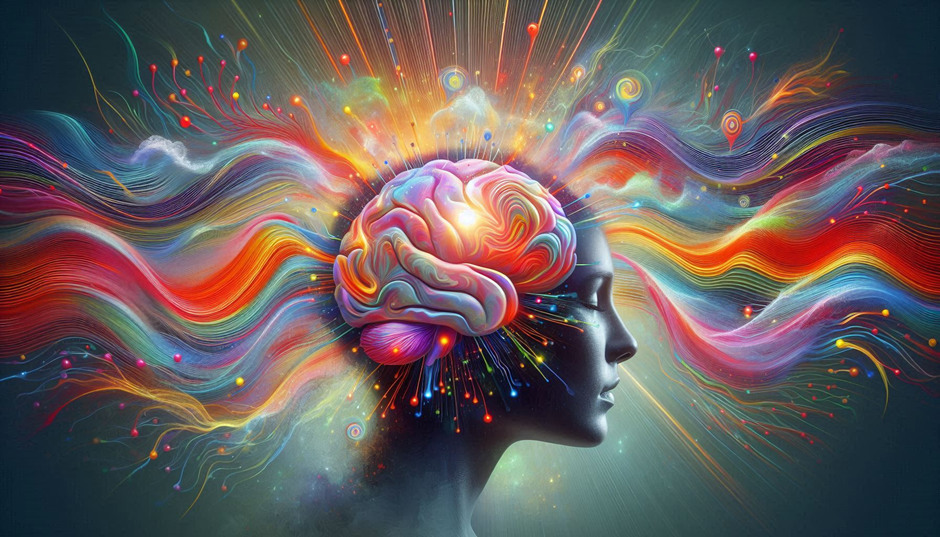
To comprehend how meditation alters pain, one must first understand the modern neuroscientific model of pain as a constructed experience, not a direct readout of tissue damage. The International Association for the Study of Pain defines pain as “an unpleasant sensory and emotional experience associated with, or resembling that associated with, actual or potential tissue damage.” This definition explicitly acknowledges pain as a subjective brain-generated perception, not merely a passive reception of signals from the periphery. The classic pain pathway involves nociceptors (specialized nerve endings) detecting potentially damaging stimuli and transmitting signals via the spinal cord to the brain. However, this is merely the beginning. These signals are then processed by a distributed network of brain regions collectively known as the “pain matrix.” Key nodes include the somatosensory cortex (localizing and characterizing the sensation), the anterior cingulate cortex (ACC, processing the affective, “unpleasant” dimension), the insula (interoceptive awareness and emotional integration), and the prefrontal cortex (PFC, cognitive evaluation and modulation). Crucially, this network is highly permeable to top-down influences—our thoughts, emotions, expectations, and attention directly shape the final pain percept.
Chronic pain involves maladaptive neuroplastic changes within this network. Central sensitization leads to an amplification of neural signaling, where neurons in the spinal cord and brain become hyperexcitable, responding more vigorously to normal or sub-threshold inputs. Furthermore, structural and functional brain imaging reveals that chronic pain is associated with alterations such as decreased gray matter density in the PFC and ACC—regions responsible for executive control and emotional regulation—and increased connectivity within default mode network (DMN) regions linked to self-referential thought and rumination. This creates a vicious cycle: pain captures attention, leading to catastrophic thinking (“This will never end,” “My life is ruined”), which in turn generates anxiety, depression, and hypervigilance. These negative cognitive-emotional states further amplify pain processing via descending pathways from the brain to the spinal cord, essentially “turning up the volume” on nociceptive signals. The individual becomes fused with the pain narrative, and the brain’s intrinsic capacity for top-down modulation is critically impaired.
It is precisely into this dysregulated system that meditation intervenes. Meditation does not block the initial nociceptive signal at the periphery like an analgesic. Instead, it enhances the brain’s endogenous capacity for top-down regulation. It targets the secondary suffering—the fear, resistance, and narrative-driven anguish that constitutes the majority of the misery in chronic pain. By training in focused attention and open monitoring, meditation strengthens the prefrontal regulatory circuits, increases functional connectivity between the PFC and the ACC/insula, and dampens hyperactivity in the amygdala (the fear center). This allows for a “decoupling” of the sensory dimension of pain from the affective-evaluative dimension. In neural terms, research by Zeidan et al. (2011) demonstrated that mindfulness meditation reduces pain report intensity and unpleasantness, which correlates with increased activity in the anterior cingulate cortex and orbitofrontal cortex (involved in cognitive control) and decreased activity in the thalamus (a key relay station for sensory signals). Meditation effectively recalibrates the pain processing network, reducing its gain and restoring a degree of balance between bottom-up sensory input and top-down cognitive-emotional modulation.
2. Clinical Evidence and Efficacy of Meditation for Chronic Pain
The theoretical neuroscience of meditation’s effect on pain is compelling, but its true validation lies in clinical outcomes. Over the past two decades, a robust body of randomized controlled trials (RCTs) and meta-analyses has established meditation, particularly Mindfulness-Based Stress Reduction (MBSR) and Mindfulness-Based Cognitive Therapy (MBCT), as an evidence-based intervention for a variety of chronic pain conditions.
MBSR, the pioneering program developed by Jon Kabat-Zinn, has been studied extensively in chronic pain populations since the 1980s. Early seminal work by Kabat-Zinn et al. (1985) with patients suffering from intractable pain from conditions like fibromyalgia, back pain, and migraines showed significant reductions in pain symptoms, mood disturbance, and psychological distress following the 8-week program, with improvements maintained at follow-up. Subsequent, more rigorous RCTs have consistently supported these findings. For instance, studies on chronic low back pain have shown that MBSR leads to clinically meaningful improvements in pain intensity and functional disability, with effects comparable to cognitive-behavioral therapy (CBT), which has long been the psychological gold standard. Research on fibromyalgia, a condition characterized by widespread pain and central sensitization, indicates that MBSR can reduce symptom severity, improve sleep quality, and enhance coping strategies.
Meta-analytic reviews provide the highest level of evidence. A landmark meta-analysis by Hilton et al. (2017) in the Annals of Internal Medicine examined 38 RCTs of mindfulness meditation for chronic pain. The conclusion was that mindfulness meditation provided a small but statistically significant improvement in pain severity and a moderate improvement in depression symptoms compared to usual care or active control conditions. Importantly, the evidence was deemed to have moderate strength, a significant endorsement in the conservative world of pain medicine. The effects on pain-related quality of life and functional disability, while promising, were less consistent, highlighting that meditation is often more potent for altering the perception and burden of pain than for changing objective physical function, though the two are intrinsically linked.
Beyond general chronic pain, specific conditions show particular promise. For chronic migraine and tension-type headache, mindfulness training has been shown to reduce headache frequency, duration, and medication use. In neuropathic pain conditions, such as painful diabetic neuropathy, early studies suggest mindfulness can help manage the distressing, often burning and shooting sensations. Furthermore, meditation-based interventions are invaluable for the significant psychological comorbidities of chronic pain—depression and anxiety. MBCT, specifically designed to prevent depressive relapse, is highly effective for the despair that often accompanies chronic illness. The mechanism here is clear: by teaching individuals to disengage from ruminative thought patterns about their pain and their shattered identity, meditation directly targets a core driver of pain-related depression.
The evidence also points to meditation’s role in reducing the need for opioid medications. While not a direct substitute in all cases, the cultivation of non-reactive awareness can decrease the subjective urgency and distress of pain, potentially allowing for lower dosages and mitigating the risk of misuse. Neuroscientific studies complement these clinical findings, showing that the subjective pain relief reported by meditators correlates with the previously described neural changes: decreased activation in pain-processing regions and increased activation in regulatory regions. The convergence of subjective report, clinical trial data, and objective brain imaging creates a powerful, multi-faceted argument for the efficacy of meditation as a core component of chronic pain management.
3. Practical Application: Mindfulness Skills for Deconstructing the Pain Experience
The clinical benefits of meditation for pain are realized through the diligent application of specific, trainable skills. The practice involves a fundamental shift from a reactive stance of struggle and avoidance to a curious, investigative stance of mindful awareness. This is not a passive resignation to pain, but an active process of disassembling the monolithic experience of “my pain” into its constituent sensory, cognitive, and emotional parts.
The foundational skill is interoceptive awareness—the mindful observation of bodily sensations with curiosity and without immediate judgment. In meditation, individuals are guided to bring a gentle, investigative attention to the very site of their pain. Rather than tensing against it or trying to mentally escape, they are instructed to “drop into” the sensation. This involves exploring its qualities: Is it sharp, dull, throbbing, burning? Does it have clear boundaries or is it diffuse? Does the intensity fluctuate? This process of sensory discernment accomplishes several critical things. First, it begins to decouple the raw sensation from the emotional fear and aversion that normally envelop it. By treating the pain as an object of investigation, one creates psychological distance. Second, it reveals the ever-changing nature of sensations; even chronic pain is not a solid, static block but a dynamic flow of sensations. Observing this impermanence can undermine the catastrophic belief that the pain is an unending, fixed state.
Concurrently, mindfulness trains metacognitive awareness—observing the thoughts and emotions that arise in relation to pain. A sharp twinge in the back may instantly trigger a cascade: “Oh no, it’s getting worse,” “I’ll never be able to go out tonight,” “This is unbearable.” Mindfulness teaches the practitioner to recognize these as mental events—”thoughts about pain”—rather than absolute truths. This cognitive defusion, a core component of Acceptance and Commitment Therapy (ACT) which integrates mindfulness, allows individuals to see the space between the sensation and the story they tell about it. They learn to say, “I am having the thought that this is unbearable,” rather than simply, “This is unbearable.” This subtle shift in language reflects a profound shift in relationship, diminishing the thoughts’ power to dictate emotional suffering.
A central and challenging principle is the cultivation of acceptance. In the context of pain, acceptance does not mean approval or giving up. Rather, it is a willingness to allow the present-moment experience, including pain, to be as it is, without futile resistance. As articulated by pain psychologist Dahl & Lundgren (2006), much of suffering is “clean pain” (the primary sensation) compounded by “dirty pain” (the anxiety, anger, and struggle against it). Mindfulness practice helps individuals cease adding “dirty pain” to the mix. By breathing into the sensation, relaxing around it, and letting go of the internal battle, the overall burden of suffering is reduced. This is often practiced through body scans, where attention is moved systematically through the body with an attitude of openness, meeting areas of discomfort with a breath of allowance.
Formal practice is supported by informal practice, integrating mindfulness into daily life with pain. This includes mindful movement, such as gentle yoga or walking meditation, which can help reduce fear-avoidance behaviors and rebuild a positive relationship with a body often viewed as an enemy. It also involves using the breath as an anchor during acute pain flares, providing a stable focus amidst the storm of sensation. Over time, these practices rewire the brain’s habitual response. The pain signal may still arrive, but the automatic cascade of catastrophic thinking, emotional panic, and muscular bracing is interrupted. The individual gains a measure of choice, learning to respond to pain with awareness and self-compassion rather than react to it with terror and aversion.
4. Integration into a Biopsychosocial Model and Future Directions
For maximum therapeutic impact, meditation must not be viewed as a standalone, alternative cure but as an integral component of a comprehensive, biopsychosocial model of pain management. This model recognizes chronic pain as a complex interaction of biological, psychological, and social factors, and thus requires a multi-modal treatment approach. Meditation powerfully addresses the psychological dimension—the thoughts, emotions, and attention patterns that fuel suffering—while synergizing with other interventions.
Within an interdisciplinary pain clinic, mindfulness training complements physical therapy by helping patients pace their activities mindfully, observe movement-related sensations without panic, and reduce fear-avoidance—a major driver of disability. It enhances cognitive-behavioral therapy (CBT) by providing the experiential, present-moment awareness skills that make cognitive restructuring more effective; it is easier to challenge a catastrophic thought when you can first observe it with detachment. In conjunction with pharmacological management, meditation can improve medication adherence by reducing distress and may, as noted, contribute to opioid risk reduction strategies. Furthermore, it directly treats the comorbid depression and anxiety that often complicate pain management, making other treatments more viable.
The future of meditation in pain medicine lies in personalization, technological integration, and mechanistic refinement. Research is moving towards identifying which individuals are most likely to benefit from mindfulness based on psychological profiles or neural biomarkers. The development of brief, targeted interventions for specific pain conditions (e.g., a 4-week protocol for migraine prophylaxis) is underway. Digital therapeutics, including validated mindfulness apps and virtual reality (VR) meditation environments, are increasing accessibility and allowing for scalable dissemination. VR, in particular, can immerse a patient in a calming, attention-absorbing environment, providing a powerful form of attentional diversion from pain.
Neuroscientific research will continue to refine our understanding of the mechanisms, perhaps identifying specific sub-networks within the pain matrix that are most malleable through meditation. There is also growing interest in combining meditation with other neuromodulatory techniques like neurofeedback, where individuals learn to directly modulate their own brain activity associated with pain processing. Challenges remain, including ensuring fidelity in meditation instruction as programs scale, making practices culturally appropriate for diverse populations, and conducting long-term studies to assess durability of effects. Ultimately, the integration of meditation represents a maturation in pain medicine. It moves beyond a purely biomechanical, “find-it-and-fix-it” model to one that empowers the patient, harnessing the brain’s inherent plasticity to alter the very perception of pain. It offers not just symptom management, but a path towards psychological flexibility, resilience, and a restored sense of wholeness, even in the presence of ongoing sensory challenge.
Conclusion
Chronic pain, in its relentless persistence, can dismantle identity, corrode well-being, and defy conventional medical solutions. The introduction of meditation, particularly mindfulness, into the therapeutic landscape for pain represents a paradigm shift of immense significance. Grounded in a sophisticated understanding of the brain as an active constructor of the pain experience, meditation provides a practical, evidence-based methodology for altering that construction. It targets not the elusive origin of nociception, but the brain’s processing of and relationship to those signals. By strengthening prefrontal regulatory networks, dampening amygdala-driven fear, and fostering a detached, curious awareness, meditation decouples the sensory dimension of pain from the affective suffering that constitutes its greatest burden. The clinical evidence is clear: from meta-analyses to neuroimaging studies, mindfulness-based interventions confer measurable benefits in pain intensity, emotional distress, and quality of life. The practical skills of interoceptive awareness, cognitive defusion, and acceptance equip individuals with a portable tool to meet pain with resilience rather than resistance. Integrated within a biopsychosocial model, meditation synergizes with physical, pharmacological, and psychological therapies, offering a holistic path forward. It reframes the challenge from one of eradication to one of transformation—transforming one’s relationship to the pain, and by extension, to one’s own life. In the space of mindful awareness, the monolithic experience of suffering fragments into passing sensations, thoughts, and emotions. This is not a cure in the traditional sense, but something perhaps more profound for a chronic condition: a restoration of agency, a reduction in secondary suffering, and a pathway to living a valued life despite pain. Meditation, therefore, stands as a powerful testament to the brain’s capacity for neuroplastic change and the human spirit’s capacity for adaptive wisdom.
SOURCES
Dahl, J., & Lundgren, T. (2006). Living beyond your pain: Using acceptance and commitment therapy to ease chronic pain. New Harbinger Publications.
Hilton, L., Hempel, S., Ewing, B. A., Apaydin, E., Xenakis, L., Newberry, S., … & Maglione, M. A. (2017). Mindfulness meditation for chronic pain: Systematic review and meta-analysis. Annals of Behavioral Medicine, 51(2), 199-213.
Kabat-Zinn, J. (1982). An outpatient program in behavioral medicine for chronic pain patients based on the practice of mindfulness meditation: Theoretical considerations and preliminary results. General Hospital Psychiatry, 4(1), 33-47.
Kabat-Zinn, J., Lipworth, L., & Burney, R. (1985). The clinical use of mindfulness meditation for the self-regulation of chronic pain. Journal of Behavioral Medicine, 8(2), 163-190.
Zeidan, F., Martucci, K. T., Kraft, R. A., Gordon, N. S., McHaffie, J. G., & Coghill, R. C. (2011). Brain mechanisms supporting the modulation of pain by mindfulness meditation. The Journal of Neuroscience, 31(14), 5540-5548.
HISTORY
Current Version
Dec 19, 2025
Written By
BARIRA MEHMOOD



0 Comments