Introduction
The menstrual cycle, a complex and finely tuned symphony of hormonal interactions, serves as a fundamental indicator of a person’s reproductive and overall physiological health. Governed by the hypothalamic-pituitary-ovarian (HPO) axis, this cyclical process relies on precise timing and communication between the brain and the ovaries. In an ideal state of homeostasis, this system operates with predictable regularity. However, this delicate balance is highly susceptible to disruption from both internal and external factors. Among the most pervasive and potent of these disruptive forces is stress. In contemporary society, chronic stress has become a ubiquitous condition, arising from a multitude of sources including professional pressures, financial anxieties, social dynamics, and global uncertainties. This persistent state of psychological and physiological arousal exerts a profound influence on the body’s endocrine system, often manifesting in menstrual irregularities. The link between stress and menstrual dysfunction is not merely anecdotal; it is deeply rooted in evolutionary biology and supported by a substantial body of clinical and scientific evidence. When the body perceives a threat, whether physical or psychological, its innate survival mechanisms prioritize immediate functions over those deemed non-essential for acute survival, such as reproduction. This redirection of biological resources can lead to a spectrum of menstrual disturbances, from subtle changes in cycle length and flow to complete cessation of menses. Understanding this connection is crucial for healthcare providers and individuals alike, as it underscores the importance of a holistic approach to gynecological health—one that integrates mind and body. This examination will delve into the neuroendocrine pathways that mediate the stress-reproductive interface, categorize the specific menstrual irregularities induced by stress, explore the bidirectional relationship with conditions like polycystic ovary syndrome (PCOS), and finally, outline evidence-based management strategies that address both the physiological symptoms and their psychological triggers.
1. The Neuroendocrine Pathways: How Stress Disrupts the HPO Axis
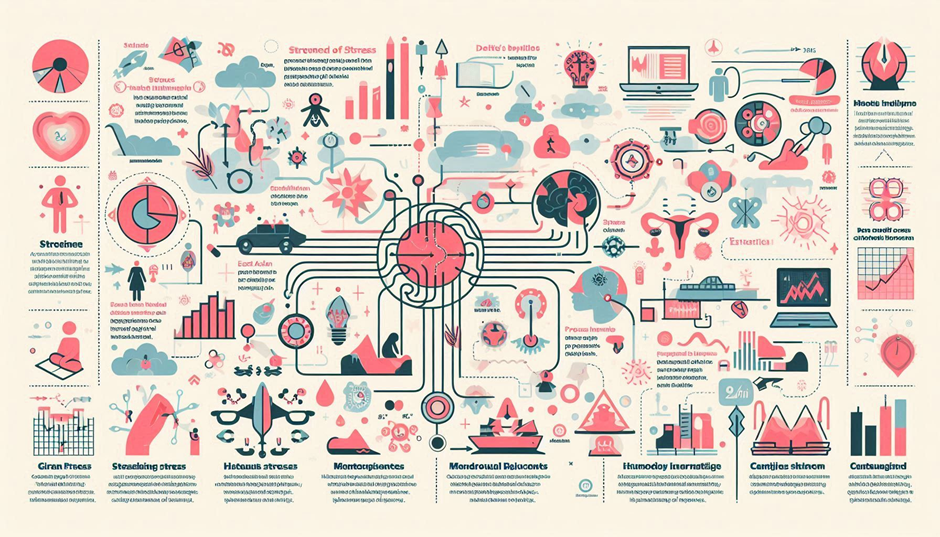
The connection between stress and menstrual irregularities is fundamentally mediated by the body’s central stress response system, which directly interferes with the hormonal axis responsible for menstrual cyclicity. To comprehend this disruption, one must first understand the primary actors: the hypothalamic-pituitary-adrenal (HPA) axis, which governs the stress response, and the hypothalamic-pituitary-ovarian (HPO) axis, which governs reproduction. Under conditions of stress, the hypothalamus secretes corticotropin-releasing hormone (CRH). This hormone has a dual function: it stimulates the pituitary gland to release adrenocorticotropic hormone (ACTH), which in turn prompts the adrenal glands to produce cortisol, the primary stress hormone. Simultaneously, and critically for menstrual function, CRH, along with the elevated cortisol, suppresses the activity of gonadotropin-releasing hormone (GnRH) neurons in the hypothalamus. GnRH is the master switch for the reproductive system; its pulsatile secretion is essential for stimulating the pituitary to release luteinizing hormone (LH) and follicle-stimulating hormone (FSH). When GnRH secretion is dampened or its pulsatility becomes erratic, the downstream release of LH and FSH is compromised.
This suppression is an evolutionary adaptation. From a biological survival perspective, in a threatening environment—be it physical danger, famine, or severe psychosocial strain—redirecting energy away from the metabolically costly processes of reproduction and towards immediate fight-or-flight functions is advantageous. Cortisol, in this context, acts as a potent signal of environmental challenge. Chronically elevated cortisol levels not only inhibit GnRH but also directly impair the responsiveness of the ovaries to FSH and LH, hinder the development of ovarian follicles, and can disrupt the process of ovulation. Furthermore, stress can influence reproductive function through the sympathetic nervous system and via other neuropeptides like β-endorphin and neuropeptide Y, which are co-released with CRH and have additional inhibitory effects on GnRH. Another critical pathway involves the hormone prolactin. Stress can trigger excessive prolactin secretion (hyperprolactinemia), which then suppresses GnRH pulsatility, leading to anovulation and amenorrhea. The impact is not uniform; the timing, duration, and severity of stress, as well as individual genetic predisposition and resilience, determine the degree of menstrual disruption. Acute, short-term stress may cause a temporary blip in cycle length, while unrelenting chronic stress can lead to sustained HPO axis suppression, resulting in prolonged and more severe irregularities. This neuroendocrine crosstalk provides the mechanistic foundation for the wide array of menstrual changes observed in individuals experiencing significant psychological or physiological strain.
2. Spectrum of Stress-Induced Menstrual Irregularities
The clinical manifestations of stress on the menstrual cycle are diverse, ranging from subtle changes in symptomatology to the complete absence of menstrual periods. These irregularities can be categorized by their nature and severity, often corresponding to the intensity and chronicity of the stressor. One of the most common presentations is oligomenorrhea, defined as infrequent menstrual periods with cycle intervals exceeding 35 days. This often results from mild but chronic suppression of the HPO axis, leading to delayed or inconsistent ovulation. Conversely, some individuals may experience polymenorrhea, or cycles shorter than 21 days, which can occur if stress causes a shortened follicular phase or issues with corpus luteum function, though this is less common. Menstrual cycle variability, where the length of cycles becomes highly unpredictable from month to month, is another hallmark of stress-related disruption, reflecting the instability in GnRH pulsatility.
Anovulation—cycles where ovulation does not occur—is a frequent consequence of moderate to severe stress. In an anovulatory cycle, estrogen is produced but without the subsequent LH surge and progesterone release from a corpus luteum. This can lead to estrogen breakthrough bleeding, which may be experienced as unpredictable spotting, episodes of heavy bleeding, or prolonged bleeding (menorrhagia), as the endometrial lining, built up under unopposed estrogen, sheds in a disordered fashion. The absence of progesterone is also linked to more severe dysmenorrhea (painful periods) and pronounced premenstrual syndrome (PMS) or premenstrual dysphoric disorder (PMDD), as progesterone and its metabolites have calming, GABA-ergic effects on the brain.
The most severe form of stress-induced menstrual dysfunction is functional hypothalamic amenorrhea (FHA), characterized by the cessation of menses for three months or more in the absence of an organic cause. FHA is a classic diagnosis of exclusion, strongly associated with the triad of stress, excessive exercise, and low energy availability (often but not exclusively linked to disordered eating). In FHA, the HPO axis is profoundly suppressed, leading to very low levels of gonadotropins and estradiol. This condition carries significant long-term health risks beyond infertility, including osteopenia and osteoporosis due to estrogen deficiency, increased cardiovascular risk, and psychological distress. Importantly, the stress implicated in FHA is not limited to psychological distress; it can also be “metabolic stress” from excessive energy expenditure without adequate nutritional intake, or “physical stress” from illness or surgery. Furthermore, stress can exacerbate bleeding patterns in individuals with underlying conditions like uterine fibroids or adenomyosis. The spectrum of irregularities underscores that any significant deviation from one’s normal cycle pattern, in the context of stress, can be a biologically meaningful signal from the body that its homeostatic balance has been disturbed.
3. The Bidirectional Relationship with Polycystic Ovary Syndrome (PCOS)
While stress can induce menstrual irregularities in otherwise hormonally normal individuals, its role is particularly pronounced and complex in the context of polycystic ovary syndrome (PCOS), the most common endocrine disorder among people of reproductive age. PCOS is characterized by hyperandrogenism, ovulatory dysfunction, and polycystic ovarian morphology. The relationship between stress and PCOS is profoundly bidirectional, creating a vicious cycle that exacerbates both conditions. Firstly, the very diagnosis of PCOS—with its symptoms of hirsutism, acne, weight management difficulties, infertility, and its long-term metabolic implications—is a significant and chronic psychosocial stressor. This can lead to heightened levels of anxiety, depression, and reduced quality of life, thereby activating the HPA axis. In individuals with PCOS, this stress response may be dysregulated. Research indicates that many with PCOS exhibit heightened HPA axis reactivity, meaning they secrete more cortisol in response to stressors compared to those without the syndrome. This hyper-responsive HPA axis leads to chronically elevated cortisol, which, as previously established, further suppresses GnRH and promotes ovarian androgen production.
Elevated androgens, such as testosterone, are a core feature of PCOS and directly contribute to menstrual irregularity by disrupting follicular development and preventing ovulation. Furthermore, cortisol and insulin, another hormone frequently dysregulated in PCOS (insulin resistance), act synergistically. Insulin resistance and compensatory hyperinsulinemia stimulate the ovaries to produce more androgens and reduce sex hormone-binding globulin (SHBG), increasing the bioavailability of free testosterone. Stress and elevated cortisol worsen insulin resistance, thereby amplifying this pathogenic loop. The resulting hyperandrogenism and anovulation perpetuate the menstrual irregularities. Additionally, the psychological distress associated with PCOS symptoms often leads to unhealthy coping mechanisms, such as poor dietary choices and sedentary behavior, which further worsen insulin resistance and weight gain, compounding the hormonal dysfunction. This creates a self-reinforcing cascade: PCOS symptoms cause stress, stress worsens HPA axis and insulin dysfunction, which in turn exacerbates the hyperandrogenism and anovulation of PCOS, leading to more severe menstrual irregularities and increased psychological distress. Breaking this cycle requires an integrated treatment approach that addresses not just the reproductive and metabolic aspects of PCOS but also the psychological stress component as a core part of the pathology, rather than merely a secondary consequence.
4. Management and Intervention Strategies
Addressing stress-induced menstrual irregularities necessitates a comprehensive, biopsychosocial approach that targets both the underlying stress and its physiological consequences. Management begins with a thorough clinical assessment to rule out other potential causes of menstrual dysfunction, such as thyroid disorders, hyperprolactinemia, or primary ovarian insufficiency. A detailed history focusing on stress exposure, psychological state, nutritional intake, exercise patterns, and sleep quality is paramount. Once stress is identified as a likely contributor, intervention strategies can be layered, ranging from lifestyle modifications to psychological therapies and, in some cases, medical support.
Lifestyle Modifications form the cornerstone of management. Nutritional Counseling is critical, especially for individuals with FHA or those with PCOS and insulin resistance. Ensuring adequate caloric and nutrient intake to match energy expenditure can help restore HPO axis function. For those with PCOS, a diet focused on low glycemic index foods, healthy fats, and lean protein can help manage insulin levels. Mindful Exercise is equally important. While excessive, intense exercise can be a form of physiological stress, moderate, regular physical activity like yoga, walking, or Pilates is a powerful stress reliever and can improve insulin sensitivity. Sleep Hygiene must be prioritized, as chronic sleep deprivation is a potent activator of the HPA axis and disrupts circadian rhythms of cortisol and reproductive hormones.
Psychological and Behavioral Interventions are directly targeted at the stress response. Cognitive Behavioral Therapy (CBT) has strong evidence for effectively reducing perceived stress, anxiety, and depression, and has been shown to help restore ovulation in some women with FHA. Mindfulness-Based Stress Reduction (MBSR), which incorporates meditation and yoga, has been demonstrated to lower cortisol levels and improve emotional regulation. Other modalities like acceptance and commitment therapy (ACT) and biofeedback can also equip individuals with tools to modulate their physiological and psychological reactions to stress.
Medical and Pharmacological Interventions may be necessary in some cases. For individuals with profound hypothalamic amenorrhea and associated bone loss, hormone replacement therapy (HRT) with estrogen and progesterone may be prescribed to protect bone density and relieve hypoestrogenic symptoms while underlying issues are addressed. In cases of anovulation where fertility is desired, medications like clomiphene citrate or letrozole may be used to induce ovulation, but only after addressing modifiable lifestyle factors. For patients with PCOS, insulin-sensitizing agents like metformin can help lower androgen levels and improve cycle regularity. In all cases, oral contraceptive pills (OCPs) are sometimes used as a temporary measure to provide cycle control and endometrial protection, but they do not address the root cause of the stress-induced dysfunction and may mask underlying problems.
Ultimately, the most effective management is personalized and integrative. It involves collaboration between the patient, gynecologist, endocrinologist, mental health professional, and dietitian. The goal is not simply to induce a bleed but to restore the natural rhythmicity of the HPO axis by creating an internal and external environment the body perceives as safe, nourishing, and supportive—thereby signaling that conditions are favorable for the energy-intensive process of reproduction.
Conclusion
The intricate link between stress and menstrual irregularities is a powerful testament to the fundamental unity of mind and body in human health. The neuroendocrine pathways that connect the perception of psychological or physiological threat to the suppression of reproductive function are a vestige of an evolutionary imperative to prioritize survival over fertility during times of adversity. In the modern context, where chronic, low-grade stress is pervasive, this ancient system can become maladaptively activated, leading to a wide spectrum of menstrual disturbances, from subtle cycle changes to functional hypothalamic amenorrhea. The relationship is particularly complex in conditions like PCOS, where stress and endocrine pathology fuel one another in a destructive feedback loop. Recognizing stress as a legitimate and potent contributor to gynecological health is a critical step in patient care. Effective management, therefore, must extend beyond traditional gynecological interventions to embrace a holistic model. This model incorporates lifestyle modifications to correct energy balance and promote resilience, psychological therapies to dampen the perceived stress response, and medical support where necessary. By addressing the root causes of HPA axis dysregulation, healthcare providers can help individuals not only restore menstrual cyclicity and reproductive potential but also improve their overall metabolic, skeletal, and mental well-being. The menstrual cycle, in its sensitivity, thus serves as a barometer of a person’s overall stress load and adaptive capacity, offering a unique window into the profound ways in which our emotional and physiological worlds are inextricably linked.
SOURCES
Bae, J., Park, S., & Kwon, J. (2018). Factors associated with menstrual cycle irregularity and menopause. BMC Women’s Health, 18(1), 36.
Berga, S. L., & Loucks, T. L. (2005). The diagnosis and treatment of stress-induced anovulation. Minerva Ginecologica, 57(1), 45–54.
Boyle, J. A., & Teede, H. J. (2014). Polycystic ovary syndrome: an update. Australian Family Physician, 43(11), 752–756.
Chatterjee, S., & Pandey, A. (2020). The neuroendocrinology of hypothalamic amenorrhea. Frontiers in Neuroendocrinology, 57, 100840.
Gindoff, P. R., & Jewelewicz, R. (2022). Reproductive potential in the older woman. Fertility and Sterility, 118(6), 1032–1041.
Kaltsas, G. A., & Chrousos, G. P. (2021). The neuroendocrinology of stress: the hypothalamic-pituitary-adrenal axis and beyond. In Endotext. MDText.com, Inc.
Loucks, A. B., & Redman, L. M. (2004). The effect of stress on menstrual function. Trends in Endocrinology & Metabolism, 15(10), 466–471.
Meczekalski, B., Katulski, K., Czyzyk, A., Podfigurna-Stopa, A., & Maciejewska-Jeske, M. (2014). Functional hypothalamic amenorrhea and its influence on women’s health. Journal of Endocrinological Investigation, 37(11), 1049–1056.
Michopoulos, V., Mancini, F., Loucks, T. L., & Berga, S. L. (2013). Neuroendocrine recovery initiated by cognitive behavioral therapy in women with functional hypothalamic amenorrhea: a randomized, controlled trial. Fertility and Sterility, 99(7), 2084–2091.
Rasgon, N. L., Rao, R. C., Hwang, S., Altshuler, L. L., Elman, S., Zuckerbrow-Miller, J., & Korenman, S. G. (2003). Depression in women with polycystic ovary syndrome: clinical and biochemical correlates. Journal of Affective Disorders, 74(3), 299–304.
Schoep, M. E., Adang, E. M. M., Maas, J. W. M., De Bie, B., Aarts, J. W. M., & Nieboer, T. E. (2019). Productivity loss due to menstruation-related symptoms: a nationwide cross-sectional survey among 32,748 women. BMJ Open, 9(6), e026186.
Thurston, R. C., Chang, Y., Matthews, K. A., von Känel, R., & Koenen, K. (2019). Association of chronic stress with sexual function and sexual distress in women. Menopause, 26(11), 1273–1281.
Tiranini, L., & Nappi, R. E. (2022). Recent advances in understanding/management of polycystic ovary syndrome. F1000Research, 11, 1–12.
Yoshimoto, H., & Nagai, K. (2017). Stress and menstrual cycle. Clinical Calcium, 27(5), 663–668.
HISTORY
Current Version
Dec 25, 2025
Written By
BARIRA MEHMOOD

0 Comments