Introduction
The pursuit of long-term health is a dynamic and lifelong endeavor, one that is profoundly shaped by the daily decisions we make about nutrition and lifestyle. For women, this journey carries unique biological, physiological, and sociocultural dimensions that necessitate a tailored and informed approach. Women’s health is not merely a linear path but a series of interconnected transitions—from adolescence to reproductive years, through perimenopause and menopause, and into the postmenopausal decades. Each of these stages is governed by distinct hormonal landscapes that influence metabolic rate, body composition, nutritional requirements, disease risk, and psychological well-being. Yet, the public dialogue around women’s health often oscillates between reductionist weight-loss fads and a narrow focus on reproductive capacity, failing to provide a coherent, evidence-based framework for thriving across the entire lifespan. Optimal long-term health for women is not achieved through sporadic dieting or generic wellness advice but through foundational, sustainable practices that honor the female body’s specific needs and its inherent changes over time. This involves understanding how nutrients interact with female physiology, how physical activity protects against gender-specific risks, how stress management is a non-negotiable pillar of health, and how the cultivation of purpose and social connection forms the bedrock of longevity. By moving beyond temporary fixes and embracing a holistic, phase-aware strategy, women can empower themselves to build resilience, prevent chronic disease, and enhance their quality of life for decades to come. This examination delves into the core pillars of nutrition, physical activity, stress resilience, and holistic well-being, outlining a proactive blueprint for lifelong health that is as nuanced and dynamic as women themselves.
1. Foundational Nutrition: Building a Plate for Lifelong Health
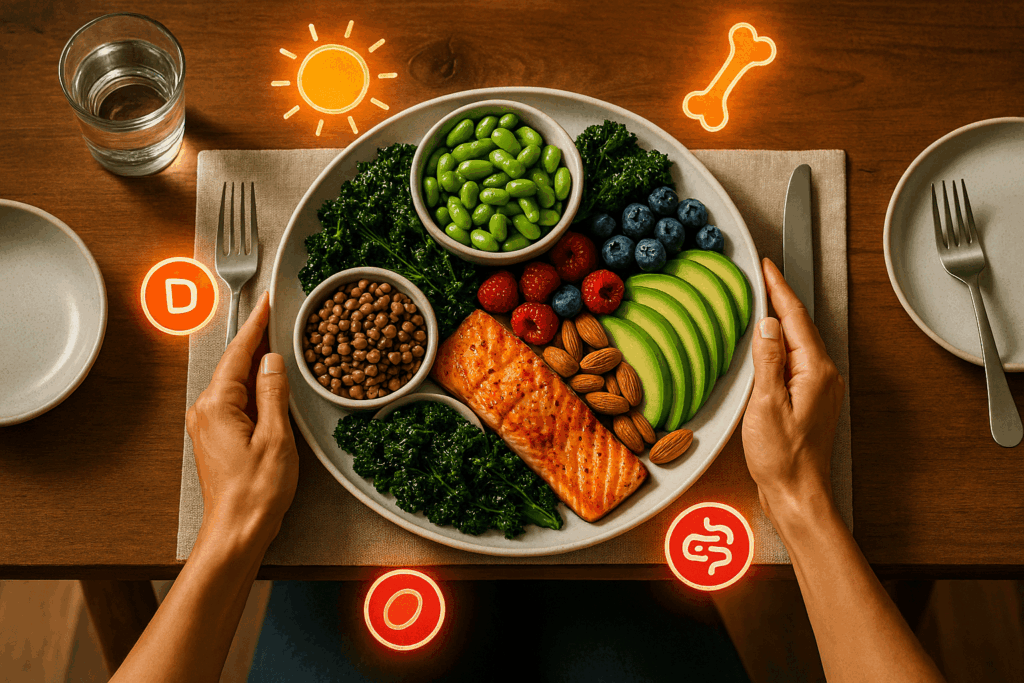
Nutrition forms the cornerstone of long-term health, providing the essential substrates for hormonal synthesis, cellular repair, immune function, and cognitive vitality. For women, whose bodies are tasked with the profound biological processes of menstruation, potential pregnancy, lactation, and menopause, a strategic and nutrient-dense dietary approach is critical. The goal shifts from calorie restriction to nutrient sufficiency, focusing on foods that actively support the female hormonal ecosystem and protect against prevalent chronic conditions like osteoporosis, cardiovascular disease, and autoimmune dysfunction. A foundational principle is the emphasis on whole, minimally processed foods. This approach naturally maximizes the intake of vitamins, minerals, antioxidants, and fiber while minimizing exposure to inflammatory additives, excessive sodium, and unhealthy fats. The architectural model for this can be visualized as a plate predominantly filled with a vibrant array of vegetables and fruits, complemented by quality proteins, healthy fats, and fiber-rich carbohydrates.
Crucial micronutrients demand special attention in the female diet. Calcium and Vitamin D are paramount for building and maintaining peak bone mass before menopause and slowing bone resorption thereafter. While dairy is a potent source, leafy greens (like kale and collards), fortified plant milks, canned fish with bones (sardines, salmon), and almonds are excellent alternatives. Iron is another key player, as women of reproductive age lose iron monthly through menstruation, increasing the risk of deficiency and consequent fatigue and cognitive fog. Heme iron from animal sources (red meat, poultry, fish) is most readily absorbed, but non-heme iron from plants (lentils, spinach, tofu, fortified cereals) can be enhanced by consuming it with a source of vitamin C (like bell peppers or citrus). Magnesium, involved in over 300 enzymatic reactions, is vital for energy production, nervous system regulation, and blood sugar control—nutrient status often suboptimal in women. Nuts, seeds, legumes, and dark leafy greens are superb sources.
The role of phytoestrogens, plant compounds with a mild estrogenic effect, is particularly interesting in the context of women’s health. Found abundantly in flaxseeds, soy products (like tempeh, edamame, and tofu), lentils, and sesame seeds, these compounds can act as modulators within the body. During the high-estrogen reproductive years, they may exhibit a mild blocking effect by occupying estrogen receptors, potentially offering a protective benefit against estrogen-driven cancers. In the low-estrogen environment of menopause, their weak estrogenic activity may help alleviate some symptoms, such as hot flashes, and support bone and heart health. The integration of these foods, particularly in their whole-food forms, is a strategic component of a lifespan nutritional approach. Furthermore, the focus on gut health cannot be overstated. A diverse microbiome, fed by a wide range of prebiotic fibers (from onions, garlic, asparagus, oats, bananas) and nurtured by probiotic foods (like yogurt, kefir, kimchi, and sauerkraut), is intimately linked to immune function, inflammation modulation, mood regulation, and even estrogen metabolism. The gut is a central command post for overall health, and its care is a lifelong nutritional priority. Thus, foundational nutrition for women is not a rigid set of rules but a flexible framework centered on density and diversity—prioritizing foods that deliver maximum biological benefit to meet the unique and evolving needs of the female body.
2. Physical Activity as a Pillar of Protection and Vitality
Physical activity is far more than a tool for weight management; it is a potent, modifiable medicine with profound and specific benefits for women’s long-term health. A well-designed movement regimen serves as a protective shield against many of the leading causes of morbidity and mortality in women, while simultaneously enhancing daily energy, mood, and functional independence. The key lies in a balanced, sustainable approach that incorporates four critical modalities: cardiovascular training, strength or resistance training, weight-bearing impact, and flexibility/mobility work. Each component addresses distinct aspects of female physiology and the health risks that evolve across the lifespan.
Cardiovascular exercise, such as brisk walking, cycling, swimming, or dancing, strengthens the heart muscle, improves circulation, helps manage blood pressure and cholesterol levels, and boosts insulin sensitivity. Given that cardiovascular disease is the leading cause of death for women globally—a fact often overshadowed by cancer-focused fears—consistent cardio is non-negotiable for long-term health. It directly counters the atherosclerotic process and improves vascular function. Equally, if not more, important is resistance training. The myth that lifting weights will make women “bulky” is a persistent and damaging misconception. In reality, building and maintaining lean muscle mass is one of the most powerful anti-aging strategies available. Muscle is metabolically active tissue, meaning it burns more calories at rest, aiding in the maintenance of a healthy body composition. Crucially, muscle strength is a primary determinant of functional independence in later life, preventing frailty and falls. Furthermore, resistance training is the most effective stimulus for increasing bone density. Through the mechanism of mechanical loading, it stimulates osteoblasts to lay down new bone, which is vital for preventing osteoporosis—a condition that disproportionately affects women post-menopause due to the decline in bone-protective estrogen.
This brings us to the specific importance of weight-bearing and impact-loading activities. While swimming and cycling are excellent for cardio, they are not weight-bearing. Activities where the body works against gravity—such as walking, jogging, dancing, stair climbing, and especially jumping exercises (like gentle jumping jacks or skipping)—provide the direct skeletal stress needed to maintain bone mineral density. For premenopausal women, this is an investment in building peak bone mass. For peri- and postmenopausal women, it is an essential strategy for preserving bone and slowing loss. Finally, the inclusion of flexibility, balance, and mobility work, such as yoga, Pilates, or Tai Chi, completes the picture. These practices not only improve range of motion and reduce injury risk but are also exceptional for stress reduction, mindfulness, and enhancing proprioception—the body’s sense of its position in space—which is critical for fall prevention. Yoga, in particular, has been shown to help manage menopausal symptoms like hot flashes and sleep disturbances. A holistic movement plan, adapted to a woman’s life stage, fitness level, and preferences, is a foundational prescription for lifelong resilience, protecting the heart, bones, muscles, and mind in an integrated and powerful way.
3. Mastering Stress Resilience and Sleep Hygiene
In the context of women’s long-term health, the management of psychological stress and the prioritization of restorative sleep are not secondary concerns; they are physiological imperatives that directly influence hormonal balance, disease risk, and quality of life. Women often face a unique constellation of stressors, including the mental load of household management, caregiving responsibilities, workplace inequities, and sociocultural pressures. The female stress response, intricately linked to the hypothalamic-pituitary-adrenal (HPA) axis and the reproductive axis, means that chronic stress can manifest in distinctly female-pattern ways, disrupting menstrual cycles, exacerbating perimenopausal symptoms, and increasing vulnerability to anxiety, depression, and autoimmune conditions. Therefore, cultivating stress resilience is a proactive health strategy of equal importance to diet and exercise.
Chronic, unmanaged stress leads to persistently elevated levels of cortisol. In the short term, cortisol mobilizes energy; over the long term, it becomes deeply destructive. It can promote the storage of visceral fat (the dangerous abdominal fat linked to metabolic syndrome), increase blood pressure, suppress immune function, and impair cognitive performance. For women, it can disrupt the delicate balance of sex hormones, leading to anovulatory cycles, worsened PMS, and potentially contributing to conditions like PCOS and infertility. Furthermore, high cortisol accelerates bone loss and breaks down muscle tissue, directly counteracting the benefits of nutrition and strength training. Thus, effective stress management techniques are essential tools for hormonal harmony and metabolic health. These are highly individual but can include mindfulness meditation, which has been shown to reduce the density of cortisol receptors and lower inflammatory markers; deep-breathing exercises (like diaphragmatic or box breathing) that activate the parasympathetic “rest and digest” nervous system; regular time in nature (“forest bathing”); and creative pursuits. Crucially, it also involves setting boundaries, delegating tasks, and challenging the societal expectation of effortless multitasking and perpetual availability.
Intimately connected to stress resilience is the non-negotiable role of sleep. Sleep is the body’s ultimate period of repair and regeneration. During deep sleep, growth hormone is released, facilitating tissue repair and muscle growth. The brain’s glymphatic system becomes highly active, clearing out metabolic waste products linked to neurodegenerative diseases. For women, sleep is particularly vulnerable to hormonal fluctuations. The premenstrual phase, perimenopause, and menopause are often marked by significant sleep disturbances, including insomnia, night sweats, and frequent awakenings. Poor sleep, in turn, creates a vicious cycle: it elevates cortisol and ghrelin (the hunger hormone) while lowering leptin (the satiety hormone), driving increased appetite, cravings for high-carbohydrate foods, and weight gain. It also impairs glucose metabolism and increases systemic inflammation. Prioritizing sleep hygiene is therefore a foundational health behavior. This includes maintaining a consistent sleep schedule even on weekends, creating a cool, dark, and quiet sleeping environment, implementing a relaxing pre-sleep routine free from blue light emitted by screens, avoiding caffeine and large meals too close to bedtime, and considering the bedroom as a sanctuary for sleep and intimacy only. By mastering stress resilience and championing sleep, women directly support their endocrine, metabolic, and neurological health, creating an internal environment conducive to healing and longevity.
4. Beyond the Physical: Social Connection, Purpose, and Proactive Healthcare
The blueprint for long-term women’s health extends beyond the traditional triad of diet, exercise, and sleep to encompass the profound influence of psychosocial factors and the necessity of an engaged, proactive partnership with the healthcare system. Human beings are inherently social, and for women, the quality of social connections often has a measurable impact on physical health outcomes. Strong, supportive social networks are associated with reduced risk of chronic disease, faster recovery from illness, enhanced immune function, and greater longevity. Conversely, loneliness and social isolation are potent risk factors for mortality, comparable to smoking and obesity. For women, who are often the social glue of families and communities, it is vital to nurture friendships and relationships that are reciprocal and life-giving, not merely an extension of caregiving duties. Meaningful connection provides a buffer against stress, a source of joy, and a reason for engagement with the world.
Closely linked to social well-being is the cultivation of a sense of purpose and continuous growth. Purpose—a sense of direction and intentionality derived from work, family, community involvement, creative endeavors, or spiritual practice—is a powerful predictor of health and vitality in later life. It is associated with better cognitive function, healthier lifestyle behaviors, and lower risks of disability and cardiovascular events. For women navigating life transitions such as children leaving home (the “empty nest”), career shifts, or retirement, actively cultivating new interests, skills, and avenues for contribution is essential for mental and emotional health. Lifelong learning, whether through formal education, hobbies, volunteering, or artistic expression, keeps the brain agile and fosters resilience. This psychological flourishing is not separate from physical health; it drives the motivation to maintain healthy habits and provides the positive emotional substrate upon which all other health behaviors are built.
Finally, long-term health is safeguarded by an empowered and proactive approach to medical care. This involves moving from a passive, reactive patient model to an active, participatory partnership with healthcare providers. It requires women to become experts on their own bodies and knowledgeable advocates within the medical system. This includes maintaining a personal health journal to track symptoms, menstrual cycles, energy levels, and responses to dietary changes. It means diligently adhering to age-appropriate and risk-based preventive screenings, such as cervical cancer screenings (Pap tests), mammograms, bone density scans (DEXA), and colonoscopies, understanding that early detection is a cornerstone of curative treatment. It also involves having informed, open dialogues with doctors about all aspects of health, including mental and sexual health, without stigma. Given the documented gender gaps in healthcare, self-advocacy is crucial: preparing questions before appointments, seeking second opinions when a diagnosis feels unclear or treatment ineffective, and persisting when symptoms are dismissed. Furthermore, a proactive approach includes regular check-ins on key biomarkers through blood tests—such as fasting glucose and HbA1c (for blood sugar trends), lipid profile (cholesterol), Vitamin D, B12, ferritin (iron stores), and thyroid function—to identify and address subclinical imbalances before they manifest as disease. By integrating robust social bonds, a clear sense of purpose, and an engaged, preventative healthcare mindset, women build a comprehensive fortress of well-being that supports and amplifies the benefits derived from optimal nutrition, movement, and stress management.
Conclusion
The pursuit of long-term health for women is a multifaceted and deeply personal journey that demands a shift from fragmented, symptom-focused interventions to a cohesive, proactive philosophy of self-care. This integrated approach recognizes that the female body is not a static entity but a dynamic system that undergoes significant and predictable transitions, each with its own nutritional, physical, and psychological imperatives. The evidence is clear: lifelong vitality is built upon the consistent, daily practice of nourishing the body with a diversity of whole, nutrient-dense foods that specifically support hormonal balance, bone integrity, and metabolic function. It is fortified by a balanced movement regimen that prioritizes strength training and weight-bearing exercise to protect the skeleton and build metabolic resilience, while also honoring the need for cardiovascular health and flexibility. This physical foundation is utterly dependent on the pillars of stress resilience and restorative sleep, which regulate the hormonal cascades that govern everything from weight management to immune competence.
However, true health extends beyond the physiological. It is nurtured in the rich soil of meaningful social connections and a sustained sense of purpose, which provide the emotional resilience and motivation necessary to maintain healthy habits across a lifetime. Finally, this entire edifice is safeguarded by an empowered, partnership-based approach to healthcare, where women are informed advocates for their own bodies, committed to preventive screenings and a deep understanding of their unique health metrics. There is no single magic bullet or secret supplement for longevity. Instead, the path is paved with the cumulative power of countless daily choices—choosing vegetables over processed snacks, prioritizing a strength session, practicing mindfulness, investing in a friendship, preparing questions for a doctor’s visit. These choices, made consistently over years and decades, compound to create a state of health that is not merely the absence of disease, but the presence of robust energy, mental clarity, emotional balance, and the capacity to engage fully in life. By embracing this holistic, lifespan-oriented model, women can reclaim agency over their health narrative, transforming it from one of vulnerability to change, to one of empowered resilience and thriving at every age.
SOURCES
Campbell, S. C., & Wisniewski, P. J. (2019). The role of the gut microbiome in women’s health and metabolism. Current Opinion in Clinical Nutrition & Metabolic Care, 22(4), 305-311.
Chodzko-Zajko, W. J., Proctor, D. N., Singh, M. A. F., Minson, C. T., Nigg, C. R., Salem, G. J., & Skinner, J. S. (2020). Exercise and physical activity for older adults. Medicine & Science in Sports & Exercise, 41(7), 1510-1530.
Goldsmith, R. E., & Byers, H. D. (2021). The impact of stress on women’s health across the lifespan. Journal of Women’s Health, 30(2), 172-179.
Harvard T.H. Chan School of Public Health. (2021). The nutrition source: Women’s health. Harvard University.
Knight, M. G., & Arikawa, A. Y. (2020). Phytoestrogens and women’s health: Balancing risks and benefits. Journal of the Academy of Nutrition and Dietetics, 120(10), 1740-1750.
Kravitz, H. M., & Avery, E. F. (2018). Sleep and women’s health: A comprehensive review. Sleep Medicine Clinics, 13(3), 335-349.
Landry, M. J., & Levy, E. L. (2022). Dietary patterns for the prevention of osteoporosis in women: An evidence-based review. Nutrition Reviews, 80(3), 399-415.
Manson, J. E., & Bassuk, S. S. (2022). Menopause management: A lifestyle-based approach. The Lancet Diabetes & Endocrinology, 10(2), 141-152.
McEwen, B. S., & Karatsoreos, I. N. (2021). Sleep deprivation and circadian disruption: Stress, allostasis, and allostatic load. Sleep Medicine Clinics, 16(1), 1-13.
National Osteoporosis Foundation. (2020). Clinician’s guide to prevention and treatment of osteoporosis. National Osteoporosis Foundation.
Patel, S. R., & Hu, F. B. (2018). Short sleep duration and weight gain: A systematic review. Obesity, 16(3), 643-653.
Sparling, P. B., & Franklin, B. A. (2021). Resistance training for metabolic health and cardiovascular disease prevention. Progress in Cardiovascular Diseases, 64(1), 1-8.
Stanton, R., & Reaburn, P. (2019). Exercise and the treatment of depression: A review of the exercise program variables. Journal of Science and Medicine in Sport, 22(2), 139-144.
World Health Organization. (2020). Guidelines on physical activity and sedentary behaviour. WHO.
HISTORY
Current Version
Dec 22, 2025
Written By
BARIRA MEHMOOD

0 Comments