Introduction
Reproductive health, defined by the World Health Organization as a state of complete physical, mental, and social well-being in all matters relating to the reproductive system, stands as a fundamental pillar of a woman’s life, autonomy, and overall societal contribution. For modern women, navigating this realm presents a unique constellation of challenges that are shaped by an unprecedented interplay of biological, technological, social, and environmental forces. While advancements in medical science have provided remarkable tools for intervention and understanding, they have also introduced new complexities and ethical dilemmas. The landscape of modern reproductive health is no longer confined to traditional concerns of fertility and childbirth; it has expanded to encompass delayed childbearing due to socio-economic pressures, the rising prevalence of complex endocrine disorders like PCOS and endometriosis, the pervasive mental health burdens associated with infertility and pregnancy loss, the long-term implications of contraceptive choices, and the daunting realities of navigating healthcare systems that can often be fragmented, inaccessible, or dismissive. Furthermore, modern women are increasingly aware of and impacted by environmental toxins, the psychological toll of balancing career and family timelines, and the digital age’s double-edged sword of vast information alongside rampant misinformation. This essay will delve into the multifaceted reproductive health challenges faced by contemporary women, examining the medical, psychological, and socio-structural dimensions that define this critical aspect of their lives. It aims to illuminate the intricate web of factors that influence reproductive decisions, outcomes, and well-being, arguing that a holistic, patient-centered, and equitable approach is essential to support women through their unique reproductive journeys in the 21st century.
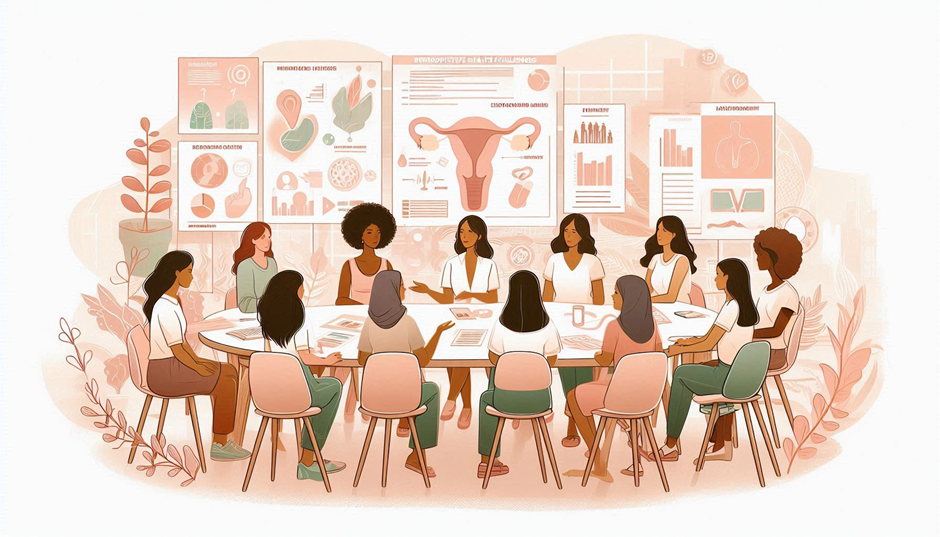
1. The Burden of Complex Gynecological Disorders: Endometriosis, PCOS, and Uterine Fibroids
A significant and often debilitating challenge for modern women is the high prevalence and diagnostic odyssey associated with complex, chronic gynecological disorders. Endometriosis, Polycystic Ovary Syndrome (PCOS), and uterine fibroids represent a triad of conditions that cause profound physical suffering, disrupt quality of life, and impose substantial burdens on fertility and long-term metabolic health. Endometriosis, characterized by the growth of endometrial-like tissue outside the uterus, is a master of mimicry and delay. Its primary symptom—chronic pelvic pain—is frequently normalized or misdiagnosed as merely “bad periods,” leading to an average diagnostic delay of 7-10 years. This delay is a critical failure of the healthcare system, during which the disease can progress, causing inflammation, adhesive disease, and potential damage to the ovaries, fallopian tubes, and bowel. The pain is not cyclical but often constant, affecting sexual function, bowel and bladder habits, and mental health. The gold standard for diagnosis remains laparoscopic surgery, an invasive procedure that creates a high barrier to confirmation. Treatment is often a complex balancing act of hormonal suppression to induce a pseudo-menopause, pain management, and repeated surgeries, none of which are curative. The profound impact on fertility is another layer of trauma, as endometriosis can distort pelvic anatomy and create a hostile inflammatory environment for implantation.
Polycystic Ovary Syndrome (PCOS) is the most common endocrine disorder in women of reproductive age, affecting up to 15-20% of this population globally. Far more than just a gynecological issue, PCOS is a systemic, lifelong metabolic condition. Its diagnostic criteria revolve around a combination of hyperandrogenism (clinical or biochemical), ovulatory dysfunction, and polycystic ovarian morphology. Women with PCOS contend with a distressing array of symptoms that challenge body image and identity: hirsutism, severe acne, alopecia, and a predisposition to weight gain and profound difficulty with weight loss due to underlying insulin resistance. This insulin resistance is the keystone of the disorder, driving not only the reproductive features but also significantly elevating the long-term risks for type 2 diabetes, cardiovascular disease, and non-alcoholic fatty liver disease. The anovulation associated with PCOS leads to irregular, often absent, menstrual cycles and is a leading cause of ovulatory infertility. The psychological toll is immense, with high rates of anxiety, depression, and disordered eating. Management requires a lifelong, multidisciplinary approach focusing on improving insulin sensitivity through diet and exercise, managing cosmetic concerns, regulating cycles, and preserving future metabolic health, a daunting task for any individual.
Uterine fibroids (leiomyomas) are benign tumors of the uterine smooth muscle that affect up to 70-80% of women by age 50. While often asymptomatic, for a significant minority they cause devastating symptoms: menorrhagia (excessively heavy menstrual bleeding) leading to iron-deficiency anemia, debilitating pelvic pressure and pain, bulk symptoms affecting the bladder and bowel, and adverse reproductive outcomes including infertility, miscarriage, and pregnancy complications. The growth of fibroids is hormonally driven, primarily by estrogen and progesterone, making them a particular concern during the reproductive years. Treatment options range from watchful waiting to a spectrum of interventions including hormonal medications, minimally invasive procedures like uterine artery embolization or MRI-guided focused ultrasound, and surgical options ranging from myomectomy (fibroid removal) to hysterectomy (uterus removal). The choice of treatment is deeply personal and hinges on a woman’s desire for future fertility, the severity of symptoms, and her access to specialized care. The high prevalence of hysterectomy as a definitive treatment for fibroids, especially among Black women who experience fibroids at a younger age, with greater severity, and higher rates, raises critical questions about equitable access to fertility-preserving alternatives and the systemic biases within reproductive healthcare.
2. The Fertility Conundrum: Delayed Childbearing, Infertility, and Pregnancy Loss
The landscape of fertility for modern women is defined by a profound and often painful tension between biological limits and socio-economic realities. A dominant trend across developed nations is the steady increase in the age of first-time mothers, driven by higher education, career establishment, financial instability, and evolving partnership dynamics. While socially empowering, this delay collides with the inexorable decline of female fertility, which begins a gradual decrease in the late 20s and a more precipitous drop after age 35 due to a reduction in both the quantity and quality of oocytes. This biological reality creates what reproductive endocrinologists term the “fertility gap”—the chasm between when a woman feels socially ready for motherhood and her biological capacity to conceive. The consequence is a rising prevalence of infertility, defined as the inability to achieve a clinical pregnancy after 12 months or more of regular, unprotected intercourse. For many modern women, the journey to conceive becomes a medicalized, expensive, and emotionally grueling marathon of timed intercourse, ovulation tracking, and assisted reproductive technologies (ART).
The world of ART, while a beacon of hope, presents its own labyrinth of challenges. Treatments like in vitro fertilization (IVF) are physically demanding, involving daily injections of potent hormones to stimulate the ovaries, frequent monitoring via blood tests and ultrasounds, and invasive egg retrieval procedures. The financial burden is staggering, with a single IVF cycle costing thousands of dollars, often not covered by insurance, pushing family-building into the realm of privilege. The psychological toll is arguably the heaviest burden. The cyclical nature of hope and despair—building with each follicle scan, peaking at embryo transfer, and potentially crashing with a negative pregnancy test or early miscarriage—is devastating. This “rollercoaster” effect is linked to clinically significant levels of anxiety and depression, comparable to those facing a cancer diagnosis or heart disease. The process can strain relationships, consume identity, and lead to social isolation as peers move forward with their families.
Pregnancy loss, both in the form of miscarriage and recurrent pregnancy loss (RPL), is a common yet profoundly silenced grief. An estimated 1 in 4 recognized pregnancies ends in miscarriage, a statistic that remains shocking to many due to pervasive cultural stigma and silence. For the woman experiencing it, it is not merely a medical event but the loss of a future, accompanied by feelings of failure, guilt, and profound sadness. The medical response can sometimes compound this trauma, with terminology like “spontaneous abortion” and a clinical detachment that minimizes the emotional significance. Recurrent pregnancy loss, defined as two or more consecutive losses, plunges couples into a diagnostic odyssey to find a cause—which may be chromosomal, anatomical, immunological, or endocrine—yet remains unexplained in nearly 50% of cases. This uncertainty and repeated loss represent a unique form of trauma. Furthermore, the challenge of infertility and loss is amplified for marginalized communities, including LGBTQ+ individuals and couples, who face additional legal, financial, and social hurdles in accessing fertility care, from donor sperm and eggs to gestational surrogacy, navigating a system often designed for heterosexual, cisgender couples.
3. Contraception, Autonomy, and Long-Term Health Considerations
Modern women have access to a wider range of contraceptive options than any previous generation, a development that has been central to educational and professional advancement and bodily autonomy. However, this freedom is accompanied by a complex array of challenges related to side-effect profiles, long-term health implications, and persistent barriers to access. The hormonal contraceptive pill, the most iconic symbol of the sexual revolution, while effective and offering non-contraceptive benefits like cycle regulation and reduced risk of certain cancers, is not without controversy. For many women, finding the right formulation is a trial-and-error process of managing side effects such as mood changes, decreased libido, weight gain, and breakthrough bleeding. A significant challenge is the growing awareness and concern about the impact of synthetic hormones on mental health, with a subset of women experiencing new-onset or worsening depression and anxiety linked to contraceptive use. This has sparked necessary dialogue about individual biochemical sensitivity and the need for more personalized contraceptive counseling beyond mere efficacy rates.
Long-acting reversible contraceptives (LARCs), such as hormonal intrauterine devices (IUDs) and contraceptive implants, are highly effective and have revolutionized pregnancy prevention. Yet, their insertion and removal are medical procedures that can be painful, and stories of providers dismissing this pain or failing to obtain proper consent are disturbingly common, raising serious ethical questions about women’s bodily autonomy in clinical settings. Furthermore, the choice of permanent sterilization through tubal ligation presents a significant challenge for younger women or those without children, who often face paternalistic gatekeeping from healthcare providers unwilling to honor their reproductive decisions based on outdated notions of future regret.
Beyond daily management, modern women must also navigate the long-term health considerations intertwined with their reproductive history and contraceptive choices. A woman’s lifetime exposure to endogenous estrogen (influenced by age at menarche, number of pregnancies, and breastfeeding duration) and exogenous hormones (from contraception or HRT) modulates her risk for certain cancers, such as breast and ovarian cancer. For example, while the pill reduces ovarian cancer risk, the decision-making around its use involves weighing this benefit against a small but potential increase in breast cancer risk for some users. The legacy of past reproductive events also shapes future health. A history of preeclampsia or gestational diabetes is now recognized as a major risk marker for cardiovascular disease later in life, demanding a shift in postpartum care from a fleeting 6-week checkup to a lifelong cardiovascular risk monitoring strategy. Similarly, pregnancies resulting in preterm birth or delivering a low birth weight infant are linked to a higher future risk of maternal cardiometabolic disease. These connections underscore that reproductive health is not a siloed chapter but a core determinant of a woman’s lifelong health trajectory, a reality for which healthcare systems are only beginning to systematically prepare.
4. Structural, Environmental, and Psychological Barriers to Care
Underpinning all specific medical conditions and fertility journeys are pervasive structural, environmental, and psychological barriers that systematically compromise women’s reproductive health outcomes. The healthcare system itself is often a formidable obstacle. Women, particularly those of color, those in poverty, and those in rural areas, face significant disparities in access to quality, timely, and respectful care. Symptoms are dismissed as psychological or exaggerated—a phenomenon well-documented in conditions like endometriosis and chronic pelvic pain. Racial and ethnic biases lead to catastrophic differences in outcomes; Black women in the United States, for instance, are three to four times more likely to die from pregnancy-related complications than white women, a disparity rooted in systemic racism, implicit bias in clinical care, and social determinants of health. Financial barriers are immense, with insurance coverage for reproductive services—from contraception to infertility treatments—being patchwork and often inadequate, effectively rationing care based on wealth.
The modern environment introduces a novel and insidious challenge: endocrine-disrupting chemicals (EDCs). These synthetic compounds, found in plastics (BPA, phthalates), pesticides, personal care products, and food packaging, can mimic, block, or interfere with the body’s natural hormones. Exposure is ubiquitous and begins in utero. EDCs are implicated in the rising prevalence of reproductive disorders, including earlier age of menarche, diminished ovarian reserve, increased risk of endometriosis and fibroids, and poorer outcomes in ART. They represent a silent, pervasive threat to fertility and reproductive health that individual action alone cannot mitigate, demanding robust regulatory and public health responses.
The psychological landscape of modern reproductive health is fraught with unique pressures. The “digital village” of social media and online forums can provide vital support and community, but it can also foster harmful comparison, spread misinformation, and amplify anxiety through curated narratives of perfect pregnancies or relentless fertility success stories. The pressure to “have it all”—to optimize career, partnership, and motherhood on a socially prescribed timeline—creates immense internal conflict and stress, which itself can negatively impact reproductive function through mechanisms like hypothalamic amenorrhea. Furthermore, the experience of navigating chronic reproductive illness or infertility involves a form of disenfranchised grief and chronic stress that is poorly recognized by support systems and workplaces, leading to isolation. The cumulative effect of these structural, environmental, and psychological barriers is a significant weathering of women’s health, where systemic failures and toxic stressors actively erode reproductive potential and well-being, demanding not just medical solutions but sweeping societal and policy changes.
Conclusion
In conclusion, the reproductive health challenges faced by modern women are intricate, interconnected, and deeply embedded in the fabric of contemporary life. They extend far beyond the biological to encompass the psychological, social, and structural determinants that shape a woman’s journey from menarche to menopause and beyond. The burdens of complex disorders like endometriosis and PCOS, the fertility conundrum born of delayed childbearing and the arduous path of ART, the nuanced trade-offs of contraceptive autonomy, and the silent threats of environmental toxins collectively paint a picture of a landscape that is both advanced in its technological offerings and archaic in its systemic failings. These challenges are compounded by persistent disparities in healthcare access, diagnostic delays fueled by gender bias, and a culture that often silences reproductive suffering. Addressing these multifaceted issues requires a paradigm shift toward a more holistic, equitable, and compassionate model of care. This model must prioritize early education, destigmatize discussions around menstrual health and infertility, invest in research for better treatments and cures for gynecological diseases, ensure universal access to a full spectrum of reproductive services, and regulate environmental threats. Ultimately, supporting the reproductive health of modern women is not merely a medical imperative but a fundamental societal responsibility, essential for ensuring not only individual well-being and autonomy but also the very foundation of healthy future generations. Empowering women in their reproductive lives demands that we listen to their experiences, validate their pain, and systematically dismantle the barriers that stand between them and optimal health.
SOURCES
American College of Obstetricians and Gynecologists. (2020). Management of symptomatic uterine leiomyomas. Practice Bulletin No. 228.
Boivin, J., Griffiths, E., & Venetis, C. A. (2021). Emotional distress in infertile women and failure of assisted reproductive technologies: meta-analysis of prospective psychosocial studies. BMJ, 372, n223.
Giudice, L. C., & Kao, L. C. (2022). Endometriosis. The Lancet, 364(9447), 1789-1799.
Howards, P. P., Schisterman, E. F., & Stanford, J. B. (2023). The epidemiology of recurrent pregnancy loss. Seminars in Reproductive Medicine, 41(1), 1-10.
Johansson, A. L. V., & Stephansson, O. (2021). Social determinants of health and severe maternal morbidity in the United States. American Journal of Public Health, 111(6), 1047-1055.
Legro, R. S., Arslanian, S. A., & Ehrmann, D. A. (2020). Diagnosis and treatment of polycystic ovary syndrome: an Endocrine Society clinical practice guideline. The Journal of Clinical Endocrinology & Metabolism, 98(12), 4565-4592.
Mondal, S., & Van der Borght, M. (2023). The impact of endocrine-disrupting chemicals on female reproductive health. Fertility and Sterility, 119(2), 211-222.
Peterson, B. D., & Gold, L. (2022). The mental health of women experiencing infertility. Annual Review of Clinical Psychology, 18, 391-416.
Teede, H. J., Misso, M. L., & Norman, R. J. (2020). Polycystic ovary syndrome: a complex condition with psychological, reproductive and metabolic manifestations. The Lancet Diabetes & Endocrinology, 8(12), 1013-1025.
Zondervan, K. T., Becker, C. M., & Missmer, S. A. (2020). Endometriosis. New England Journal of Medicine, 382(13), 1244-1256.
HISTORY
Current Version
Dec 23, 2025
Written By
BARIRA MEHMOOD



0 Comments