Introduction
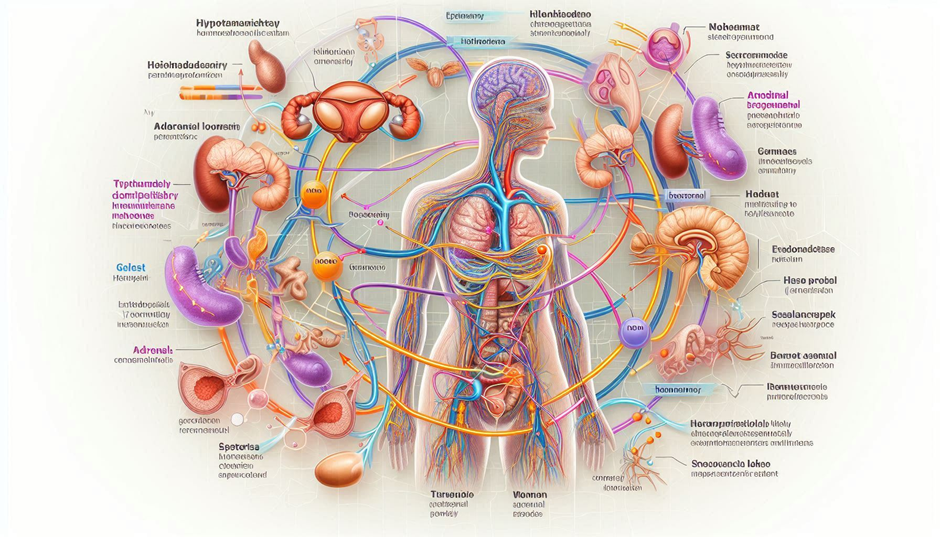
The human stress response is an exquisitely orchestrated neuroendocrine symphony, essential for survival. At its core lies the hypothalamic-pituitary-adrenal (HPA) axis, a critical signaling cascade that begins with the secretion of corticotropin-releasing hormone (CRH) from the hypothalamus, stimulating the pituitary gland to release adrenocorticotropic hormone (ACTH), which in turn prompts the adrenal cortex to synthesize and secrete glucocorticoids, primarily cortisol in humans. This hormonal endpoint regulates a vast array of physiological processes, including metabolism, immune function, and cardiovascular tone, to mobilize energy and adapt to challenge. However, the very system designed to protect us can, under conditions of chronic or inappropriate activation, become a source of pathology. The regulation and dysregulation of the HPA axis are not uniform across individuals; a growing body of evidence underscores that biological sex is a fundamental determinant of its function. In women, the HPA axis operates within a unique and dynamic hormonal milieu, profoundly influenced by ovarian steroids such as estrogen and progesterone, which modulate its activity at multiple levels. This interaction renders the female stress axis distinct in its basal tone, reactivity, feedback sensitivity, and ultimately, its vulnerability to disruption. Understanding these sex-specific differences is not merely an academic exercise but a clinical imperative, as dysregulation of the HPA axis is implicated in a disproportionate burden of stress-related disorders in women, including major depressive disorder, anxiety disorders, post-traumatic stress disorder (PTSD), autoimmune conditions, and functional somatic syndromes. This examination delves into the intricate mechanisms and profound implications of HPA axis disruption in women, exploring the foundational role of ovarian hormones, the impact of specific life stages and transitions, the bidirectional relationship with prevalent psychiatric and physical illnesses, and the consequential long-term health outcomes. By charting this complex terrain, we move closer to a nuanced, biologically-informed framework for understanding women’s health, advocating for diagnostic and therapeutic approaches that recognize the distinct physiology of the female stress response system.
1. The Foundational Role of Ovarian Hormones in HPA Axis Regulation
The female HPA axis does not function in isolation but is in constant, bidirectional communication with the hypothalamic-pituitary-gonadal (HPG) axis, which governs reproductive function. This cross-talk is primarily mediated by the fluctuating levels of estradiol (the most potent form of estrogen) and progesterone across the menstrual cycle, pregnancy, and the menopausal transition. These steroids exert complex, and at times seemingly paradoxical, effects on HPA axis activity through both genomic and non-genomic mechanisms, influencing synthesis, release, and receptor sensitivity at virtually every node of the stress circuit. Estrogen’s role is particularly multifaceted. It can exert stimulatory effects on the HPA axis by increasing CRH gene expression in the hypothalamic paraventricular nucleus (PVN) and potentiating ACTH and cortisol release in response to stress. This effect is partly mediated through estrogen receptor-alpha (ERα) and involves interactions with neurotransmitters like serotonin and norepinephrine that are excitatory to CRH neurons. Furthermore, estrogen can reduce the sensitivity of the glucocorticoid negative feedback loop, meaning that higher levels of cortisol are required to shut down the stress response, potentially prolonging HPA axis activation. This mechanism is linked to estrogen’s ability to downregulate glucocorticoid receptor (GR) expression in key feedback regions of the brain, such as the hippocampus and prefrontal cortex. However, estrogen also has context-dependent inhibitory effects, particularly in limbic brain regions, highlighting the nuance of its actions. Progesterone and its neuroactive metabolite, allopregnanolone, generally oppose estrogen’s excitatory influence and promote HPA axis inhibition and resilience. Allopregnanolone is a potent positive allosteric modulator of GABA-A receptors, enhancing inhibitory neurotransmission, which indirectly dampens CRH neuron activity. Progesterone itself can also bind to GRs, albeit with lower affinity than cortisol, and may contribute to feedback inhibition. The balance between estrogen and progesterone is therefore critical; the premenstrual phase, characterized by a sharp decline in both hormones, is often marked by a relative loss of inhibitory tone and increased HPA axis reactivity, which may contribute to premenstrual symptomatology. Beyond acute regulation, ovarian hormones also organize the female stress response during critical developmental periods. Prenatal and perinatal exposure to sex steroids helps establish the sexual dimorphism of the HPA axis, programming its set-point for life. This organizational effect means that the female brain develops with a different baseline configuration of stress-responsive circuitry, one that is then perpetually modulated by the activational effects of cyclical hormone changes. The profound influence of these hormones explains why natural endocrine transitions—such as puberty, the menstrual cycle, pregnancy, postpartum, and menopause—represent periods of heightened vulnerability to HPA axis dysregulation. In essence, the ovarian hormonal milieu creates a dynamic regulatory landscape for the female stress system, making it uniquely responsive to internal physiological changes and, consequently, uniquely susceptible to disruption when these hormonal rhythms are perturbed or when stress becomes chronic.
2. Critical Windows of Vulnerability: Life Stages and Transitions
The female lifespan is punctuated by specific endocrine transitions that serve as natural experiments in HPA axis adaptability. These periods, characterized by significant fluctuations or declines in ovarian hormone levels, often unmask underlying vulnerabilities and are strongly associated with the onset or exacerbation of stress-related pathologies. Puberty marks the first major activation of the HPA and HPG axes in tandem. The rising tide of adrenal and gonadal steroids during this period is associated with increased HPA axis reactivity to psychosocial stress. This hyper-responsiveness may interact with the substantial neurodevelopmental and social changes of adolescence, potentially contributing to the marked increase in the incidence of anxiety and depressive disorders that emerges in girls after puberty, a disparity that persists throughout adulthood. The menstrual cycle provides a recurring, monthly window into the fine-tuning of the HPA axis by ovarian hormones. Research consistently demonstrates cyclical variations in cortisol dynamics. The late follicular phase, with rising estrogen levels, is often associated with an increased cortisol awakening response (CAR) and heightened reactivity to laboratory stressors. Conversely, the mid-luteal phase, when both estrogen and progesterone are elevated, may show a blunted or similar response compared to the follicular phase, though the premenstrual decline can again trigger instability. For women with premenstrual dysphoric disorder (PMDD), these normal cyclical modulations may become pathological. Emerging evidence suggests that women with PMDD have an altered neurosteroid response to stress, with a failure to mount an appropriate allopregnanolone increase, leading to inadequate GABAergic inhibition, heightened HPA axis drive, and consequent mood and anxiety symptoms in the luteal phase.
Pregnancy and the postpartum period represent the most dramatic endocrine shifts a woman experiences. Pregnancy is characterized by a state of progressive HPA axis activation, with placental CRH (pCRH) becoming a major driver. pCRH, which is structurally identical to hypothalamic CRH, increases exponentially throughout gestation, leading to elevated circulating cortisol levels. This hypercortisolemic state is adaptive, supporting fetal development and preparing the maternal body for parturition. However, the system must also be protected from its own activity; high levels of cortisol-binding globulin (CBG) and placental-derived CRH-binding protein may modulate bioactivity. The postpartum period, in stark contrast, involves an abrupt withdrawal of placental hormones, including pCRH, estrogen, and progesterone, creating a precipitous endocrine drop. This withdrawal occurs alongside the demands of newborn care and sleep disruption, posing a significant challenge to HPA axis recovery. A failure to appropriately recalibrate the HPA axis during this time—manifesting as either persistent hypoactivity or hyperactivity—is strongly implicated in postpartum depression (PPD). Women who develop PPD often show a flatter diurnal cortisol slope, a blunted CAR, or an exaggerated cortisol response to infant-related stressors, indicating a loss of regulatory flexibility. Finally, the menopausal transition, or perimenopause, is defined by the progressive depletion of ovarian follicles and the erratic, then permanent, decline in estradiol and progesterone. This loss of gonadal steroid modulation has direct consequences for the HPA axis. The withdrawal of estrogen’s complex effects and the loss of progesterone’s and allopregnanolone’s inhibitory tone can lead to a hyperactive HPA state. Many studies report increased basal cortisol levels, an enhanced CAR, and greater cortisol reactivity to stress in perimenopausal and early postmenopausal women compared to premenopausal counterparts. This HPA axis hyperactivity is thought to be a key biological substrate for the increased risk of depressive symptoms, “midlife stress,” visceral fat accumulation, and metabolic syndrome observed during this transition. Each of these life stages underscores how the female HPA axis, finely tuned to the hormonal environment, can be pushed towards dysregulation during periods of endocrine flux, creating critical windows for both vulnerability and potential intervention.
3. HPA Axis Dysregulation in Prevalent Women’s Health Conditions
The disruption of the HPA axis is not merely a correlate but a central mechanistic player in a spectrum of disorders that disproportionately affect women. In mood and anxiety disorders, HPA axis hyperactivity is one of the most consistent biological findings. In major depressive disorder (MDD), women often exhibit higher baseline cortisol, a heightened CAR, glucocorticoid resistance (impaired negative feedback), and reduced hippocampal volume—a brain region rich in GRs and crucial for feedback inhibition. The link is bidirectional: early life stress or chronic adversity can sensitize the HPA axis, increasing depression risk, while the hypercortisolemia of depression can further damage regulatory neural circuits, perpetuating the illness. The sex difference in depression prevalence emerges at puberty and diminishes after menopause, strongly implicating ovarian hormones in this vulnerability. In post-traumatic stress disorder (PTSD), which women are twice as likely to develop as men following trauma, a different pattern often emerges: lower basal cortisol levels and an enhanced negative feedback sensitivity. This hypocortisolemic profile may reflect a compensatory adaptation to initial hyperactivation or a failure to mount an adequate stress response during the traumatic event itself. The interplay with reproductive hormones is evident here as well; the risk of PTSD is higher in women with low estrogen states, and fear extinction—a process deficient in PTSD—is enhanced during high estrogen phases of the cycle.
Beyond psychiatry, HPA axis disruption is a hallmark of many functional somatic and autoimmune disorders prevalent in women. In fibromyalgia and chronic fatigue syndrome, a shift towards HPA axis hypoactivity is common, featuring low morning cortisol, a blunted CAR, and a flattened diurnal rhythm. This profile suggests a state of “burnout” or exhaustion of the stress system following prolonged demand, potentially driven by chronic pain and sleep disturbance. The low cortisol may contribute to heightened pain perception and inflammation. Similarly, in autoimmune diseases like rheumatoid arthritis, systemic lupus erythematosus, and Hashimoto’s thyroiditis, altered HPA function is frequently observed. Often, there is a relative insufficiency of cortisol production in the face of significant immune activation (inflammatory cytokines), a mismatch that may permit unchecked inflammation. This inadequate HPA response could be due to genetic factors, early programming, or the effects of chronic inflammation on the axis itself. The female predominance in these conditions highlights how sex steroids, which modulate both the HPA axis and immune function, can create a permissive environment for autoimmune dysregulation when the stress system fails to provide adequate counter-regulation.
Furthermore, stress-related eating behaviors and metabolic disorders showcase the downstream physiological consequences of HPA dysregulation. Chronic stress and elevated cortisol directly promote visceral adiposity, insulin resistance, and dyslipidemia. In women, this often manifests as stress-induced craving for high-calorie “comfort foods,” leading to a characteristic weight gain pattern centered on the abdomen. Conditions like polycystic ovary syndrome (PCOS) exemplify a vicious cycle where hyperinsulinemia and hyperandrogenism can stimulate the HPA axis, while HPA hyperactivity may further exacerbate metabolic and reproductive dysfunction. The HPA axis, therefore, sits at a critical nexus, linking psychological distress, neuroendocrine dysfunction, and somatic disease in pathways that are particularly salient in women’s health. Recognizing these patterns of dysregulation—whether hyperactive, hypoactive, or erratic—is key to understanding the pathophysiology of these conditions and moving beyond symptomatic treatment to address underlying neuroendocrine mechanisms.
4. Long-Term Health Consequences and Intergenerational Implications
The repercussions of HPA axis disruption in women extend far beyond the immediate symptoms of mood or pain, casting a long shadow over long-term health trajectories and even influencing the physiology of subsequent generations. Chronic exposure to elevated cortisol, as seen in prolonged stress, depression, or the menopausal transition, exerts a damaging “allostatic load” on multiple organ systems. Cardiometabolic risk is profoundly affected. Cortisol promotes hypertension, dyslipidemia, insulin resistance, and the accumulation of visceral adipose tissue, a key driver of metabolic syndrome. This explains, in part, the strong epidemiological links between chronic stress, depression, and increased risk of type 2 diabetes and cardiovascular disease in women, associations that often remain significant even after controlling for traditional risk factors. Neurodegeneration is another concerning endpoint. The hippocampus, a brain region vital for memory and densely populated with GRs, is particularly vulnerable to the neurotoxic effects of chronic hypercortisolemia. Over time, this can contribute to hippocampal volume reduction, impaired neurogenesis, and accelerated cognitive decline, potentially increasing vulnerability to dementia later in life. The hypoactive HPA profile, while perhaps protective against some metabolic effects, carries its own risks, including heightened inflammatory tone and impaired resilience to new stressors, potentially exacerbating autoimmune and pain conditions over decades.
Perhaps the most profound implication of female HPA axis dysregulation is its capacity for intergenerational transmission, a concept central to the developmental origins of health and disease (DOHaD) hypothesis. A woman’s stress physiology during pregnancy directly shapes the in utero environment, programming the fetal HPA axis. Maternal stress, anxiety, depression, or elevated cortisol levels are associated with higher placental CRH and fetal exposure to glucocorticoids. This fetal programming can result in a child with a hyperreactive HPA axis, altered stress and emotional responsiveness, and an increased risk for cognitive, behavioral, and emotional problems. Crucially, if the child is female, this programmed stress sensitivity may influence her own reproductive health and stress reactivity, perpetuating a cycle across generations. This transmission is not solely biological; it is embedded in a psychosocial context. A mother experiencing chronic stress or depression may also exhibit altered caregiving behaviors, which further shape the infant’s stress system through epigenetic modifications and learned regulatory patterns. The postpartum period, with its own HPA axis instability, is a critical time for establishing this mother-infant dyadic regulation. Thus, disruption of the maternal HPA axis acts as a key conduit through which social adversity, psychological distress, and environmental challenges are biologically embedded, affecting the health of offspring and potentially altering the family health trajectory for years to come. Addressing HPA axis health in women, therefore, is not only an issue of individual well-being but a powerful lever for public health intervention with multigenerational impact. Interventions aimed at stress reduction, treatment of mood disorders, and support during vulnerable transitions like pregnancy and postpartum have the potential to improve outcomes for both women and their children, breaking cycles of disadvantage and disease.
Conclusion
The hypothalamic-pituitary-adrenal axis in women is a dynamic and sexually dimorphic system, whose function is inextricably woven into the fabric of reproductive endocrinology. Its regulation by the fluctuating tides of estrogen and progesterone creates a unique physiological profile, one that confers both resilience and specific vulnerabilities. As detailed throughout this examination, the interaction between the HPA and HPG axes means that natural endocrine transitions—puberty, the menstrual cycle, pregnancy, postpartum, and menopause—represent periods of heightened susceptibility to dysregulation. This dysregulation manifests across a spectrum of women’s health conditions, from the hypercortisolemia often seen in major depression to the hypocortisolemia characteristic of fibromyalgia and PTSD, and the inadequate cortisol response in autoimmune disease. The long-term consequences of such disruption are severe, contributing to elevated cardiometabolic risk, potential neurocognitive decline, and a cycle of intergenerational transmission through fetal programming and early-life caregiving environments. Recognizing the central role of a dysregulated stress axis in these diverse pathologies moves us toward a more integrated understanding of women’s health, where mental, endocrine, immune, and metabolic systems are seen as interconnected rather than separate domains. This perspective mandates a shift in clinical practice, advocating for greater awareness of HPA axis health in the assessment and treatment of women. It calls for research that continues to disentangle the precise molecular mechanisms of steroid-stress interactions and for therapeutic innovations—whether pharmacological, hormonal, or behavioral—that are tailored to restore balance to the female stress response system across the lifespan. Ultimately, fostering HPA axis resilience in women is a fundamental goal with the power to enhance individual well-being, alter disease trajectories, and positively influence the health of future generations.
SOURCES
Altemus, M., Sarvaiya, N., & Neill Epperson, C. (2014). Sex differences in anxiety and depression clinical perspectives. Frontiers in Neuroendocrinology, *35*(3), 320–330.
Bale, T. L., & Epperson, C. N. (2015). Sex differences and stress across the lifespan. Nature Neuroscience, *18*(10), 1413–1420.
Barth, C., Villringer, A., & Sacher, J. (2015). Sex hormones affect neurotransmitters and shape the adult female brain during hormonal transition periods. Frontiers in Neuroscience, *9*, 37.
Garcia-Leal, C., Del-Rio, A. P., & Lopez-Duran, N. L. (2017). The effect of estrogen on the HPA axis response to stress: A systematic review. Psychoneuroendocrinology, *77*, 206–215.
Guilliams, T. G., & Edwards, L. (2010). Chronic stress and the HPA axis: Clinical assessment and therapeutic considerations. The Standard, *9*(2), 1–12.
Hantsoo, L., & Epperson, C. N. (2015). Premenstrual dysphoric disorder: Epidemiology and treatment. Current Psychiatry Reports, *17*(11), 87.
Heim, C., Newport, D. J., Mletzko, T., Miller, A. H., & Nemeroff, C. B. (2008). The link between childhood trauma and depression: Insights from HPA axis studies in humans. Psychoneuroendocrinology, *33*(6), 693–710.
Kajantie, E., & Phillips, D. I. W. (2006). The effects of sex and hormonal status on the physiological response to acute psychosocial stress. Psychoneuroendocrinology, *31*(2), 151–178.
Kudielka, B. M., & Kirschbaum, C. (2005). Sex differences in HPA axis responses to stress: A review. Biological Psychology, *69*(1), 113–132.
Lund, T. D., & Rovis, T. (2019). The influence of sex hormones on the HPA axis and immune system. Comprehensive Physiology, *9*(3), 1087–1122.
Magiakou, M. A., Mastorakos, G., Rabin, D., Dubbert, B., Gold, P. W., & Chrousos, G. P. (1996). Hypothalamic corticotropin-releasing hormone suppression during the postpartum period: Implications for the increase of psychiatric manifestations in this period. The Journal of Clinical Endocrinology & Metabolism, *81*(5), 1912–1917.
McEwen, B. S. (2003). Mood disorders and allostatic load. Biological Psychiatry, *54*(3), 200–207.
Monteleone, P., Luisi, M., Colurcio, B., & Genazzani, A. R. (2001). Plasma levels of neuroactive steroids are increased in untreated women with anorexia nervosa or bulimia nervosa. Psychosomatic Medicine, *63*(1), 62–68.
Nicolson, N. A. (2007). Measurement of cortisol. In Handbook of Physiological Research Methods in Health Psychology (pp. 37–74). Sage Publications.
Olff, M., Langeland, W., Draijer, N., & Gersons, B. P. R. (2007). Gender differences in posttraumatic stress disorder. Psychological Bulletin, *133*(2), 183–204.
Pariante, C. M., & Lightman, S. L. (2008). The HPA axis in major depression: Classical theories and new developments. Trends in Neurosciences, *31*(9), 464–468.
Raison, C. L., & Miller, A. H. (2003). When not enough is too much: The role of insufficient glucocorticoid signaling in the pathophysiology of stress-related disorders. American Journal of Psychiatry, *160*(9), 1554–1565.
Rubinow, D. R., & Schmidt, P. J. (2019). Sex differences and the neurobiology of affective disorders. Neuropsychopharmacology, *44*(1), 111–128.
Schmidt, P. J., & Rubinow, D. R. (2009). Sex hormones and mood in the perimenopause. Annals of the New York Academy of Sciences, *1179*, 70–85.
Seeman, T. E., Singer, B. H., Rowe, J. W., Horwitz, R. I., & McEwen, B. S. (1997). Price of adaptation—allostatic load and its health consequences: MacArthur studies of successful aging. Archives of Internal Medicine, *157*(19), 2259–2268.
Solomon, M. B., & Herman, J. P. (2009). Sex differences in psychopathology: Of gonadal hormones and their interplay with the HPA axis. Hormones and Behavior, *55*(2), 154–166.
Taylor, S. E., Klein, L. C., Lewis, B. P., Gruenewald, T. L., Gurung, R. A. R., & Updegraff, J. A. (2000). Biobehavioral responses to stress in females: Tend-and-befriend, not fight-or-flight. Psychological Review, *107*(3), 411–429.
Van den Bergh, B. R. H., van den Heuvel, M. I., Lahti, M., Braeken, M., de Rooij, S. R., Entringer, S., & Schwab, M. (2017). Prenatal developmental origins of behavior and mental health: The influence of maternal stress in pregnancy. Neuroscience & Biobehavioral Reviews, *117*, 26–64.
Yehuda, R., Halligan, S. L., & Golier, J. A. (2004). Effects of trauma exposure on the cortisol response to dexamethasone administration in PTSD and major depressive disorder. Psychoneuroendocrinology, *29*(3), 389–404.
Zhornitsky, S., Potvin, S., & Tourjman, S. V. (2010). The HPA axis in major depression: A brief primer for primary care physicians. The Primary Care Companion for CNS Disorders, *12*(6), PCC.10r00982.
HISTORY
Current Version
Jan 05, 2026
Written By
BARIRA MEHMOOD


0 Comments