Introduction
The female reproductive lifespan is a complex biological process governed by a delicate interplay of genetic, environmental, and lifestyle factors. Menopause, defined as the permanent cessation of menstruation following the loss of ovarian follicular activity, is a natural transition, with the average age of onset in Western countries being approximately 51 years. However, significant variation exists, and the experience of menopausal symptoms—such as vasomotor disturbances (hot flashes, night sweats), psychological changes (anxiety, irritability, low mood), urogenital atrophy, and sleep disturbances—can begin years before the final menstrual period, during the menopausal transition or perimenopause. While the timing of menopause is largely influenced by genetic predisposition, accumulating and compelling evidence points to psychosocial factors, particularly chronic stress, as a potent modulator that may accelerate ovarian aging and precipitate an earlier onset of both menopause and its symptomatic burden. This paper posits that chronic stress, through a multifaceted cascade of neuroendocrine, inflammatory, and behavioral mechanisms, acts as a significant catalyst for the early onset and potentially heightened severity of menopausal symptoms. By dysregulating the hypothalamic-pituitary-ovarian (HPO) axis, inducing systemic inflammation, and promoting health-compromising behaviors, chronic stress can deplete the finite ovarian follicular reserve more rapidly and alter the brain’s adaptation to declining estrogen levels, thereby shifting the entire menopausal transition to an earlier chronological age and intensifying its symptomatic expression. Understanding this connection is not merely an academic exercise but a crucial public health imperative, as early menopause (before age 45) and premature ovarian insufficiency (before age 40) are associated with increased long-term risks of osteoporosis, cardiovascular disease, cognitive decline, and overall mortality. Therefore, a comprehensive exploration of the pathways linking stress to early menopausal symptoms is essential for developing holistic, preventive, and management strategies that address not just the biological, but also the psychosocial dimensions of women’s midlife health.

1. The Neuroendocrine Pathways: Stress, Allostatic Load, and the HPO Axis
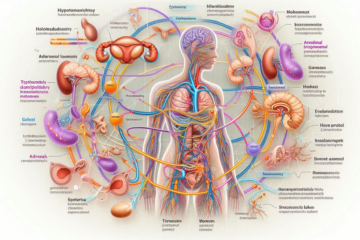
The primary biological conduit through which chronic stress influences ovarian function and the timing of menopause is the profound disruption of the body’s central stress response and reproductive systems. The human body responds to acute stress via the hypothalamic-pituitary-adrenal (HPA) axis, culminating in the release of glucocorticoids, chiefly cortisol, from the adrenal cortex. This acute response is adaptive, mobilizing energy and enhancing survival. However, under conditions of chronic psychological, social, or environmental stress, the repeated or sustained activation of the HPA axis leads to a state of allostatic load—the cumulative wear and tear on the body’s systems due to chronic overactivity or dysregulation of stress responses. It is this allostatic load that directly and indirectly compromises the integrity and regulation of the hypothalamic-pituitary-ovarian (HPO) axis, the master regulator of reproduction. Under normal conditions, the HPO axis operates through a precise feedback loop: the hypothalamus secretes gonadotropin-releasing hormone (GnRH), which stimulates the pituitary to release follicle-stimulating hormone (FSH) and luteinizing hormone (LH), which in turn drive ovarian follicular development, ovulation, and the production of estradiol and progesterone. Chronic HPA axis activation interferes with this delicate system at multiple levels. Elevated cortisol can directly suppress the pulsatile secretion of GnRH from the hypothalamus. Furthermore, cortisol and other stress mediators can reduce the sensitivity of the pituitary gland to GnRH and diminish ovarian responsiveness to FSH and LH. Perhaps most critically, chronic stress and elevated cortisol promote a state of “metabolic steal,” where the production of precursor hormones like pregnenolone is shunted away from the sex hormone synthesis pathway (the so-called “progesterone pathway”) and toward the continued production of cortisol. This diversion not only reduces the raw materials available for estrogen and progesterone production but can also lead to a relative progesterone deficiency, a state implicated in increased symptom severity during the perimenopausal period when cycles become anovulatory.
The impact of this neuroendocrine cross-talk is most evident on the ovarian follicle itself. A woman’s ovarian reserve, consisting of a non-renewable pool of primordial follicles, is the fundamental determinant of reproductive lifespan. Chronic glucocorticoid exposure has been shown in both animal and human studies to accelerate follicular atresia, or programmed cell death. Stress hormones can induce oxidative stress within the ovarian microenvironment, damaging follicles and depleting the reserve at a faster rate. Consequently, as the follicle pool diminishes more rapidly, the levels of inhibin B (produced by small antral follicles) decline earlier. This decline reduces the negative feedback on the pituitary, leading to a premature rise in FSH—a key biochemical hallmark of diminishing ovarian reserve. This elevated FSH, while attempting to stimulate remaining follicles, may also contribute to more erratic and symptomatic cycles, including heavier bleeding and more pronounced vasomotor symptoms, even while a woman is still menstruating regularly. Epidemiological studies robustly support this pathway. Women reporting high levels of perceived stress, chronic work strain, or exposure to traumatic life events consistently demonstrate elevated FSH levels, shortened menstrual cycle length (an early sign of ovarian aging), and a higher incidence of early menopause. For instance, longitudinal studies such as the Harvard Study of Moods and Cycles and the Nurses’ Health Study II have found significant associations between highly stressful life events, high perceived stress, and a increased risk of entering menopause before the age of 45. Therefore, through the sustained activation of the HPA axis and the resultant allostatic load, chronic stress acts as a biological accelerant, hastening the depletion of the ovarian follicular pool and effectively turning back the clock on a woman’s reproductive system, leading to an earlier onset of the hormonal fluctuations that trigger menopausal symptoms.
2. Inflammatory and Immune Mechanisms: Stress as a Pro-Inflammatory State
Beyond the direct neuroendocrine disruption, chronic stress exerts a powerful influence on the timing and experience of menopause by instigating and perpetuating a state of chronic, low-grade systemic inflammation. The immune system and the stress response system are intricately linked, a relationship encapsulated in the concept of psychoneuroimmunology. Under acute stress, there is a transient pro-inflammatory response, part of the body’s preparation for potential injury or infection. However, when stress becomes chronic, this inflammatory response fails to resolve, leading to a persistent elevation of pro-inflammatory cytokines such as interleukin-6 (IL-6), tumor necrosis factor-alpha (TNF-α), and C-reactive protein (CRP). This inflammatory state is a key component of allostatic load and is implicated in a host of age-related diseases. Crucially, inflammation is now recognized as a central player in ovarian aging and the pathophysiology of menopausal symptoms. The ovarian follicle and the surrounding stromal tissue are active sites of immune activity. Inflammatory cytokines can directly impair ovarian function by promoting follicular atresia, disrupting the delicate hormonal signaling within the follicle, and contributing to oxidative damage. This inflammatory assault accelerates the depletion of the ovarian reserve independently of, and synergistically with, the HPA axis effects.
The link between stress-induced inflammation and menopausal symptoms is particularly salient in the context of vasomotor symptoms (VMS), such as hot flashes and night sweats. Research has moved beyond a simple model of estrogen withdrawal to understand VMS as a thermoregulatory dysfunction in the brain’s hypothalamus, specifically in the heat dissipation mechanisms governed by the preoptic area. Inflammation appears to be a key modulator of this process. Elevated levels of CRP and IL-6 have been consistently associated with a greater frequency and severity of hot flashes, independent of estrogen levels. It is hypothesized that pro-inflammatory cytokines can alter the set-point in the hypothalamic thermoregulatory nucleus, making it more sensitive to slight increases in core body temperature and thus triggering inappropriate heat-loss responses (vasodilation and sweating). Therefore, a woman under chronic stress, who maintains a higher baseline inflammatory tone, may experience the onset of hot flashes earlier in the menopausal transition and with greater intensity because her brain’s thermostat is already primed by inflammation. Furthermore, inflammation is deeply intertwined with other common menopausal complaints. It contributes to the pathogenesis of mood disorders like depression and anxiety, which are often exacerbated during perimenopause. It is also a driver of sleep fragmentation, and poor sleep itself is a potent stressor that further elevates inflammatory markers, creating a vicious cycle where stress, inflammation, poor sleep, and worsened menopausal symptoms all feed into each other. This inflammatory pathway explains why lifestyle and psychosocial factors that modulate inflammation—such as obesity, which itself is a pro-inflammatory state often exacerbated by stress-induced cortisol—are strong risk factors for earlier menopause and more severe symptoms. In essence, chronic stress writes a pro-inflammatory script that the body enacts, one that not only speeds up ovarian aging but also lowers the threshold for and amplifies the symptomatic expression of the menopausal transition.
3. Behavioral and Lifestyle Mediators: Stress-Induced Coping Mechanisms
The relationship between stress and early menopausal symptoms is not solely mediated by internal biological pathways; it is also significantly shaped and amplified by the behavioral and lifestyle choices that often accompany chronic stress. Psychological distress frequently leads to the adoption of coping mechanisms that, while potentially offering short-term relief, have deleterious long-term effects on reproductive health and hormonal balance. These behaviors act as critical intermediaries, translating psychosocial adversity into biological risk. One of the most well-documented links is between chronic stress and smoking. Nicotine and other toxins in cigarette smoke are directly toxic to ovarian follicles, inducing apoptosis and accelerating the loss of the ovarian reserve. Moreover, smoking alters the metabolism of estrogen and has profound anti-estrogenic effects. Numerous large-scale studies have identified smoking as one of the most consistent and modifiable risk factors for early menopause, with heavy smokers reaching menopause one to two years earlier than non-smokers on average. Stress is a primary driver of both initiation and maintenance of smoking behavior, as individuals often use cigarettes to modulate negative affect. Therefore, stress can indirectly advance menopause through its association with this high-risk behavior.
Similarly, chronic stress is a major contributor to unhealthy dietary patterns and obesity. Stress can disrupt appetite regulation, often increasing the craving for energy-dense, high-sugar, and high-fat “comfort foods” via the actions of cortisol and neuropeptide Y. This can lead to weight gain, particularly visceral adiposity. Adipose tissue is not inert; it is an active endocrine organ that produces estrogen through the aromatization of androgens. While this might seem protective, the hormonal milieu in obesity is one of dysregulation, characterized by hyperinsulinemia, leptin resistance, and inflammation. This dysregulation can disrupt normal HPO axis feedback, contribute to anovulatory cycles, and, paradoxically, has been associated with both heightened menopausal symptoms and, in some cases, earlier menopause due to the inflammatory and oxidative stress on ovaries. Furthermore, stress and the psychological distress of menopausal symptoms themselves often lead to the use of alcohol as a coping tool. Excessive alcohol consumption can disrupt sleep architecture, exacerbate mood disorders, and interfere with liver metabolism of hormones, potentially worsening symptom profiles. Perhaps the most significant behavioral link is the disruption of sleep. Stress is a primary cause of insomnia and sleep fragmentation. As previously noted, poor sleep is a powerful physiological stressor that elevates cortisol and inflammatory markers. During the menopausal transition, sleep is frequently disrupted by night sweats, creating a bidirectional and synergistic relationship: stress worsens sleep, poor sleep increases physiological stress and inflammation, which in turn worsens vasomotor symptoms and mood, leading to further sleep disruption. This creates a self-perpetuating cycle that can make the symptomatic period feel more intense and prolonged. Finally, chronic stress often erodes the motivation and time for regular physical activity, yet exercise is a potent buffer against both stress and menopausal symptoms. It reduces HPA axis reactivity, lowers inflammatory markers, improves sleep quality, and is associated with a later age at menopause. Thus, through its capacity to promote smoking, poor diet, alcohol use, sleep disturbance, and physical inactivity, chronic stress sets in motion a cascade of behavioral risk factors that collectively accelerate reproductive aging and magnify the burden of menopausal symptoms.
4. Psychological and Socioeconomic Stressors: The Real-World Context
To fully comprehend the impact of stress on early menopausal symptoms, it is essential to examine the specific psychological and socioeconomic contexts that generate and perpetuate chronic stress. These contextual factors move beyond individual psychology to encompass the broader social determinants of health, revealing profound disparities in menopausal experience. Specific forms of psychological stress carry significant weight. A history of early-life trauma or adverse childhood experiences (ACEs), such as abuse, neglect, or household dysfunction, is linked to a multitude of poor adult health outcomes, including earlier menopause. The biological embedding of early trauma, often through epigenetic modifications and persistent HPA axis dysregulation, may create a lifelong vulnerability to accelerated aging, including reproductive aging. Similarly, high levels of chronic anxiety and clinical depression are strongly associated with earlier onset of menopause and more severe vasomotor and psychological symptoms. The relationship is likely bidirectional: the hormonal fluctuations of perimenopause can trigger or worsen mood disorders in vulnerable individuals, and the presence of these disorders constitutes a persistent physiological stress burden that acts on the pathways previously described.
The nature of one’s social and economic environment is equally critical. Socioeconomic status (SES) is a powerful predictor of health, and menopause timing is no exception. Women of lower SES, often facing a constellation of chronic stressors including financial insecurity, job strain, inadequate housing, and lower perceived control over life circumstances, are at a higher risk for earlier menopause. The experience of racial and ethnic discrimination is a potent and chronic psychosocial stressor with documented physiological consequences. African American women, for instance, consistently report an earlier average age at menopause and a significantly higher burden of vasomotor symptoms compared to White women. These disparities cannot be explained by genetics alone; they are strongly mediated by the cumulative stress of structural inequities, discrimination, and allostatic load. Occupational stress, particularly jobs characterized by high demand and low control (as defined by the Job Strain Model), has also been independently linked to earlier menopausal onset. The daily grind of such work, with its relentless pressure and lack of autonomy, imposes a steady toll on the HPA axis. Furthermore, the domain of family and caregiving presents unique stresses. Prolonged caregiving for sick children or aging parents, often undertaken by midlife women while simultaneously managing careers, is a potent chronic stressor that has been associated with altered cortisol rhythms and could plausibly influence the menopausal transition. These real-world stressors are rarely isolated; they tend to cluster and accumulate. A woman may face the combined burdens of a stressful job, financial worries, and caregiving responsibilities, all within a context of racial or gender-based discrimination. This cumulative adversity leads to a higher allostatic load, providing a clear social epidemiological framework for understanding why some populations experience menopause earlier and more severely than others. It underscores that the link between stress and menopause is not merely a matter of individual perception but is deeply rooted in societal structures and lived experiences.
Conclusion
The intricate interplay between chronic stress and the early onset of menopausal symptoms represents a paradigm shift in understanding female reproductive aging. It moves beyond a deterministic, purely genetic model to one that acknowledges the profound embodiment of psychosocial experience. As detailed, chronic stress operates through a convergent network of biological and behavioral pathways to hasten the menopausal transition. Neuroendocrine dysregulation, primarily through HPA axis overactivation and the resultant allostatic load, directly suppresses reproductive function and accelerates ovarian follicular depletion. Concurrently, stress-induced chronic systemic inflammation acts as a double-edged sword, both damaging the ovarian reserve and sensitizing the brain’s thermoregulatory and mood centers, thereby lowering the threshold for vasomotor and psychological symptoms. These internal mechanisms are powerfully amplified by stress-promoted behaviors—such as smoking, poor diet, and sleep disturbance—that independently compromise ovarian health and exacerbate symptom severity. Ultimately, these pathways are fueled by tangible psychological and socioeconomic realities, including early-life trauma, depression, economic disadvantage, and discrimination, which create disparities in menopausal experience across populations. Recognizing this multifactorial link is clinically imperative. It argues for a holistic, biopsychosocial approach to women’s midlife health that integrates stress management, mental health support, and lifestyle intervention as core components of menopause care, rather than as peripheral concerns. Screening for chronic stress and trauma history should become routine in gynecological practice, alongside hormonal assessments. Interventions such as cognitive-behavioral therapy, mindfulness-based stress reduction, and promotion of sleep hygiene and regular exercise may not only improve quality of life but could potentially modulate the underlying biological drivers of early ovarian aging. Future research must continue to elucidate the precise molecular mechanisms, including epigenetic changes, and focus on developing targeted interventions to build resilience against the reproductive aging effects of chronic stress. In conclusion, the timing and symptomatology of menopause are not an inevitable destiny written solely in the genes; they are, in part, a reflection of a life lived, underscoring the critical need to address psychosocial well-being as a fundamental aspect of women’s health across the lifespan.
SOURCES
Bromberger, J. T., & Kravitz, H. M. (2011). Mood and menopause: Findings from the Study of Women’s Health Across the Nation (SWAN) over 10 years. Obstetrics and Gynecology Clinics of North America, 38(3), 609–625.
Carpenter, J. S., Woods, N. F., Otte, J. L., Guthrie, K. A., Hohensee, C., Newton, K. M., & Joffe, H. (2022). Sleep, psychological distress, and stress arousal in women with and without vasomotor symptoms. Menopause, 29(1), 19–28.
Gold, E. B., Crawford, S. L., Avis, N. E., Crandall, C. J., Matthews, K. A., Waetjen, L. E., & Harlow, S. D. (2013). Factors related to age at natural menopause: Longitudinal analyses from SWAN. American Journal of Epidemiology, 178(1), 70–83.
Harlow, S. D., Paramsothy, P., & Nan, B. (2010). Menstruation and the menopausal transition. In R. G. Gosden & D. N. Faddy (Eds.), Biology and pathology of the ovarian follicle (pp. 200–214). Springer.
McKinlay, S. M., Brambilla, D. J., & Posner, J. G. (1992). The normal menopause transition. Maturitas, 14(2), 103–115.
Monteleone, P., Mascagni, G., Giannini, A., Genazzani, A. R., & Simoncini, T. (2018). Symptoms of menopause — Global prevalence, physiology and implications. Nature Reviews Endocrinology, 14(4), 199–215.
Sapolsky, R. M. (2004). Why zebras don’t get ulcers (3rd ed.). Holt Paperbacks.
Thurston, R. C., Chang, Y., Barinas-Mitchell, E., Jennings, J. R., von Känel, R., Landsittel, D. P., & Matthews, K. A. (2017). Physiologic reactivity to thermal stress and hot flashes in midlife women. Menopause, 24(7), 785–793.
Wharton, W., Gleason, C. E., & Dowling, N. M. (2012). Neurobiological underpinnings of the estrogen – mood relationship. Current Psychiatry Reviews, 8(3), 247–256.
Woods, N. F., & Mitchell, E. S. (2005). Symptoms during the perimenopause: Prevalence, severity, trajectory, and significance in women’s lives. The American Journal of Medicine, 118(12), 14–24.
HISTORY
Current Version
Jan 05, 2026
Written By
BARIRA MEHMOOD

0 Comments