Introduction
The human body is a complex, interconnected system where the delicate balance of one physiological process can profoundly influence another. Among the most critical yet vulnerable of these systems is the endocrine system, a network of glands that secretes hormones responsible for regulating metabolism, growth, mood, and reproduction. Within this network, the thyroid gland, a small butterfly-shaped organ situated at the base of the neck, functions as a master regulator of metabolic rate, energy production, and cellular activity throughout the body. Its influence is vast, touching nearly every organ system. For women, the thyroid is of particular significance; thyroid disorders are disproportionately more common in women than in men, with some estimates suggesting women are five to eight times more likely to develop thyroid dysfunction. This disparity points to the intricate interplay between thyroid function and female sex hormones, the immune system, and genetic predispositions unique to women.
Simultaneously, stress has emerged as a ubiquitous and pervasive facet of modern life. While acute stress is a vital, life-preserving physiological response, chronic stress represents a maladaptive state that can wreak havoc on the body’s homeostasis. The physiological signature of chronic stress is mediated primarily by the hypothalamic-pituitary-adrenal (HPA) axis, culminating in the sustained secretion of cortisol, the body’s principal stress hormone. Cortisol, in excess and over prolonged periods, can disrupt a wide array of bodily functions, including immune regulation, cognitive performance, and crucially, endocrine system harmony. The intersection between chronic stress and thyroid dysfunction, particularly in women, forms a critical nexus of health concern. This relationship is not merely correlative but is underpinned by robust biochemical pathways where the HPA axis and the hypothalamic-pituitary-thyroid (HPT) axis engage in a continuous and bidirectional dialogue. Chronic stress can suppress thyroid function, exacerbate autoimmune thyroid disease, and amplify the symptoms of thyroid disorders, creating a vicious cycle that can significantly impair a woman’s quality of life, reproductive health, and long-term well-being.
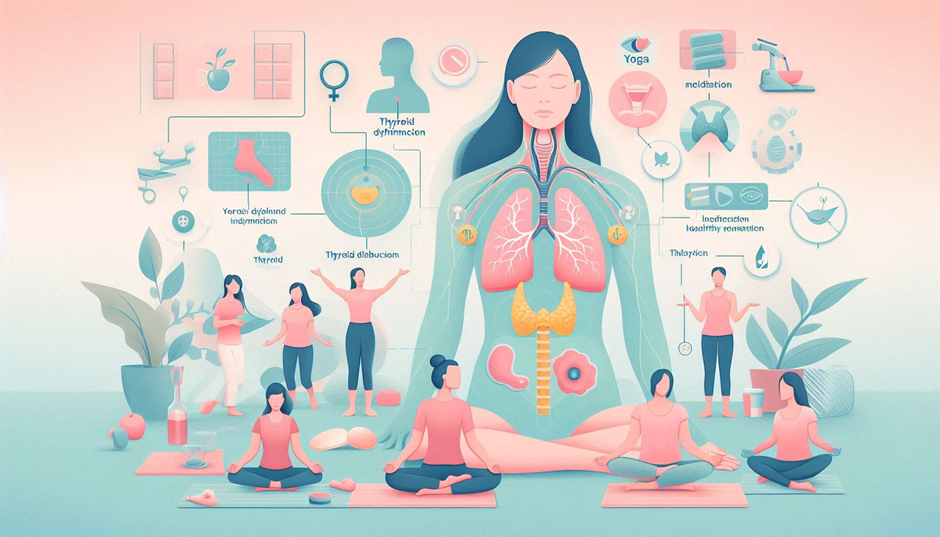
Understanding the nuanced relationship between stress and thyroid dysfunction in women requires a multidimensional exploration. It necessitates an examination of the fundamental physiology of the thyroid gland and the stress response system, a detailed analysis of the specific pathways through which stress impacts thyroid health, a review of the most prevalent thyroid disorders in women and how stress interacts with them, and finally, a discussion of integrative management strategies that address both the thyroid condition and the underlying stress. This comprehensive analysis aims to illuminate how psychological and physiological stress becomes biologically embedded, disrupting thyroid homeostasis, and to provide a framework for holistic intervention. The goal is to move beyond treating thyroid lab values in isolation and toward addressing the whole individual, acknowledging that for many women, managing stress is not a luxury but a fundamental component of restoring thyroid health and overall vitality.
1. The Physiology of Thyroid Function and the Stress Response
To comprehend the intersection of stress and thyroid dysfunction, one must first understand the individual physiological systems at play: the hypothalamic-pituitary-thyroid (HPT) axis and the hypothalamic-pituitary-adrenal (HPA) axis. These two neuroendocrine systems are deeply interconnected, designed to help the body adapt to its environment, but when one is chronically activated, it can profoundly dysregulate the other.
The thyroid gland’s primary function is the production and secretion of thyroid hormones: thyroxine (T4) and triiodothyronine (T3). T4 is the predominant hormone secreted, but it is largely biologically inactive; it serves as a prohormone that must be converted in peripheral tissues, such as the liver, kidneys, and brain, into the active form, T3. This conversion is a critical step, mediated by enzymes called deiodinases. Thyroid hormones regulate the basal metabolic rate of all cells, influencing protein synthesis, oxygen consumption, cellular differentiation, and growth. They are essential for normal brain development, bone maintenance, gastrointestinal motility, and cardiovascular function. The entire process is governed by the HPT axis, a classic endocrine feedback loop. It begins in the hypothalamus, which secretes thyrotropin-releasing hormone (TRH). TRH travels to the anterior pituitary gland, stimulating it to release thyroid-stimulating hormone (TSH). TSH then enters the bloodstream and acts directly on the thyroid gland, prompting it to synthesize and release T4 and T3. When circulating levels of T4 and T3 are sufficient, they signal back to the pituitary and hypothalamus to inhibit further release of TSH and TRH, respectively, maintaining a stable equilibrium.
The stress response, orchestrated by the HPA axis, is the body’s evolutionary adaptation to perceived threats. Upon encountering a stressor—be it physical, psychological, or environmental—the hypothalamus releases corticotropin-releasing hormone (CRH). CRH stimulates the anterior pituitary to secrete adrenocorticotropic hormone (ACTH), which then acts on the adrenal cortex to produce and release glucocorticoids, primarily cortisol in humans. Cortisol is a catabolic hormone that mobilizes energy reserves, increasing blood sugar through gluconeogenesis, suppressing non-essential functions like digestion and reproduction, modulating immune activity, and influencing mood and cognition. This “fight-or-flight” response is life-saving in acute situations. However, in the context of chronic stress, the sustained elevation of cortisol leads to a state of allostatic load, where the adaptive systems themselves become damaging. Prolonged HPA axis activation can dysregulate immune function, promote visceral fat accumulation, contribute to anxiety and depression, and crucially, disrupt other endocrine axes, including the HPT axis.
The crosstalk between the HPA and HPT axes is complex and multifaceted. CRH from the hypothalamus not only stimulates ACTH but also directly inhibits TRH secretion. Furthermore, elevated cortisol levels at the level of the pituitary can blunt the responsiveness to TRH, leading to reduced TSH secretion. Cortisol also impacts peripheral thyroid hormone metabolism by inhibiting the conversion of T4 to the active T3 and promoting the conversion of T4 to reverse T3 (rT3), an inactive isomer that blocks thyroid hormone receptors. This shift effectively creates a state of “low T3 syndrome” or euthyroid sick syndrome, where TSH may initially be normal, but tissue levels of active thyroid hormone are inadequate. Additionally, stress-induced inflammatory cytokines can further impair thyroid hormone production and conversion. For women, this interplay is further complicated by the influence of estrogen and progesterone, which modulate both HPA axis reactivity and thyroid hormone binding and availability. The delicate balance required for optimal thyroid function is thus highly susceptible to disruption by the biochemical cascades initiated by chronic stress, setting the stage for the development or exacerbation of thyroid disorders.
2. Pathways of Stress-Induced Thyroid Dysfunction
Chronic stress does not simply coexist with thyroid problems; it actively contributes to their pathogenesis through several distinct yet overlapping physiological pathways. The mechanisms are endocrine, immunological, and neurological, creating a perfect storm that can tip a genetically susceptible individual, particularly a woman, from thyroid health into dysfunction.
The primary endocrine pathway is the direct suppression of the HPT axis by the activated HPA axis, as previously outlined. Sustained cortisol secretion acts at multiple levels to downregulate thyroid function. At the central level, cortisol and CRH inhibit the release of TRH from the hypothalamus. This reduces the signal to the pituitary, leading to a blunted TSH response. While TSH levels may sometimes remain within the broad laboratory “normal” range, they are often in the lower half and may not exhibit the robust pulsatility necessary for optimal thyroid stimulation. More significantly, cortisol exerts powerful effects in the periphery. It suppresses the activity of 5′-deiodinase enzymes, particularly Type 1 deiodinase in the liver, which is responsible for the majority of T4 to T3 conversion. Concurrently, it may upregulate Type 3 deiodinase, which converts T4 into inactive rT3. The result is a decline in biologically active T3, the hormone that exerts metabolic effects in cells, and a potential accumulation of rT3, which can competitively inhibit T3 action at cellular receptors. This state leads to the symptoms of hypothyroidism—fatigue, weight gain, brain fog, depression, and cold intolerance—even when standard thyroid tests (TSH and T4) appear unremarkable. This condition is often termed “functional hypothyroidism” or “adrenal-thyroid axis disruption.”
A second, critically important pathway is through the immune system. A vast majority of hypothyroidism cases in women are autoimmune in nature, specifically Hashimoto’s thyroiditis. This condition involves the production of autoantibodies, primarily thyroid peroxidase antibodies (TPOAb) and thyroglobulin antibodies (TgAb), which lead to chronic inflammation and gradual destruction of the thyroid gland. Chronic stress is a well-established modulator of immune function. Cortisol, in acute bursts, has anti-inflammatory effects. However, in chronic secretion, it can lead to immune system dysregulation, characterized by a paradoxical increase in pro-inflammatory cytokines and a shift in the balance of T-helper cells. Specifically, chronic stress can promote a Th2-dominant immune response, which is associated with antibody-driven autoimmune conditions like Hashimoto’s. Furthermore, stress can increase intestinal permeability (“leaky gut”), allowing dietary antigens and bacterial endotoxins to enter the bloodstream, which can trigger molecular mimicry and exacerbate autoimmune reactivity. For a woman with a genetic predisposition to autoimmune thyroid disease, unrelenting psychological or physiological stress can be the trigger that initiates the autoimmune cascade or a major exacerbating factor that accelerates thyroid destruction and symptom severity. The inflammation generated by the autoimmune attack itself can further impair thyroid hormone conversion and receptor sensitivity, compounding the dysfunction.
The neurological and lifestyle-mediated pathways form the third major conduit. The autonomic nervous system, which governs the stress response alongside the HPA axis, becomes imbalanced under chronic stress, with a dominance of the sympathetic (“fight-or-flight”) tone over the parasympathetic (“rest-and-digest”) tone. This imbalance directly affects thyroid gland blood flow and function. Moreover, chronic stress profoundly affects behaviors that are essential for thyroid health. It often disrupts sleep architecture, leading to insufficient or poor-quality sleep. Sleep deprivation alone can disrupt TSH secretion patterns, increase cortisol, and elevate inflammatory markers. Stress commonly influences dietary choices, leading to increased consumption of high-sugar, high-fat, processed “comfort foods” that lack the nutrients vital for thyroid hormone synthesis (such as iodine, selenium, zinc, and iron) and promote inflammation. Stress can also reduce motivation for physical activity, yet exercise is important for metabolic health and stress resilience. Conversely, excessive exercise without adequate recovery is itself a physiological stressor that can suppress the HPT axis. Furthermore, stress drives the depletion of key micronutrients like B vitamins and magnesium, which are crucial cofactors in the production of neurotransmitters, adrenal hormones, and thyroid hormones. Thus, stress creates a vicious cycle: it directly dysregulates thyroid physiology, while simultaneously eroding the foundational pillars of health—sleep, nutrition, and movement—that are necessary for thyroid resilience and recovery.
3. Common Thyroid Disorders in Women and the Impact of Stress
The interplay between stress and thyroid dysfunction manifests most concretely in the context of specific thyroid disorders, which are overwhelmingly prevalent in the female population. The two most common are Hashimoto’s thyroiditis (autoimmune hypothyroidism) and Graves’ disease (autoimmune hyperthyroidism), with stress playing a significant but somewhat differing role in each. Additionally, stress is a key contributor to subclinical hypothyroidism and thyroid nodule formation, and it profoundly influences the symptomatic experience of any thyroid condition.
Hashimoto’s thyroiditis is the leading cause of hypothyroidism in iodine-sufficient parts of the world, affecting women at a rate approximately 10 times that of men. It is characterized by the presence of TPOAb and/or TgAb, which lead to a slow, immune-mediated destruction of the thyroid gland, eventually resulting in insufficient hormone production. The role of stress in Hashimoto’s is multifaceted and significant. As an autoimmune condition, its onset and flares are closely linked to triggers that disrupt immune tolerance. Emotional stress, traumatic life events, chronic illness, or even prolonged physical stress like overtraining can act as these triggers. The stress-induced dysregulation of the immune system, promotion of a pro-inflammatory state, and potential increase in intestinal permeability are all implicated in initiating or worsening the autoimmune attack. Clinically, it is common for women to trace the onset of their Hashimoto’s symptoms to a period of intense personal stress, such as a divorce, career change, or caregiving burden. Furthermore, for women already diagnosed with Hashimoto’s, stress levels are strongly correlated with symptom severity. Even when on thyroid hormone replacement medication (levothyroxine), a woman with Hashimoto’s may continue to experience debilitating fatigue, brain fog, and mood disturbances if underlying HPA axis dysfunction and chronic stress are not addressed. The stress response directly exacerbates the inflammation at the core of the disease and impairs the peripheral conversion of T4 medication to active T3, rendering treatment less effective.
Graves’ disease, while less common than Hashimoto’s, is also an autoimmune disorder and the most frequent cause of hyperthyroidism. In Graves’, the immune system produces thyroid-stimulating immunoglobulins (TSI) that mimic TSH, binding to and continuously stimulating the TSH receptor on the thyroid gland. This leads to uncontrolled overproduction of thyroid hormones (T4 and T3). The role of stress in Graves’ disease is perhaps even more pronounced in the triggering of initial onset. Numerous studies have identified a high incidence of major stressful life events in the months preceding a Graves’ diagnosis. The proposed mechanism involves stress-induced alterations in immune function that may lower the threshold for autoimmune activation in genetically predisposed individuals. The hypermetabolic state of Graves’ disease—with symptoms like anxiety, tremor, palpitations, insomnia, and heat intolerance—can itself be intensely stressful on the body, creating a feedback loop where the disease exacerbates stress and the stress exacerbates the disease. Stress management is therefore a critical, though often overlooked, component of comprehensive Graves’ management, alongside anti-thyroid medications, radioiodine therapy, or surgery.
Beyond overt autoimmune disease, stress is a key player in subclinical hypothyroidism, a condition where TSH is elevated but free T4 and T3 levels are still within the normal range. This state often represents the earliest phase of thyroid failure or a functional adaptation to systemic illness or stress. The HPA axis suppression of thyroid function frequently manifests as a mild elevation in TSH as the pituitary gland attempts to overcome the peripheral resistance to thyroid hormone action caused by high cortisol and inflammation. For many women, especially those with symptoms, subclinical hypothyroidism is a warning sign of adrenal-thyroid axis disruption. Stress also influences the development and growth of thyroid nodules. While most nodules are benign, their formation is influenced by growth factors and chronic stimulation, which can be modulated by stress hormones and inflammatory cytokines. Finally, it is essential to recognize that the symptomatic burden of any thyroid disorder is magnified by stress. The fatigue of hypothyroidism is deepened by adrenal exhaustion. The anxiety of hyperthyroidism is amplified by a hyper-aroused nervous system. This overlap makes disentangling thyroid symptoms from stress symptoms a clinical challenge but underscores the necessity of a holistic assessment that considers both systems integrally, rather than in isolation.
4. Integrative Management Strategies for Stress and Thyroid Health
Addressing thyroid dysfunction in women, particularly in the context of chronic stress, demands a paradigm shift from a singular focus on thyroid hormone replacement to a comprehensive, integrative approach. Effective management must concurrently support the HPT axis, modulate the HPA axis, reduce inflammation, and promote overall physiological resilience. This involves a combination of conventional medical treatment, lifestyle medicine, nutritional interventions, and mind-body therapies.
The foundation of conventional treatment remains essential. For hypothyroidism, primarily Hashimoto’s, levothyroxine (synthetic T4) is the standard of care to correct the hormone deficiency. However, a nuanced approach is often required. Some patients, despite normalized TSH on T4 alone, continue to suffer from persistent symptoms like fatigue and cognitive issues. This may indicate poor peripheral conversion to T3, exacerbated by ongoing stress and high cortisol. In such cases, the addition of liothyronine (synthetic T3) in a low dose, or the use of desiccated thyroid extract (which contains both T4 and T3), may be considered under careful physician supervision, though it remains a topic of clinical debate. For hyperthyroidism/Graves’, conventional treatment with anti-thyroid drugs (methimazole, propylthiouracil), radioactive iodine ablation, or thyroidectomy is necessary to control the hypermetabolic state. In all cases, regular monitoring of thyroid function tests is crucial. However, relying solely on medication without addressing the underlying stressors and lifestyle factors that dysregulated the system in the first place is often an incomplete strategy, leading to suboptimal outcomes and patient frustration.
Nutritional support forms a critical pillar of integrative management. The goal is to reduce inflammation, provide building blocks for thyroid hormone synthesis, and support adrenal function. An anti-inflammatory diet, such as a Mediterranean-style diet rich in colorful vegetables, fruits, healthy fats (like olive oil, avocados, and omega-3s from fatty fish), and lean proteins, is foundational. Identifying and removing potential food sensitivities, particularly to gluten and dairy, can be transformative for many women with Hashimoto’s, as these proteins may contribute to intestinal permeability and molecular mimicry. Ensuring adequate intake of key micronutrients is non-negotiable: iodine (from iodized salt, seaweed—used cautiously), selenium (from Brazil nuts, seafood, eggs), zinc (from pumpkin seeds, meat, legumes), iron (from red meat, lentils, spinach), and vitamin D (from sunlight, fatty fish, supplementation as needed) are all essential for thyroid hormone production, conversion, and immune modulation. Magnesium, depleted by stress, supports hundreds of enzymatic processes, including those in the HPA and HPT axes. Adaptogenic herbs, such as ashwagandha, rhodiola, and holy basil, may help modulate the HPA axis, improving resilience to stress and, in some cases, supporting healthy thyroid hormone levels, though they should be used with caution and professional guidance, especially in autoimmune conditions.
Lifestyle and mind-body interventions are perhaps the most powerful tools for breaking the stress-thyroid dysfunction cycle. Prioritizing sleep hygiene is paramount; aiming for 7-9 hours of quality, uninterrupted sleep per night helps regulate cortisol rhythms and supports immune and endocrine repair. Physical activity must be carefully calibrated; regular, moderate exercise like walking, yoga, cycling, or strength training improves insulin sensitivity, reduces inflammation, and boosts mood. However, intense, prolonged exercise without adequate recovery can act as a physiological stressor, elevating cortisol and further suppressing thyroid function. The principle of “movement, not punishment” is key. The most potent intervention is the consistent practice of stress resilience techniques. This includes mindfulness-based stress reduction (MBSR), meditation, deep breathing exercises (like diaphragmatic breathing or the 4-7-8 technique), and yoga. These practices have been scientifically shown to reduce cortisol levels, lower inflammatory markers, improve heart rate variability (a measure of autonomic nervous system balance), and enhance emotional regulation. Cognitive-behavioral therapy (CBT) can be invaluable for reframing stress-inducing thought patterns. Additionally, fostering social connection and engaging in enjoyable hobbies are not frivolous but are essential buffers against the deleterious effects of chronic stress. Creating clear boundaries between work and personal life, spending time in nature, and cultivating gratitude are all simple yet profound practices that downregulate the sympathetic nervous system and promote a state of physiological safety, which is the antithesis of the stress response and a prerequisite for healing.
Conclusion
The intricate and bidirectional relationship between chronic stress and thyroid dysfunction in women represents a significant public health concern with profound implications for individual well-being. It is a relationship rooted in the fundamental physiology of the neuroendocrine system, where the HPA and HPT axes communicate continuously. For women, who are biologically and societally more susceptible to both thyroid disorders and the impacts of chronic stress, this interplay is particularly consequential. Chronic stress acts through multiple converging pathways—direct endocrine suppression, immune system dysregulation, and detrimental lifestyle and behavioral changes—to initiate, exacerbate, and perpetuate thyroid dysfunction. It can trigger autoimmune flares in Hashimoto’s thyroiditis, precede the onset of Graves’ disease, and create a state of functional hypothyroidism that persists despite standard medical treatment.
Addressing thyroid health in women, therefore, cannot be confined to the prescription of thyroid hormone or anti-thyroid medications alone. While these are vital and life-saving interventions, a truly effective approach must be integrative and holistic. It requires a paradigm that views the patient as a whole system, acknowledging that psychological stress becomes biological reality. Successful management hinges on the concurrent support of adrenal resilience and thyroid function. This involves a committed partnership between patient and practitioner, combining conventional medical therapy with targeted nutritional strategies to reduce inflammation and provide essential nutrients, alongside the consistent implementation of lifestyle and mind-body practices designed to downregulate the stress response. By prioritizing sleep, mindful movement, and stress resilience techniques like meditation and breathwork, women can actively participate in breaking the vicious cycle that links stress and thyroid dysfunction.
Ultimately, the journey toward thyroid health for women navigating stress is one of restoration and balance. It is about creating an internal environment of safety and support, allowing the endocrine system to regain its equilibrium. Recognizing the profound connection between the mind and the body is not alternative medicine; it is sound physiological science. Empowering women with this knowledge and with practical, evidence-based tools to manage stress is not merely an adjunct to thyroid care—it is, for many, the cornerstone of lasting recovery and a return to vitality. The integration of stress management into the clinical framework for thyroid disorders promises not only better management of the gland itself but an enhanced quality of life, underscoring the principle that in the complex landscape of women’s health, treating the system is as important as treating the symptom.
SOURCES
Bunevicius, R., & Prange, A. J. (2010). Thyroid disease and mental disorders: cause and effect or only comorbidity? Current Opinion in Psychiatry, 23(4), 363–368.
Chrousos, G. P. (2009). Stress and disorders of the stress system. Nature Reviews Endocrinology, 5(7), 374–381.
Debaveye, Y., & Van den Berghe, G. (2006). Risks of endocrine complications in the critically ill. Best Practice & Research Clinical Endocrinology & Metabolism, 20(3), 453–468.
Feldt-Rasmussen, U., & Klose, M. (2022). The hypothalamic-pituitary-thyroid axis and stress. In Endotext. MDText.com, Inc.
Kelley, K. W., & Weigent, D. A. (2019). Thyrotropin-releasing hormone: A stress hormone that modulates the immune system. Neuroimmunomodulation, 26(5), 227–234.
Kiecolt-Glaser, J. K., & Glaser, R. (2002). Depression and immune function: Central pathways to morbidity and mortality. Journal of Psychosomatic Research, 53(4), 873–876.
Matos-Santos, A., et al. (2001). Relationship between the number and impact of stressful life events and the onset of Graves’ disease and toxic nodular goitre. Clinical Endocrinology, 55(1), 15–19.
Mullur, R., Liu, Y. Y., & Brent, G. A. (2014). Thyroid hormone regulation of metabolism. Physiological Reviews, 94(2), 355–382.
Oregon, A., & Fröhlich, E. (2023). The role of stress in thyroid autoimmunity: Mechanisms and clinical implications. Autoimmunity Reviews, 22(5), 103327.
Parker, W., & Langerman, C. (2022). Hypothyroidism in women: A review of the literature. Journal of Women’s Health, 31(8), 1065–1074.
Radosavljević, T., et al. (2021). Stress as a trigger of autoimmune disease. Autoimmunity Reviews, 20(4), 102777.
Sapolsky, R. M., Romero, L. M., & Munck, A. U. (2000). How do glucocorticoids influence stress responses? Integrating permissive, suppressive, stimulatory, and preparative actions. Endocrine Reviews, 21(1), 55–89.
Smith, S. M., & Vale, W. W. (2006). The role of the hypothalamic-pituitary-adrenal axis in neuroendocrine responses to stress. Dialogues in Clinical Neuroscience, 8(4), 383–395.
Wang, J., et al. (2018). The effects of psychological stress on the hypothalamic-pituitary-thyroid axis: A systematic review and meta-analysis. Psychoneuroendocrinology, 94, 1–9.
Wiersinga, W. M. (2016). Clinical relevance of environmental factors in the pathogenesis of autoimmune thyroid disease. Endocrinology and Metabolism, 31(2), 213–222.
HISTORY
Current Version
Jan 05, 2026
Written By
BARIRA MEHMOOD


0 Comments