Introduction
Strength training has traditionally relied on percentage-based programming, prescribing loads as a percentage of one-repetition maximum (1RM). While effective, this approach does not fully account for daily fluctuations in readiness, fatigue, or neuromuscular efficiency. In contrast, velocity-based training (VBT) offers a dynamic, evidence-based method to optimize strength, power, and hypertrophy by monitoring movement speed during resistance exercises. By linking bar velocity to training intensity and fatigue, athletes can make real-time adjustments, maximize stimulus, and minimize injury risk.
Velocity-based programming measures the speed of the barbell or implement during lifts using linear position transducers, accelerometers, or inertial measurement units (IMUs). The data provide actionable insights into neuromuscular performance, fatigue accumulation, and adaptation trends. For example, a decrease in bar velocity at a given load signals accumulated fatigue or suboptimal readiness, prompting adjustments in volume, load, or rest. Conversely, achieving or exceeding target velocities indicates that an athlete can safely handle heavier loads or increase intensity.

This guide synthesizes current research from exercise physiology, biomechanics, sports science, and strength & conditioning, providing a comprehensive exploration of VBT. It covers:
- The physiological and mechanical basis of velocity-based training
- Load-velocity profiling for individual athletes
- Programming strategies for maximal strength, power, and hypertrophy
- Integration of VBT with traditional per iodization and auto regulation
- Fatigue monitoring, readiness assessment, and recovery optimization
- Case studies and applied examples in power lifting, weightlifting, and athletic performance
By understanding and applying bar speed principles, strength athletes can optimize training efficiency, enhance performance outcomes, and reduce the risk of overtraining. Unlike traditional static prescriptions, VBT provides individualized, real-time feedback, ensuring that every repetition contributes meaningfully to adaptation.
1. The Science of Bar Velocity and Neuromuscular Adaptation
Bar speed reflects the neuromuscular output of the athlete, integrating motor unit recruitment, firing rate, muscle fiber type activation, and rate of force development. High-speed, low-load movements preferentially engage type II fast-twitch fibers, enhancing explosive power, acceleration, and rapid force production. Conversely, lower bar velocities under higher loads target force output and maximal strength, emphasizing myofibrillar hypertrophy and structural adaptation.
1.1 Load-Velocity Relationship
The load-velocity relationship is a cornerstone of VBT:
- Inverse correlation: As load increases, bar velocity decreases.
- Predictive modeling: Measuring velocity at sub maximal loads allows accurate estimation of 1RM without maximal lifts, reducing injury risk and training stress.
- Daily auto regulation: Athletes can adjust intensity based on real-time velocity feedback, accommodating fluctuations in readiness, fatigue, and recovery.
2. Load-Velocity Profiling
Load-velocity profiling is a cornerstone of velocity-based training (VBT), providing a scientifically grounded method to individualize resistance training. Unlike traditional percentage-based programming, which assumes an athlete’s performance remains constant day-to-day, load-velocity profiling captures the dynamic nature of neuromuscular readiness, accounting for fluctuations in fatigue, sleep, nutrition, and stress. The process begins by testing sub maximal loads—typically 50%, 60%, and 70% of an athlete’s estimated one-repetition maximum (1RM)—with maximal intended movement velocity. These loads are deliberately chosen to safely cover a range of intensities while minimizing risk and fatigue.
During each lift, the mean concentric velocity of the bar is meticulously recorded, either with linear position transducers, accelerometers, or inertial measurement units (IMUs). Collecting this velocity data across multiple loads allows coaches to fit a regression curve, generating a predictive model of bar speed at any given load. This curve not only estimates the athlete’s true 1RM without the need for maximal lifting but also enables precise auto regulated load prescription: training loads can be adjusted in real time based on the athlete’s current neuromuscular capacity rather than theoretical percentages.
The benefits of load-velocity profiling extend beyond accurate load determination. By tracking velocity trends over time, coaches can objectively monitor neuromuscular fatigue, identify performance plateaus, and optimize power-to-weight adaptations. It also allows for fine-tuned per iodization, where volume, intensity, and rest intervals are adjusted according to bar speed metrics, ensuring training remains both challenging and safe. Advanced VBT software further enhances this process by storing longitudinal data, enabling the visualization of performance trends and supporting evidence-based decision-making for training modifications. In practice, load-velocity profiling transforms VBT from a conceptual tool into a dynamic, data-driven framework that maximizes strength, power, and hypertrophy while reducing injury risk and improving long-term performance outcomes.
3. Programming Strategies Using VBT
3.1 Strength Development
Velocity-Based Training (VBT) offers a highly precise approach to strength development by targeting specific velocity zones that correspond to distinct training objectives. For maximal strength, bar speeds in the range of 0.3–0.5 m/s are recommended, corresponding to heavy loads (approximately 85–95% 1RM). This low-velocity zone prioritizes late-phase force production, tendon stiffness, and Type II fiber recruitment. Moderate-load velocities, typically 0.6–0.9 m/s, are used to enhance power output while still stimulating neural and muscular adaptation. For explosive speed training, velocities above 1.0 m/s facilitate early-phase rate of force development (RFD), emphasizing rapid recruitment of motor units and efficient energy transfer.
VBT allows training decisions to be guided by real-time bar velocity feedback, rather than rigid percentages. Repetition ranges are determined by velocity loss thresholds (VLTs), which reflect fatigue accumulation. For example, a 20–25% drop in bar speed signals the approaching limit of high-quality repetitions, allowing the athlete to terminate the set while preserving neuromuscular efficiency. Rest periods are likewise auto regulated: instead of fixed intervals, recovery is dictated by the ability to reproduce target velocities. This ensures adequate neuromuscular restoration between efforts and reduces risk of overtraining. Integrating VBT into traditional strength programs enables precise control over load, volume, and intensity, producing maximal strength gains with optimized efficiency while minimizing unnecessary fatigue and injury risk.
3.2 Power and Explosiveness
Velocity-Based Training (VBT) is particularly effective for enhancing power and explosive performance, as it allows athletes to lift moderate loads at maximal intended velocity, stimulating both early-phase and peak Rate of Force Development (RFD). By prioritizing movement speed rather than absolute load, VBT emphasizes neuromuscular recruitment, motor unit synchronization, and rapid force transmission, all of which are critical for sports requiring quick acceleration, jumps, and changes of direction.
Advanced strategies, such as cluster sets—short intra-set rests between repetitions—help maintain high bar velocities, allowing the athlete to sustain maximal effort across multiple lifts. Similarly, contrast training, which alternates heavy resistance lifts with explosive, lighter movements (e.g., heavy squats followed by jump squats), leverages post-activation potentiating (PAP) to temporarily enhance neural drive and maximize RFD in subsequent explosive actions.
The real-time velocity feedback provided by VBT ensures that every repetition occurs within the desired velocity zone, preventing fatigue-induced decline in explosive output. Athletes can also adjust load and volume on the fly, aligning training intensity with daily neuromuscular readiness. This approach ensures optimal adaptation for power development, reduces overtraining risk, and bridges the gap between raw strength and sport-specific explosiveness. When consistently applied, VBT empowers athletes to translate strength gains into highly efficient, sport-relevant force production, making it a cornerstone method for enhancing explosiveness.
3.3 Hypertrophy Applications
While Velocity-Based Training (VBT) is often associated with strength and power development, it also offers significant advantages for hypertrophy training. By monitoring velocity loss thresholds (VLTs) during moderate-load, higher-repetition sets, VBT allows athletes to precisely control fatigue while maintaining optimal mechanical tension and metabolic stress. For hypertrophy, typical velocity loss thresholds range from 20–40%, ensuring that each repetition contributes to muscle growth without excessively compromising neuromuscular efficiency.
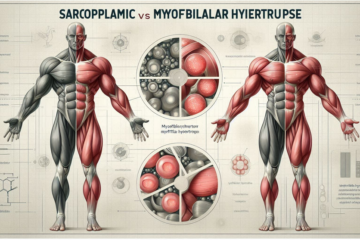
This controlled approach balances sarcoplasmic and myofibrillar adaptations, promoting increases in both muscle cross-sectional area and contractile quality. Unlike traditional hypertrophy methods, which rely primarily on set volume or time under tension, VBT emphasizes the intensity of effort per repetition, ensuring that the muscle is fully stimulated while minimizing unnecessary structural damage. This also reduces the risk of overtraining and accelerates recovery between sessions.
Additionally, VBT facilitates auto regulation, enabling real-time adjustments to load, repetitions, or rest based on actual performance rather than predetermined percentages. This ensures that athletes maintain training quality even on days with reduced readiness due to fatigue, stress, or travel. By integrating VBT into hypertrophy programming, athletes can achieve muscle growth that is both effective and sustainable, while simultaneously preserving the neuromuscular qualities that support strength and explosive performance, creating a more comprehensive, adaptable training system.
4. Fatigue Monitoring and Auto regulation
Effective training for strength, power, and hypertrophy requires not only precise load prescription but also careful fatigue management. Velocity-Based Training (VBT) provides a powerful tool for objective fatigue monitoring and auto regulation, replacing the subjective nature of traditional rating of perceived exertion (RPE) with real-time performance metrics. By tracking bar velocity throughout a set, coaches and athletes can identify when neuromuscular performance begins to decline, signaling the onset of fatigue. Velocity loss thresholds (VLTs) act as clear, quantitative markers, allowing sets to be terminated before excessive fatigue impairs movement quality or increases injury risk.
Auto regulation also enables dynamic adjustment of training volume and intensity. If an athlete’s bar speed consistently falls below target velocity zones, subsequent sets can be reduced in load, repetitions, or rest, ensuring that neuromuscular quality is preserved. Conversely, on days of heightened readiness, athletes can safely push closer to their maximal capacity without risking overtraining. Daily readiness assessments—such as measuring movement velocity in warm-up sets—provide further insight into systemic fatigue, informing modifications to training for both acute sessions and longer-term per iodization.
By integrating VBT for fatigue monitoring and auto regulation, coaches ensure that every repetition is performed with maximal intent and quality, optimizing adaptation while reducing unnecessary stress on the musculoskeletal and nervous systems. This approach bridges the gap between rigid programming and individualized athlete readiness, enhancing performance outcomes across strength, power, and explosive training modalities.
5. Integration with Traditional Per iodization
Velocity-Based Training (VBT) integrates seamlessly with traditional per iodization models, including linear, block, and undulating approaches, offering an added layer of auto regulation and objective feedback. While traditional per iodization relies on predetermined percentages of one-repetition maximum (1RM), VBT provides real-time data on an athlete’s neuromuscular readiness, allowing coaches to adjust load, sets, reps, and rest dynamically based on actual performance rather than theoretical calculations. This integration enhances both training precision and overall adaptation, ensuring athletes train at intensities that align with their current physiological state.
In linear per iodization, VBT can guide the gradual increase in load while maintaining target velocities, helping athletes progress without exceeding fatigue thresholds. For block per iodization, velocity tracking ensures that accumulation, transmutation, and realization phases are optimized for explosive power and RFD development. Even in undulating per iodization, where load and volume fluctuate daily, VBT allows auto regulation so each session maximizes neuromuscular output while minimizing injury risk.
By continuously monitoring bar velocity, coaches can implement progressive overload more intelligently, ensuring that the stimulus is neither insufficient nor excessive. This reduces the likelihood of stagnation, overtraining, or compensatory movement patterns. Ultimately, integrating VBT with traditional per iodization creates a hybrid training system, combining the structure of per iodized programming with the flexibility of auto regulated, data-driven decision-making. This approach maximizes strength, power, and explosive development in a scientifically grounded, athlete-centered manner.
6. Practical Applications and Case Studies
Velocity-Based Training (VBT) has broad applicability across multiple sports and athlete populations, allowing coaches to tailor explosive and strength development programs with precision. In power lifting, VBT enables heavy squat, bench, and deadlight sessions to be optimized for maximal strength while reducing the risk of overreaching. By monitoring bar speed during lifts, athletes can terminate sets before excessive fatigue diminishes movement quality, ensuring that every repetition contributes to neuromuscular adaptation. This approach enhances both training efficiency and competitive performance, especially during peaking phases.
In Olympic weightlifting, where technique and explosive power are paramount, VBT provides critical feedback on pulls, squats, presses, and snatch or clean variations. Real-time velocity monitoring allows athletes to refine technique while maintaining optimal load-velocity zones, improving rate of force development and early-phase explosive output. Cluster sets, contrast methods, and targeted load adjustments ensure that skill and strength progress simultaneously.
Team sports also benefit from VBT integration. Sprinters, football, rugby, and basketball athletes can enhance fast-twitch fiber recruitment, jump height, and sprint acceleration by targeting velocity zones aligned with sport-specific explosive movements. Coaches can incorporate VBT into polymeric circuits, weighted jumps, and Olympic lift derivatives, balancing power development with fatigue management. Collectively, these case studies demonstrate that VBT is a versatile, evidence-based tool capable of improving performance across strength, power, and team-based athletic disciplines while maintaining safety and efficiency.
Conclusion
Velocity-based training represents a paradigm shift in strength and power programming. Unlike traditional percentage-based methods, which assume constant capacity, VBT adjusts intensity and volume in real time, reflecting daily neuromuscular readiness, fatigue, and recovery status. By monitoring bar speed, athletes can target specific adaptation zones—maximal strength, power, or hypertrophy—while minimizing unnecessary fatigue and reducing injury risk. Load-velocity profiling provides a personalized roadmap for training, enabling precise estimation of 1RM, auto regulated progression, and objective monitoring of performance trends.
Strength athletes benefit from VBT through enhanced explosive power, rate of force development, and muscular endurance, as well as improved training efficiency and recovery management. Integrating VBT into per iodized programs allows for dynamic modulation of load, volume, and rest, ensuring every repetition contributes meaningfully to adaptation. Moreover, velocity loss thresholds provide actionable feedback for auto regulating fatigue, maintaining neuromuscular quality, and optimizing long-term progression.
In practice, VBT is applicable across disciplines—from power lifting and Olympic weightlifting to team sports and general strength conditioning—offering a scientific, individualized approach to maximize performance, size, and functional strength. By embracing velocity-based programming, strength athletes and coaches gain a data-driven tool that bridges the gap between theoretical planning and practical execution, ensuring that every training session is optimized for measurable outcomes, sustainable adaptation, and competitive success.
SOURCES
Jovanović & Flanagan (2014) – The role of velocity-based training in strength development
Gonzalez-Bandello et al. (2011) – Load-velocity relationships in elite athletes
Parana-Blanco et al. (2017) – Velocity loss thresholds and hypertrophy
Cormier et al. (2011) – Power adaptations with VBT
Huff et al. (2015) – Auto regulation strategies using velocity feedback
Sanchez-Medina et al. (2010) – Fatigue monitoring via bar velocity
Weakley et al. (2020) – Practical applications of velocity-based programming
Barnyard et al. (2017) – Load-velocity profiling for strength athletes
Gonzalez-Bandello & Sanchez-Medina (2010) – Effects of velocity monitoring on training outcomes
Miller et al. (2018) – VBT in collegiate sports
Huff & Nymphets (2012) – Strength and power per iodization with VBT
Arias et al. (2019) – Bar speed as a marker of neuromuscular readiness
Martinez-Cava et al. (2020) – Velocity-based power training in resistance athletes
Barnyard et al. (2019) – VBT for auto regulation in competitive strength training
Parana-Blanco et al. (2016) – Neuromuscular adaptations to velocity-based resistance training
Gonzalez-Bandello et al. (2014) – Tracking strength and power adaptations using bar velocity
Weakley et al. (2021) – Evidence-based applications of VBT
Sanchez-Medina & Gonzalez-Bandello (2011) – Monitoring fatigue and adaptation via velocity
Huff et al. (2021) – Per iodization and velocity-based programming
Barnyard & Osaka (2018) – Individualized VBT strategies
Jovanović et al. (2020) – Predicting performance using load-velocity profiling
Cormier et al. (2010) – High-velocity resistance training and explosive performance
Parana-Blanco et al. (2018) – VBT and hypertrophic outcomes
Gonzalez-Bandello et al. (2015) – Strength monitoring through bar speed
Weakley et al. (2019) – Practical guidelines for velocity-based training
HISTORY
Current Version
Dec 02, 2025
Written By
ASIFA


0 Comments