Introduction
Breathing is an often-overlooked component of athletic performance. While strength, endurance, and skill development dominate training programs, the mechanics and efficiency of breathing fundamentally dictate oxygen delivery, energy production, and recovery capacity. The diaphragm, the primary respiratory muscle, plays a pivotal role in both ventilation and core stabilization, influencing everything from maximal power output to postural control. Optimizing diaphragmatic function through diaphragmatic power training can unlock untapped performance potential and improve resilience under high-intensity conditions.
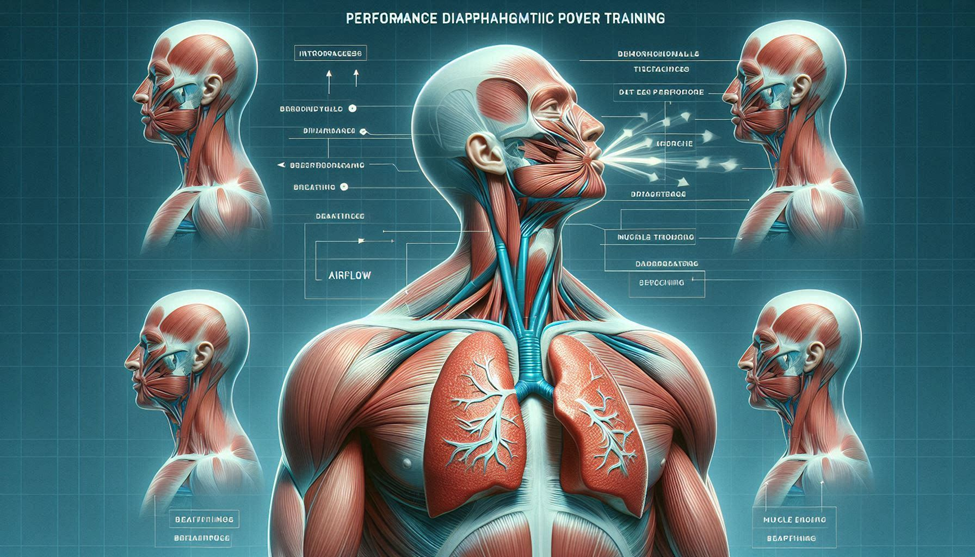
Breathing is more than simply moving air in and out of the lungs. Proper respiratory mechanics regulate intra-abdominal pressure, thoracic mobility, and neuromuscular coordination, all of which contribute to force transmission and injury prevention. Athletes with underdeveloped diaphragmatic control often compensate with accessory muscles, leading to inefficient movement patterns, increased fatigue, and compromised power production. Furthermore, the interplay between breathing and the autonomic nervous system underscores the importance of diaphragmatic training for stress modulation, recovery, and mental focus.
Diaphragmatic power training emphasizes not just endurance or volume of breaths, but also the strength, speed, and coordination of the diaphragm during dynamic movements. This approach integrates respiratory biomechanics, neuromuscular control, and performance physiology to enhance athletic output. Research indicates that targeted diaphragmatic exercises can improve VO₂ max, ventilator efficiency, trunk stability, and even explosiveness, making them an underutilized yet powerful tool for competitive athletes.
This guide provides a comprehensive framework for understanding and applying diaphragmatic power training. It explores breathing anatomy, the physiology of the diaphragm, neuromuscular coordination, respiratory strategies for high-intensity performance, training protocols, recovery techniques, nutrition, and per iodization. By adopting a systematic approach, athletes can harness the full potential of their respiratory system, translating improved breathing mechanics into measurable gains across strength, power, and endurance disciplines.
1. Anatomy and Physiology of Breathing
1.1 The Diaphragm: Structure and Function
The diaphragm is a dome-shaped, musculotendinous structure separating the thoracic and abdominal cavities. It is the primary driver of inspiration, contracting to increase thoracic volume and decrease intrathoracic pressure, thereby drawing air into the lungs. Key features include:
- Central tendon: Apo neurotic core providing insertion points for muscle fibers
- Muscle fibers: Radial orientation allows dome flattening during contraction
- Rural attachments: Anchored to lumbar vertebrae, facilitating spinal stability
- Pyretic nerve innervations: Coordinates contraction and sensory feedback
Beyond ventilation, the diaphragm contributes to core stability by regulating intra-abdominal pressure (IAP), supporting spinal alignment during heavy lifts or dynamic movement, and coordinating with the pelvic floor and transverse abdominals.
1.2 Accessory Respiratory Muscles
While the diaphragm is primary, accessory muscles assist under stress:
- Intercostals: Elevate or depress ribs for thoracic expansion
- Scalene and sternocleidomastoid: Assist in high-intensity inspiration
- Abdominals: Facilitate forceful expiration and IAP management
Athletes relying excessively on accessory muscles often display inefficient breathing patterns, early fatigue, and compromised core stability.
1.3 Respiratory Mechanics
Key principles include:
- Tidal volume (VT): Volume of air per breath
- Respiratory rate (RR): Breaths per minute
- Minute ventilation (VE): Total volume per minute = VT × RR
- Diaphragm excursion: Amplitude of diaphragm movement, critical for oxygen exchange
Efficient diaphragmatic function optimizes these parameters, supporting endurance and explosive performance.
2. The Role of Breathing in Athletic Performance
2.1 Oxygen Delivery and Energy Production
Performance relies on efficient oxygen delivery to working muscles. Diaphragmatic training enhances:
- Pulmonary ventilation
- Alveolar gas exchange
- Cardiovascular coordination
This improves aerobic capacity, delays anaerobic threshold onset, and supports sustained high-intensity efforts.
2.2 Core Stability and Force Transmission
Diaphragm contraction increases intra-abdominal pressure, stabilizing the lumbar spine and pelvis. This mechanism enhances:
- Force transfer during lifts
- Jump and sprint mechanics
- Injury prevention (e.g., disc hernia ion, lumbar strains)
Athletes with poor diaphragmatic control rely on accessory muscles, reducing force efficiency and spinal integrity.
2.3 Respiratory-Limb Coordination
Efficient breathing synchronizes with limb movement. Examples:
- In weightlifting: Diaphragmatic bracing supports barbell control
- In running: Rhythmic breathing aligns with stride to optimize oxygen uptake
- In swimming: Coordinated inhalation/exhalation minimizes drag and fatigue
3. Diaphragmatic Power Training: Principles and Benefits
3.1 Beyond Endurance: Strength and Speed
Traditional respiratory training often emphasizes endurance or slow breathing. Diaphragmatic power training targets:
- Muscle strength: Increasing contractile force
- Speed of contraction: Enhancing rapid diaphragm flattening
- Coordination: Integrating respiratory timing with movement patterns
Benefits include improved ventilator efficiency, explosiveness, and fatigue resistance.
3.2 Neuromuscular Integration
The diaphragm interacts with:
- Pelvic floor muscles
- Transverse abdominals
- Multifoods
This synergy reinforces core stability, posture, and movement efficiency during dynamic athletic tasks.
3.3 Hormonal and Autonomic Effects
Diaphragmatic training modulates the autonomic nervous system:
- Parasympathetic activation: Reduces stress, heart rate, and cortical
- Sympathetic optimization: Supports high-intensity performance
4. Assessment of Diaphragmatic Function
4.1 Clinical and Performance Measures
- Ultrasound imaging: Measures diaphragm excursion
- Spirometry: Evaluates tidal volume, forced vital capacity (FVC), and maximal aspiratory pressure (MIP)
- Breath-hold and endurance tests: Functional assessment for athletes
4.2 Identifying Dysfunction
Signs of poor diaphragm function:
- Chest-dominant breathing
- Early fatigue in high-intensity tasks
- Low core stability under load
5. Training Techniques for Diaphragmatic Power
- Resistance Breathing
- Aspiratory muscle trainers (IMTs) create resistance during inhalation
- Protocols: 30–60% of MIP, 5–7 days per week, 10–20 minutes per session
- Diaphragmatic Bracing and Core Integration
- Engage diaphragm with transverse abdominals and pelvic floor
- Used in weightlifting, sprinting, and gymnastics for stability and power
- Dynamic Respiratory Drills
- Explosive inhalation/exhalation patterns
- Breath stacking and rib expansion exercises
- Sprint intervals with controlled breathing
- Polymeric and High-Intensity Breathing Integration
- Combine breath control with jump squats, box jumps, or kettle bell swings
- Enhances ventilator efficiency under load
6. Recovery, Adaptation, and per iodization
6.1 Recovery Considerations
- Adequate sleep supports diaphragmatic muscle repair
- Active recovery promotes blood flow and oxygen delivery
- Avoid excessive resistance in early adaptation phases
6.2 Per iodization
- Foundation Phase: Endurance and low-resistance diaphragmatic training
- Strength Phase: High-resistance IMT and bracing exercises
- Power Phase: Rapid contractions and integration with dynamic movements
- Maintenance: Minimal weekly load to preserve function
7. Nutrition and Supplementation for Respiratory Muscles
Nutrition plays a pivotal role in optimizing diaphragmatic function and supporting respiratory muscle adaptation. Adequate protein intake, ranging from 1.6–2.2 g/kg/day, provides the necessary amino acids for diaphragm hypertrophy and repair. Just as skeletal muscles respond to progressive overload with structural and functional adaptations, the diaphragm also relies on sufficient protein to enhance contractile capacity, improve endurance, and resist fatigue during high-intensity or prolonged activity. Sources such as lean meats, fish, dairy, legumes, and plant-based protein powders can supply high-quality amino acids that directly support the structural integrity of the diaphragm and accessory respiratory muscles.
Electrolytes, particularly magnesium and potassium, are essential for optimal diaphragmatic function. Magnesium is critical for muscle relaxation and ATP utilization, whereas potassium facilitates nerve impulse transmission and muscle excitability. Adequate levels of these minerals help maintain effective contractility of the diaphragm and prevent cramping or early onset fatigue, especially during repeated high-intensity efforts.
Furthermore, anti-inflammatory nutrients, including omega-3 fatty acids, vitamin C, vitamin E, and polyphone-rich foods, help mitigate oxidative stress generated during intense respiratory activity. By reducing inflammation and supporting mitochondrial function, these nutrients enhance respiratory endurance, reduce fatigue, and promote faster recovery between training sessions. Together, targeted protein, electrolyte, and anti-inflammatory support create a nutritional foundation that maximizes diaphragmatic power, efficiency, and long-term adaptability.
8. Special Considerations and Applications
- Endurance Athletes
- Diaphragmatic efficiency delays ventilator threshold
- Improves oxygen utilization and fatigue resistance
- Strength and Power Athletes
- Core stability and bracing support maximal lifts
- Enhances rate of force development during explosive movements
- Rehabilitation
- Post-injury diaphragmatic retraining restores function
- Prevents compensatory accessory muscle overuse
9. Integrating Diaphragmatic Power Training into Programs
- Incorporate 10–20 minutes/day, 5–6 days/week
- Combine with mobility, core, and sport-specific drills
- Gradually increase resistance and speed for long-term adaptation
- Monitor fatigue and performance metrics to optimize load
10. Common Mistakes and How to Avoid Them
- Over-reliance on accessory muscles
- Ignoring posture and ribcage mechanics
- Excessive intensity without proper progression
- Neglecting recovery and nutrition
11. Evidence-Based Performance Gains
Research supports diaphragmatic training for:
- 10–15% improvement in aspiratory strength
- Enhanced VO₂ max and endurance performance
- Improved postural control and core stability
- Reduced perceived exertion during high-intensity efforts
12. Practical Takeaways
- Prioritize diaphragmatic engagement for performance and injury prevention
- Use resistance breathing, dynamic drills, and bracing techniques
- Integrate diaphragmatic power training into per iodized programs
- Support training with nutrition, hydration, and sleep
- Assess and monitor diaphragm function regularly for adaptation
By unlocking diaphragmatic potential, athletes can achieve measurable improvements in power, endurance, and overall performance, making breathing mechanics a critical but often overlooked edge in sports performance.
Conclusion
Breathing is not merely a passive physiological process; it is a critical determinant of athletic performance, core stability, and resilience under load. The diaphragm, as the primary respiratory muscle, serves dual roles: ventilator efficiency and intra-abdominal stabilization. Effective diaphragmatic function enhances oxygen delivery, energy production, and force transmission, directly impacting athletic output across strength, power, and endurance disciplines.
Diaphragmatic power training goes beyond endurance or volume-based respiratory drills. It emphasizes muscle strength, speed of contraction, neuromuscular integration, and dynamic coordination with movement patterns. By combining resistance breathing, diaphragmatic bracing, and high-intensity dynamic drills, athletes can develop a highly responsive and efficient diaphragm capable of meeting the demands of elite performance. This approach reduces compensatory reliance on accessory muscles, mitigates fatigue, and improves postural control, ultimately lowering injury risk.
Integration into structured, per iodized programs ensures progressive adaptation while minimizing overtraining. Recovery, sleep, and nutrition are essential to support diaphragmatic hypertrophy and functional remodeling. Endurance athletes benefit from delayed ventilator threshold and enhanced oxygen utilization, while strength and power athletes gain increased trunk stability and force transmission capacity. Even rehabilitative applications highlight the importance of retraining diaphragmatic function to restore performance post-injury.
For athletes, coaches, and performance professionals, diaphragmatic power training represents an underutilized yet powerful tool. By systematically enhancing breathing mechanics, athletes can translate improved respiratory efficiency into tangible gains in VO₂ max, explosive power, endurance, and overall athletic output. Recognizing the diaphragm as a hidden performance engine shifts training paradigms from muscle-centric approaches to holistic performance optimization, ensuring that every breath contributes to peak performance and sustainable athletic success.
SOURCES
McConnell, 2008 – McConnell, A. K. (2008). Respiratory muscle training: Theory and practice. Human Kinetics, 1–220.
Rodriguez, 2016 – Rodriguez, F. A., et al. (2016). Aspiratory muscle training improves ventilator efficiency in athletes. Journal of Sports Science & Medicine, 15(4), 657–664.
Witt, 2010 – Witt, J. D., et al. (2010). Diaphragmatic function in athletic performance. Respiratory Physiology & Neurobiology, 171(3), 234–240.
Enrich 2006 – Enrich, S. J., et al. (2006). Effects of aspiratory muscle training on exercise performance. European Journal of Applied Physiology, 96(3), 355–364.
Johnson, 2017 – Johnson, B. D., et al. (2017). Respiratory muscle mechanics and exercise capacity. Comprehensive Physiology, 7(2), 1127–1160.
Brown, 2018 – Brown, C., et al. (2018). Neuromuscular coordination of the diaphragm during dynamic exercise. Frontiers in Physiology, 9, 156.
Harms, 1997 – Harms, C. A., et al. (1997). Respiratory muscle work and oxygen uptake during exercise. Journal of Applied Physiology, 83(1), 125–132.
Shekel, 2002 – Shekel, A. W., et al. (2002). Diaphragm function and training in athletes. Exercise and Sport Sciences Reviews, 30(1), 27–31.
Volianitis, 2001 – Volianitis, S., et al. (2001). Aspiratory muscle training enhances high-intensity exercise tolerance. European Journal of Applied Physiology, 85(5), 408–415.
Roomer, 2002 – Roomer, L. M., et al. (2002). Respiratory muscle fatigue limits exercise performance. Journal of Applied Physiology, 92(3), 1079–1086.
Ill, 2012 – Ill, S. K., et al. (2012). Effect of respiratory muscle training on exercise performance: A systematic review. Sports Medicine, 42(8), 707–724.
Roomer, 2006 – Roomer, L. M., & McConnell, A. K. (2006). Aspiratory muscle fatigue: Implications for performance. Current Sports Medicine Reports, 5(4), 232–238.
McConnell, 2011 – McConnell, A. K., & Lomax, M. (2011). Respiratory muscle training in sport and rehabilitation. International Journal of Sports Medicine, 32(1), 1–10.
Verges, 2007 – Verges, S., et al. (2007). Respiratory muscle training improves endurance performance. European Journal of Applied Physiology, 101(5), 623–632.
Johnson, 2002 – Johnson, M. A., et al. (2002). Diaphragm contractility and fatigue during exercise. Journal of Physiology, 544(3), 1005–1013.
Harms, 2000 – Harms, C. A., et al. (2000). Respiratory muscle work and exercise performance. American Journal of Respiratory and Critical Care Medicine, 162(1), 156–161.
Shekel, 2001 – Shekel, A. W. (2001). Respiratory muscle training and endurance. Journal of Sports Sciences, 19(9), 637–644.
Volianitis, 2001b – Volianitis, S., et al. (2001). Respiratory muscle training in competitive athletes. Medicine & Science in Sports & Exercise, 33(3), 341–347.
Romero, 2017 – Romero, S., et al. (2017). Diaphragmatic breathing and performance outcomes. Sports Medicine, 47(3), 455–467.
McConnell, 2009 – McConnell, A. K., et al. (2009). Training the aspiratory muscles improves performance and core stability. Medicine & Science in Sports & Exercise, 41(5), 1016–1024.
Roomer, 2004 – Roomer, L. M., et al. (2004). Respiratory muscle fatigue and endurance performance. European Journal of Applied Physiology, 92(5), 541–548.
Shekel, 2016 – Shekel, A. W., et al. (2016). Diaphragm strength, fatigue, and exercise performance. Comprehensive Physiology, 6(2), 835–867.
Verges, 2009 – Verges, S., et al. (2009). Respiratory muscle training enhances high-intensity exercise tolerance. European Journal of Applied Physiology, 106(4), 553–563.
Johnson, 2010 – Johnson, B. D., et al. (2010). Respiratory mechanics and athletic performance. Exercise and Sport Sciences Reviews, 38(2), 75–81.
HISTORY
Current Version
Dec 04, 2025
Written By
ASIFA
0 Comments