Introduction
The pursuit of health for women has historically been reactionary, often focused on treating illness and managing symptoms as they arise. However, a paradigm shift toward prevention offers a far more powerful and transformative approach. Preventive healthcare—encompassing screenings, vaccinations, lifestyle modifications, and proactive risk assessment—serves as the cornerstone for safeguarding not only longevity but, more critically, the quality of life across a woman’s entire lifespan. Quality of life is a multidimensional construct that includes physical functioning, emotional and psychological well-being, social engagement, and the freedom from debilitating symptoms and chronic disease. For women, whose health journeys are uniquely shaped by biological milestones like menstruation, pregnancy, and menopause, as well as by persistent social and economic determinants, a preventive framework is not merely beneficial but essential. It empowers women with knowledge and agency, intercepts diseases at their earliest and most treatable stages, mitigates long-term disability, and preserves vitality and independence. This exploration delves into the critical role of preventive healthcare in enhancing women’s daily lived experience, examining its application through key strategies: routine screenings and immunizations, lifestyle and behavioral interventions, mental and emotional health preservation, and the management of reproductive and hormonal health transitions. By investing in prevention, we invest in a future where women can thrive, unimpeded by preventable suffering, and fully participate in all aspects of life.
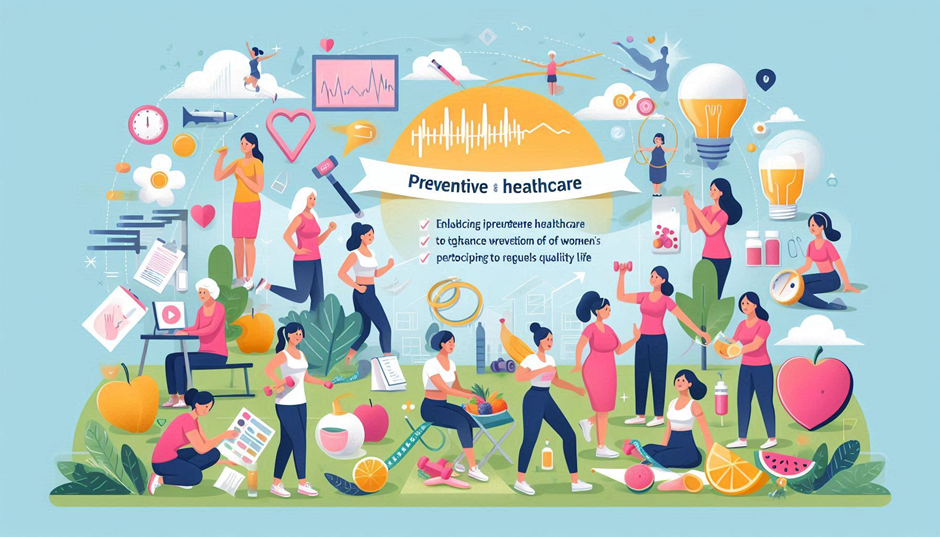
1. Routine Screenings and Immunizations: The Foundation of Early Detection and Defense
Routine screenings and immunizations constitute the most concrete and evidence-based pillar of preventive healthcare, acting as a systematic defense against some of the most significant threats to women’s health and quality of life. The primary objective of screening is to detect disease in its preclinical or early symptomatic stages, when intervention is most likely to be effective, less invasive, and less disruptive to a woman’s life. For cancers, early detection is often the difference between a treatable condition and a life-limiting one. Breast cancer screening via mammography, guided by individualized risk assessments that consider family history and genetic markers like BRCA, remains a paramount tool. Regular screening can identify tumors when they are small and localized, vastly expanding treatment options and improving survival rates while often allowing for less radical interventions, thereby preserving body image and reducing physical morbidity. Similarly, cervical cancer screening has been revolutionized by the understanding of Human Papillomavirus (HPV). The Pap smear, and now primary HPV testing, can detect precancerous cellular changes, allowing for simple outpatient procedures to prevent cancer from developing at all. The HPV vaccine itself represents a monumental triumph of primary prevention, offering near-complete protection against the strains responsible for the vast majority of cervical, anal, and oropharyngeal cancers, effectively turning a deadly disease into a preventable one. Colorectal cancer screening, increasingly important as women age, uses colonoscopy or stool-based tests to find and remove precancerous polyps, preventing cancer outright.
Beyond oncology, a robust preventive schedule includes screenings for conditions that silently erode health and function. Bone density screening (DEXA scan) for osteoporosis, recommended for all women post-menopause and earlier for those with risk factors, identifies bone loss before a debilitating fracture occurs. A hip or vertebral fracture can result in chronic pain, loss of independence, diminished mobility, and a severe decline in quality of life; early detection allows for interventions with nutrition, exercise, and medications to strengthen bone and prevent such catastrophic events. Cardiovascular risk screening, including regular checks of blood pressure, cholesterol, and blood glucose, is critical. Hypertension and dyslipidemia are frequently asymptomatic until they cause a heart attack or stroke. Managing these risks through early identification and lifestyle or pharmacologic intervention directly preserves cognitive function, physical capacity, and autonomy. Immunizations extend this protective shield across the lifespan. Beyond HPV, the annual influenza vaccine, tetanus boosters, and vaccines for pneumonia, shingles, and COVID-19 are vital for maintaining health, preventing hospitalizations, and protecting against complications that can lead to long-term disability. The integration of these screenings and vaccines into a woman’s lifelong care plan, adjusted for her age, genetics, and personal risk profile, transforms healthcare from a sporadic response to crisis into a continuous, proactive partnership focused on preserving wellness and preventing the profound disruptions to quality of life that advanced disease invariably brings.
2. Lifestyle and Behavioral Interventions: Cultivating Resilience from Within
While screenings detect problems early, lifestyle and behavioral interventions aim to prevent them from arising in the first place. This pillar of prevention is fundamentally empowering, placing a significant degree of control over health outcomes directly into a woman’s hands. The cumulative impact of daily choices on long-term quality of life is profound, influencing energy levels, mental acuity, emotional stability, and physical resilience. Nutrition is a primary lever. A diet rich in whole foods—fruits, vegetables, whole grains, lean proteins, and healthy fats—provides the essential nutrients for optimal cellular function, hormonal balance, and inflammation control. Specific nutritional focuses are vital at different stages: ensuring adequate iron and calcium intake in adolescence and the reproductive years; emphasizing folate before and during pregnancy; and prioritizing heart-healthy and bone-supportive nutrients in midlife and beyond. Conversely, diets high in processed foods, sugars, and unhealthy fats contribute to obesity, type 2 diabetes, cardiovascular disease, and certain cancers, all of which dramatically compromise daily function and life expectancy. Coupled with nutrition, regular physical activity is a non-negotiable component of preventive health. Exercise is a poly-pill: it strengthens the cardiovascular system, builds and maintains bone density and muscle mass (critical for preventing sarcopenia in aging), improves insulin sensitivity, enhances mood through endorphin release, reduces stress and anxiety, and promotes better sleep. The goal is consistent movement that is sustainable and enjoyable, whether it is brisk walking, strength training, yoga, or dancing, as this consistency is what yields lifelong benefits.
Sleep hygiene represents another critical, yet often neglected, behavioral domain. Chronic sleep deprivation or poor-quality sleep is linked to a heightened risk of obesity, diabetes, cardiovascular disease, depression, and impaired immune function. For women, who often juggle multiple caregiving and professional roles, prioritizing sleep can be challenging, but its restoration is essential for cognitive function, emotional regulation, and overall vitality. Stress management is equally crucial. The physiological effects of chronic, unmanaged stress—elevated cortisol, inflammation, hypertension—are insidious contributors to nearly every major chronic disease. Techniques such as mindfulness meditation, deep-breathing exercises, time in nature, and engaging in hobbies are not indulgences but essential preventive strategies that protect the body from the wear and tear of stress. Finally, the avoidance of harmful substances, particularly tobacco and excessive alcohol, is a clear preventive imperative. Smoking is a leading cause of preventable death for women, directly causing lung cancer, cardiovascular disease, and accelerating skin aging and menopause. Even moderate alcohol consumption is associated with an increased risk of breast cancer. Educating women on these risks and supporting cessation and moderation efforts are direct investments in their future quality of life. By integrating these lifestyle pillars into public health messaging and clinical counseling, healthcare providers can guide women in building daily habits that forge a foundation of resilience, reducing disease risk and actively enhancing their capacity for engagement, joy, and productivity throughout life.
3. Mental and Emotional Health Preservation: The Core of Holistic Well-being
Preventive healthcare is incomplete without a dedicated focus on mental and emotional well-being. Mental health is not merely the absence of clinical disorders like depression or anxiety; it is a positive state of psychological resilience, emotional balance, and social connectedness that forms the very core of life quality. For women, who experience higher rates of depression, anxiety, and post-traumatic stress disorder, and who face unique psychosocial stressors including gender-based violence, pay inequality, and disproportionate caregiving burdens, proactive mental health preservation is a critical form of prevention. The first step is the destigmatization of mental health concerns within clinical settings and society at large, encouraging open dialogue and help-seeking behavior. Routine screening for common mental health conditions during primary care visits, well-woman exams, and perinatal check-ups is a vital preventive tool. Just as one screens for blood pressure, using validated tools to screen for depression, anxiety, and intimate partner violence can identify suffering early, often before it becomes severe and disabling. The perinatal period is a particularly crucial window, where screening for postpartum depression and anxiety can prevent long-term consequences for the mother, infant, and entire family unit.
Beyond screening, preventive strategies for mental health involve building psychological assets and creating supportive environments. This includes promoting social connection and combating loneliness, which is a significant risk factor for depression and cognitive decline, especially in older women. Encouraging participation in community groups, volunteering, or maintaining strong friendship networks acts as a buffer against stress. Fostering emotional literacy and coping skills from adolescence onward—teaching techniques for cognitive reframing, distress tolerance, and mindfulness—equips women to navigate life’s inevitable challenges without being overwhelmed by them. Furthermore, addressing the social determinants of mental health is a macro-level preventive measure. Policies that support equitable parental leave, affordable childcare, workplace flexibility, and economic security directly reduce the chronic stressors that erode mental health. Trauma-informed care, which recognizes the widespread impact of trauma and creates avenues for healing, is another essential component. For survivors of violence or abuse, access to therapy and support groups is not just treatment but prevention against the compounding effects of unresolved trauma, such as substance use, self-harm, and chronic health conditions. By viewing mental health with the same preventive rigor as physical health, we acknowledge that a woman’s quality of life is inextricably linked to her inner world. A preventive approach seeks to fortify this inner world, ensuring emotional and psychological well-being is not an afterthought but a central, sustained priority throughout her life.
4. Navigating Reproductive and Hormonal Health Transitions: Proactive Management for Sustained Vitality
Women’s biology is defined by distinct hormonal life stages—menarche, the reproductive years, perimenopause, and menopause. Each transition brings specific health considerations and potential challenges that, if managed proactively, can preserve quality of life and prevent downstream chronic conditions. Preventive care in this context means providing education, tools, and support to navigate these transitions smoothly, rather than merely treating their consequences. Beginning with adolescence, comprehensive sexual and reproductive health education is a fundamental preventive act. It empowers young women with knowledge about their bodies, normal menstrual cycles, and contraceptive options, enabling them to make informed choices that prevent unintended pregnancies and sexually transmitted infections. It also teaches them to recognize abnormalities, such as symptoms of PCOS or endometriosis, encouraging early intervention that can preserve fertility and prevent years of pain and dysfunction.
During the reproductive years, preventive care centers on preconception counseling and prenatal care. Preconception health—optimizing chronic conditions, achieving a healthy weight, supplementing with folic acid—is one of the most powerful interventions to prevent adverse pregnancy outcomes like neural tube defects, preterm birth, and gestational diabetes, all of which have long-term implications for both mother and child. Quality prenatal care monitors for and manages these conditions, protecting maternal health and fetal development. Access to a full range of contraceptive methods is itself preventive, allowing women to time and space pregnancies optimally for their physical, mental, and socioeconomic well-being. The perimenopausal transition demands a particularly proactive preventive approach. Rather than dismissing symptoms like hot flashes, sleep disturbance, mood changes, and genitourinary discomfort as inevitable, modern preventive healthcare actively manages them to protect quality of life and long-term health. Discussing treatment options, such as menopausal hormone therapy (MHT) for appropriate candidates, can alleviate debilitating symptoms and improve sleep and mood, thereby protecting cognitive function and daily functioning. Moreover, perimenopause is a critical window for reinforcing bone and heart health. Proactively assessing bone density and cardiovascular risk factors, and intensifying lifestyle or medical interventions, can prevent osteoporosis and heart disease—the leading causes of morbidity and mortality in postmenopausal women. For genitourinary symptoms, early use of local vaginal estrogen or other moisturizers prevents progressive atrophy, preserving sexual health and comfort and preventing recurrent urinary tract infections. By framing these hormonal transitions not as pathologies but as natural phases requiring informed navigation and support, preventive healthcare empowers women to move through them with minimal disruption, maintaining their vitality, relationships, and engagement in life’s activities.
Conclusion
Preventive healthcare represents a profound commitment to the dignity and potential of women’s lives. It is a philosophy that shifts the focus from treating sickness to actively cultivating wellness, recognizing that the true measure of a healthcare system is not only in extending life but in enhancing the quality of every day lived. Through the synergistic application of routine screenings and immunizations, lifestyle and behavioral foundations, mental and emotional health preservation, and proactive management of hormonal transitions, women are equipped to steer their health destinies. This approach mitigates the physical and emotional toll of advanced disease, reduces the burden on healthcare systems, and, most importantly, safeguards the attributes that make life meaningful: independence, energy, cognitive clarity, emotional peace, and the capacity for joy and connection. The journey toward universal, equitable access to comprehensive preventive care for all women, regardless of background or circumstance, remains an imperative. By embracing and investing in prevention, we affirm a future where women are not merely surviving but thriving across every chapter of their lives, free to pursue their aspirations unencumbered by preventable health burdens. The quality of a woman’s life, therefore, becomes the ultimate metric of successful healthcare.
SOURCES
American College of Obstetricians and Gynecologists. (2021). Well-Woman Visit (Committee Opinion No. 755). Obstetrics & Gynecology.
Centers for Disease Control and Prevention. (2023). Preventive Care for Women. U.S. Department of Health & Human Services.
Manson, J. E., & Bassuk, S. S. (2022). The menopause transition and postmenopausal health: A clinical guide. JAMA, *327*(10), 957–958.
Office on Women’s Health. (2022). Preventive health screenings for women. U.S. Department of Health & Human Services.
Patnode, C. D., Perdue, L. A., Rossom, R. C., Rushkin, M. C., Redmond, N., Thomas, R. G., & Lin, J. S. (2021). Screening for anxiety, depression, and suicide risk in adults: A systematic evidence review for the U.S. Preventive Services Task Force. JAMA, *325*(21), 2179–2191.
U.S. Preventive Services Task Force. (2023). Recommendations for Women. Agency for Healthcare Research and Quality.
World Health Organization. (2021). Women’s health: A focus on prevention. WHO Press.
HISTORY
Current Version
Dec 22, 2025
Written By
BARIRA MEHMOOD



0 Comments