Introduction
The pursuit of health equity—the fair and just opportunity for all to attain their highest level of health—remains a central, yet elusive, goal of modern medicine. Within this broad challenge, a persistent and multifaceted disparity exists along gender lines, one that extends beyond biological difference to encompass deep-seated systemic, economic, and sociocultural inequalities. The gender gap in healthcare is a pervasive global phenomenon that results in the systematic under-diagnosis, under-treatment, and under-researching of women’s health conditions. This gap is not merely a women’s issue; it is a critical indicator of a healthcare system’s overall efficacy, equity, and scientific rigor. For centuries, the male body and the male experience have been treated as the default human model in medical research, clinical practice, and education. This androcentric bias has created a vast knowledge chasm, leaving women’s unique physiology, symptomatology, and health journeys inadequately understood and often dangerously overlooked. The consequences are profound, measurable, and borne by half the world’s population in the form of delayed diagnoses, inappropriate treatments, diminished quality of life, and preventable mortality. Addressing this gap is not about providing special or preferential treatment for women, but rather about correcting a historical and ongoing neglect to ensure that healthcare is responsive, evidence-based, and equitable for all. This examination delves into the core dimensions of the gender gap in healthcare, arguing that women’s health necessitates specialized attention due to historical research biases, systemic failures in diagnosis and treatment, the profound impact of sociocultural and economic determinants, and the critical need to redefine healthcare paradigms beyond reproductive biology alone.
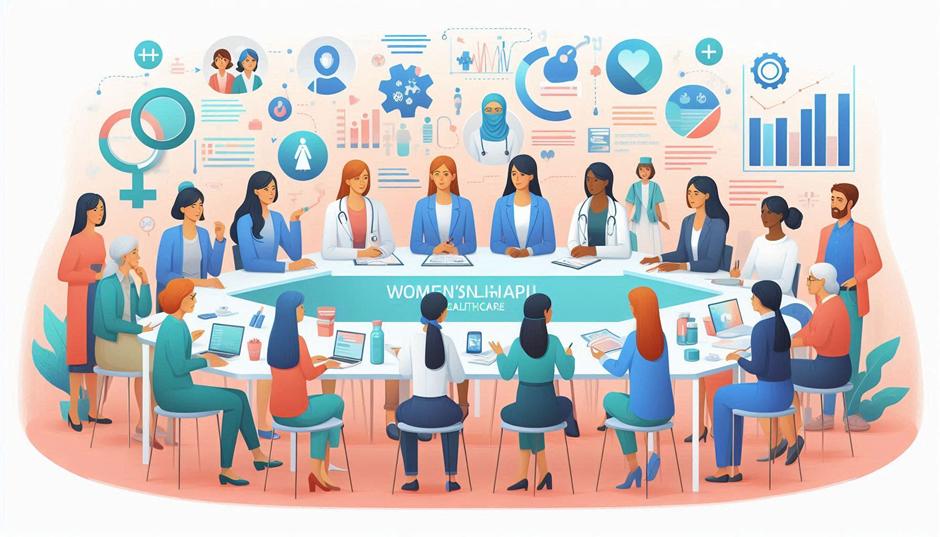
1. The Historical and Ongoing Bias in Medical Research
The foundation of modern evidence-based medicine is clinical research, yet this very foundation is structurally flawed when it comes to understanding women’s health. For decades, rooted in a combination of paternalistic protectionism, scientific convenience, and a fundamental bias, women—particularly those of childbearing age—were routinely excluded from pivotal clinical trials. The infamous case of the 1977 U.S. Food and Drug Administration guideline that explicitly recommended excluding women of childbearing potential from early-phase clinical research starkly institutionalized this bias. The rationale, ostensibly to protect potential fetuses from unknown risks, effectively sacrificed the health of generations of women on the altar of hypothetical protection. It treated all women as pre-pregnant, prioritizing a theoretical fetal risk over the very real health needs of living women. This policy, and the widespread practice it reflected, meant that the dosages, efficacy, and side effect profiles of countless drugs—from cardiovascular medications to psychotropics—were primarily established based on male physiology. The male body, with its distinct hormonal milieu, metabolic rates, and body composition, became the normative blueprint for humanity.
The repercussions of this exclusion are not historical relics; they manifest in tangible harm today. Women experience adverse drug reactions at significantly higher rates than men. A primary reason is that dosages optimized for a 70-kilogram male may be inappropriate for a woman’s typically smaller body mass and different pharmacokinetics. For instance, the sleep aid zolpidem was prescribed at a standard dose for years until pharmacodynamic studies revealed that women metabolized the drug much more slowly than men, leading to higher morning blood levels and impaired cognitive function, a discovery that prompted the FDA to recommend halving the initial dose for women in 2013. Beyond pharmacology, the exclusion from research has skewed the understanding of disease pathophysiology. Heart disease, the leading cause of death for women globally, presents a classic example. For years, the medical understanding of a heart attack was based on the “Hollywood heart attack”—crushing chest pain radiating down the left arm, symptoms predominantly seen in men. Women, however, frequently experience “atypical” symptoms such as nausea, jaw pain, profound fatigue, or shortness of breath. Because these symptoms did not match the male-derived diagnostic criteria, women were more likely to be misdiagnosed with anxiety or gastrointestinal issues, leading to catastrophic delays in life-saving intervention. This diagnostic failure is a direct consequence of research that did not seek to characterize the female presentation of disease.
While policy reforms in the 1990s, such as the NIH Revitalization Act of 1993 and subsequent FDA guidelines, mandated the inclusion of women and minorities in clinical research, the problem has evolved rather than disappeared. Inclusion alone does not guarantee meaningful analysis. Often, studies do not enroll enough women to allow for statistically valid sex-based analysis of the results. Researchers may pool data from men and women without examining potential differences, a practice that obscures sex-specific effects. Furthermore, the historical bias extends to the very choice of research topics. Conditions that disproportionately or exclusively affect women, such as endometriosis, polycystic ovary syndrome (PCOS), fibromyalgia, and menopause-related disorders, have been chronically underfunded and understudied. Endometriosis, a debilitating condition affecting roughly one in ten women, often takes seven to ten years to diagnose due to a lack of non-invasive diagnostic tools and widespread dismissal of pelvic pain as a “normal” part of menstruation. The research pipeline, from basic science to translational research, continues to reflect a male-default perspective. Even in animal research, a startling predominance of male rodents has been used to avoid the “complication” of hormonal cycles, despite clear evidence that biological sex influences neurological, immunological, and physiological responses. Until the research paradigm shifts from simply including women to actively prioritizing the investigation of sex and gender differences at every level, the evidence base for treating women will remain fundamentally incomplete and unequal.
2. Systemic Failures in Diagnosis, Treatment, and Patient-Provider Interaction
The biases ingrained in medical research permeate the clinical environment, leading to systemic failures at the point of care. These failures occur in the diagnostic process, in therapeutic decisions, and within the fundamental dynamics of the patient-provider interaction, often with severe consequences for women’s health outcomes. A pervasive phenomenon underpinning many of these failures is the tendency to psychologize or minimize women’s physical symptoms. Women’s reports of pain, in particular, are systematically disbelieved and undertreated. Studies consistently show that women are more likely than men to be prescribed sedatives or antidepressants for their pain, whereas men are more likely to be prescribed pain medication. Conditions characterized by chronic, diffuse pain—like fibromyalgia, chronic fatigue syndrome, and autoimmune diseases such as lupus and multiple sclerosis (which disproportionately affect women)—are frequently dismissed as “psychosomatic” or manifestations of stress or anxiety before a definitive diagnosis is made. This diagnostic odyssey, often spanning years and multiple specialists, erodes women’s trust in the healthcare system and exacerbates their suffering.
The gender gap in cardiovascular care is one of the most lethal illustrations of this diagnostic failure. As previously noted, symptom presentation differs, but so does the pathway to care. Women experiencing a myocardial infarction are more likely to delay seeking help, often because they do not recognize their symptoms as cardiac in nature. Upon entering the healthcare system, they face further barriers. Research demonstrates that women, especially younger women and women of color, are less likely to be referred for guideline-recommended diagnostic procedures like coronary angiography or stress tests. Even when diagnosed, they are less likely to receive evidence-based medications like aspirin, beta-blockers, or statins at discharge, and are less frequently referred to cardiac rehabilitation. The cumulative effect is stark: women have higher mortality rates following a heart attack and are more likely to suffer a second event. This disparity cannot be explained by biology alone; it is a function of a system that is slower to recognize and less aggressive in treating heart disease in women.
The patient-provider interaction itself is a critical site where gender bias operates, often implicitly. Communication studies reveal that doctors are more likely to interrupt female patients, spend less time with them, and attribute their symptoms to emotional causes. Women’s accounts of their own bodies are frequently contested or dismissed. This is compounded for women of color, LGBTQ+ women, and those with disabilities, who face intersecting layers of bias. The historical stigmatization of women’s emotions as “hysteria” has a modern echo in the quick labeling of complex symptoms as anxiety. This dynamic has a chilling effect, leading women to downplay their symptoms or avoid seeking care altogether, for fear of being labeled as “difficult” or “complaining.” Furthermore, the focus on women’s reproductive capacity can lead to a reductionist view of their health. A woman’s medical complaints, whether for migraines, joint pain, or depression, may be automatically filtered through the lens of her hormonal status or contraceptive choices, potentially overlooking other serious underlying causes. This systemic failure is not merely about individual practitioner prejudice; it is embedded in medical education curricula that still often lack comprehensive training on sex and gender differences, in clinical algorithms built on male-centric data, and in a culture that has historically valued male authority over female subjective experience. The result is a healthcare experience for women that is frequently characterized by frustration, invalidation, and, ultimately, poorer health outcomes.
3. Sociocultural, Economic, and Access-Related Determinants
Beyond the walls of the clinic and the laboratory, women’s health is profoundly shaped by a complex web of sociocultural norms, economic realities, and structural barriers to access. These determinants often interact to exacerbate the biological and systemic inequities, placing women, particularly those from marginalized communities, at a compounded disadvantage. Gender roles and social expectations dictate much of women’s health-seeking behavior and the resources available to them. Globally, women are overwhelmingly the primary caregivers for children, the elderly, and the sick within families. This caregiving responsibility, while invaluable, often comes at a significant cost to women’s own health. It can lead to delayed care, as women prioritize the needs of others above their own; financial strain, if caregiving forces a reduction in paid work; and chronic stress, a known risk factor for numerous physical and mental health conditions. The “triple burden” of paid work, unpaid domestic labor, and caregiving leaves many women with limited time and energy to attend to their own health needs.
Economic factors are inextricably linked to health outcomes, and women globally are more likely to live in poverty than men, a phenomenon known as the feminization of poverty. Lower socioeconomic status restricts access to nutritious food, safe housing, and healthy environments—all key social determinants of health. Economically disadvantaged women are more likely to work in precarious or informal jobs without health insurance or paid sick leave, making a doctor’s visit a direct trade-off against income. Even in countries with universal healthcare systems, “hidden costs” such as transportation, childcare, and time off work can be prohibitive. Furthermore, the gender pay gap translates directly into a health gap. Less lifetime earnings mean less ability to afford co-pays, medications, specialist care, or complementary therapies not covered by insurance. For conditions like endometriosis or chronic pain, which may require multiple specialist visits, physical therapy, or innovative treatments, the financial barrier can be insurmountable.
Access to comprehensive reproductive healthcare represents a critical and often politically charged dimension of this issue. Restrictions on contraception, abortion, and comprehensive sexual education directly infringe upon women’s bodily autonomy and have profound health implications. Denial of safe abortion services leads to increased maternal mortality and morbidity. Lack of access to affordable contraception limits women’s ability to plan their families and their lives, with cascading effects on educational attainment, economic participation, and mental health. Reproductive healthcare, however, must not be conflated with the totality of women’s health. The common reduction of women’s health to “bikini medicine”—focusing only on the breasts and reproductive organs—is itself a form of bias that neglects the whole person. Yet, even within this narrow frame, access is uneven. Preventive services like mammograms and cervical cancer screenings see lower uptake among women who are uninsured, rural, or from certain ethnic minorities due to a combination of cost, logistical barriers, and cultural or historical mistrust of the medical system.
This mistrust is a powerful sociocultural barrier, particularly for women of color. Historical atrocities like the non-consensual experimentation on enslaved Black women by J. Marion Sims, or the Tuskegee syphilis study, have left a legacy of medical mistrust in Black communities that persists today. This is compounded by ongoing experiences of discrimination and bias within healthcare settings. Black women in the United States, for example, face alarmingly high maternal mortality rates—three to four times higher than those of white women—a disparity that persists even after controlling for income and education levels, pointing to the lethal effects of systemic racism within obstetric care. Indigenous women, transgender women, and women with disabilities similarly face unique and intersecting barriers rooted in discrimination, stigma, and a lack of culturally competent care. Thus, addressing the gender gap requires a simultaneous confrontation of the socioeconomic inequalities and structural oppressions that make healthcare inaccessible or unsafe for vast numbers of women worldwide.
4. Moving Beyond Reproduction: The Lifespan Approach to Women’s Health
A paradigm shift is urgently required to move the conception of women’s health from a niche concern focused primarily on reproduction to a holistic, lifespan approach that acknowledges the unique physiological and psychological journey of women from adolescence to old age. While reproductive health is a vital component, its overemphasis has often come at the expense of understanding and addressing other critical health phases and conditions. Women’s biology, influenced by the fluctuating landscape of sex hormones like estrogen and progesterone, has significant implications for nearly every organ system, a reality that medicine has been slow to integrate into mainstream practice.
The journey begins in adolescence, where conditions like PCOS and dysmenorrhea often emerge but are frequently normalized or mismanaged. The transition to adulthood brings peaks in the risk for autoimmune diseases, which have a strong female predominance. Conditions like rheumatoid arthritis, thyroid disorders, and lupus are heavily influenced by hormonal and genetic factors specific to women, yet their management is often siloed in specialty care without a unifying understanding of their gendered nature. Mental health presents another stark landscape of disparity. Women are diagnosed with depression and anxiety at roughly twice the rate of men. While sociocultural factors like gender-based violence, economic inequality, and the burden of caregiving play a major role, biological factors related to hormonal sensitivity and neurobiology are also key drivers. The perinatal period, encompassing pregnancy and postpartum, is a time of immense physiological change and vulnerability, yet postpartum care is notoriously fragmented and brief, often failing to address the long-term cardiovascular, metabolic, and mental health consequences that can arise from pregnancy complications like preeclampsia or gestational diabetes.
Perhaps the most glaring example of medical neglect is the management of menopause. Menopause is a universal biological event for half the population, marking the end of reproductive function and involving a dramatic decline in ovarian hormones. This hormonal shift has widespread effects, increasing the risk of osteoporosis, cardiovascular disease, urogenital atrophy, and cognitive changes, while also causing often-debilitating symptoms like hot flashes, sleep disturbances, and mood swings. Despite its profound impact, menopause has been grossly under-researched and stigmatized. For decades, women’s complaints during this transition were dismissed as inevitable, psychological, or simply a nuisance. Hormone therapy (HT), once a mainstay, was thrown into disarray by the flawed Women’s Health Initiative study in 2002, the communication of which caused widespread fear and a sharp decline in use, leaving a generation of women without effective treatment. The subsequent retreat from HT highlighted a deeper failing: a lack of nuanced, long-term research into optimizing health during the post-reproductive decades, which can span half a woman’s life. The focus on fertility has implicitly framed women’s health value around their reproductive capacity, leaving a knowledge vacuum about how to best support health and quality of life once that phase is over.
A lifespan approach also demands attention to the health of older women. Older women are more likely than men to live with multiple chronic conditions (multimorbidity), such as arthritis, osteoporosis, heart disease, and dementia. They are more likely to experience disability and to live alone, often with limited social support. The intersection of ageism and sexism can lead to the further minimization of their symptoms, often attributed dismissively to “just getting old.” Pain management in older women is particularly problematic, with concerns about addiction or falls often leading to inappropriate under-treatment. A holistic, lifespan-centric model would integrate care across specialties, prioritize research into female-predominant conditions at all ages, and develop clinical guidelines that account for hormonal transitions and their systemic effects. It requires viewing women not as vessels for reproduction but as individuals whose health needs evolve across a unique biological continuum, demanding tailored research, education, and care at every stage.
Conclusion
The gender gap in healthcare is a persistent and multifaceted crisis with deep roots in historical bias, systemic practice, and societal structure. It is not an artifact of a less enlightened past but a present and active force that diminishes the health and well-being of women worldwide. From the androcentric foundations of medical research that have produced a dangerous knowledge deficit, to the clinical encounters where women’s symptoms are psychologized and their pain undervalued, the system is riddled with inequity. These clinical failures are compounded by powerful sociocultural and economic determinants that limit access, prioritize caregiving over self-care, and disproportionately burden women with poverty and its health consequences. Furthermore, the longstanding reduction of women’s health to reproductive function alone has created glaring blind spots in understanding and managing health across the entire female lifespan, particularly during critical transitions like menopause and in older age.
Bridging this gap requires a concerted, multi-pronged effort at all levels. It mandates a fundamental restructuring of biomedical research to not only include women but to mandate and fund sex-based analysis from the lab bench to the phase-three trial. Medical education must be overhauled to embed the science of sex and gender differences into every curriculum, training future providers to recognize their biases and to diagnose and treat based on evidence specific to women. Clinicians and healthcare institutions must adopt and implement gender-sensitive clinical guidelines and foster communication practices that validate and respect women’s lived experiences. Policymakers must work to dismantle the economic and structural barriers to access, ensuring that comprehensive healthcare—including but not limited to reproductive services—is affordable and accessible to all women, regardless of their background. Finally, a societal shift is needed to value women’s health as a cornerstone of public health, investing in research on female-predominant conditions and championing a holistic, lifespan model of care. Closing the gender gap in healthcare is more than a matter of fairness; it is an imperative for scientific accuracy, economic productivity, and the fundamental right of every individual to achieve their full health potential. A system that fails half its population is not merely inequitable; it is fundamentally broken, and its repair is one of the most pressing challenges of contemporary medicine.
SOURCES
Blair, L. M., & Brown, H. L. (2021). The syndemic of trauma and maternal mortality among Black women. Journal of Midwifery & Women’s Health, 66(5), 559-561.
Catoire, P., & Baron, G. (2022). Sex and gender bias in the management of acute coronary syndrome: a systematic review. European Heart Journal: Acute Cardiovascular Care, 11(3), 229-238.
Cheng, C. I., & Yoon, J. (2022). Gender disparities in pain management. Current Opinion in Anesthesiology, 35(5), 604-609.
Dusenbery, M. (2018). Doing harm: The truth about how bad medicine and lazy science leave women dismissed, misdiagnosed, and sick. HarperOne.
Heidari, S., Babor, T. F., De Castro, P., Tort, S., & Curno, M. (2016). Sex and gender equity in research: rationale for the SAGER guidelines and recommended use. Research Integrity and Peer Review, 1(1), 1-9.
Institute of Medicine (US). (2010). Women’s health research: Progress, pitfalls, and promise. National Academies Press.
Mauvais-Jarvis, F., Merz, N. B., Barnes, P. J., Brinton, R. D., Carrero, J. J., DeMeo, D. L., … & Regitz-Zagrosek, V. (2020). Sex and gender: modifiers of health, disease, and medicine. The Lancet, 396(10250), 565-582.
Nicolson, P., & Welsh, J. (2020). The marginalization of menopause. In The Palgrave handbook of critical menstruation studies (pp. 759-773). Palgrave Macmillan.
Pope, R., & Sheikhan, N. Y. (2021). Dismissed: Navigating the gender bias in healthcare. Journal of Patient Experience, 8.
Schiebinger, L., & Klinge, I. (2020). Gendered innovations in health and medicine. Stanford University Press.
Woodward, M. (2019). Cardiovascular disease and the female disadvantage. International Journal of Environmental Research and Public Health, 16(7), 1165.
World Health Organization. (2021).Fair share for health and care: Gender and the undervaluation of health and care work. WHO.
HISTORY
Current Version
Dec 23, 2025
Written By
BARIRA MEHMOOD
0 Comments