Introduction
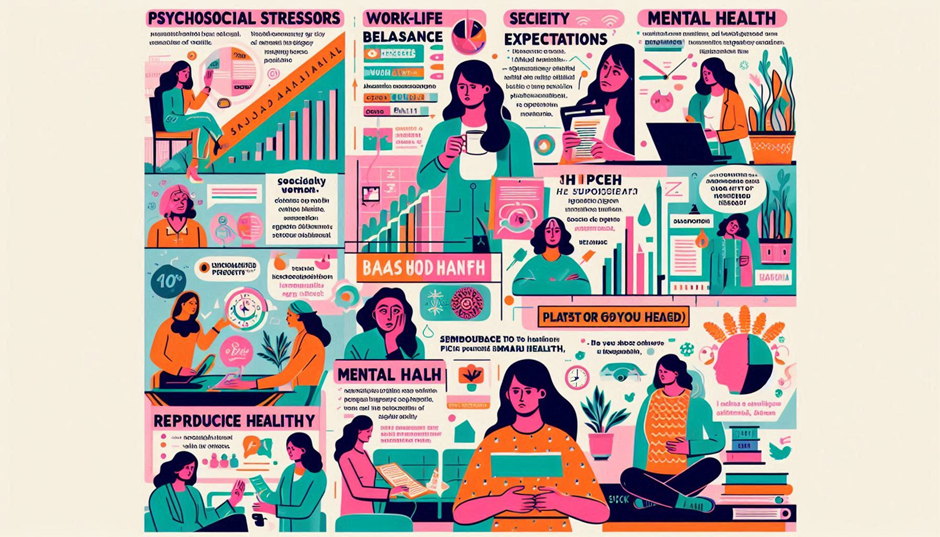
The intersection of mental and physical well-being is nowhere more profound or complex than in the realm of women’s reproductive health. For decades, medical science has predominantly focused on the biological and hormonal mechanisms governing reproduction, from menarche to menopause. However, a growing and compelling body of evidence now underscores that a woman’s reproductive life is not merely a series of biological events but is deeply embedded within her psychosocial environment. Psychosocial stressors—defined as the external stimuli (stressors) perceived as threatening or challenging and the emotional and physiological responses (stress) they provoke—exert a significant and often under-recognized influence on reproductive function across the lifespan. These stressors encompass a wide array of experiences, including chronic work pressure, socioeconomic disadvantage, experiences of discrimination and racism, intimate partner violence, childhood trauma, anxiety about fertility, and the daily strain of caregiving responsibilities. The impact is not abstract; it manifests through tangible biological pathways, primarily the activation of the hypothalamic-pituitary-adrenal (HPA) axis and the sympathetic nervous system, leading to the release of stress hormones like cortisol and catecholamines. These hormones, in sustained excess, can directly and indirectly disrupt the finely tuned hormonal symphony of the hypothalamic-pituitary-gonadal (HPG) axis, which governs reproduction. This paper will argue that psychosocial stressors are critical determinants of women’s reproductive health outcomes, influencing menstrual cyclicity, fertility, pregnancy progression, and the transition through menopause. By examining the mechanisms and consequences across four key phases—menstrual health and ovarian function, conception and fertility, pregnancy and its outcomes, and the menopausal transition—this discussion aims to illuminate the profound embodiment of social and psychological experiences in female biology. Recognizing this link is not only essential for a holistic understanding of women’s health but is also a crucial step towards developing more compassionate, effective, and integrated clinical interventions that address the whole person, not just her reproductive system.
1. Impact on Menstrual Function and Ovarian Health
The menstrual cycle, often viewed as a barometer of general health, is exquisitely sensitive to psychosocial stressors. The regularity, length, and symptomatology of the cycle are governed by the precise, pulsatile secretion of gonadotropin-releasing hormone (GnRH) from the hypothalamus, which in turn stimulates the pituitary gland to release follicle-stimulating hormone (FSH) and luteinizing hormone (LH). These hormones direct ovarian follicle development, ovulation, and corpus luteum function. Chronic or severe psychosocial stress can disrupt this axis at multiple levels. Primarily, the activation of the HPA axis leads to the increased production of corticotropin-releasing hormone (CRH) and cortisol. CRH can directly suppress the hypothalamic secretion of GnRH, while elevated cortisol can inhibit pituitary response to GnRH and impair ovarian production of estrogen and progesterone. This biochemical interference can result in a spectrum of menstrual disturbances, clinically termed functional hypothalamic amenorrhea (FHA). FHA, characterized by the absence of menstruation for three months or more in the absence of organic pathology, is strongly linked to stressors such as excessive exercise, weight loss, and, significantly, psychological stress. Women in high-pressure academic or professional environments, those experiencing significant life events like grief or trauma, and those with anxiety disorders are disproportionately affected. The amenorrhea is a clear sign that the reproductive system has downregulated its activity, a physiological prioritization of survival mechanisms over non-essential functions like reproduction in perceived times of threat.
Beyond amenorrhea, subtler menstrual irregularities are commonplace under stress. Anovulatory cycles, where follicle development occurs but ovulation does not, can lead to irregular cycle lengths and heavy or prolonged bleeding due to unopposed estrogen. Luteal phase defects, where the post-ovulatory phase is shortened or progesterone production is inadequate, can compromise endometrial receptivity and are linked to stress. Furthermore, the experience of premenstrual symptoms is significantly modulated by psychosocial factors. Premenstrual dysphoric disorder (PMDD) and severe premenstrual syndrome (PMS) are not caused by stress per se, but their severity is profoundly exacerbated by it. Stress can amplify mood lability, physical discomfort, and pain perception in the premenstrual phase, creating a vicious cycle where anticipation of symptoms becomes a stressor in itself. The impact also extends to conditions like polycystic ovary syndrome (PCOS), a complex endocrine disorder. While PCOS has strong genetic and metabolic components, psychosocial stress can worsen its clinical presentation. The hyperandrogenism and insulin resistance central to PCOS may be exacerbated by cortisol, and the psychological burden of managing symptoms like hirsutism, weight gain, and infertility itself constitutes a chronic stressor, potentially creating a feedback loop that aggravates the condition. The pain associated with gynecological conditions like endometriosis and dysmenorrhea is also not immune. Stress can lower pain thresholds through neurobiological mechanisms, making painful periods or endometriosis flares more severe and debilitating. Thus, from cycle regularity to symptom severity, the ovarian and menstrual function serves as a clear reflection of a woman’s psychosocial landscape, with stress acting as a potent disruptor of hormonal harmony and quality of life.
2. Influence on Conception and Fertility
The journey to conception, whether natural or assisted, is a period often fraught with hope, expectation, and, for many, significant psychosocial stress. This stress, in turn, can create biological barriers to achieving pregnancy. The mechanisms described earlier—the suppression of the HPG axis by an activated HPA axis—directly impair the optimal hormonal environment required for ovulation, fertilization, and implantation. In natural conception, chronic stress can lead to anovulation or suboptimal luteal phases, effectively reducing the window of fertility each cycle. Research has shown that women with higher levels of salivary alpha-amylase (a biomarker of sympathetic nervous system activity) have a significantly reduced probability of conception per cycle compared to those with lower levels, even after controlling for factors like age, frequency of intercourse, and reproductive health status. This suggests that the body’s “fight-or-flight” response, when chronically engaged, can meaningfully lower fecundability.
The stress-fertility relationship becomes particularly pronounced and complex in the context of medically assisted reproduction. The experience of infertility is itself a profound psychosocial stressor, often accompanied by feelings of grief, loss, failure, and strained relationships. The diagnostic procedures, treatment cycles, financial burdens, and uncertainty inherent in treatments like in vitro fertilization (IVF) create a high-stakes environment. This iatrogenic stress can then negatively influence treatment outcomes. Studies have yielded mixed but insightful results: while acute stress on the day of a procedure may not be determinative, chronic perceived stress and elevated cortisol levels have been associated with poorer ovarian response to stimulation, fewer oocytes retrieved, lower fertilization rates, and reduced pregnancy and live birth rates. One hypothesized pathway is through stress-induced changes in ovarian blood flow and follicular fluid cortisol concentrations, which may affect oocyte quality. Furthermore, stress can impact the endometrial receptivity, the crucial window during which the embryo implants. Elevated stress biomarkers have been linked to altered gene expression in the endometrium, potentially creating a less welcoming environment for implantation.
Beyond the direct biological effects, stress influences behaviors that are critical for fertility. It can reduce libido, leading to less frequent intercourse during the fertile window. It may increase the use of coping mechanisms like smoking or excessive alcohol consumption, which are independently harmful to fertility. It can also affect adherence to treatment protocols. The psychological toll can lead some individuals to discontinue treatment prematurely. Importantly, the relationship is bidirectional: infertility causes stress, and stress worsens infertility outcomes, creating a devastating cycle. This understanding has led to the integration of psychosocial care, including counseling, mindfulness-based stress reduction (MBSR), and cognitive-behavioral therapy (CBT), as adjuncts to fertility treatment. Evidence suggests that such interventions can not only improve psychological well-being but may also, by modulating the stress response, contribute to improved treatment success rates, underscoring the tangible clinical relevance of addressing the mind-body connection in reproductive medicine.
3. Consequences for Pregnancy and Postpartum Health
Pregnancy represents a period of immense physiological adaptation and, for many, significant psychosocial transition. When stress is a prominent feature of this period, it can have enduring consequences for both maternal and fetal health. The concept of prenatal or maternal stress encompasses a range of experiences, from catastrophic events (e.g., natural disasters, bereavement) to chronic strains (e.g., poverty, relationship discord, racism) and pregnancy-specific anxiety (e.g., fear of childbirth, worry about fetal health). The biological pathway is again central: maternal cortisol can cross the placenta. While a certain level is necessary for fetal development, excessive exposure can alter the fetal HPA axis programming and have teratogenic effects on developing organs.
One of the most well-documented outcomes of severe prenatal stress is an increased risk of preterm birth (PTB) and low birth weight (LBW). Stress can precipitate early parturition through several mechanisms, including the premature triggering of the placental CRH cascade (a key clock for labor onset), increased production of pro-inflammatory cytokines, and reduced blood flow to the uterus due to heightened sympathetic tone. Socioeconomically disadvantaged women and women of color, who are often exposed to a greater cumulative burden of chronic and discriminatory stressors, exhibit disproportionately high rates of PTB and LBW, contributing stark health disparities. Furthermore, prenatal stress is linked to a higher risk of gestational hypertension and preeclampsia, likely through pathways involving inflammation, vascular dysfunction, and immune maladaptation.
The impact extends beyond physical birth outcomes to fetal neurodevelopment. Epidemiological and prospective studies have consistently associated high levels of maternal anxiety, depression, and stress during pregnancy with an elevated risk of emotional, behavioral, and cognitive difficulties in the child. These include a higher likelihood of attention-deficit/hyperactivity disorder (ADHD), anxiety, and affective disorders, as well as altered stress reactivity in childhood. This is believed to occur through fetal programming—the enduring influence of the prenatal environment on the structure and function of physiological systems, particularly the brain and HPA axis, setting a trajectory for future health and vulnerability.
For the mother, the postpartum period is a time of particular vulnerability. Prenatal stress is a potent predictor of postpartum depression (PPD) and anxiety. The massive hormonal shifts following delivery, combined with sleep deprivation and new caregiving demands, can overwhelm a system already sensitized by chronic stress. Postpartum depression is not merely a maternal concern; it can affect mother-infant bonding, infant feeding, and child development, perpetuating an intergenerational cycle of impaired psychosocial well-being. Additionally, chronic stress can negatively affect breastfeeding initiation and duration, both through direct inhibition of the oxytocin reflex (let-down) and through indirect behavioral pathways like reduced confidence and increased fatigue. Thus, the gestational period acts as a critical conduit through which a mother’s external social and psychological world shapes the immediate and long-term health of her child and her own postpartum recovery, highlighting pregnancy as a key intervention point for psychosocial support.
4. Effects on the Menopausal Transition and Beyond
The menopausal transition, or perimenopause, is a natural developmental stage marked by fluctuating and declining ovarian hormone production. While its biological underpinnings are inevitable, the experience of its symptoms—and their impact on long-term health—is deeply filtered through the lens of psychosocial context. Stress does not cause menopause, but it can significantly influence the timing of its onset and the severity of its sequelae. Research suggests that exposure to significant lifetime stressors, such as childhood adversity or chronic socioeconomic hardship, may be associated with an earlier age at natural menopause. One proposed mechanism is the accelerated depletion of the finite ovarian follicle pool under the influence of prolonged cortisol exposure and its metabolic consequences.
More unequivocal is the role of stress in exacerbating the core symptoms of the menopausal transition. Vasomotor symptoms (VMS), namely hot flashes and night sweats, are the hallmark complaints. Stress can trigger the onset of individual hot flashes by activating the sympathetic nervous system and raising core body temperature. More broadly, women who report higher levels of perceived stress, anxiety, and depressive symptoms consistently report greater frequency and severity of VMS. This creates a disruptive feedback loop: severe hot flashes, particularly night sweats that disturb sleep, become a significant stressor themselves, leading to irritability, fatigue, and diminished coping resources, which in turn may amplify stress reactivity and trigger more flashes. Sleep disturbances, independent of VMS, are also a major complaint during menopause and are highly sensitive to stress, with worries and ruminations interfering with the ability to fall or stay asleep.
The psychological symptoms commonly attributed to menopause, such as mood swings, irritability, and low mood, are also intricately linked to psychosocial stress. While declining estrogen can affect neurotransmitters like serotonin, a woman’s psychological state during this life stage is profoundly shaped by her circumstances. Stressors like caring for aging parents (the “sandwich generation”), navigating changes in identity and self-worth, dealing with empty nest syndrome, or experiencing relationship shifts can converge with the hormonal transition to precipitate or worsen depressive and anxious symptoms. Furthermore, the menopausal transition is a window of vulnerability for the development of metabolic syndrome and cardiovascular disease, as the cardioprotective effect of estrogen wanes. Chronic stress, through its promotion of abdominal obesity, insulin resistance, inflammation, and hypertension, can synergistically accelerate this cardiometabolic risk. Therefore, a woman’s experience of menopause cannot be understood through endocrinology alone. It is a biopsychosocial event where lifelong stress exposure, current life challenges, and hormonal fluctuation interact to determine symptom burden, quality of life, and future disease risk. Interventions that address stress management, such as cognitive-behavioral therapy for hot flashes and sleep, and mindfulness for mood, have shown significant efficacy, again affirming the modifiable nature of these psychosocial influences.
Conclusion
The evidence is conclusive and compelling: psychosocial stressors are not peripheral concerns but central determinants in the narrative of women’s reproductive health. From the regularity of the first menstrual cycle to the symptoms of the last, the female reproductive system is in constant dialogue with the brain and the social environment. The biological pathways, primarily the cross-talk between the HPA and HPG axes, provide the mechanism for this dialogue, translating experiences of chronic pressure, trauma, discrimination, and anxiety into hormonal signals that can suppress ovulation, predispose to preterm birth, amplify hot flashes, and cloud mood. This understanding dismantles the artificial divide between mind and body in medicine, revealing reproductive health as a holistic state. It also carries profound implications for clinical practice, public health, and societal equity. Clinically, it argues for routine psychosocial assessment in gynecological, obstetric, and fertility care, and for the integration of mental health support and stress-reduction techniques as standard components of treatment. It calls for a shift from a purely biomedical model to a patient-centered, biopsychosocial approach. At a public health level, it highlights that improving women’s reproductive outcomes requires addressing the upstream social determinants of health—such as economic stability, safe relationships, and freedom from discrimination—that are the root sources of chronic stress. The disproportionate burden of adverse reproductive outcomes borne by marginalized communities stands as a stark testament to the toxic health effects of systemic inequity. Ultimately, recognizing the impact of psychosocial stressors on women’s reproductive health is an act of both scientific accuracy and compassion. It validates women’s lived experiences, frames their symptoms within a broader context of life challenges, and opens the door to more empathetic, comprehensive, and effective care that nurtures both the body and the mind throughout the reproductive lifespan.
SOURCES
Baird, D. D., Hill, M. C., Schectman, J. M., & Hollis, B. W. (2003). Vitamin D and the risk of uterine fibroids. Epidemiology, 14(5), 540–546.
Berga, S. L. (2021). Understanding functional hypothalamic amenorrhea: A neuroendocrine perspective. Fertility and Sterility, 115(4), 882–888.
Buss, C., Entringer, S., & Wadhwa, P. D. (2017). The role of stress in brain development: The gestational environment’s long-term effects on the brain. JAMA Psychiatry, 74(11), 1120–1121.
Chrousos, G. P., Torpy, D. J., & Gold, P. W. (1998). Interactions between the hypothalamic-pituitary-adrenal axis and the female reproductive system: Clinical implications. Annals of Internal Medicine, 129(3), 229–240.
García-León, M. Á., Caparrós-González, R. A., Romero-González, B., González-Perez, R., & Peralta-Ramírez, I. (2020). Resilience as a protective factor in pregnancy and puerperium: A systematic review. Journal of Clinical Medicine, 9(5), 1342.
Hogue, C. J., Parker, C. B., Willinger, M., Temple, J. R., Bann, C. M., Silver, R. M., … & Reddy, U. M. (2013). A population-based case-control study of stillbirth: The relationship of significant life events to the racial disparity for African Americans. American Journal of Epidemiology, 177(8), 755–767.
Lynch, C. D., Sundaram, R., Maisog, J. M., Sweeney, A. M., & Buck Louis, G. M. (2014). Preconception stress increases the risk of infertility: Results from a couple-based prospective cohort study—the LIFE study. Human Reproduction, 29(5), 1067–1075.
Matthews, K. A., & Bromberger, J. T. (2005). Does the menopausal transition affect health-related quality of life? American Journal of Medicine, 118(12), 25–36.
Nepomnaschy, P. A., Sheiner, E., & Mastorakos, G. (2007). Stress, immune function, and women’s reproduction. Annals of the New York Academy of Sciences, 1113, 350–364.
Rooney, K. L., & Domar, A. D. (2018). The relationship between stress and infertility. Dialogues in Clinical Neuroscience, 20(1), 41–47.
Slopen, N., Koenen, K. C., & Kubzansky, L. D. (2014). Cumulative adversity in childhood and emergent risk factors for long-term health. The Journal of Pediatrics, 164(3), 631–638.
Thurston, R. C., & Joffe, H. (2011). Vasomotor symptoms and menopause: Findings from the Study of Women’s Health Across the Nation. Obstetrics and Gynecology Clinics of North America, 38(3), 489–501.
Witt, W. P., Litzelman, K., Cheng, E. R., Wakeel, F., & Barker, E. S. (2014). Measuring stress before and during pregnancy: A review of population-based studies of obstetric outcomes. Maternal and Child Health Journal, 18(1), 52–63.
Woods, S. M., Melville, J. L., Guo, Y., Fan, M. Y., & Gavin, A. (2010). Psychosocial stress during pregnancy. American Journal of Obstetrics and Gynecology, 202(1), 61.e1–61.e7.
HISTORY
Current Version
Dec 31, 2025
Written By
BARIRA MEHMOOD

0 Comments